
Elder Abuse: Signs, Response, And Resources Guide For Families
Practical guidance for families and caregivers responding to elder abuse, neglect, and exploitation.
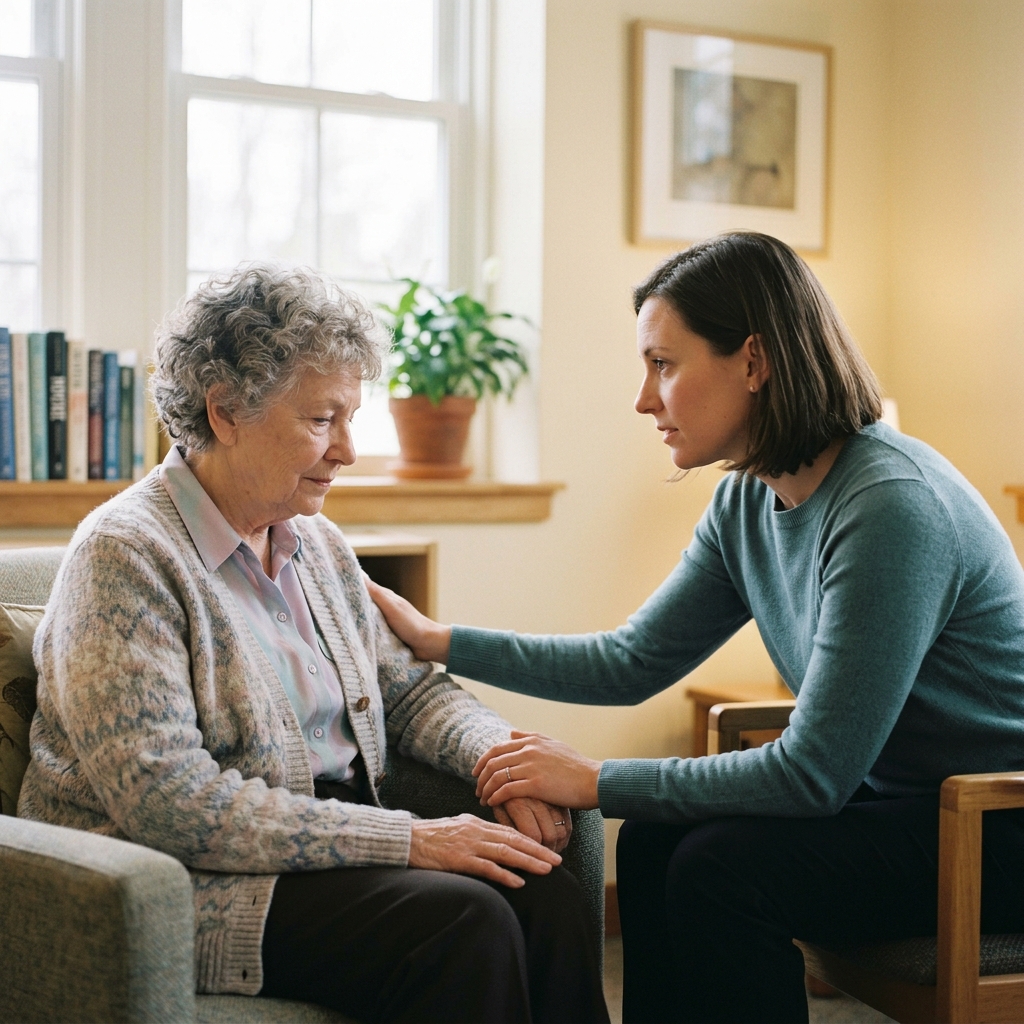
Abuse, neglect, and exploitation can affect older adults in many settings, including the home, a care facility, or a community environment. Families and caregivers often notice the warning signs first, and their response can make a critical difference in safety, reporting, and recovery. The Department of Justice’s Elder Justice Initiative exists to support and coordinate efforts to combat elder abuse, and federal victim resources are designed to help older adults and the people who care about them find assistance, reporting options, and guidance.
This article explains how families and caregivers can recognize harm, respond thoughtfully, and connect an older adult with the right support. It also outlines practical steps for documenting concerns, protecting finances, and working with local and national services.
What elder abuse can look like
Elder abuse is not limited to physical violence. It can include neglect, emotional harm, sexual abuse, and financial exploitation. The Office for Victims of Crime describes elder abuse and financial exploitation as serious problems affecting older adults, families, practitioners, law enforcement, and researchers.
Common forms of abuse include:
- Physical abuse: Hitting, restraining, rough handling, or causing injury.
- Emotional abuse: Threats, humiliation, isolation, intimidation, or controlling behavior.
- Neglect: Failing to provide food, medication, hygiene, supervision, or safe living conditions.
- Financial exploitation: Theft, scams, coercion, misuse of powers of attorney, or unauthorized account access.
- Sexual abuse: Any non-consensual sexual contact or exploitation.
Abuse may be carried out by a family member, caregiver, acquaintance, stranger, or in some cases a professional with access to the older adult. Families should not wait for certainty before seeking help if warning signs appear.
Warning signs families should take seriously
Indicators of abuse can be subtle at first. A change in routine, unexplained fear, or sudden financial problems may be the first clue that something is wrong. Resource guides from courts and victim-support organizations emphasize that older-adult abuse often involves both physical and behavioral signs.[10]
| Possible sign | What it may suggest |
|---|---|
| Bruises, cuts, or repeated injuries | Possible physical abuse or unsafe care |
| Poor hygiene, dehydration, or untreated medical needs | Neglect or caregiver failure |
| Withdrawal, anxiety, or fear around a particular person | Emotional abuse, coercion, or intimidation |
| Missing money, unpaid bills, or unfamiliar withdrawals | Financial exploitation |
| Sudden changes to a will, deed, account, or power of attorney | Possible manipulation or fraud |
| Unexplained inability to access phone, mail, or visitors | Isolation or control |
One sign alone may not prove abuse, but patterns matter. If several concerns appear together, families should treat the situation as urgent.
How to respond when you suspect harm
The first response should focus on immediate safety. If the older adult is in danger, emergency help should be contacted right away. Local elder-abuse resources and victim-assistance hotlines are intended to connect victims and families with reporting pathways and support services.
- Check whether the person is safe right now.
- Call emergency services if there is immediate danger or a medical emergency.
- Speak privately with the older adult when possible.
- Avoid confronting the suspected abuser in a way that could escalate risk.
- Write down dates, observations, names, and any visible injuries or financial irregularities.
- Preserve records such as bank statements, voicemails, texts, and photographs.
It is also important to listen carefully. Older adults may fear retaliation, feel shame, worry about losing independence, or depend on the abuser for daily needs. A calm, respectful approach can make it easier for them to accept help.
Protecting the older adult’s money and identity
Financial abuse is one of the most common and damaging forms of exploitation. The Office for Victims of Crime specifically highlights elder financial exploitation as a major concern and points victims and families toward reporting and assistance resources.
Helpful protective steps include:
- Review account activity for unexplained transactions.
- Place alerts on bank, credit card, and investment accounts when possible.
- Change passwords and security questions if access has been compromised.
- Limit sharing of Social Security, Medicare, and Medicaid information.
- Be cautious about unsolicited calls, emails, and messages asking for personal data.
- Consider involving a trusted financial professional or legal adviser for oversight.
Families should also watch for coercion disguised as assistance. A person may pressure an older adult to sign documents, hand over debit cards, or reveal account numbers. Even if the conduct appears to come from a relative or trusted caregiver, it should still be treated as potential exploitation.
Where families and caregivers can turn for help
Multiple public systems exist to assist older adults and those who care for them. The Elder Justice Initiative provides a federal framework for anti-abuse efforts, while victim-service resources offer reporting help, referrals, and practical support.
Common places to seek help include:
- Adult Protective Services: For investigation and support when neglect, abuse, or exploitation is suspected.
- Local law enforcement: For crimes, threats, assault, theft, or fraud.
- Victim assistance programs: For case management, safety planning, and referrals.
- Aging and disability services agencies: For home support, transportation, meals, and community services.
- Legal aid or elder law attorneys: For guardianship questions, powers of attorney, housing, or money recovery issues.
In New York City, for example, Aging Connect provides a way to reach supports and programs, and victim-resource pages list contacts for elder abuse, crisis response, and related services. Even if a family does not live in New York, the same basic model applies nationwide: report, document, and connect to local support systems quickly.
The role of caregivers in prevention
Caregivers are often the people most directly involved in daily care, which gives them a powerful role in prevention. A strong caregiving environment reduces opportunities for isolation, confusion, and hidden harm. Trusted advocacy organizations also emphasize the value of trained professionals and coordinated response when abuse is suspected.
Preventive habits can include:
- Maintaining regular contact with the older adult.
- Keeping care schedules visible to family members or other trusted supporters.
- Rotating responsibilities to reduce burnout and secrecy.
- Checking that medications, food, bills, and appointments are being handled.
- Encouraging the older adult to stay socially connected.
- Screening outside caregivers and service providers carefully.
Caregiver stress can contribute to neglectful behavior, but stress is not an excuse for abuse. If a caregiver is overwhelmed, the safer response is to arrange respite, add support, or adjust the care plan before serious harm occurs.
How to talk with an older adult who may be at risk
Conversations about abuse should be private, respectful, and nonjudgmental. Many older adults are reluctant to disclose what is happening, especially when the suspected abuser is a spouse, child, neighbor, or paid helper. The goal is to build trust, not pressure a confession.
Helpful communication strategies include:
- Use clear, simple questions.
- Ask whether the person feels safe at home or with a caregiver.
- Allow silence so the person can answer at their own pace.
- Reassure them that the concern is about safety, not blame.
- Offer choices whenever possible to preserve dignity and autonomy.
If the older adult refuses help, families may still be able to contact adult protective services, a victim advocate, or law enforcement if there is a serious safety concern. Respect for independence matters, but it does not require ignoring clear evidence of danger.
Reporting and coordination: why timing matters
Early reporting can stop abuse from escalating and can also help preserve evidence. Federal and local elder-abuse resources are designed to connect victims, families, practitioners, and prosecutors with information and assistance.[10]
When reporting, be prepared to share:
- The older adult’s name, age, and location.
- A description of the suspected harm.
- The names of involved persons, if known.
- Any visible injuries, money loss, or documents of concern.
- Whether the person has urgent medical or safety needs.
Coordination matters because elder abuse can involve overlapping systems: health care, housing, social services, finance, and criminal justice. The best outcomes usually come from sharing information appropriately across those systems while respecting privacy and due process.
Practical ways to build a safer support network
No single family member should have to manage elder safety alone. A stronger network lowers the risk that abuse will go unnoticed and helps the older adult remain connected to people who can notice changes early.
Families can strengthen the support network by:
- Identifying at least two trusted backup contacts.
- Making sure important papers are stored securely and accessible when needed.
- Keeping a current list of medications, doctors, and emergency contacts.
- Checking in after hospital stays, major losses, or caregiver changes.
- Including social, legal, financial, and medical supports in the care plan.
Community organizations can also help. New York-based elder-abuse and victim-support organizations show how specialized legal and social-work teams can identify, stop, and prevent harm. Similar partnerships exist in many communities across the country.
Frequently asked questions
What should I do first if I think an older adult is being abused?
Check for immediate danger and call emergency services if needed. Then document what you observed and contact the appropriate local reporting or victim-support agency.
Can financial exploitation happen without physical violence?
Yes. An older adult can be threatened, pressured, tricked, or manipulated into losing money or control of assets without any physical injury.
What if the older adult does not want to report?
Listen respectfully and explain the safety concerns. If there is serious risk, you may still need to contact adult protective services or law enforcement.
Does abuse only happen in private homes?
No. Abuse can occur in homes, care settings, and other community environments where older adults depend on others for help.
How can caregivers prevent abuse from happening?
Prevention starts with regular contact, careful oversight, shared responsibilities, and early response to stress, isolation, or financial irregularities.
Final thoughts for families and caregivers
When an older adult is harmed, the response should be swift, practical, and centered on safety. Families and caregivers do not need to solve every problem alone; they need a clear plan, trusted contacts, and access to public and legal resources that are designed to help. Federal victim resources, local aging services, and community advocates can work together to protect older adults and support recovery.
References
- Elder Justice Initiative — U.S. Department of Justice. n.d. https://www.justice.gov/elderjustice
- Elder Abuse — JASA. n.d. https://www.jasa.org/services/elder-abuse
- Organizations — New York State Coalition on Elder Abuse. n.d. https://www.nyselderabuse.org/organizations
- Elder Abuse & Crime — NYC Department for the Aging. n.d. https://www.nyc.gov/site/dfta/services/elder-abuse-crime.page
- Related Resources — Office for Victims of Crime, U.S. Department of Justice. n.d. https://ovc.ojp.gov/program/elder-fraud-abuse/related-resources
- Elder Abuse Resource Guide — New York State Unified Court System. n.d. https://elderjustice.nycourts.gov/Elder_Justice_Guide_Complete.pdf
Similar Articles








Read full bio of Sneha Tete




