
Eviction Risks for Medical Marijuana Dispensaries
How federal law, local zoning, leases, and landlord rights collide when medical marijuana dispensaries face eviction and enforcement.
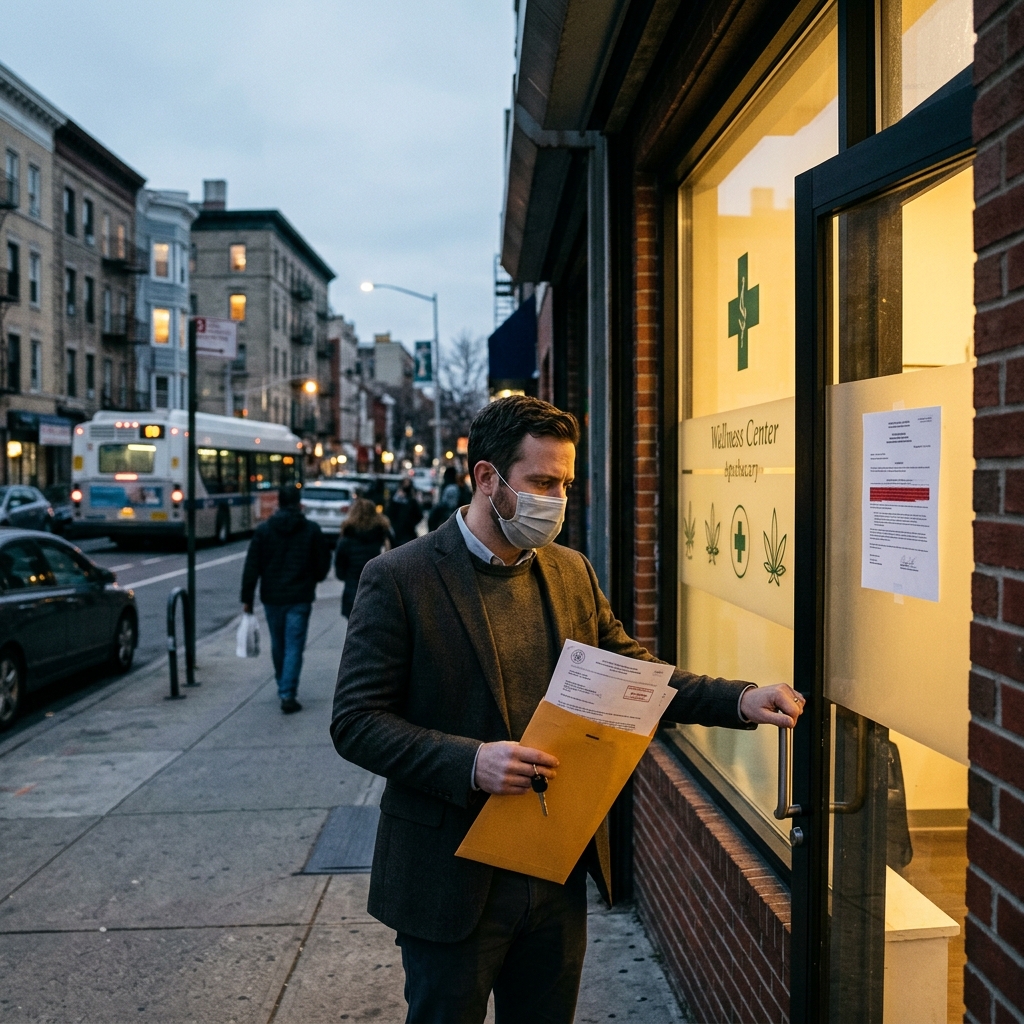
Medical marijuana dispensaries operate at the intersection of evolving state cannabis laws and long-standing federal drug prohibitions. That legal tension creates unique eviction risks for dispensary tenants and complex enforcement decisions for landlords. This article explains why dispensaries can be evicted, how those proceedings typically unfold, and what business owners and property owners can do to manage their legal exposure.
1. The Legal Landscape: Federal Prohibition vs. State Authorization
To understand eviction of medical marijuana dispensaries, it is essential to start with the conflicting legal frameworks that govern cannabis in the United States.
1.1 Federal Controlled Substances Act
Under the Controlled Substances Act (CSA), marijuana is classified as a Schedule I controlled substance, meaning federal law treats it as having a high potential for abuse and no accepted medical use. As a result:
- Manufacturing, distributing, or possessing marijuana is illegal under federal law, even when permitted by state law.
- Real property used to facilitate drug offenses can be subject to federal enforcement or forfeiture, which can worry landlords who lease to dispensaries.
- Businesses handling cannabis generally cannot access traditional federal benefits or protections, such as certain banking services backed by federal regulators.
1.2 State Medical Marijuana Programs
In contrast, many states have enacted comprehensive medical marijuana statutes that license dispensaries and protect qualified patients under state law. For example:
- New Jersey’s medical cannabis program is structured under the “Jake Honig Compassionate Use Medical Cannabis Act,” which authorizes regulated medical cannabis operations and establishes licensing requirements.
- New York’s medical cannabis program allows registered patients to purchase cannabis from state-licensed dispensaries and sets rules on possession and use.
These programs typically:
- Allow state agencies to issue dispensary licenses, monitor operations, and impose sanctions.
- Establish detailed rules on security, product tracking, and patient verification.
- Do not override federal law but create a state-level framework in which dispensaries can operate.
1.3 Federal–State Conflict and Property Use
Because federal law still prohibits marijuana, dispensaries and their landlords are constantly navigating dual legal regimes:
- Activities may be lawful under state cannabis statutes but unlawful under federal drug law.
- Landlords with federally backed financing or subsidies may face additional risk if they allow cannabis-related businesses to operate on their property.
- Local governments may use zoning, licensing, and nuisance laws to control where dispensaries can operate, which can lead directly to eviction actions when a site is deemed non-compliant.
2. Why Medical Marijuana Dispensaries Face Eviction
Eviction of a dispensary usually arises when the tenant’s conduct, or the status of the business, violates the terms of the lease, local laws, or both. Several recurring grounds appear in practice.
2.1 Violations of Zoning and Local Land Use Rules
Many jurisdictions carefully regulate where marijuana businesses may operate through zoning ordinances, buffer zones, and licensing rules. Common restrictions include:
- Distance requirements from schools, parks, and houses of worship.
- Limitations on operating in residential or mixed-use zones.
- Caps on the number of dispensaries permitted in a municipality.
If a dispensary opens or continues operating in a location that violates zoning or licensing requirements, local authorities can seek enforcement, which may involve compelling the landlord to initiate eviction proceedings. New York’s Real Property Actions and Proceedings Law (RPAPL), for instance, allows enforcement agencies or local governments to put landlords on notice to begin eviction against tenants engaged in unlawful cannabis sales, and to step in themselves if the landlord does not act.
2.2 Operating Without a License or Beyond License Terms
Even in states with medical marijuana programs, dispensaries must hold appropriate licenses and comply strictly with program rules. Eviction risks arise when a tenant:
- Operates without any state license.
- Holds a license for medical sales but engages in unlicensed recreational sales or other unauthorized activities.
- Violates license conditions, such as security requirements, recordkeeping, or sale limits.
In these circumstances, landlords may face enforcement pressure or financial penalties if they knowingly allow unlawful activity on the property. New York, for example, can impose substantial penalties on landlords who continue leasing to businesses habitually selling cannabis without a license.
2.3 Lease Violations and Default
Commercial leases frequently contain clauses that directly address cannabis-related activity. Typical provisions include:
- Use clause limiting the premises to lawful purposes under both federal and state law.
- Compliance clause requiring the tenant to follow all applicable laws, zoning rules, and licensing requirements.
- Nuisance clause prohibiting activity that disrupts other tenants or creates safety concerns.
If a dispensary’s operations breach any of these clauses—for instance, by engaging in federally illegal conduct or by causing excessive traffic or odors—the landlord may serve a notice of default and, if the breach is not cured, file an eviction case.
2.4 Risk to Federal Benefits or Financing
Some landlords rely on federal programs or financing, such as FHA-backed loans or federal subsidies. Because cannabis remains illegal under federal law, these landlords may be restricted from allowing cannabis-related businesses on the property. New York’s Office of Cannabis Management notes that landlords may only prohibit the use of medical cannabis if it would put them at risk of losing a federal benefit, highlighting the ongoing role federal programs play in shaping landlord decisions.
Where the presence of a dispensary could jeopardize federal benefits or lender relationships, landlords may pursue eviction to mitigate that risk.
3. How Eviction Proceedings Against Dispensaries Typically Work
While the specific process varies by state and locality, eviction of a medical marijuana dispensary usually follows a general pattern grounded in landlord–tenant law and local enforcement mechanisms.
3.1 Notice and Opportunity to Cure
In many commercial leases, landlords must provide written notice of default and an opportunity for the tenant to cure the violation, such as:
- Ceasing unlicensed activities.
- Obtaining proper licensing or permits.
- Implementing operational changes to address nuisances or safety concerns.
If the dispensary fails to cure within the specified time frame, the landlord’s right to terminate the lease and seek eviction is triggered under the contract.
3.2 Landlord-Initiated Eviction Actions
Once the lease is terminated, the landlord may file an eviction or unlawful detainer action in court. The landlord typically alleges:
- Lease default based on illegal use of premises or other specific violations.
- Non-compliance with zoning, licensing, or nuisance laws.
- Any damages or penalties the landlord has incurred due to the tenant’s conduct.
The dispensary can raise defenses, such as arguing that its operations comply with state medical marijuana law, that lease terms do not clearly prohibit cannabis activity, or that the landlord has waived enforcement by accepting rent with knowledge of the use.
3.3 Enforcement Agency-Driven Evictions
Some jurisdictions empower enforcement agencies or prosecutors to directly compel eviction when cannabis businesses operate illegally. Under New York’s RPAPL provisions, if a landlord fails to initiate eviction within a short period after receiving notice of illegal cannabis sales, local authorities can assume control of the process themselves and pursue removal of the tenant.
This model underscores how cannabis enforcement can bypass traditional landlord discretion and accelerate eviction for non-compliant dispensaries.
3.4 Ancillary Remedies: Padlocking and Sealing Premises
In addition to court-based eviction, authorities may use physical enforcement tools, such as padlocking or sealing premises that host unlawful cannabis operations. New York’s Office of Cannabis Management describes “Order to Seal” procedures where premises involved in illegal sales may be padlocked, and the landlord must demonstrate that the offending business has vacated or been evicted to remove the padlock.
These remedies increase pressure on both landlords and tenants to resolve violations quickly, as prolonged closure can devastate a dispensary’s business operations.
4. Key Factors Courts and Authorities Consider
When deciding whether eviction is appropriate, courts and enforcement agencies weigh several legal and practical factors.
| Factor | Typical Questions Considered |
|---|---|
| Licensing Status | Is the dispensary properly licensed under state medical cannabis law? Is it operating within the scope of its license? |
| Lease Language | Does the lease prohibit illegal activity, require federal law compliance, or address cannabis specifically? |
| Zoning & Local Compliance | Is the location approved for cannabis use under local ordinances? Are there documented violations? |
| Nuisance & Safety | Does the dispensary’s operation interfere with other tenants’ rights, create safety concerns, or attract illegal activity? |
| Landlord Knowledge & Conduct | Did the landlord knowingly allow the use? Has the landlord previously accepted rent despite alleged violations? |
| Impact on Federal Benefits | Could the landlord lose federal subsidies or financing because of the dispensary’s presence? |
5. Practical Strategies for Dispensaries to Reduce Eviction Risk
Medical marijuana dispensaries can take proactive steps to reduce the likelihood of eviction and demonstrate good-faith compliance.
5.1 Negotiate Clear, Cannabis-Specific Lease Terms
Before signing a lease, dispensary operators should seek legal advice and negotiate provisions that:
- Expressly permit state-licensed cannabis operations on the premises.
- Define “illegal activity” in a way that focuses on state law compliance rather than federal prohibition alone.
- Specify security, odor control, and traffic management measures to address neighbor concerns.
- Include cure periods and dispute resolution mechanisms for alleged violations.
5.2 Maintain Strict Compliance with State Laws and Regulations
Operating fully within state medical cannabis rules significantly strengthens a dispensary’s position if eviction is threatened. This includes:
- Holding all required state licenses and permits.
- Adhering to recordkeeping, security, and product tracking requirements.
- Limiting sales to registered patients where required by state law.
- Regularly monitoring regulatory changes and guidance from state cannabis agencies.
5.3 Collaborate with Landlords on Compliance Plans
Dispensaries should treat landlords as compliance partners. Useful steps include:
- Sharing proof of licensure and regulatory inspections.
- Developing written policies for handling complaints and addressing nuisances.
- Discussing potential impacts on financing or insurance and adjusting operations if necessary.
5.4 Consider Location Carefully
Site selection remains critical. Dispensaries should:
- Confirm zoning and local ordinance compatibility before signing a lease.
- Evaluate proximity to schools, parks, and sensitive uses that may trigger additional restrictions or opposition.
- Investigate whether the landlord holds federal-backed loans or subsidies that could complicate cannabis use on the property.
6. Landlord Considerations When Leasing to Dispensaries
Landlords evaluating a medical marijuana tenant must weigh legal risk, regulatory obligations, and commercial opportunities.
6.1 Assess Legal and Regulatory Exposure
Landlords should consult counsel to understand:
- State and local cannabis laws applicable to the property.
- Any lender or insurance restrictions on cannabis-related uses.
- Potential enforcement mechanisms, such as RPAPL procedures and administrative padlock orders.
6.2 Use Robust Lease Protections
To manage risk, landlords commonly:
- Require tenants to maintain all necessary licenses and comply with state cannabis laws.
- Reserve the right to terminate the lease if continued operation threatens financing or results in enforcement actions.
- Mandate enhanced security and operational standards.
- Require indemnification for fines or penalties arising from tenant violations.
6.3 Respond Promptly to Enforcement Notices
Where local authorities notify landlords of suspected illegal cannabis sales, prompt action is important. In jurisdictions like New York, landlords may face increased penalties if they fail to begin eviction proceedings in response to formal notice, or authorities may step in to enforce on their behalf.
7. Frequently Asked Questions (FAQs)
7.1 Can a medical marijuana dispensary be evicted even if it is licensed by the state?
Yes. A state license reduces risk but does not eliminate it. A dispensary can still be evicted if it violates lease terms, local zoning rules, or operates in a way that triggers enforcement, such as unlicensed sales or nuisance conditions. Federal illegality can also affect landlords’ willingness to continue the tenancy.
7.2 Do landlords always have to evict unlicensed cannabis businesses?
Not always, but some jurisdictions allow or require authorities to push landlords toward eviction. New York’s RPAPL provisions, for example, enable local governments or enforcement agencies to put landlords on notice to start eviction proceedings against tenants engaged in unlawful cannabis sales, and to step in if the landlord does not act.
7.3 Does federal law alone automatically void a lease with a dispensary?
Federal law does not automatically void leases, but it does create risk. Many landlords draft leases requiring compliance with federal law, which can be used to declare a default when a tenant engages in federally prohibited marijuana activity. Courts then decide on enforcement based on the specific lease language and circumstances.
7.4 Are medical cannabis patients in housing treated the same as dispensary tenants?
No. Individual medical cannabis patients in residential housing face their own set of rules, including federal restrictions in subsidized housing and varying state protections. Dispensaries, as commercial operations, are subject to different licensing, zoning, and lease regimes that more directly implicate business use of the property.
7.5 How can a dispensary reduce the risk of sudden closure or padlocking?
The best strategies include strict compliance with state law, transparent communication with landlords, and proactive engagement with regulators. In states like New York, landlords may need proof of vacancy or eviction to have padlocks removed after an “Order to Seal,” making coordinated action crucial.
References
- Controlled Substances Act — U.S. Drug Enforcement Administration. 2021-09-30. https://www.dea.gov/drug-information/csa
- Landlords – Office of Cannabis Management — New York State Office of Cannabis Management. 2024-01-15. https://cannabis.ny.gov/landlords
- Can I be evicted in Pennsylvania for using medical marijuana? — The Philadelphia Inquirer. 2021-02-08. https://www.inquirer.com/philly-tips/medical-marijuana-pennsylvania-tenant-rights-20210208.html
- Cannabis Related Laws — New Jersey Cannabis Regulatory Commission. 2023-06-01. https://www.nj.gov/cannabis/resources/cannabis-laws/
- Cannabis (Marijuana) — New York City Department of Health and Mental Hygiene. 2023-10-10. https://www.nyc.gov/site/doh/health/health-topics/marijuana.page
- New York Senate Approves Bill Protecting Medical Marijuana Patients from Eviction — New York State Senate. 2020-07-22. https://www.nysenate.gov/newsroom/in-the-news/2020/anna-m-kaplan/new-york-senate-approves-bill-protecting-medical-marijuana
Similar Articles








Read full bio of Sneha Tete


