
Essential Cycling Regulations for Safe Commuting
Master key bike laws and safety practices to commute confidently and avoid common pitfalls on Bike to Work Day.
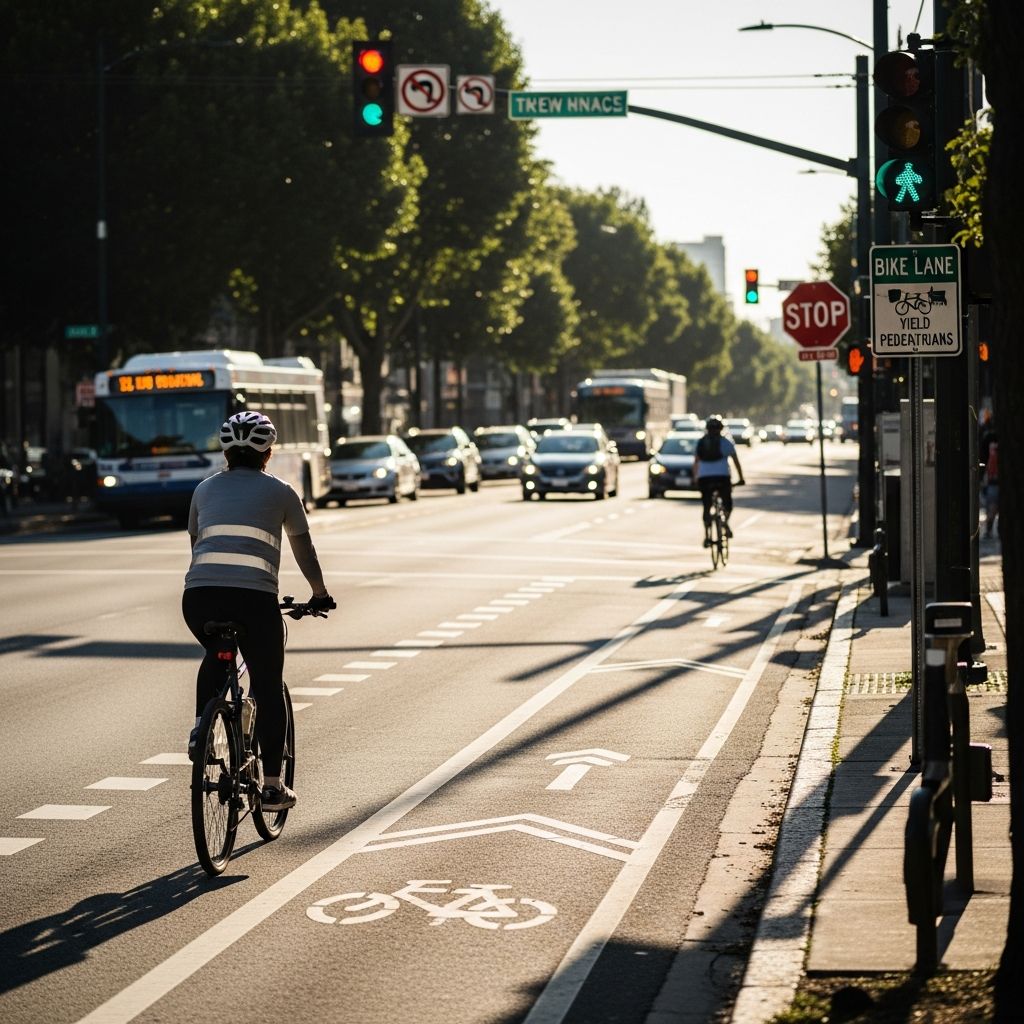
Bicycling offers an eco-friendly, health-boosting way to travel, especially for work commutes. As cities promote alternatives to driving, knowing local cycling rules becomes crucial for safety and legality. This guide explores core regulations, practical advice, and preparation strategies, drawing from established vehicle codes and safety recommendations to help riders navigate roads confidently.
Understanding Cyclists’ Legal Status on Roads
In most US states, including California, bicycles qualify as vehicles under traffic law. This grants cyclists full road rights but also imposes matching responsibilities. Riders must adhere to signals, signs, and speed limits like motorists, promoting equitable road sharing.
This equivalence reduces confusion: cyclists can claim lanes when needed and expect deference from faster vehicles. However, it demands vigilance—ignoring a stop sign could lead to tickets or collisions. Courts often uphold this status in accident disputes, protecting informed riders.
Core Traffic Rules Every Cyclist Must Follow
- Direction of Travel: Always ride with traffic flow on the right side. Counterflow riding triples crash risks and violates codes like California’s CVC §21650.
- Bike Lane Usage: Enter designated lanes unless turning left, overtaking, or dodging obstacles. This keeps paths clear and predictable.
- Hand Signals: Signal turns and stops: left arm straight for left, right arm bent upward for right, or palm down for slowing. These mirror car signals for mutual understanding.
- Pedestrian and Bus Priority: Yield to crosswalk users and halt for school buses with active red lights, preventing pedestrian incidents.
These basics form the foundation of defensive cycling. Local variations exist—check city ordinances for sidewalks or paths.
Equipment Mandates for Day and Night Riding
Proper gear enhances visibility and protection. California mandates helmets for under-18s, slashing head injury odds by up to 85% per studies. Adults benefit similarly, though not required everywhere.
| Time of Day | Required Equipment | Visibility Distance |
|---|---|---|
| Dusk/Dawn/Night | White front light, red rear light/reflector, wheel/pedal reflectors | 300 feet front, 500 feet rear |
| Daytime | Helmet (under 18), audible bell/horn | N/A |
Night setups cut fatality risks dramatically. Add rearview mirrors and bright clothing for 360-degree awareness. Secure U-locks deter theft during work stops.
Prohibited Practices That Jeopardize Safety
Certain habits invite danger and penalties:
- Audio Distractions: No both-ear headphones; stay alert to horns and sirens (CVC rule).
- Impaired Riding: Alcohol or drugs impair judgment, leading to DUI citations for cyclists.
- Sidewalk Restrictions: Banned in many areas for adults; speeds endanger walkers.
- Door Zones: Maintain 3-foot buffer from parked cars to evade sudden opens.
Avoiding these upholds your vehicle status and minimizes liability in mishaps.
Planning Your Bike Commute Route Effectively
Scout paths beforehand. Test on off-days with full work load—backpack, clothes, lunch—to gauge feasibility. Favor low-traffic roads, bike paths, or transit links for longer trips.
Benefits abound: burn calories (300-500/hour), slash fuel costs ($0.50/mile saved), and lower emissions. Short trips under 5 miles suit beginners perfectly.
Gearing Up: Essential Tools for Daily Rides
Start with a fitted bike, certified helmet, gloves, and puncture kit. Hydration holders and rain gear extend usability year-round. Employers often provide racks/lockers—confirm access early.
Buddy up with colleagues for group rides, sharing route intel and motivation. Apps map safe paths, avoiding steep grades or blind curves.
Bike to Work Day: Nationwide Celebration and Prep
Mark May’s third Friday as Bike to Work Day (May 15, 2026), amid Bike Month festivities. Events offer free tune-ups, breakfasts, and pledges for safer streets.
This observance spotlights commuting’s perks: fitness, savings, reduced traffic. In 2025, it fell on May 16; patterns hold annually. Pledge participation boosts community momentum.
Health and Environmental Wins from Cycling
Regular rides strengthen hearts, joints, and moods via low-impact cardio. Environmentally, swapping cars for bikes curbs CO2 by thousands of pounds yearly per rider.
Financially, minimal upkeep (vs. gas/maintenance) and incentives like tax rebates amplify appeal. Communities gain less congestion, cleaner air.
Handling Common Road Challenges
Left Turns: Signal early, merge left, or dismount as pedestrian in heavy flow.
Intersections: Eye contact with drivers; position assertively.
Hills: Gear down, stay centered; walk if needed.
Post-ride, shower facilities or change clothes keep professionalism intact.
Frequently Asked Questions (FAQs)
Are e-bikes subject to the same rules?
Yes, most states treat Class 1-3 e-bikes like pedals unless signed otherwise; check power limits.
Do adults need helmets everywhere?
Not federally mandated, but California requires for minors; strongly advised for all to mitigate trauma.
Can I ride on highways?
No, where shoulders lack or signs prohibit; stick to bike-friendly roads.
What if hit by a car?
Your vehicle rights aid claims; document via police, witnesses; consult attorneys.
How to park securely at work?
Use employer racks, multiple locks, or indoor spots; alert staff to watch.
Advancing Safe Cycling Infrastructure
Push for better lanes, signals, education. Groups like League of Cyclists host workshops. Informed riders foster respect, cutting incidents 20-30% per studies.
Ultimately, compliance blends freedom with responsibility. Gear up, know rules, ride smart—transform commutes into triumphs.
References
- Bike Laws That Protect Cyclists in California — Wilshire Law Firm. 2023. https://wilshirelawfirm.com/blog/12-most-important-bike-laws-in-california/
- National Bike to Work Day — National Day Calendar. 2024-05-17. https://www.nationaldaycalendar.com/national-day/national-bike-to-work-day-third-friday-in-may
- Bike to Work Tips — City of Santa Rosa. 2024. https://www.srcity.org/2712/Bike-to-Work-Tips
- Bike to Work — 511.org. 2024. https://511.org/biking/commute-to-work
- Bike to Work Day — Metropolitan Transportation Commission. 2026-05-14. https://mtc.ca.gov/planning/transportation/bicycle-pedestrian-micromobility/bike-work-day
- Bike Month Dates and Events — League of American Bicyclists. 2025. https://bikeleague.org/events/bike-month/dates-events/
- California Bicycle Laws — California Bike Coalition. 2024. https://www.calbike.org/go_for_a_ride/california_bicycle_laws/
Similar Articles








Read full bio of Sneha Tete




