
Employment Fraud Under U.S. Immigration Laws
How deceptive employment practices intersect with U.S. immigration rules, enforcement risks, and legal protections for both workers and employers.
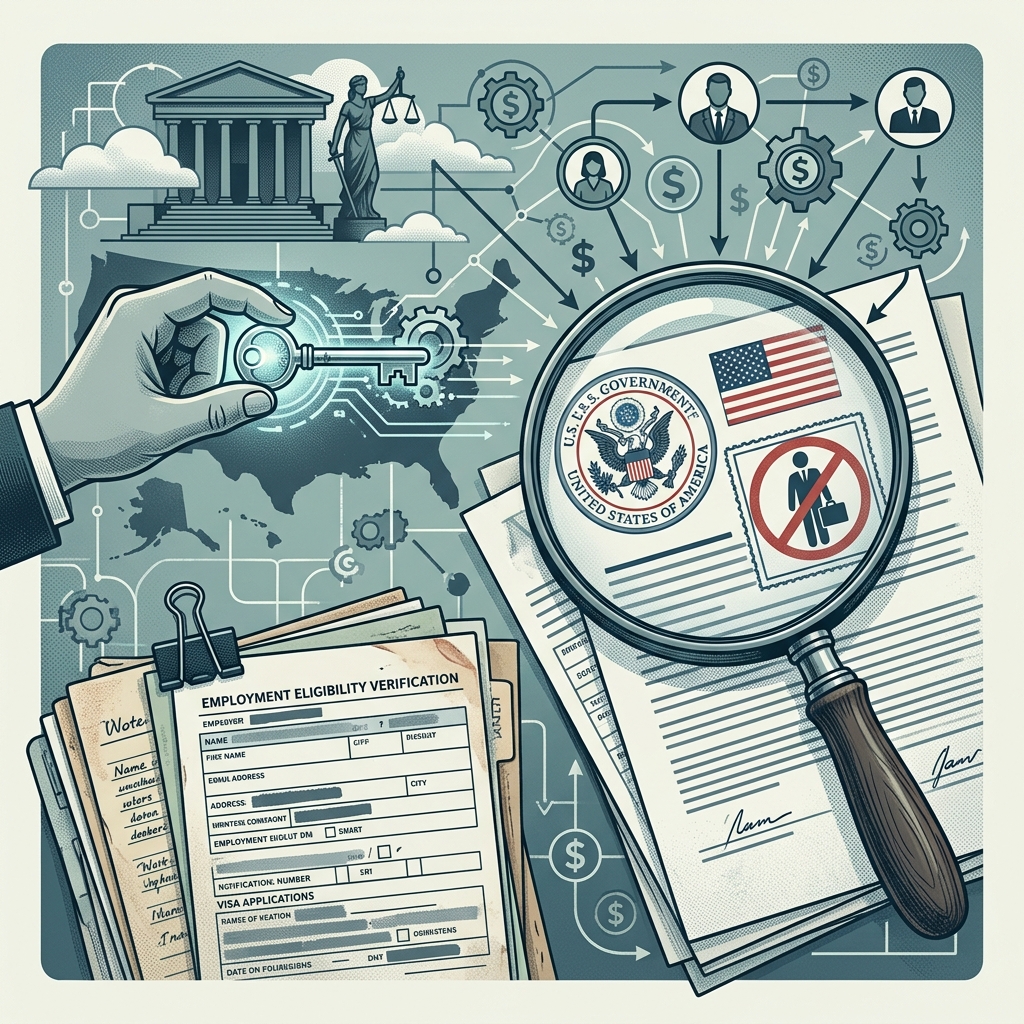
Employment fraud in the immigration context involves deceptive conduct by employers, employees, or third parties to obtain jobs, visas, or other immigration benefits that would not be available if the truth were known. It sits at the intersection of labor regulation, immigration enforcement, and criminal law, and can lead to severe consequences for everyone involved.
This article explains how employment-related fraud is defined under U.S. immigration law, common schemes that arise in the workplace, the legal penalties for employers and foreign workers, and practical compliance measures to reduce risk.
1. What Is Employment Fraud in Immigration Law?
In U.S. immigration law, fraud generally means knowingly making a false representation of a material fact with the intent to deceive a government official to obtain an immigration benefit. Willful misrepresentation is similar but does not necessarily require proof of intent to deceive, only that the person knowingly misrepresented a material fact.
| Concept | Key Elements | Typical Outcome |
|---|---|---|
| Fraud | – False representation of a material fact – Made knowingly – Intent to deceive a U.S. government official – Used to obtain an immigration benefit | Inadmissibility, removal, possible criminal charges |
| Willful misrepresentation | – False representation of a material fact – Representation is willingly made – Directed to a U.S. immigration or consular officer | Inadmissibility and immigration consequences, even without separate criminal conviction |
When these concepts are tied to employment, immigration authorities examine whether false information about job duties, wages, employer identity, or worker qualifications was used to obtain or maintain a visa, lawful permanent residence, or work authorization.
2. How Employment Fraud Typically Appears in the Workplace
Fraud can originate on either side of the employment relationship. Both employers and foreign workers have incentives that may lead to deceptive practices when the rules are misunderstood or intentionally ignored.
2.1 Employer-Driven Schemes
Employers may commit immigration-related employment fraud when they manipulate job offers or documentation to obtain foreign labor or bypass legal hiring restrictions.
- Falsified job offers: Creating positions on paper that do not truly exist to sponsor a worker for a visa or green card, or inflating job titles to qualify for a specialty occupation category.
- Misrepresentation of wages or conditions: Promising a certain salary or work location in immigration filings while paying less, requiring unpaid overtime, or placing the worker in a different role after arrival.
- Knowingly hiring unauthorized workers: Employing individuals who lack valid work authorization or continuing to employ them after learning of their ineligibility, in violation of federal law.
- Manipulating I-9 documentation: Accepting clearly fraudulent identity or work authorization documents, coaching employees to present falsified papers, or making false attestations on Form I‑9.
- Abusing visa programs: Using the H‑1B or other employment-based programs primarily to reduce labor costs, while misrepresenting the nature of the job to immigration agencies.
2.2 Worker-Driven Schemes
Foreign workers may also engage in fraud or misrepresentation to secure employment or legal status they could not otherwise obtain.
- False qualifications: Fabricating degrees, licenses, or work histories to meet visa requirements for specialized or professional roles.
- Identity fraud: Using another person’s Social Security number or immigration documents to pass employment eligibility checks, sometimes enabled by broader identity theft.
- Misrepresentation of immigration status: Falsely claiming to be a lawful permanent resident or authorized worker on employment forms or to government officials.
- Fraudulent marriage or family ties: Although not strictly employment fraud, sham family relationships may be used in combination with employment sponsorship to obtain benefits.
- Conspiracy with third parties: Working with document vendors, unlicensed “immigration consultants,” or corrupt actors to prepare fraudulent filings or secure bogus job offers.
3. Legal Framework: How U.S. Authorities Address Employment Fraud
Several federal statutes and regulations govern employment-based immigration fraud, combining immigration, criminal, and employment law mechanisms.
3.1 Immigration and Nationality Act (INA)
Under the Immigration and Nationality Act, a noncitizen is inadmissible if they obtain or attempt to obtain an immigration benefit through fraud or willful misrepresentation of a material fact. This applies to visas, admission at the border, adjustment of status, and other immigration benefits.
For a finding of inadmissibility based on fraud or misrepresentation, officers must determine that:
- The person procured or sought to procure an immigration benefit.
- A false representation was made.
- The false representation was willful.
- The misstatement was material—that is, relevant to the decision at issue.
- The statement was made to a U.S. immigration or consular officer.
3.2 Employment Eligibility Verification and IRCA
The Immigration Reform and Control Act (IRCA) requires employers to verify the identity and work authorization of every new hire using Form I‑9. Employers must examine acceptable documents and attest that they appear genuine and relate to the person presenting them.
IRCA makes it unlawful to:
- Knowingly hire or continue to employ unauthorized workers.
- Make false statements or attestations in the I‑9 process.
- Use fraudulent or borrowed identity documents to satisfy employment eligibility verification.
Violations can trigger civil fines, criminal prosecution, and bar employers from certain federal programs.
3.3 Criminal Enforcement
Immigration-related employment fraud often overlaps with federal crimes such as document fraud, identity theft, mail or wire fraud, and conspiracy. Immigration fraud is treated as a serious offense and can result in imprisonment, especially for large-scale or organized schemes.
4. Consequences for Employers Involved in Employment Fraud
Employers face a spectrum of sanctions when immigration authorities or courts find that they engaged in a pattern or practice of fraudulent hiring or misrepresentation.
4.1 Civil Penalties and Fines
Under federal rules, employers who knowingly hire or continue to employ unauthorized workers can be fined at increasing levels depending on the number of violations and whether there is a pattern or practice.
- Per‑violation fines: Monetary penalties may be imposed for each unauthorized hire, for each instance of paperwork fraud, or for each violation of program rules.
- Program-specific fines: Misuse of visa programs such as H‑1B can carry additional civil penalties and potential debarment from sponsoring foreign workers.
- Enhanced penalties for patterns or practices: A sustained pattern of unlawful hiring can lead to significantly higher fines and broader enforcement actions.
4.2 Criminal Liability
In more serious cases, employers can face criminal prosecution. Federal authorities may pursue charges if there is evidence of systematic deception, document fraud, or conspiracy with others to circumvent immigration laws.
- False statements and document fraud: Making false attestations in the I‑9 process, using forged immigration documents, or knowingly relying on stolen identities can lead to criminal penalties, including up to several years in prison.
- Organized schemes: Coordinated efforts to bring in large numbers of unauthorized workers or to manipulate visa programs can lead to more severe charges, including longer prison terms and substantial fines.
4.3 Business and Reputational Impact
Beyond direct legal sanctions, employment fraud can have lasting consequences for a company’s operations and reputation.
- Loss of access to foreign talent: Employers found to have abused visa programs may be barred from future participation, limiting access to specialized workers.
- Contract and licensing consequences: Government contractors or regulated businesses may lose licenses or contracts after fraud findings.
- Damage to brand and trust: Public investigations into exploitation or fraud can harm employer branding and make it harder to recruit and retain staff.
5. Consequences for Foreign Workers Engaged in Fraud
Foreign workers who obtain employment or immigration benefits through fraud face serious immigration and potential criminal consequences.
5.1 Inadmissibility and Loss of Status
When fraud or willful misrepresentation is found, noncitizens can be deemed inadmissible under the INA. This status can prevent them from obtaining visas, entering the United States, or adjusting to permanent residence.
- Revocation of visas or green cards: If a visa or permanent residence is based on a fraudulent employment relationship, authorities may revoke those benefits once the fraud is discovered.
- Inability to adjust status: A finding of fraud can block future attempts to become a lawful permanent resident absent a waiver.
5.2 Deportation and Bars on Reentry
Immigration fraud frequently leads to removal from the United States. After deportation for fraud, individuals may face long-term or permanent bars on reentry.
- Deportation or removal: Discovery of fraudulent employment claims, fake documents, or misrepresentation to officers can trigger removal proceedings.
- Barred from returning: Depending on the severity of the violation and prior history, a person may be barred from seeking lawful reentry for years or even permanently.
- Damaged immigration record: Fraud remains on the individual’s record and can obstruct future applications for visas, waivers, or citizenship.
5.3 Criminal Exposure
Workers who knowingly engage in document fraud, identity theft, or bribery may be prosecuted under federal or state criminal laws.
- Document-related charges: Using forged immigration or identity papers, or someone else’s lawful documents, can result in imprisonment.
- Identity theft: Using another person’s identity to obtain employment can lead to separate charges, victim restitution, and incarceration.
- Conspiracy and bribery: Participating in schemes with corrupt employers or facilitators may lead to additional conspiracy or bribery charges.
6. Compliance and Prevention Strategies for Employers
Because employment fraud risk is substantial, employers should adopt robust compliance programs focused on lawful hiring practices and protection of worker rights.
6.1 Strengthening Hiring and Verification Processes
- Strict Form I‑9 compliance: Ensure that every new hire completes Form I‑9 and that documents presented are reviewed carefully for apparent authenticity.
- Use of E‑Verify where appropriate: Consider using E‑Verify to compare new hire information against government records for additional assurance.
- Non-discriminatory verification: Apply verification procedures uniformly and avoid targeting individuals based on national origin, ethnicity, or perceived immigration status.
6.2 Training and Internal Controls
- Regular HR training: Train HR and hiring managers in I‑9 rules, document recognition basics, and how to spot red flags without engaging in unlawful discrimination.
- Written policies: Implement clear written policies on employment eligibility verification, data privacy, and reporting suspected fraud internally.
- Confidential reporting channels: Establish anonymous or confidential mechanisms for employees to report suspected identity or immigration fraud without fear of retaliation.
6.3 Protecting Employee Information
Employment fraud frequently intersects with identity theft. Protecting employee data reduces the risk that personal information will be misused within or outside the organization.
- Secure data storage: Limit access to Social Security numbers and immigration records to staff with a legitimate need.
- Data security protocols: Use appropriate digital and physical safeguards to prevent unauthorized access, disclosure, or theft.
- Safe disposal of records: Destroy documents containing sensitive information securely when they are no longer needed.
6.4 Seeking Professional Legal Guidance
Complex immigration rules and evolving enforcement priorities mean employers benefit from specialized legal advice.
- Consult immigration and labor counsel: Work with attorneys experienced in immigration and employment law to review hiring practices and visa sponsorship obligations.
- Periodic compliance audits: Conduct internal or third‑party audits of I‑9 files, sponsorship programs, and policies to identify and correct weaknesses.
7. Protecting Workers from Immigration-Related Fraud
Workers—especially immigrants—also need protection from fraudulent actors who exploit their desire for lawful status or employment.
7.1 Avoiding Unauthorized “Immigration Consultants”
Noncitizens are frequently targeted by individuals who pose as experts but are not authorized to provide legal services.
- Use licensed attorneys or accredited representatives: Only U.S.-licensed attorneys and Department of Justice–accredited representatives are authorized to provide immigration legal advice.
- Be wary of notaries: Notaries or foreign‑licensed attorneys who are not licensed in the United States cannot act as immigration lawyers.
- Verify credentials: Confirm an attorney’s bar membership and standing before relying on legal advice.
7.2 Safe Practices When Filing Immigration Forms
- Never sign forms with false information: Workers should review applications line by line and refuse to sign if any statement is inaccurate or misleading.
- Do not sign blank documents: Blank or incomplete forms may be filled in later with fraudulent information, exposing the signer to liability.
- Keep copies: Retain copies of all submissions and supporting documents for personal records.
7.3 Reporting Suspected Immigration Fraud
When workers suspect that they or others are being targeted by immigration-related fraud, they can report concerns to appropriate authorities.
- USCIS Tip Form: Individuals may use official tip forms to report suspected immigration benefit fraud or abuse to federal authorities.
- State and local consumer protection agencies: Some states encourage reporting of immigration service scams to attorneys general or consumer fraud bureaus.
- Consult legal assistance: Before reporting, workers may wish to speak with an independent immigration attorney or advocacy organization to understand potential implications.
8. FAQs: Employment Fraud and Immigration Laws
Q1: Is an honest mistake on an immigration form considered fraud?
Fraud and willful misrepresentation require that the false statement be made knowingly and, in the case of fraud, with intent to deceive. A genuine, promptly corrected error is generally not treated as fraud, but repeated or reckless mistakes can still cause problems, so careful review is essential.
Q2: Can an employer be liable if a worker presents fake documents without the employer’s knowledge?
Employers are required to make a good‑faith review of documents to ensure they appear genuine and relate to the person presenting them. If an employer follows I‑9 rules reasonably and does not knowingly accept forged papers, liability is reduced; however, ignoring clear signs of fraud can lead to enforcement action.
Q3: What happens if immigration fraud is discovered years after a green card was granted?
If authorities determine that permanent residence was obtained through fraud or willful misrepresentation, they can initiate proceedings to revoke status and potentially remove the individual from the United States, even if years have passed.
Q4: Are employers allowed to reverify immigration status based on rumors or complaints?
Employers must avoid discriminatory practices and may not selectively target employees for reverification based on national origin or other protected characteristics. Reverification should follow legal guidelines and be triggered by objective information, such as expiring authorization documents, rather than speculation.
Q5: How can workers confirm that their job offer is legitimate for immigration purposes?
Workers should request written terms of employment, verify the employer’s business registration, and consult a qualified immigration attorney to confirm that the proposed position meets relevant visa or sponsorship requirements.
References
- Handbook for Employers (M-274): Unlawful Discrimination and Penalties for Prohibited Practices — U.S. Citizenship and Immigration Services. 2023-02-15. https://www.uscis.gov/i-9-central/form-i-9-resources/handbook-for-employers-m-274/110-unlawful-discrimination-and-penalties-for-prohibited-practices/118-penalties-for-prohibited-practices
- Employment Fraud and Immigration Laws — LegalMatch Law Library. 2024-06-10. https://www.legalmatch.com/law-library/article/employment-fraud-and-immigration-laws.html
- What are the Potential Consequences of Immigration Fraud? — Ahlgren Law Office. 2025-05-01. https://www.ahlgrenlaw.com/2025/05/what-are-the-potential-consequences-of-immigration-fraud/
- USCIS Policy Manual, Volume 8, Part J, Chapter 2: Overview of Fraud and Willful Misrepresentation — U.S. Citizenship and Immigration Services. 2023-01-30. https://www.uscis.gov/policy-manual/volume-8-part-j-chapter-2
- Identity Theft and the Climate of Immigration: Helping Protect Your Workforce — Equifax Workforce Solutions Blog. 2023-07-12. https://workforce.equifax.com/all-blogs/-/post/identity-theft-and-the-climate-of-immigration-helping-protect-your-workforce
- Know Your Rights: Avoid Immigration Fraud — National Immigrant Justice Center. 2022-11-01. https://immigrantjustice.org/for-immigrants/know-your-rights/avoid-immigration-fraud/
- USCIS Tip Form — U.S. Citizenship and Immigration Services. 2023-09-05. https://www.uscis.gov/report-fraud/uscis-tip-form
Similar Articles








Read full bio of Sneha Tete




