
Institutional Betrayal: Confronting Foster Care Negligence
Uncovering systemic negligence and the need for foster care legal reform.
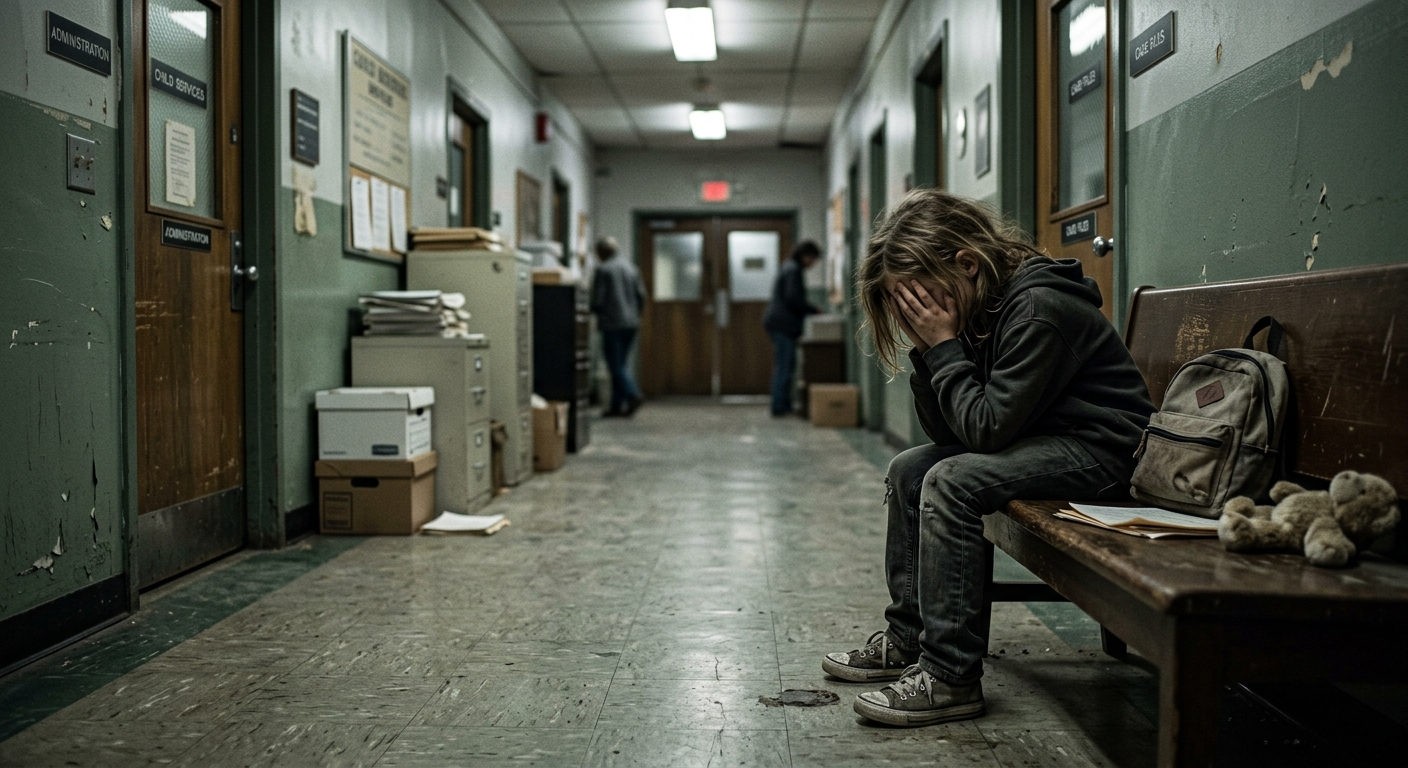
When a child is removed from a dangerous home environment by the state, an implicit social and legal contract is forged. The state assumes the ultimate duty of care, promising safety, stability, and rehabilitation. Yet, for thousands of youth, entering the child welfare system does not mark the end of their trauma; it merely shifts the venue. With approximately 400,000 children navigating the U.S. foster care system at any given time, the margin for systemic error is perilously thin. Unfortunately, systemic negligence often heaps additional burdens onto already vulnerable children, transforming a protective intervention into an entirely new source of abuse and instability.
The core philosophy of child welfare is rooted in the principle of “do no harm.” However, overburdened caseworkers, chronic underfunding, and institutional blind spots contribute to a tragic reality: children are sometimes placed into foster homes that are just as dangerous—if not more so—than the environments they were removed from. The tragic irony of the state becoming the orchestrator of a child’s suffering is a profound breach of trust that demands rigorous legal scrutiny and comprehensive policy reform. This article examines the systemic failures that allow abuse to thrive within foster care, the devastating impact of placement instability, and the legal battles necessary to demand accountability from state agencies.
The Fundamental Breach of Trust: When Protectors Become Perpetrators
The primary mandate of any child protective services agency is to provide a safe haven for youth who have experienced severe neglect or physical and emotional abuse. To execute this mandate, agencies rely on a sprawling network of foster parents, group homes, and institutional facilities. While many foster parents are dedicated individuals providing loving homes, the severe shortage of available placements often forces agencies into compromising positions. Desperation for open beds can lead to rushed licensing procedures, inadequate background checks, and a dangerous lowering of standards.
When a foster child experiences maltreatment inside the system, the psychological impact is catastrophic. These children have already been taught by their biological caregivers that the world is unsafe and unpredictable. When the very system designed to rescue them subjects them to further abuse, it permanently shatters their capacity to trust authority figures. The betrayal is absolute. They are left isolated in a bureaucratic maze, often feeling that their suffering is invisible to the caseworkers, judges, and advocates tasked with their protection.
The Compounding Trauma of Placement Instability
The hidden epidemic within the child welfare system is the constant shuttling of children from one home to another. This phenomenon, known as placement instability, is incredibly common and devastatingly harmful. Research demonstrates that a significant proportion of children who remain in care experience multiple moves, with nearly 40 percent of children in some state systems having unstable placement histories.
Each move represents a severed attachment. Every time a child’s belongings are packed into a trash bag—a tragic but common reality in foster care—they lose their school, their friends, their therapists, and any semblance of normalcy. This continuous uprooting compounds the trauma of their initial family separation. Instead of finding a stable environment to heal from abuse, the child is subjected to an ongoing state of hyper-vigilance and survival mode. Over time, the state effectively heaps trauma upon trauma, severely hindering the child’s emotional and cognitive development.
Recognizing the Widespread Impacts of Multiple Placements
The consequences of bouncing between foster homes extend far beyond immediate emotional distress. The chronic stress associated with instability infiltrates every aspect of a child’s life, creating barriers that persist well into adulthood.
| Domain of Impact | Systemic Consequence of Placement Instability |
| Educational Attainment | High dropout rates, loss of earned academic credits, chronic absenteeism, and delayed graduation due to changing school districts. |
| Emotional & Psychological | Severe attachment disorders, complex PTSD, inability to form trusting relationships, and chronic anxiety. |
| Behavioral Health | Increased likelihood of externalizing behaviors, juvenile delinquency, and substance abuse as coping mechanisms. |
| Medical Continuity | Fragmented healthcare records, inconsistent medication management, and repeated disruptions in critical mental health therapies. |
Systemic Blind Spots: Why Abusive Homes Evade Detection
A critical question arises when a child is abused in state care: How did the system fail to notice? The answer lies in structural blind spots inherent to modern child welfare bureaucracies. High caseworker turnover is one of the most pressing issues. When caseworkers are overwhelmed with unmanageable caseloads, they cannot conduct thorough, unannounced visits. Their interactions with the children are often brief, superficial, and conducted in the presence of the foster parents, making it practically impossible for a terrified child to disclose abuse safely.
Furthermore, there is a pervasive cultural bias within some agencies that discounts the credibility of foster children. Because many youth in the system exhibit trauma-induced behavioral issues, their complaints about foster parents are frequently mischaracterized. A child acting out or explicitly stating they are being harmed may be written off as “manipulative” or “adjusting poorly,” rather than being treated as a victim in need of immediate intervention. This institutional deafness silences victims and empowers abusers, allowing dangerous environments to remain licensed and active for years.
Critical Failures in the Evaluation Process
- Inadequate Initial Screening: Relying solely on criminal background checks while failing to evaluate a prospective foster parent’s psychological readiness or history of domestic volatility.
- Lack of Ongoing Monitoring: Treating the licensing process as a one-time hurdle rather than requiring continuous, rigorous evaluations of the home environment.
- Dismissal of Prior Red Flags: Ignoring minor complaints or “unsubstantiated” reports from previous foster children placed in the same home, thereby missing patterns of predatory or neglectful behavior.
- Siloed Information Systems: Failure of different county or state agencies to share data effectively, allowing foster parents who lost licenses in one jurisdiction to reapply in another.
The Uphill Battle for Legal Accountability
When the child welfare system fails profoundly, the judicial system is often the only remaining avenue for justice and reform. However, holding state agencies and their employees legally accountable for negligence is an arduous uphill battle. Litigation, while a powerful tool for exposing systemic failures and driving measurable reform, is time-consuming and reflects deeper weaknesses in routine federal and state oversight.
Plaintiffs often rely on civil rights claims, such as those brought under 42 U.S.C. § 1983, arguing that the state violated the child’s Fourteenth Amendment substantive due process rights. Once a state removes a child from their parents, it establishes a “special relationship” and assumes an affirmative duty to protect that child from harm. If an agency demonstrates “deliberate indifference” by placing a child in a known dangerous environment or ignoring blatant signs of abuse, they can be held liable.
Yet, these lawsuits are met with formidable defenses. State workers often invoke the doctrine of qualified immunity, which shields government officials from liability unless they violated clearly established statutory or constitutional rights. Additionally, state agencies point to chronic underfunding and legislative neglect as the root causes of their failures, arguing that it is impossible to meet ideal standards with severely limited resources. Despite these hurdles, high-profile lawsuits have been instrumental in forcing states into federal consent decrees, mandating strict caseload caps and improved safety protocols.
A Strategic Blueprint for Child Welfare Reform
Fixing a broken child welfare system requires a fundamental paradigm shift. Agencies must transition from a reactive posture—scrambling to find open beds during emergencies—to a proactive, well-resourced framework that prioritizes child safety and family preservation above all else. Comprehensive reform must tackle both the funding mechanisms and the operational protocols of state agencies.
- Enforce Strict Caseload Limits: Caseworkers cannot protect children they do not have time to see. Mandating and funding strict limits on the number of children assigned to a single worker is the most direct way to ensure meaningful oversight and relationship-building.
- Overhaul Foster Parent Vetting and Support: Background checks must be exhaustive, and continuous mental health support and training must be provided to foster parents to equip them to handle complex trauma without resorting to punitive measures.
- Establish Independent Oversight: Child welfare agencies cannot effectively police themselves. States must create fully independent ombudsman offices with the unencumbered authority to investigate complaints from foster youth, intervene in dangerous placements, and publish unvarnished reports on agency performance.
- Invest in Preventative Economic Policies: The most effective way to protect children is to safely reduce the number of youth entering the system. Research indicates that socio-economic interventions, such as refundable Earned Income Tax Credits, are associated with significant decreases in foster care entries by helping families avoid the poverty-induced crises often mistaken for neglect.
Conclusion: Breaking the Cycle of Institutional Harm
The sentiment that agencies simply heap trauma onto vulnerable children is a devastating indictment of a system that has lost its way. When the state takes custody of a child, it promises a sanctuary. Failing to deliver on that promise—and instead exposing the child to further abuse and relentless instability—is a profound moral and legal failure. We cannot continue to treat children as inventory in a bureaucratic warehouse. Meaningful reform demands rigorous legal accountability, fully funded protective agencies, and an unwavering commitment to the safety and dignity of every youth in care. Only by acknowledging these deeply ingrained systemic blind spots can society begin to transform the foster care system from a source of compounded trauma into a genuine pathway for healing.
Frequently Asked Questions
What is placement instability in the context of foster care?
Placement instability refers to the frequent and disruptive moving of a child from one foster home, group home, or institutional setting to another. Generally, experiencing three or more moves within a short period is classified as high instability. This constant uprooting prevents children from forming secure attachments and severely disrupts their educational and psychological development.
How many children are currently in the U.S. foster care system?
At any given time, there are approximately 400,000 children and youth navigating the foster care system in the United States. Each year, tens of thousands of these young people age out of the system without ever finding a permanent, legally recognized family, leaving them highly vulnerable to homelessness and poverty.
Why is it so difficult to sue a state child welfare agency for negligence?
Filing a successful lawsuit against a state agency involves overcoming significant legal doctrines, most notably qualified immunity. This doctrine often protects government employees from personal liability as long as their actions did not violate clearly established rights. Agencies also frequently cite overwhelming caseloads and severe budget deficits as defenses against claims of deliberate indifference.
How does the federal government monitor state foster care systems?
The federal government utilizes several oversight mechanisms, primarily the Child and Family Services Reviews (CFSRs) conducted by the Department of Health and Human Services. These reviews assess state performance on critical child safety and permanency outcomes. Historically, these reviews have revealed deep systemic flaws, with very few states achieving substantial conformity with federal safety standards.
References
- Students in Foster Care — U.S. Department of Education. 2023-11-01. https://www2.ed.gov/about/inits/ed/foster-care/index.html
- Multiple Placements in Foster Care: Literature Review of Correlates and Predictors — Children and Family Research Center, University of Illinois. 2003-01-01. https://cfrc.illinois.edu/pubs/rp_20030201_MultiplePlacementsInFosterCareLiteratureReviewOfCorrelatesAndPredictors.pdf
- Reducing the Number of Children Entering Foster Care: Effects of State Earned Income Tax Credits — Centers for Disease Control and Prevention (CDC). 2023-05-15. https://stacks.cdc.gov/view/cdc/114810
- Oversight and Accountability in Child Welfare Systems — Bipartisan Policy Center. 2026-03-20. https://bipartisanpolicy.org/report/oversight-and-accountability-in-child-welfare-systems/
Similar Articles








Read full bio of medha deb


