
Building a Strong Landlord–Tenant Dispute Case
Learn how landlords and tenants can gather evidence, apply housing laws, and present a clear, persuasive case when rental conflicts turn into legal disputes.
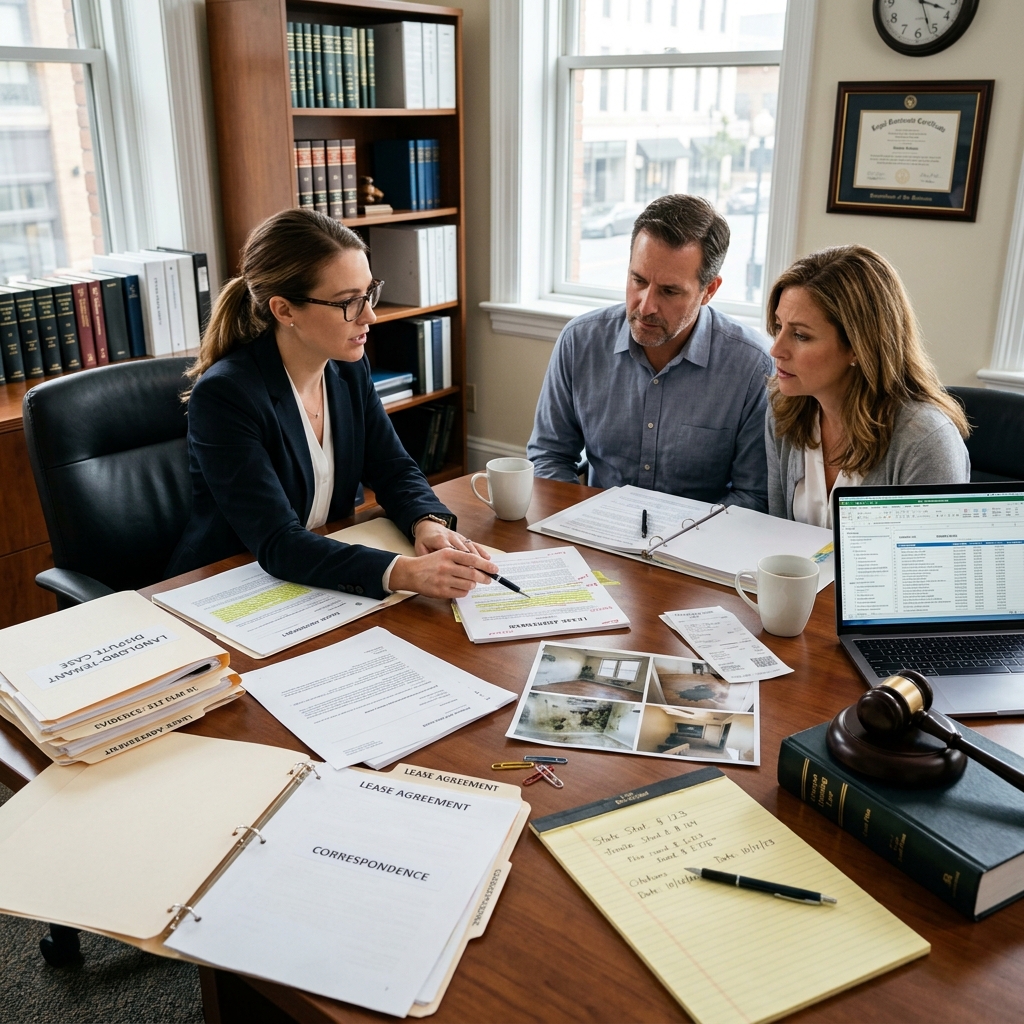
Disputes between landlords and tenants are common in rental housing, but not every disagreement becomes a strong legal case. A persuasive landlord–tenant dispute case rests on solid documentation, a clear understanding of housing laws, and a careful record of how each party behaved before, during, and after the conflict. This guide explains how both landlords and tenants can strengthen their position, whether they are negotiating informally, going to mediation, or preparing for court.
Understanding What Makes a Case Legally Strong
A landlord–tenant dispute becomes legally strong when the facts of the situation align closely with the rights and obligations established by law, and those facts can be proven with reliable evidence. It is not enough to feel wronged; the claim must be supported by documents, witnesses, or other proof that a judge or neutral decision-maker can trust.
Key elements that often strengthen a case include:
- Clear violation of a lease term, such as nonpayment of rent or unauthorized alterations to the unit.
- Evidence of illegal conduct, including lockouts, utility shut-offs, or harassment.
- Failure to maintain habitability, such as serious health and safety defects, supported by inspection reports or photos.
- Retaliatory actions taken after a tenant exercises legal rights, like requesting repairs or reporting code violations.
When these factors are documented and tied to specific legal rules, the dispute moves from a personal conflict into a case with a realistic chance of success.
Core Legal Foundations in Landlord–Tenant Conflicts
Landlord–tenant law combines contract rules (the lease) with housing regulations and civil rights protections. While specifics vary by jurisdiction, several core concepts shape most disputes.
Lease Agreements as the Starting Point
The written lease or rental agreement is typically the primary reference in a dispute. It defines rent amounts, payment dates, responsibilities for repairs, rules for occupancy, and procedures for termination.
- Material terms include rent, duration, use of the premises, and any conditions that, if breached, could justify eviction.
- House rules address issues like noise, pets, smoking, or parking.
- Modification clauses may explain how the lease can be changed or renewed.
A strong case usually highlights specific lease clauses and shows how they were followed or violated, rather than relying on vague complaints.
Habitability and Property Conditions
Most jurisdictions require landlords to provide a habitable, safe, and sanitary dwelling. Common standards include working plumbing, heat, structural safety, and freedom from serious infestations. When conditions fall below these benchmarks, tenants may seek repairs, rent reductions, or damages.
Evidence of habitability problems can include:
- Photos and videos of damage, mold, leaks, or pests.
- Inspection reports or violation notices from housing authorities.
- Repair invoices or receipts for temporary housing.
Eviction Rules and Due Process
Eviction law generally requires landlords to follow a formal legal process. Self-help measures such as changing locks, removing belongings, or shutting off utilities are widely prohibited. Instead, landlords usually must serve written notices, file court cases, and obtain judgments before removing tenants.
| Type of Eviction Ground | Common Examples | Evidence That Strengthens the Case |
|---|---|---|
| At-fault grounds | Nonpayment of rent, serious lease violations, nuisance behavior. | Rent ledgers, notices, incident reports, neighbor statements. |
| No-fault grounds | Owner move-in, major renovation, removal from rental market. | Ownership records, construction plans, statutory notices. |
Gathering Documentation: The Backbone of Any Case
Well-organized documentation is the most important practical factor in strengthening a landlord–tenant dispute case. Courts and mediators rely on evidence, not assumptions or memories. Both parties should treat any emerging conflict as a situation that may eventually require proof.
Essential Documents for Tenants
Tenants can build a stronger case by systematically gathering:
- Lease and addenda – Keep signed copies of the lease, renewal notices, and any written changes.
- Rent payment records – Save bank statements, receipts, or screenshots showing timely payment.
- Communication history – Store emails, letters, and text messages about repairs, rent disputes, or threats.
- Move-in and move-out condition evidence – Use checklists and photos to show property condition at the beginning and end of the tenancy, especially in deposit disputes.
- Inspection or complaint records – Keep correspondence with building inspectors, health departments, or rent boards.
Essential Documents for Landlords
Landlords also need thorough records to demonstrate compliance with the law and the lease:
- Signed lease and applications – Include copies of identification, screening reports if permitted, and any rules provided to tenants.
- Rent ledger – Maintain a clear log of payments, late fees, and balances.
- Repair records – Keep work orders, invoices, and notes about maintenance requests and responses.
- Formally served notices – Document delivery of rent increase notices, termination notices, and violation warnings with dates and methods.
- Incident documentation – Record complaints about nuisance, damage, or safety issues, along with steps taken to resolve them.
Organizing Evidence for Maximum Impact
Whether preparing for mediation or court, it helps to organize documents in a way that tells a coherent story:
- Arrange items chronologically, showing how the situation developed.
- Label documents clearly (for example, “Leak photos – January 5” or “Rent notice – March 1”).
- Separate evidence into categories such as rent, repairs, communications, and official notices.
- Prepare a short timeline summarizing major events, supported by citations to your documents.
This level of organization can make a judge or mediator more receptive, as it demonstrates seriousness and clarity.
Behavior Before Litigation: Communication and Reasonableness
Courts often consider how both parties behaved before formal legal action. Attempts to resolve the dispute informally, combined with written follow-up, can significantly strengthen a case.
Importance of Good-Faith Communication
Housing agencies and legal aid organizations commonly recommend that parties first try to communicate directly about problems. For example, tenants should notify landlords in writing about serious defects and give them a reasonable opportunity to fix the issue. Landlords, in turn, should clearly explain any alleged lease violations and give tenants a chance to correct them, if the law allows.
Good-faith communication usually involves:
- Describing the problem objectively rather than using accusations.
- Proposing concrete solutions and timeframes.
- Confirming agreements in writing.
- Following up promptly if deadlines are missed.
Using Mediation and Housing Agencies
Many communities offer mediation services through rent boards, housing departments, or nonprofit organizations. Mediation can help resolve disputes without a full trial, and the mediator’s notes or resulting agreements may later support a party’s position if litigation becomes necessary.
Mediation can strengthen a case by showing:
- One party made sincere efforts to reach a compromise.
- The other party refused reasonable solutions or failed to follow through.
- Key facts were identified and acknowledged during the session.
Common Dispute Types and What Strengthens Each
While every rental conflict is unique, certain categories appear frequently in court and administrative hearings. Understanding what evidence and legal principles are crucial in each type can help parties build stronger cases.
Nonpayment of Rent
Nonpayment disputes revolve around whether rent was owed, how much, and whether it was paid or lawfully withheld. Landlords typically strengthen such cases with detailed ledgers and proper notice procedures, while tenants may defend themselves by showing payment records or habitability issues.
Strengthening a nonpayment case may involve:
- Precise documentation of rent amounts, due dates, and partial payments.
- Copies of notices demanding payment and outlining consequences.
- Evidence of any agreement to reduce or defer rent, such as emails or text messages.
- Proof that substandard conditions justified certain legal remedies, where allowed by local law.
Repair and Habitability Disputes
Habitability conflicts focus on whether the landlord met minimum housing standards and responded reasonably to repair requests. Tenants should document both the problems and the landlord’s response time.
- Written repair requests with dates and descriptions.
- Photos or videos showing the severity of the issue.
- Reports from inspectors or health officials.
- Records of any temporary solutions or out-of-pocket expenses.
Landlords strengthen their position by showing how quickly they responded, what repairs were made, and any challenges beyond their control.
Security Deposit Disputes
Security deposits often lead to disputes about property damage versus normal wear and tear. Both sides benefit from detailed documentation of the unit’s condition at move-in and move-out.
Important evidence includes:
- Move-in inspection forms signed by both parties.
- Date-stamped photos or videos of the unit at key points.
- Invoices for cleaning or repairs deducted from the deposit.
- Itemized statements explaining any deductions, prepared in compliance with local law.
Harassment, Retaliation, and Illegal Eviction
Harassment and retaliation claims arise when one party uses threats, pressure, or negative actions to punish lawful behavior. Many jurisdictions bar landlords from retaliating against tenants for requesting repairs, reporting violations, or asserting legal rights.
Strong cases in this area may include:
- Evidence that a tenant engaged in protected activity, such as filing a complaint with a housing authority.
- Proof of adverse actions soon after that activity (rent hikes, notices, service reductions).
- Records of intimidating messages, intrusive visits, or public shaming.
Similarly, illegal eviction claims require proof that the landlord bypassed required legal processes—such as lockouts or utility shutoffs—which housing agencies and attorneys consistently condemn.
When to Involve a Lawyer or Legal Aid
Complex disputes, high financial stakes, or potential homelessness often justify consulting a lawyer or legal aid organization. Experienced housing attorneys understand local statutes, court procedures, and the evidentiary standards that determine whether a case succeeds.
Reasons to seek legal help include:
- Facing eviction for alleged serious misconduct or large rent arrears.
- Experiencing threats, discrimination, or repeated harassment.
- Disputes involving habitability that may affect health and safety.
- Large monetary claims, such as substantial property damage or group claims affecting multiple tenants.
While legal representation is not always required, professional advice can reveal legal arguments and remedies that an unrepresented party might overlook.
Practical Tips for Presenting Your Case
Even with strong facts and documentation, how a case is presented matters. Judges and mediators are more persuaded by organized, concise, and respectful presentations than by emotional arguments.
- Prepare a brief summary explaining what you are asking for and why.
- Refer to specific evidence by date and description rather than speaking in generalities.
- Stay focused on legal issues like habitability, rent, or notice requirements rather than personal conflicts.
- Avoid exaggeration; credibility is crucial.
- Be ready to answer questions about timelines, documents, and attempts to resolve the problem informally.
FAQs: Strengthening a Landlord–Tenant Dispute Case
1. Do I need a written lease to have a strong case?
No, a written lease is not always required, but it helps. Oral agreements can be enforceable, yet they are harder to prove. A strong case without a written lease relies heavily on payment records, communications, and witness testimony.
2. How many photos or documents should I bring to a hearing?
There is no fixed number. Focus on relevance and clarity rather than quantity. A few well-labeled photos and key documents that directly support your claims are more persuasive than a disorganized stack of paperwork.
3. Can communication by text message be used as evidence?
Yes. Text messages, emails, and other digital communications may be used as evidence if they can be authenticated. Courts regularly consider these messages, especially when they show notice, agreements, or threats.
4. What if my landlord tried to evict me without going to court?
In many places, lockouts, utility shutoffs, or removal of belongings are illegal methods of eviction. Document what happened, contact local housing authorities or legal aid, and preserve any written or video evidence showing the landlord’s actions.
5. Is mediation a sign of weakness in my case?
No. Mediation often reflects a willingness to resolve disputes efficiently. If mediation fails, the record of your participation can support your case by showing that you acted reasonably and in good faith.
References
- Landlord-Tenant Issues — State of California Department of Justice. 2024-03-01. https://oag.ca.gov/tenants
- How to Win a Landlord-Tenant Dispute in California — LegalMatch. 2023-07-15. https://www.legalmatch.com/law-library/article/how-to-win-a-landlord-tenant-dispute-in-california.html
- Landlord and Tenant Issues – Housing — LawHelpCA. 2023-11-10. https://www.lawhelpca.org/issues/housing/landlord-and-tenant-issues
- Resolving Problems With Your Landlord or Tenant — City and County of San Francisco. 2022-09-20. https://www.sf.gov/information–resolving-problems-your-landlord-or-tenant
- Landlord-Tenant Law — Brod Law Firm. 2021-06-30. https://www.brodfirm.com/practice-areas/landlord-tenant-law/
- Landlord and Tenant Law Overview — U.S. Legal Services & Legal Aid Resources (via LawHelpCA). 2023-11-10. https://www.lawhelpca.org/issues/housing/landlord-and-tenant-issues
Similar Articles








Read full bio of medha deb


