
Avoiding Tornado Repair Scams: A Practical Guide for Homeowners
Learn how to spot storm-chaser contractors, protect your insurance claim, and safely rebuild after tornado damage without falling for repair scams.
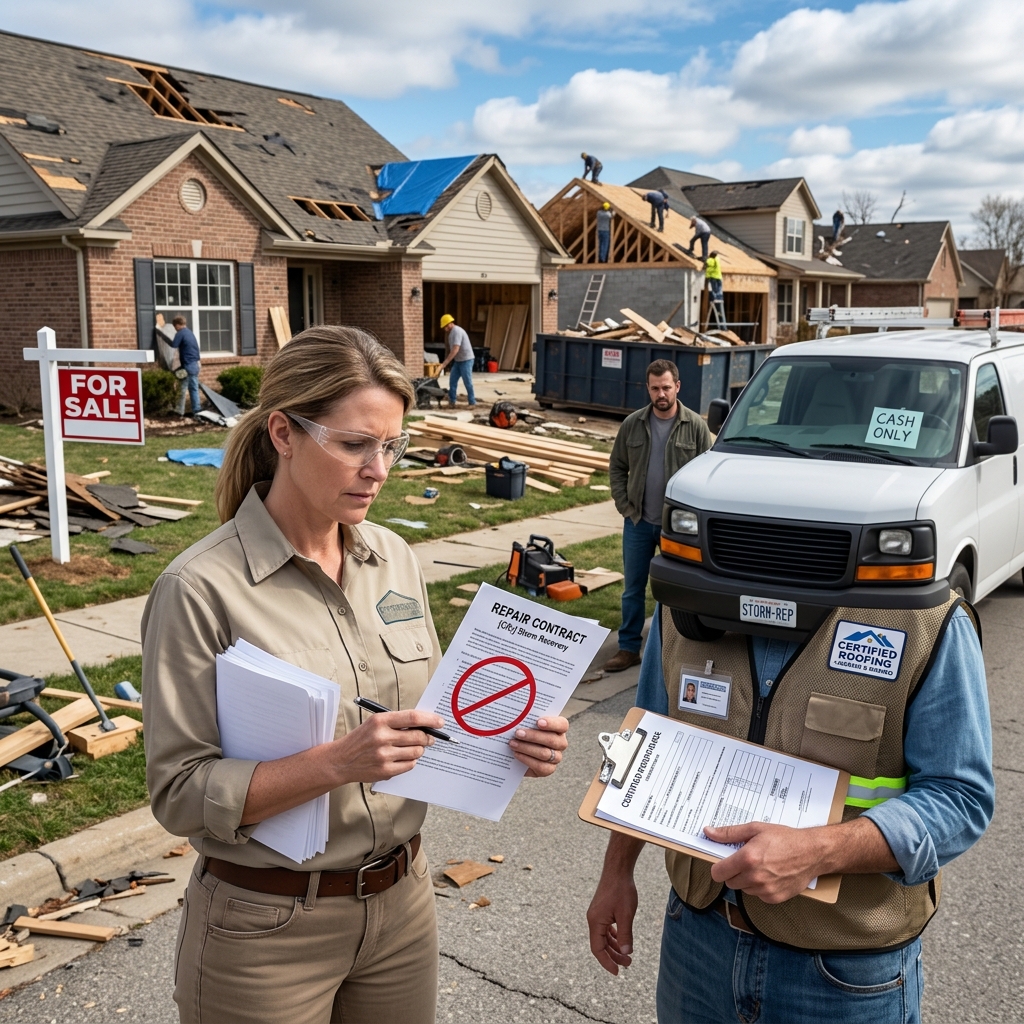
When a tornado or severe storm tears through a community, the immediate focus is safety and basic recovery. As soon as the winds die down, however, another danger often appears: fraudulent home repair contractors looking to profit from chaos and urgency. These so-called storm chasers travel from disaster to disaster, offering fast repairs that can leave homeowners with unfinished work, unsafe structures, and serious financial loss.
This guide explains how tornado repair scams work, warning signs to watch for, how to safely hire a contractor, and the steps to take if you suspect you’ve been targeted. It is inspired by consumer protection guidance but written entirely in new language and structure.
Understanding Storm-Chaser Repair Scams
After a tornado, legitimate local contractors can quickly become booked. That gap creates an opening for storm-chaser contractors—individuals or companies who follow major storms and aggressively market repair services in hard-hit neighborhoods. While some may be licensed professionals, many are unqualified, uninsured, or intentionally fraudulent.
Common patterns in tornado-related repair scams include:
- Targeting neighborhoods with visible roof, siding, or structural damage.
- Going door to door and offering “free inspections” or “emergency repairs” on the spot.
- Pressuring homeowners to sign contracts immediately, before talking to insurers or local authorities.
- Requesting large upfront payments or full payment in cash.
- Making vague promises about dealing with the insurance company or waiving deductibles.
These tactics exploit the urgency homeowners feel after a disaster. Recognizing this pattern is a first step toward protecting yourself.
Typical Scam Tactics Used After Tornadoes
While scams vary, several recurring strategies appear in storm damage cases documented by banks, insurers, and consumer protection agencies.
1. Unsolicited Offers and High-Pressure Sales
Many fraudulent contractors do not wait for homeowners to seek help—they show up uninvited, often within hours or days of the storm. They may claim to be “working in the area” or say they are “partnered” with your insurance company without offering proof.
Warning signs include:
- Unannounced visits offering inspections or repairs on the spot.
- Statements like “You must sign today” or “This price is only good if you decide now.”
- Discouraging you from speaking with your insurer or local building officials.
2. Large Upfront Payments and Cash-Only Deals
One of the clearest red flags is a request for substantial payment upfront, especially in cash. Legitimate contractors may require a reasonable deposit, but most reputable companies structure payments in stages tied to completed work.
Risky payment practices include:
- Demanding half or full payment before any materials are ordered or work begins.
- Insisting on cash instead of traceable methods like checks or card payments.
- Refusing to provide a written invoice or receipt.
3. Insurance Manipulation and Deductible Schemes
Scammers often focus on your insurance coverage, promising to “handle everything” with the insurer or to make your repairs “free” by manipulating estimates. Consumer protection agencies warn that this can escalate into insurance fraud—which may expose the homeowner to legal risk, not just the contractor.
Watch for these behaviors:
- Offering to inflate the repair estimate to cover non-storm-related damage or refund your deductible.
- Asking you to sign over your insurance benefits or give them power of attorney without a clear explanation.
- Pressuring you to avoid direct contact with your insurer.
Key Warning Signs of Tornado Repair Scams
Many legitimate professionals work hard after disasters, so it is important not to assume every out-of-town contractor is dishonest. However, certain behaviors should prompt caution and further investigation.
| Warning Sign | Why It Matters |
|---|---|
| Unsolicited door-to-door visits after storms | Common tactic of storm chasers looking for vulnerable homeowners. |
| Pressure to sign immediately or “today only” offers | Limits your ability to compare bids and contact your insurer. |
| Requests for full or large upfront payment, especially in cash | Increases risk of the contractor disappearing without completing work. |
| No local address, license number, or proof of insurance | Makes it difficult to pursue disputes or verify legitimacy. |
| Vague, incomplete, or verbal-only estimates | Leaves you uncertain about scope, materials, and total cost. |
| Promises to “waive your deductible” or bill for extra damage | May involve insurance fraud and potential legal consequences. |
Steps to Take Before Hiring a Contractor
The best protection against tornado repair scams is a careful, methodical approach to hiring. Even when damage is severe, slow down long enough to take the following steps.
1. Contact Your Insurance Company First
Before agreeing to any repair work, speak directly with your insurer. Many insurance companies maintain lists of vetted contractors, offer guidance on documentation, and explain how claims should be handled.
Key actions:
- Report the tornado or storm damage promptly.
- Ask whether your insurer has preferred contractors or recommended standards for bids.
- Clarify how deductibles, coverage limits, and exclusions will apply.
2. Verify Licensing, Registration, and Insurance
Many states require home improvement contractors to be registered or licensed, and some maintain publicly accessible databases for verification. For example, the Pennsylvania Attorney General’s Office requires certain home repair companies to register and allows homeowners to search their status online.
Verification steps include:
- Confirming the contractor’s license number through your state’s official licensing website.
- Checking whether they are in good standing and carry liability insurance.
- Asking for proof of insurance and bonding, and calling the insurer listed on the certificate to confirm coverage.
3. Research Reputation and Local Presence
Beyond licensing, you should also assess the contractor’s history and ties to the community. Reliable companies usually have an established local address, references from nearby customers, and a presence with consumer organizations.
Helpful checks:
- Search the contractor’s name with terms like “complaint” or “scam” to see if warnings appear.
- Look up ratings with organizations such as the Better Business Bureau and read recent reviews.
- Ask for references from local clients and follow up with a phone call.
4. Request Detailed Written Estimates
Verbal promises are difficult to enforce. Insist on a written estimate that describes the scope of work, materials, timeline, and total cost. Obtain at least two or three bids to make sure the price and approach are reasonable.
The estimate should clearly specify:
- What parts of the home will be repaired or replaced.
- Type and quality of materials (e.g., roofing, siding, windows).
- Labor costs and any subcontractor involvement.
- Expected start and completion dates.
- Payment schedule aligned with work completed.
Protecting Your Rights in Repair Contracts
Once you choose a contractor, the next layer of protection is the contract itself. Carefully reviewing the contract can prevent misunderstandings and reduce the risk of fraud.
Key Clauses to Look For
- Full description of work: The contract should mirror the detailed estimate and clearly define what is included.
- Itemized costs: Materials, labor, permits, and ancillary charges should be separated instead of lumped together.
- Payment schedule: Payments should be tied to milestones, not front-loaded.
- Change-order process: Any changes must be documented in writing with updated costs.
- Cancellation rights: Many states grant homeowners a short period—often three days—to cancel certain home improvement contracts. This right should be clearly stated.
Be Cautious About Signing Away Rights
Some scam contracts include language that shifts control of the insurance claim or waives your right to cancel under state law. Read carefully before signing, and seek legal advice if a contractor asks you to:
- Assign your entire insurance benefit to the contractor.
- Appoint them as your legal representative without explaining the implications.
- Sign a waiver of your statutory right to cancel under emergency pretexts.
What To Do If You Suspect You’ve Been Scammed
Despite best efforts, some homeowners still encounter dishonest or negligent contractors. If you believe you have been scammed or are at serious risk, swift action matters.
Immediate Steps
- Stop payments: Do not issue further checks or cash until the situation is clarified.
- Document everything: Keep contracts, receipts, emails, text messages, photos of work performed, and notes of conversations.
- Contact your insurance company: Explain what occurred and ask for guidance on next steps.
Report to Authorities and Consumer Agencies
Most states encourage homeowners to report suspected home repair scams to law enforcement and consumer protection offices. Reporting can help you and protect other homeowners.
- File a police report if money was taken or fraud is evident.
- Contact your state attorney general’s office or consumer affairs department to report the contractor.
- Notify licensing boards if the contractor appears to have violated licensing rules.
Consider Legal and Civil Remedies
Depending on the scale of the loss and the terms of your contract, you may be able to pursue civil remedies such as small claims, arbitration, or a lawsuit. Consulting an attorney or legal aid organization can help you evaluate options, especially if the contractor is still operating in your area.
Practical Safety Tips for Post-Tornado Repairs
Beyond legal and financial safeguards, a few practical habits can significantly reduce the risk of tornado repair scams.
- Slow down decisions: Even in emergencies, take time to verify credentials and talk to your insurer before committing.
- Prefer local, established contractors: Companies with long-term roots in your community are easier to evaluate and hold accountable.
- Get multiple bids: Comparing estimates helps you identify prices or claims that are far outside the norm.
- Ask many questions: Honest contractors welcome questions about materials, timelines, and payment terms.
- Never sign blank forms: Ensure all documents are fully filled in, with no empty spaces that could later be misused.
Frequently Asked Questions (FAQs)
How can I tell if a contractor is legitimately licensed?
Most states provide online license verification tools through official government websites or attorney general offices. You can search by the contractor’s name or license number to confirm status, disciplinary history, and whether they carry required insurance.
Is it always wrong to pay a deposit?
No. Many reputable contractors ask for a reasonable deposit, especially when materials must be ordered. The concern arises when a contractor demands very large upfront payments or full payment before substantial work has been completed. A safer approach is a modest deposit followed by payments tied to milestones.
What should I do if a contractor offers to waive my deductible?
Be extremely cautious. Offers to waive deductibles by inflating estimates or billing for non-storm damage can become insurance fraud, which may expose you to legal problems as well as the contractor. Discuss any such offer with your insurer before agreeing.
Can I cancel a repair contract after signing?
In many jurisdictions, homeowners have a limited window—often around three days—to cancel certain home improvement contracts entered into at their residence. The specific time frame and rules depend on state law, so review your contract carefully and contact your state consumer protection agency or an attorney for guidance.
What if I already paid and the contractor disappeared?
Immediately report the situation to your local police, your insurance company, and your state attorney general or consumer protection office. Provide copies of all documents and communications. While recovery is not guaranteed, prompt reporting may improve your chances of recouping funds or preventing further harm to others.
References
- Home repair scams after the storm: what homeowners need to know — Minnwest Bank. 2023-04-06. https://www.minnwestbank.com/insights/home-repair-scams-after-the-storm-what-homeowners-need-to-know
- Storm Damage Repair Scams: What to Know — Farm Bureau Insurance of Tennessee. 2022-08-10. https://www.fbitn.com/blog/insurance-101/storm-damage-repair-scams
- Home Repair Scams — Pennsylvania Insurance Fraud Prevention Authority. 2021-06-01. https://helpstopfraud.org/home-repair-scams/
- Beware of Scams in Tornado Repair: Top 5 Tips for Homeowners — FindLaw Consumer Protection Blog. 2014-05-02. https://www.findlaw.com/legalblogs/consumer-protection/beware-of-scams-in-tornado-repair-top-5-tips-for-homeowners/
Similar Articles








Read full bio of medha deb


