
Systemic Failures in Foster Care: Alabama DHR Legal Battle
Exploring the lawsuit over Alabama's reliance on youth mental health facilities.
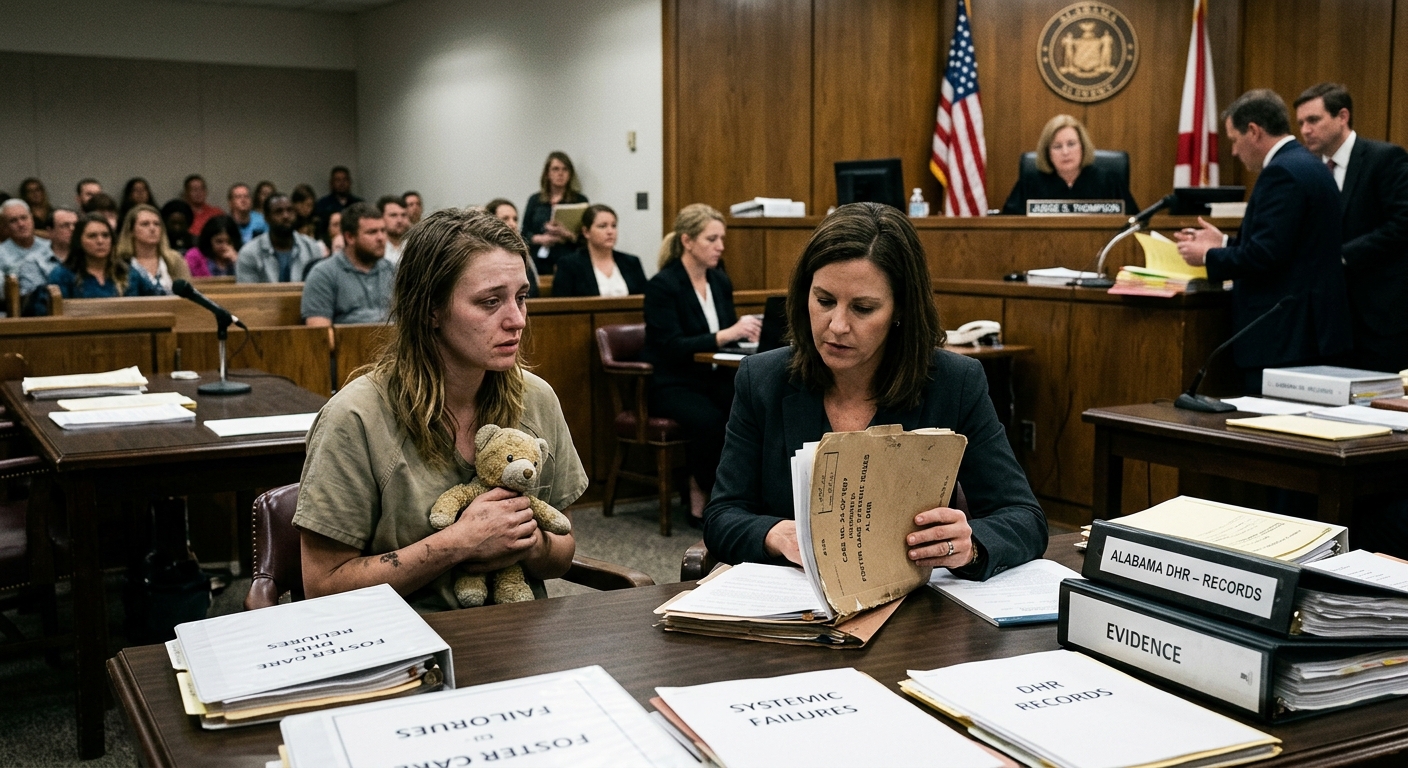
Every child deserves the fundamental right to grow up in a supportive, loving environment, surrounded by the warmth of a family and the community. Yet, for thousands of vulnerable youths within state custody, this right is frequently replaced by the cold, restrictive walls of institutional care. In Alabama, the Department of Human Resources (DHR) has faced intense scrutiny and monumental legal action regarding its treatment of foster children living with mental health impairments. A landmark federal class-action lawsuit brought to light the states overreliance on highly restrictive mental health facilities, exposing a system that allegedly warehouses youth rather than facilitating their healing. This comprehensive analysis unpacks the deep-seated issues within the state’s child welfare framework, the civil rights battles fought on behalf of these marginalized youths, and the urgent necessity for community-based care alternatives.
The Genesis of the Crisis: The Legal Battle Against Alabama DHR
At the epicenter of this ongoing controversy is a federal lawsuit originally filed in May 2021, driven by a coalition of civil rights organizations advocating for children in the foster system. The litigation directly targeted the leadership of the Alabama Department of Human Resources. The plaintiffs alleged that the state was routinely, and illegally, funneling foster children with mental health conditions into highly restrictive, institutionalized settings instead of offering them community-based care.
According to the core complaints of the lawsuit, the children placed in DHR custody were already carrying the heavy burdens of previous trauma, abuse, or neglect. Rather than being met with therapeutic, trauma-informed care integrated within a familial setting, many were placed in medicalized lockdown centers. The lawsuit argued that this practice was a direct violation of federal laws, most notably the Americans with Disabilities Act (ADA). The state’s systematic failure to place children in the “least restrictive environment” effectively robbed them of normal childhood experiences, preventing them from participating in school activities, building meaningful friendships, and integrating into local communities.
Understanding Restrictive Environments vs. Real Healing
To fully comprehend the gravity of the allegations against the Alabama DHR, it is essential to understand the nature of the facilities in question. Psychiatric Residential Treatment Facilities (PRTFs) are ostensibly designed to provide intensive, short-term psychiatric interventions for individuals experiencing acute mental health crises. However, within an overwhelmed child welfare system, these specialized facilities often morph into long-term holding centers for foster youth who simply have nowhere else to go.
The environment within such an institution is highly regimented and heavily restricted. Children are typically isolated from the outside world, removed from mainstream public schools, separated from their siblings, and denied the everyday social interactions crucial for healthy adolescent development. The lawsuit highlighted severe allegations of mistreatment within these walls, pointing to instances where youths were subjected to emotionally abusive disciplinary tactics and excessive restrictions. By confining youths in these settings for months or even years, the system inadvertently compounded their trauma. Without access to specialized therapeutic foster homes, these children were left hidden away from the public eye, their developmental needs starkly unmet.
The Integration Mandate of the Americans with Disabilities Act
The foundational legal argument leveled against the Alabama DHR rested heavily on the ADA, specifically the integration mandate established by the landmark 1999 Supreme Court decision in Olmstead v. L.C. The Olmstead decision affirmed that the unjustified segregation of individuals with disabilities constitutes a form of unlawful discrimination. States are legally obligated to provide care in the most integrated setting appropriate to the needs of the individual.
For foster children dealing with mental health impairments, this integration mandate signifies a civil right to receive therapeutic services within their own communities. The plaintiffs argued that Alabama was violating this mandate by defaulting to institutionalization when community-based optionssuch as therapeutic foster care, wraparound support networks, and intensive in-home counselingshould have been developed and utilized. The lawsuit demanded that Alabama shift its focus and financial resources from congregate care facilities back to neighborhood-level solutions, ensuring that youth with disabilities are not unjustly penalized or segregated.
The Psychological and Developmental Toll on Foster Youth
The consequences of institutionalizing children extend far beyond legal non-compliance; the human and developmental toll is devastating. Developmental psychology consistently demonstrates that children require stable, nurturing relationships with consistent caregivers to thrive. Congregate care settings, characterized by rotating staff shifts and institutional protocols, cannot replicate the unconditional support of a dedicated family.
When children are placed in restrictive facilities for extended periods, they frequently experience “institutionalization syndrome.” They adapt to the rigid structure of the facility but lose the ability to function independently in the outside world. They are deprived of the chance to learn vital life skills, such as cooking, managing a personal budget, or navigating community resources. The disruption of educational continuity is another devastating side effect. Children confined to these facilities often receive substandard education, completely isolated from their peers in mainstream settings. This academic segregation places them at a severe disadvantage, hindering their ability to graduate on time or pursue higher education. Consequently, when these youths eventually age out of the foster care system, they face a stark reality with significantly higher rates of homelessness, incarceration, and chronic unemployment.
Systemic Deficiencies and Bureaucratic Hurdles
Alabama’s child welfare challenges are reflective of broader, systemic issues that plague numerous state-run departments across the nation. Chronic underfunding, exceptionally high caseworker turnover, and a severe shortage of licensed foster homes create a perfect storm. When a state agency lacks the resources to properly assess and match a child with specialized needs to a trained foster family, the default mechanism becomes institutional placement.
Furthermore, the lack of preventative, community-based mental health services means that children are often left without critical support until they reach a crisis point. If families and foster parents do not have access to mobile crisis teams or specialized respite care, behavioral issues may escalate, leading to an unwarranted institutional admission. Building a robust network of trained therapeutic foster parents requires proactive investment, extensive recruitment, and continuous support. Overcoming these bureaucratic hurdles necessitates a complete paradigm shift in how child welfare funding is allocated and managed, moving away from crisis response toward proactive community support.
The Coalition of Defenders: Stepping Up for Childrens Rights
The arduous battle against the unjust institutionalization of Alabamas foster youth was spearheaded by a powerful, unified coalition of legal and civil rights organizations. Advocacy groups known for holding state systems accountable joined forces with local disability rights programs to challenge the status quo on behalf of thousands of silenced children.
This alliance brought a multifaceted approach to the litigation. By leveraging decades of experience in reforming broken foster care systems alongside formidable civil rights litigation expertise, the coalition amplified the voices of vulnerable youth. Utilizing extensive legal discovery, they revealed the stark reality of the DHR’s internal practices. Their relentless advocacy was not merely about winning a court case; it was about forcing transparency, demanding accountability, and securing a legally binding commitment from the state to prioritize community integration over harmful isolation.
Moving Toward Reform: A Blueprint for Transformative Change
Years of intensive litigation eventually culminated in structural agreements aimed at reforming the child welfare landscape. These frameworks represent a critical blueprint for how states must align their systems with federal law and prioritize children’s holistic well-being over administrative convenience.
Under the push for reform, state agencies are required to implement sweeping changes. A pivotal component involves the imposition of strict, standardized assessments for any child at risk of being placed in a restrictive facility. Requiring a physician’s certification ensures that institutionalization is strictly a medical necessity rather than a convenient default. Furthermore, comprehensive reforms mandate a severe cap on congregate care, insisting that the vast majority of youth be placed in community-based alternatives. Expanding therapeutic foster care, bolstering kinship support structures, and implementing intensive quality reviews of individualized care plans are all essential, proactive steps toward dismantling the systemic reliance on warehousing children.
Conclusion
The legal confrontation over Alabama’s treatment of foster youth with mental health disabilities serves as a profound reminder of the vulnerabilities inherent in state-run child welfare systems. It peeled back the curtain on the deeply damaging practice of locking away children who simply require therapeutic support and a loving home. Through the tireless efforts of civil rights advocates, a new path forward has been illuminatedone that fiercely prioritizes community integration, respects disability rights, and recognizes the fundamental dignity of every child. True success will ultimately be measured by the continuous, daily commitment to ensuring that no vulnerable child is ever again lost in the shadows of institutionalization.
Frequently Asked Questions (FAQs)
- What is a Psychiatric Residential Treatment Facility (PRTF)?
A PRTF is a highly restrictive, institutional setting designed to provide intensive behavioral and mental health services to individuals under the age of 21. While intended for short-term, acute care, systemic failures often result in foster youths being placed in these facilities for extended periods, unnecessarily isolating them from their communities.
- Why was the Alabama Department of Human Resources sued?
The Alabama DHR faced a federal class-action lawsuit for allegedly violating the Americans with Disabilities Act (ADA) and other civil rights laws. The lawsuit claimed the agency unnecessarily segregated children with mental health disabilities in restrictive institutions instead of providing them with adequate community-based or familial care.
- What does the “integration mandate” of the ADA mean for foster youth?
The integration mandate, stemming from the Supreme Court’s Olmstead decision, requires that individuals with disabilities receive services in the most integrated, least restrictive setting appropriate to their needs. For foster youth, this means they have a civil right to live in family-like settings rather than being isolated in lockdown facilities.
- How do long-term institutional placements affect children?
Extended stays in institutional settings can cause significant psychological harm, including complex trauma and institutionalization syndrome. Children deprived of familial support and normal social interactions often struggle with independent living, face higher risks of homelessness after aging out of the system, and suffer from compounded mental health challenges.
- What are the necessary steps for child welfare reform?
Effective reform requires capping the number of children in congregate care, implementing strict physician-certified assessments before institutional placement, and drastically expanding community-based alternatives like therapeutic foster care and kinship support networks.
References
- A.A. v. Buckner Case Summary Children’s Rights. 2025-12-19. https://www.childrensrights.org/class_action/a-a-v-buckner/
- Federal Settlement To End Alabamas Illegal Institutionalization Of Children With Disabilities Southern Poverty Law Center. 2025-12-19. https://www.splcenter.org/news/2025/12/19/federal-settlement-end-alabamas-illegal-institutionalization-children-disabilities
- Justice Department Secures Agreement Reforming Alabamas System for Educating Students with Disabilities in Foster Care U.S. Department of Justice. 2026-02-12. https://www.justice.gov/opa/pr/justice-department-secures-agreement-reforming-alabamas-system-educating-students
Similar Articles








Read full bio of medha deb


