
Why DUI Cases Often Take So Long to Finish
Understand why driving under the influence cases rarely move quickly and what shapes the timeline from arrest to final outcome.
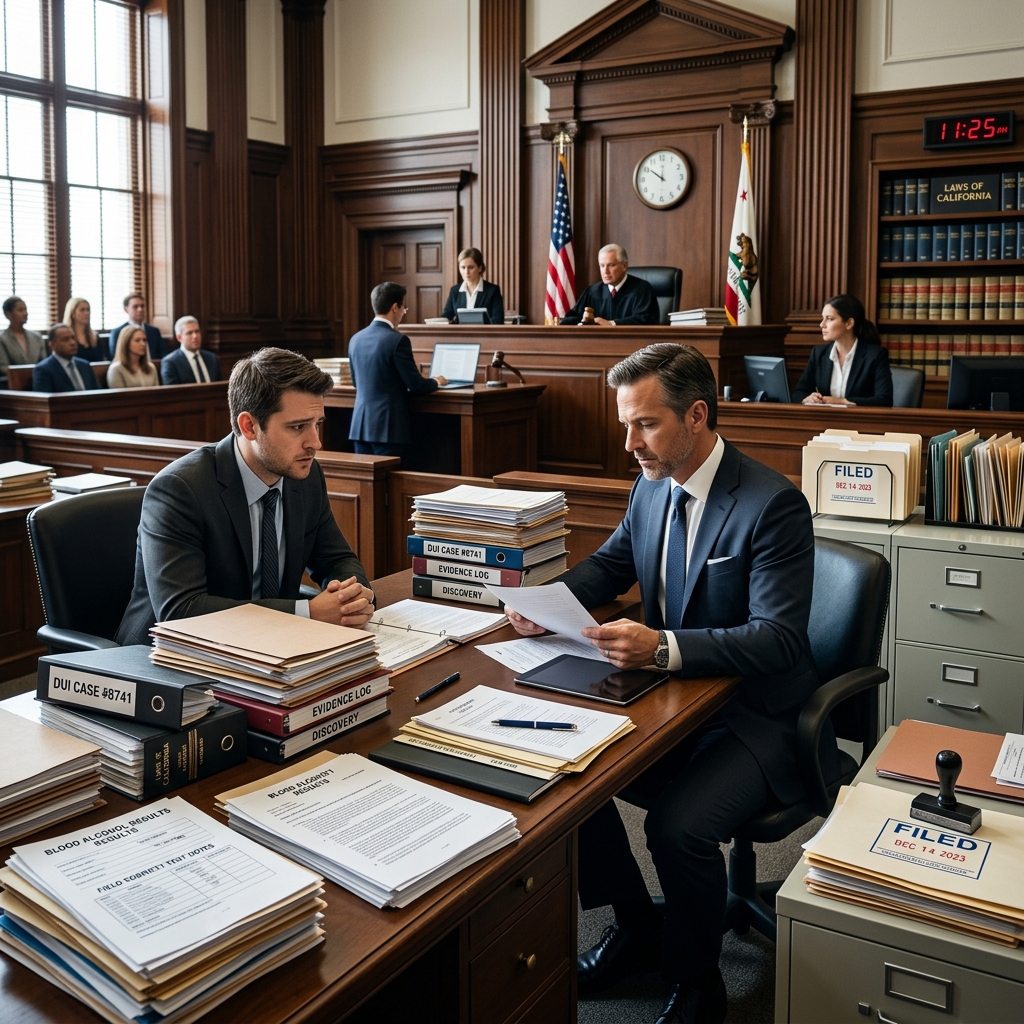
Many people are surprised that a driving under the influence (DUI) charge can remain unresolved for months or even longer. While some cases end quickly, most involve a series of legal steps, scheduling challenges, and strategic decisions that extend the timeline beyond what defendants expect.
This article explains, in plain language, why DUI cases usually take time, what happens at each stage, and how different choices can speed up or slow down the process. It is general information, not legal advice; local procedures and laws vary by state and country.
Typical Duration: How Long Does a DUI Case Last?
There is no single, standard length for a DUI case, but practitioners in several U.S. states report broadly similar ranges:
- Simple misdemeanor DUI with a guilty plea: often resolved in about 2–3 months in some jurisdictions.
- Typical contested misdemeanor DUI (pretrial motions, negotiations, no trial): commonly 3–6 months.
- Cases that go to trial: frequently 6–12 months, and sometimes longer in busy courts.
- Felony or injury-related DUI: can extend to a year or more, particularly in large urban areas.
These ranges reflect experience from different states and are not guarantees. Specific timelines depend on local court rules, evidence issues, caseloads, and the choices made by the defendant and defense lawyer.
Overview of the DUI Case Lifecycle
To understand why DUI cases take time, it helps to look at the main phases in a typical criminal process. While terminology differs by jurisdiction, most DUI cases involve the following stages:
| Stage | What Happens | Typical Time Impact |
|---|---|---|
| Arrest & Booking | Stop, sobriety testing, arrest, fingerprints, initial paperwork | Same day; starts the case |
| Charging Decision | Prosecutor reviews police report and evidence, files formal charges | Days to weeks |
| Arraignment | First court appearance; charges read; plea of guilty or not guilty | Often within a few weeks of charges |
| Pretrial Discovery & Motions | Exchange of evidence, legal challenges to stop, search, or tests | Several weeks to months |
| Plea Negotiations | Discussions between defense and prosecution about possible agreement | Can overlap other stages; often months |
| Trial (if needed) | Judge or jury hears evidence and decides guilt | Scheduled months after arrest, especially in busy courts |
| Sentencing | Penalty determined after plea or conviction | Usually set within weeks of disposition |
Every step requires preparation and court time. Delays at any point—for example, waiting for lab results or crowded dockets—extend the overall length of the case.
Legal Rights That Shape the Timeline
DUI defendants have key constitutional and statutory rights that influence how quickly a case can, or should, move:
- Right to counsel. Defendants are entitled to legal representation, and time is needed for an attorney to review evidence and advise the client.
- Right to due process. Courts must follow procedural rules and give both sides a fair opportunity to be heard. Rushed proceedings can create appealable errors.
- Right to confront witnesses. If a defendant contests the charges, the prosecution must produce witnesses and evidence in court, which requires scheduling and preparation.
- Right to a speedy trial. U.S. law protects defendants from indefinite delays. For example, Florida’s rules provide a benchmark of around 90 days for misdemeanor and 175 days for felony cases under “speedy trial” standards, though waivers and practical realities often extend those periods.
Ironically, exercising these rights—such as filing motions to suppress evidence or demanding full discovery—can lengthen the case but also strengthen the defense.
Factors That Commonly Slow Down DUI Cases
Several recurring issues explain why DUI matters often take longer than defendants anticipate. Some are structural, while others arise from strategic or personal choices.
Court Congestion and Scheduling Limits
Many criminal courts handle thousands of cases each year. Judges must prioritize serious felonies, trials already underway, and urgent matters such as detention hearings. As a result:
- Routine DUI hearings may be scheduled months apart due to crowded calendars.
- Trials are frequently delayed because there are limited days available for jury selection and multi-day hearings.
- Urban areas with larger populations often see longer case durations than smaller communities.
Evidence Collection, Lab Backlogs, and Expert Analysis
DUI prosecutions almost always rely on scientific or technical evidence, such as breath tests, blood alcohol concentration (BAC) results, or video recordings. Delays arise when:
- Blood samples must be processed in a crime laboratory, which may face backlogs of weeks or months.
- Maintenance records for breath-test devices or body camera footage take time to obtain and review.
- Expert witnesses need time to evaluate data, identify possible errors, and prepare reports.
The more heavily the case depends on contested technical evidence, the more time is usually required for proper investigation.
Discovery and Pretrial Motions
Discovery is the process where prosecutor and defense exchange information. Thorough discovery often expands the timeline but is crucial for fairness:
- Defense counsel may request police reports, digital recordings, lab records, and internal policies about stops and testing.
- If evidence suggests legal defects—for example, an unlawful traffic stop or improper breath-test procedure—the attorney may file motions to suppress or dismiss.
- Each motion requires research, written arguments, and a hearing date, adding weeks or months before a final resolution.
From a defendant’s perspective, this can feel like unnecessary delay. From a defense perspective, it is often the best way to challenge weak evidence or achieve reduced charges.
Plea Negotiations and Strategic Delays
Most DUI cases end without a trial, through some form of plea agreement. Negotiating these agreements commonly prolongs the case:
- Prosecutors may wait to see complete evidence—including lab results and damage assessments—before offering a plea deal.
- Defense lawyers sometimes use time strategically, identifying weaknesses in the case to improve bargaining position.
- In cases involving injuries or property damage, prosecutors might delay resolution until insurance and restitution issues are clearer.
While this can be frustrating, time spent in negotiation can result in reduced penalties or alternative dispositions that a defendant might prefer over a quick guilty plea.
Severity of the Alleged Offense
DUI cases are not all alike. Differences in facts often dictate how long a matter remains active:
- Standard first-offense DUI without an accident or injury usually moves faster through the system.
- DUI with injuries, deaths, or major property damage is more complex, may carry felony charges, and often requires more investigation and court time.
- Repeat offenses can trigger harsher penalties, so defense attorneys may be more cautious and thorough before recommending any plea.
Defendant Choices and Representation
The decisions made by the accused also matter:
- Pleading guilty early at arraignment can resolve a case in a matter of weeks in some jurisdictions, but may sacrifice opportunities to challenge evidence or negotiate better terms.
- Pleading not guilty and contesting the case almost always extends the timeline but can lead to dismissals or acquittals.
- Changing attorneys late in the process may cause delays while new counsel reviews the file and develops strategy.
- Failing to appear in court or missing deadlines can lead to warrants and rescheduling, lengthening the case and potentially worsening outcomes.
Speedy Trial Rules vs. Real-World Practice
Many jurisdictions have rules designed to ensure that criminal cases, including DUI matters, do not drag on indefinitely. For example, some U.S. states set guideline limits such as:
- About 90 days to resolve a typical misdemeanor case under speedy trial expectations.
- About 175 days for felony cases.
However, these are not rigid deadlines in all situations. Defendants may waive speedy trial rights—explicitly or effectively—by requesting continuances, filing complex motions, or agreeing to later trial dates. Courts also have mechanisms to extend these periods when justified by circumstances, such as a full docket or the need for additional evidence.
Public Safety, Legal Complexity, and Time
DUI laws exist in part to reduce alcohol-impaired driving, a major public safety concern. According to the U.S. National Highway Traffic Safety Administration, thousands of people die each year in crashes involving alcohol impairment.[10] Legislatures respond with detailed statutes, mandatory minimum penalties, and specialized procedures that make DUI prosecutions more complex than many other misdemeanors.
Complex laws and high stakes—such as possible jail time, large fines, and long license suspensions—mean that judges and lawyers must proceed carefully. This caution, combined with heavy caseloads and evidentiary demands, helps explain why DUI cases rarely end quickly.
Managing Expectations: What Defendants Can Do
While defendants cannot control everything about the timeline, there are practical steps that can help manage the process and reduce unnecessary delay:
- Consult qualified counsel early. Getting legal advice soon after arrest allows the attorney to preserve evidence, meet administrative deadlines, and plan a coherent strategy.
- Stay organized. Keep track of court dates, requests from your lawyer, and paperwork related to insurance, treatment programs, and employment.
- Follow court and DMV instructions. Administrative license hearings may have short deadlines; missing them can lead to avoidable suspensions.
- Complete recommended treatment or education programs. In some jurisdictions, voluntary enrollment in alcohol education or treatment may support better sentencing outcomes.
- Communicate openly with your attorney. Discuss your priorities—speed versus thorough defense—and understand the risks of rushing or delaying.
Frequently Asked Questions About DUI Case Delays
1. Can I force the court to finish my DUI case faster?
Defendants generally have a right to request a speedy trial, but exercising that right can be complex and may limit defense strategies. A formal speedy trial demand may prompt the court to prioritize your case, yet if you later need more time for motions or investigation, the request could work against you. It is best to discuss this option with counsel who understands local rules.
2. Why did someone else’s DUI case end in two months while mine is still pending?
Case length depends on several variables: whether the person pled guilty at arraignment, how crowded the court calendar was, whether there were accidents or injuries, and whether attorneys filed motions or went to trial. Even small differences in facts or jurisdiction can drastically change timelines.
3. Does going to trial automatically mean my case will take a year?
Not automatically, but preparing for trial usually adds months. Lawyers must review discovery, interview witnesses, file pretrial motions, and coordinate with the court for a multi-day hearing. Some courts can schedule trial sooner, but in busy areas, it is common for contested DUI cases to reach trial six months or more after arrest.
4. If I plead guilty right away, do I avoid all delays?
Pleading guilty early can result in relatively fast resolution—sometimes in a matter of weeks—particularly in uncomplicated cases. However, doing so may prevent you from later challenging the legality of the traffic stop or the reliability of test results. Defendants should weigh the benefit of speed against the possibility of achieving a more favorable outcome through careful litigation.
5. Are DUI timelines different for repeat offenders?
Repeat DUI charges often bring harsher mandatory penalties, longer license suspensions, and potentially felony status in some jurisdictions. Because the stakes are higher, defense attorneys may spend more time preparing and negotiating, which can lengthen the case compared to a straightforward first offense.
6. How do injury or fatality cases affect timing?
DUI cases involving injuries or deaths are among the most serious matters in criminal court. They may require extensive accident reconstruction, medical records, and possibly expert testimony. Prosecutors and courts tend to give these cases extra attention, and as a result they often take significantly longer to resolve.
References
- How Long Does a DUI Case Take to Resolve in Georgia? — J. Ryan Brown Law. 2023-03-01. https://jryanbrownlaw.com/blog/first-dui-timeline-georgia/
- How Long Will it Take for My DUI Case to be Over? — Jeffrey Vallens, 4criminaldefense.com. 2020-07-15. https://www.4criminaldefense.com/how-long-will-it-take-for-my-dui-case-to-be-over/
- Length of DUI Cases — Barone Defense Firm. 2022-11-10. https://www.baronedefensefirm.com/length-of-dui-cases.html
- How Long Does A DUI Case Take To Resolve? — Cobb Law Firm. 2021-06-18. https://www.cobblawfirm.com/blogs/5024/how-long-does-a-dui-case-take-to-resolve
- What’s the Fastest Way to Resolve a DUI Case in San Diego? — SanDiegoDuiLawyer.com. 2020-09-22. https://www.sandiegoduilawyer.com/whats-the-fastest-way-to-resolve-a-dui-case-in-san-diego/
- Why is my DUI case taking so long? – Legal Answers — Avvo. 2016-09-03. https://www.avvo.com/legal-answers/why-is-my-dui-case-taking-so-long–4879159.html
- Traffic Safety Facts: Alcohol-Impaired Driving — National Highway Traffic Safety Administration (NHTSA). 2023-02-01. https://www.nhtsa.gov/risky-driving/drunk-driving
Similar Articles








Read full bio of medha deb




