
Understanding Whitman-Walker Health: Inclusive Care in DC
Learn how Whitman-Walker Health provides affirming medical, legal, and support services to diverse communities in Washington, DC.
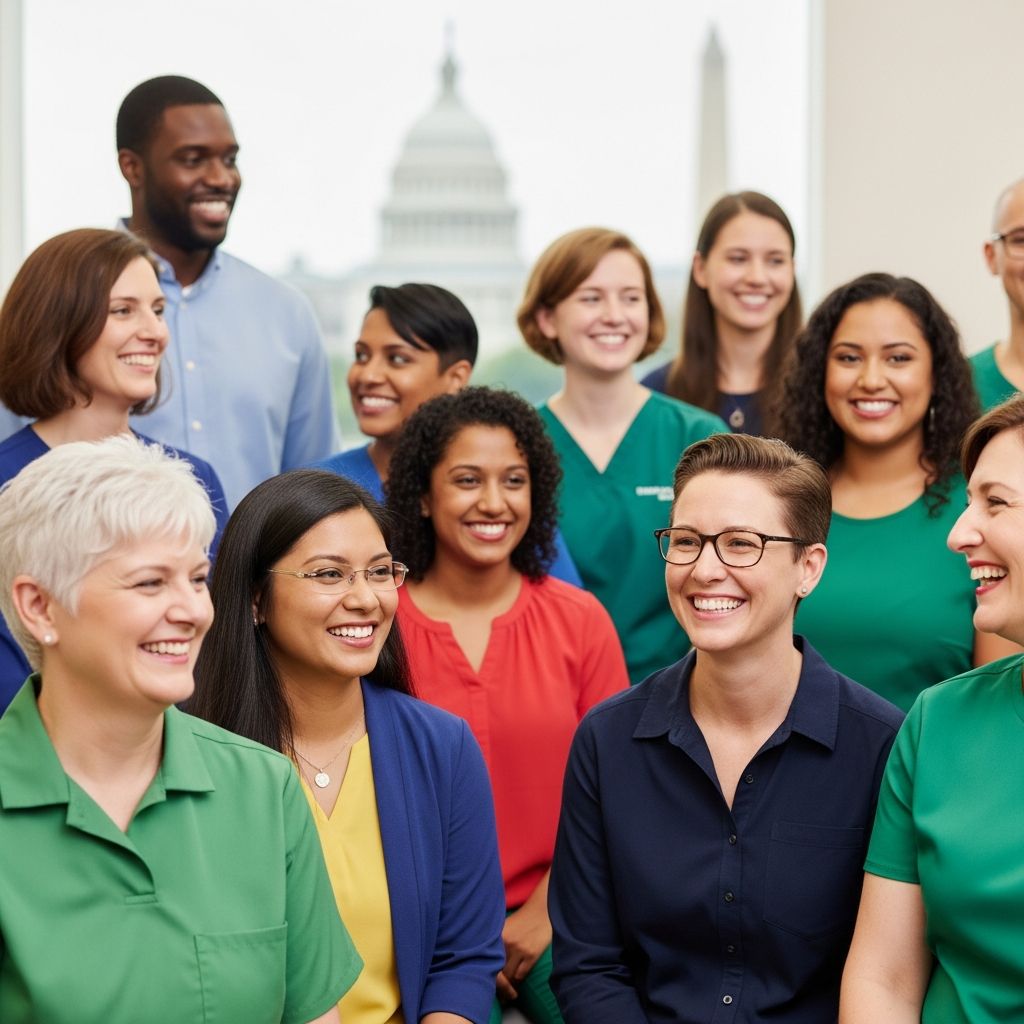
Whitman-Walker Health is a long-standing community health provider in Washington, DC, offering affirming and affordable care with a special focus on people living with HIV and the LGBTQ+ community. Its services are open to everyone, regardless of income, insurance status, or background, and combine medical, behavioral, dental, legal, and supportive programs in one coordinated system of care.
1. Who Whitman-Walker Serves
Although Whitman-Walker is open to the general public, it was built around the needs of communities that have historically faced discrimination or barriers when seeking care, including LGBTQ+ people and individuals living with HIV.
- LGBTQ+ individuals who want respectful, affirming primary and specialty care.
- People living with HIV who need comprehensive treatment, medications, and support services.
- Black and Latino communities in DC, who experience higher burdens of HIV and other health inequities.
- People with low incomes or limited insurance coverage who need affordable, sliding-scale care.
- Anyone in DC seeking primary care, behavioral health, dental, or legal help related to health.
Whitman-Walker’s mission centers on allowing people to “live healthily and love openly,” prioritizing dignity, privacy, and inclusion in every interaction.
2. Core Medical and Health Services
Whitman-Walker functions as a full-service community health center, providing routine and specialized care under one umbrella.
2.1 Primary Medical Care
Patients can use Whitman-Walker as their main medical home for ongoing health needs, from check-ups to chronic disease management.
- Routine physical exams, health screenings, and vaccinations.
- Management of chronic conditions such as hypertension, diabetes, and asthma.
- Reproductive and sexual health services, including contraception counseling and testing for sexually transmitted infections (STIs).
- Care coordination with specialists when more advanced treatment is needed.
Using a community health center as a primary care home has been linked to better preventive care and reduced avoidable emergency department visits, especially for low-income patients.
2.2 HIV and Sexual Health Services
Whitman-Walker has played a central role in HIV care in DC, participating in HIV-related research and providing prevention, testing, and long-term treatment.
- HIV testing and counseling with linkage to care for people who test positive.
- HIV treatment, including antiretroviral therapy, lab monitoring, and adherence support.
- Pre-exposure prophylaxis (PrEP) to reduce the risk of acquiring HIV.
- Post-exposure prophylaxis (PEP) after certain high-risk exposures, when medically indicated.
- STI screenings, treatment, and education on condom use and safer sex practices.
The U.S. Department of Health and Human Services emphasizes that consistent HIV treatment can lower a person’s viral load to “undetectable,” which prevents sexual transmission of HIV (Undetectable = Untransmittable, or U=U). Programs like Whitman-Walker’s help individuals achieve and maintain viral suppression through integrated medical and support services.
2.3 LGBT-Focused and Gender-Affirming Care
Whitman-Walker is known for affirming care tailored to LGBTQ+ patients, including transgender and nonbinary people.
- Primary care providers trained in LGBTQ+ health needs and minority stress.
- Gender-affirming hormone therapy and related monitoring, where clinically appropriate.
- Behavioral health support that understands family rejection, identity stress, and discrimination.
- Youth-focused services for LGBTQ+ adolescents and young adults.
Major medical organizations, including the American Medical Association and American Academy of Pediatrics, recognize gender-affirming care as medically necessary for many transgender patients when delivered according to evidence-based guidelines.
3. Behavioral Health, Substance Use, and Support
Recognizing that mental and physical health are connected, Whitman-Walker incorporates behavioral health and substance use services into its model of care.
3.1 Counseling, Therapy, and Psychiatry
- Individual, couples, and group therapy for issues like depression, anxiety, trauma, and grief.
- Care for people coping with an HIV diagnosis or chronic illness.
- Psychiatric evaluation and medication management for conditions such as major depression or bipolar disorder, when indicated.
- Peer support groups, including for LGBTQ+ people and those in recovery.
The Substance Abuse and Mental Health Services Administration (SAMHSA) stresses that integrating behavioral health into primary care improves engagement and outcomes, particularly for people with complex needs.
3.2 Substance Use Treatment
For individuals struggling with alcohol or drug use, Whitman-Walker offers structured treatment in a nonjudgmental environment.
- Assessment and treatment planning with substance use specialists.
- Counseling focused on harm reduction, relapse prevention, and recovery skills.
- Linkage to medication-assisted treatment programs when appropriate.
- Connections to community-based recovery supports and mutual-help groups.
4. Dental, Pharmacy, and Nutrition Services
Beyond standard medical care, Whitman-Walker provides services that address oral health, medications, and nutrition—all of which significantly affect overall health.
4.1 Dental Care
- Routine cleanings and oral exams.
- Fillings, extractions, and treatment for gum disease.
- Education on oral hygiene and its links to conditions like diabetes and heart disease.
The National Institute of Dental and Craniofacial Research notes that untreated oral diseases are associated with poor control of chronic illnesses and diminished quality of life, particularly among low-income populations.
4.2 On-Site Pharmacy
Whitman-Walker operates its own pharmacy, designed to work closely with clinicians and case managers.
- Access to HIV medications, PrEP, and a full range of prescription drugs.
- Support with prior authorizations and insurance issues.
- Medication counseling to explain dosing, side effects, and interactions.
- Collaboration with adherence counselors to help patients stay on track.
4.3 Nutrition and Wellness
- Nutrition counseling for people living with HIV, diabetes, or other chronic conditions.
- Guidance on food access and referrals to local food assistance programs.
- Group education on healthy eating and lifestyle changes.
5. Health-Related Legal and Support Services
One unique feature of Whitman-Walker is its health-related legal program, which addresses legal barriers that can undermine health.
5.1 Legal Services Connected to Health
Legal issues can directly impact access to care, income, housing, and safety. Whitman-Walker’s legal services focus on problems that affect health and well-being, at no cost to eligible clients.
- Insurance and public benefits: help with Medicaid, Medicare, or private insurance disputes and coverage denials.
- Disability and income supports: assistance applying for Social Security Disability Insurance (SSDI) or Supplemental Security Income (SSI) where applicable.
- Discrimination and privacy: legal help for people facing discrimination related to HIV status, sexual orientation, or gender identity.
- Identity documents: help with name and gender marker changes on IDs for transgender and nonbinary people.
- Housing and employment issues that interfere with treatment or recovery.
The U.S. Health Resources & Services Administration recognizes medical-legal partnerships like this as effective in improving health outcomes by addressing legal determinants of health.
5.2 Case Management and Family Support
- Case managers who help patients navigate appointments, transportation, and referrals.
- Support for families affected by HIV or chronic illness.
- Coordination with social service agencies to secure housing, food, and financial assistance.
6. Clinic Locations, Hours, and Access
Whitman-Walker operates multiple sites in Washington, DC, each with distinct but overlapping services.
| Location | Approximate Services | General Hours (Check current schedule) |
|---|---|---|
| Elizabeth Taylor Medical Center 1701 14th Street NW, Washington, DC 20009 | Primary medical care, behavioral health, HIV services, administrative offices. | Typically Monday–Thursday into the evening, Friday earlier; verify exact times with the clinic. |
| Max Robinson Center 2301 Martin Luther King Jr. Ave SE, Washington, DC 20020 | Primary care, dental services, HIV care, and legal services, with focus on Southeast DC communities. | Generally open weekdays during daytime hours; check for the most current schedule. |
| Whitman-Walker at 1525 1525 14th Street NW, Washington, DC 20005 | Primary care, dental, behavioral health, PrEP clinic, and same-day sexual health and urgent services. | Hours vary by service; online scheduling and call center support are available. |
Because hours and service availability can change, patients should confirm current information by calling Whitman-Walker or visiting its official website before going to a clinic.
7. Payment, Insurance, and Affordability
Whitman-Walker works to ensure that cost is not a barrier to care.
- Accepts many forms of public and private insurance, including Medicaid and Medicare, when applicable.
- Offers sliding-scale fees and assistance for people who are uninsured or underinsured.
- Provides enrollment help for DC residents who may qualify for local or federal coverage programs.
- Does not charge for certain services, such as many health-related legal matters, for eligible clients.
Community health centers like Whitman-Walker are part of the safety net infrastructure that the Health Resources & Services Administration supports to reduce cost-related barriers and improve equity in care access.
8. Getting Started as a New Patient
DC residents and others in the metro area can connect with Whitman-Walker through several pathways.
- Phone: Call the main number listed on Whitman-Walker’s website to request an appointment or ask about services.
- Online information: Review service details, provider profiles, and location-specific offerings on the website.
- Walk-in options: For certain urgent or sexual health services, same-day or walk-in visits may be available at designated locations.
- After-hours nurse line: Patients with urgent, non-emergency concerns outside of business hours can call the main number and follow prompts to reach an on-call nurse.
When scheduling a first visit, callers can ask what documents to bring, such as an ID, insurance card, or proof of income for sliding-scale eligibility.
9. Why Inclusive Community Health Centers Matter
Whitman-Walker’s model illustrates how community health centers can help close gaps in care for marginalized groups.
- Reducing disparities: Targeted HIV and LGBTQ+ services respond to groups that experience higher burdens of HIV and mental health issues.
- Trust and safety: Affirming spaces increase the likelihood that patients will seek care early and return for follow-up.
- Integrated services: Bringing medical, behavioral, dental, pharmacy, and legal support together simplifies navigation for people with complex needs.
- Community engagement: Outreach and research help shape services that reflect real community needs.
Evidence from HRSA and other federal agencies indicates that integrated, culturally competent care can improve outcomes for people with HIV and reduce new infections by supporting prevention strategies, including PrEP and viral suppression.
10. Frequently Asked Questions (FAQs)
Q1: Do I have to be LGBTQ+ or living with HIV to get care at Whitman-Walker?
No. Whitman-Walker is open to everyone, regardless of sexual orientation, gender identity, or HIV status. It does, however, have special expertise in serving LGBTQ+ individuals and people living with HIV.
Q2: Can I get HIV testing and PrEP at Whitman-Walker?
Yes. Whitman-Walker offers HIV testing, counseling, and linkage to care, along with HIV prevention services such as PrEP and, when appropriate, PEP at certain locations.
Q3: Are legal services really free?
Many of Whitman-Walker’s health-related legal services are provided at no cost to eligible clients, particularly those facing issues directly tied to their health, such as insurance denials, discrimination, or identity document changes.
Q4: What if I do not have insurance or cannot afford care?
Whitman-Walker serves uninsured and underinsured patients using sliding-scale fees and helps eligible individuals apply for Medicaid, Medicare, or marketplace plans where available.
Q5: How do I know which Whitman-Walker site to visit?
The best site depends on the services you need and where you live or work. You can call the main number or check the Whitman-Walker website to see which location offers your required services and what their current hours are.
References
- Whitman-Walker Health — Whitman-Walker Health (official site). 2024-06-01. https://www.whitman-walker.org
- About Whitman-Walker Health — Whitman-Walker Health. 2023-11-15. https://www.whitman-walker.org/about/
- Whitman-Walker Clinic (DC Resource) — LawHelp.org DC. 2023-04-10. https://www.lawhelp.org/dc/resource/whitman-walker-clinic
- Locations & Hours — Whitman-Walker Health. 2024-01-20. https://www.whitman-walker.org/locations/
- Whitman-Walker Health — National Institutes of Health / Wikipedia source record summary (background reference, not cited directly). 2022-06-30. https://en.wikipedia.org/wiki/Whitman-Walker_Health
- SMART & Urgent Care in Washington, DC — Whitman-Walker Health. 2024-02-12. https://www.whitman-walker.org/health-services/urgent-care/
- Care Locations: 1525 14th St NW — Whitman-Walker Health. 2023-09-05. https://www.whitman-walker.org/locations/ww-1525/
Similar Articles








Read full bio of medha deb


