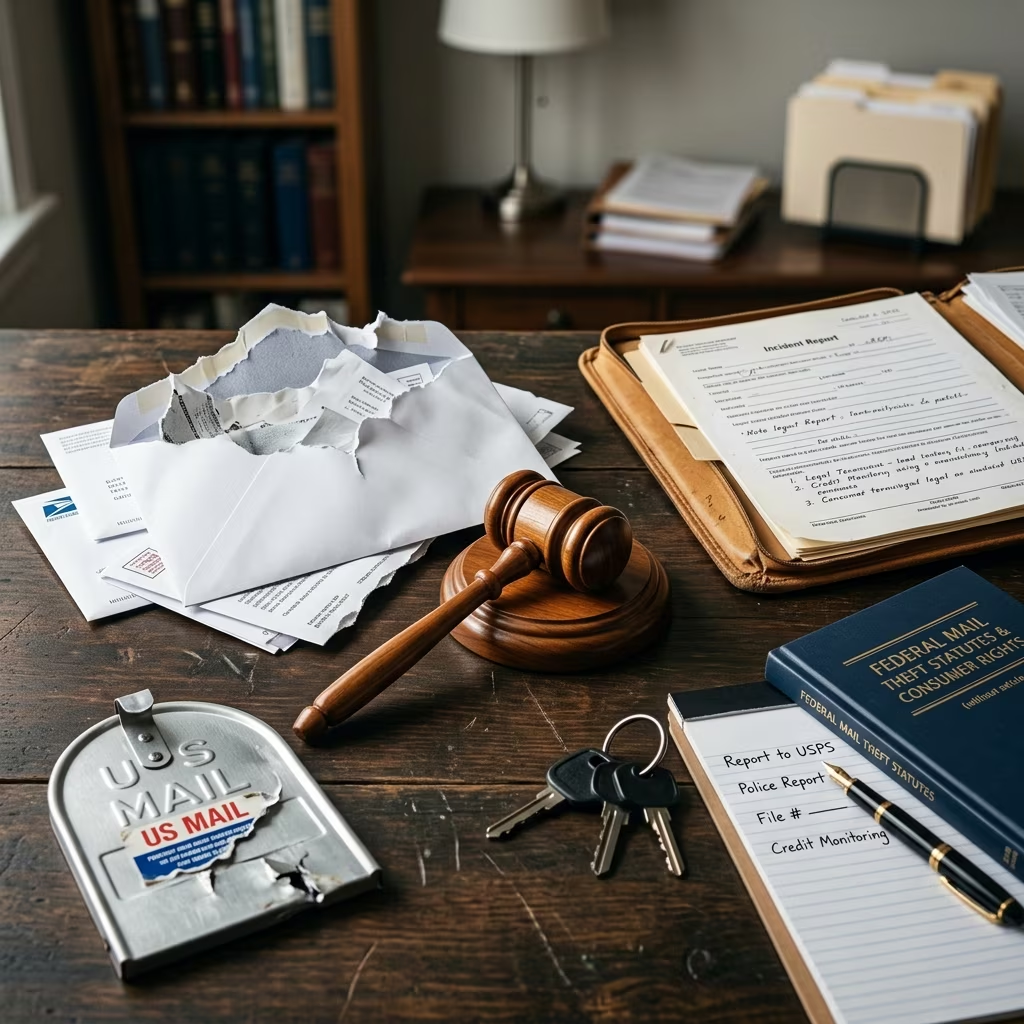
Mail theft is more than an inconvenience; it is a serious crime that can expose you to identity theft, financial loss, and long-term credit problems. Under federal law, stealing or tampering with mail can lead to imprisonment and substantial fines, and victims often face months or years of cleanup after the fact. This guide explains what counts as mail theft, how to respond quickly, what legal remedies may be available, and how to reduce the chances of becoming a victim.
Understanding Mail Theft as a Crime
Mail theft is defined in federal law as taking, stealing, or removing letters, packages, or other mail from authorized mail depositories, including mailboxes, post offices, and mail carriers. It also covers destroying mail, tampering with mailboxes, and receiving or keeping mail you know was stolen. Because the mail system is part of national infrastructure, these acts are treated as federal offenses.
Under 18 U.S.C. § 1708, a person who steals mail or knowingly receives stolen mail can face up to five years in prison, fines, or both. The statute is broad on purpose: it is designed to protect the integrity of the mail system and the privacy of everyone who relies on it.
| Action | Examples | Potential Federal Penalties |
|---|---|---|
| Stealing mail | Taking letters or packages from a mailbox or carrier | Up to 5 years in prison, fines up to $250,000 |
| Destroying or tampering | Breaking mailboxes, shredding letters, removing items from envelopes | Same as theft under 18 U.S.C. § 1708 |
| Receiving stolen mail | Buying or keeping items known to be stolen from the mail | Same federal penalties as direct theft |
In addition to federal charges, many states have their own mail theft statutes or treat mail theft under broader theft and fraud laws. In some states, repeated or large-scale theft by socalled “porch pirates” can lead to felony charges and multiyear prison sentences. State penalties may increase when mail theft is linked to identity fraud or organized schemes.
Why Stolen Mail Is So Dangerous
Modern mail often carries far more than letters. Billing statements, credit and debit cards, government checks, medical records, and financial documents commonly arrive through the mail and can be misused if intercepted by someone else. As a result, mail theft frequently becomes the first step in an identity theft or financial fraud scheme.
When a thief gains access to your mail, they may be able to:
- Collect personal details such as your full name, address, and date of birth.
- Obtain account numbers, routing numbers, or card information from bank statements and checks.
- Receive replacement or new credit cards and activate them using information found elsewhere.
- Intercept tax documents or government benefits checks and attempt to redirect or cash them.
- File fraudulent change-of-address requests to receive future mail and deepen their access to your information.
The longer mail theft continues undetected, the greater the risk that a thief will build a complete profile of your identity. That profile can be used to open new accounts, seek loans, or commit other fraud in your name, which can be difficult and timeconsuming to unwind.
Recognizing Signs That Your Mail May Be Stolen
Mail theft is often discovered after some harm has already occurred. Still, there are warning signs that can alert you to a problem earlier and help limit the damage.
- Repeatedly missing bills or statements: If a company’s mail consistently fails to arrive, but you have not changed your address, someone may be intercepting those envelopes.
- Opened or damaged envelopes: Mail arriving torn, resealed, or missing contents can indicate tampering.
- Unexpected account activity: Charges you do not recognize, new accounts you did not open, or login alerts may be linked to stolen mail.
- Changeof-address issues: If you suddenly stop receiving mail or learn that a postal change of address was filed in your name without consent, this is a major red flag.
- Package tracking discrepancies: When postal or carrier tracking shows an item as delivered, but you cannot find it, theft or misdelivery may have occurred.
Taking these indicators seriously and acting quickly is essential. Notifying law enforcement and relevant agencies promptly can limit losses and support an eventual investigation.
Immediate Steps After You Suspect Mail Theft
If you believe your mail has been stolen or tampered with, treat the situation as a crime that needs to be documented and reported. The following steps are widely recommended by postal authorities and consumer protection agencies.
1. Contact Local Law Enforcement
Your first step should be to notify your local police department and file a report. This helps in several ways:
- It creates an official record of the incident.
- It may assist in any investigation into theft or related crimes.
- It can support insurance claims, fraud disputes, or future legal actions.
If you witness an active theft or see someone tampering with your mailbox, you should call emergency services immediately.
2. Report the Incident to the Postal Inspection Service
The United States Postal Inspection Service (USPIS) is the federal law enforcement agency responsible for crimes involving the mail. They provide online and telephone options for reporting suspected mail theft, vandalism, fraud, and other mailrelated crimes.
- Use the USPIS online reporting portal to submit details of stolen or tampered mail, including dates, locations, and descriptions of items.
- Call the USPIS tollfree number to report incidents and receive guidance on next steps.
- If you suspect that a postal employee or contractor is involved, you can contact the USPS Office of Inspector General, which investigates internal misconduct and employeerelated mail crime.
Be prepared to provide as much information as possible: tracking numbers, photographs of damaged mail, a list of missing items, and any relevant account details. This documentation helps investigators identify patterns and possible suspects.
3. Notify Senders and Financial Institutions
If the missing mail includes checks, cards, or sensitive documents, contact the sender immediately. Many organizations can cancel and reissue items or flag your account for potential fraud.
- Tell your bank or credit card issuer about any potentially compromised cards, checks, or statements.
- Request replacement cards and consider changing PINs or passwords linked to affected accounts.
- Notify government agencies if documents like benefit checks, tax notices, or identification records are missing.
Financial institutions often have fraud response protocols that can limit losses if you act quickly.
4. Monitor Your Accounts and Credit
Mail theft is frequently connected to identity fraud. For that reason, ongoing monitoring is crucial even after you have reported the incident.
- Review bank and credit card statements regularly for unauthorized transactions.
- Use online account alerts to receive notifications of new charges, transfers, or signins.
- Check your credit reports to look for new accounts or inquiries you do not recognize.
Federal consumer agencies recommend prompt action to address potential identity theft, including placing fraud alerts or credit freezes with major credit bureaus if necessary. Although these measures are beyond the mail system, they help mitigate downstream consequences of stolen mail.
5. Consider Holding or Redirecting Mail Temporarily
If you suspect ongoing theft or your mailbox has been damaged, you may be able to place your mail on hold or arrange alternative delivery.
- Request a temporary hold through USPS so that mail is kept at the post office until your mailbox is repaired or replaced.
- Use a secure post office box or commercial mailbox service as an alternative to home delivery.
- Ask trusted neighbors to pick up mail immediately after delivery if you are away or your box is in a vulnerable location.
These measures can help close the immediate opportunity for theft while you address the underlying security issues.
Legal Options and When to Seek an Attorney
Reporting mail theft to authorities is necessary, but it may not resolve every problem. In cases involving significant financial loss, identity theft, or repeated theft that impacts your safety and livelihood, speaking with a lawyer experienced in consumer law or criminal matters can be valuable.
Potential legal issues include:
- Identity theft and financial fraud: If stolen mail led to unauthorized loans, accounts, or debts in your name, an attorney can help you dispute the obligations and protect your credit.
- Civil claims for damages: In some situations, you might pursue civil recovery from individuals or entities responsible for loss, especially if negligence contributed to the theft.
- Insurance disputes: If an insurer refuses to cover losses linked to stolen packages or mail, legal advice can clarify your rights and available remedies.
- Ongoing harassment or targeted theft: If someone repeatedly steals your mail or uses it to harass or threaten you, further legal protection may be appropriate.
A lawyer can explain how federal and state law apply to your situation, help you document losses, communicate with law enforcement, and determine whether litigation or other formal action is warranted.
Practical Strategies to Prevent Mail Theft
No prevention method is perfect, but basic security measures significantly reduce the chances that your mail will be stolen or misused. Postal authorities and local police departments offer several recommendations.[10]
- Collect mail promptly: Avoid leaving mail in your mailbox overnight or for long periods. Thieves often look for easy, unattended targets.[10]
- Use locking or secure mailboxes: A sturdy locking mailbox or a post office box creates a physical barrier that opportunistic thieves may avoid.
- Do not mail cash: Cash is hard to trace and easy to misuse. Instead, use checks, money orders, or electronic payment methods.
- Request signature confirmation: For valuable items, signaturerequired delivery helps ensure that packages are handed directly to you or a designated recipient.
- Use hold mail services when traveling: If you are away, set up mail hold or use a trusted person to retrieve mail regularly.
- Update your address promptly when moving: Filing a proper change of address with USPS reduces the risk of mail going to an old location where it could be stolen.
- Install cameras or lighting: Visible security cameras and welllit entryways deter porch pirates and provide helpful evidence if theft occurs.
Combined with vigilant monitoring of account activity and credit, these steps form a practical defense against mailrelated crime.
Frequently Asked Questions About Stolen Mail
Is mail theft always a federal offense?
Yes. Under federal law, stealing or tampering with mail from authorized postal depositories or carriers is a federal crime punishable by up to five years in prison and substantial fines. That said, state and local authorities may also charge related offenses under their own laws, especially when theft is part of broader fraud or property crime.
What if my package shows as delivered but is missing?
If tracking indicates delivery but you cannot locate the package, check with neighbors and your local post office to rule out misdelivery. If theft seems likely, file a report with local police and submit a complaint to the Postal Inspection Service or the relevant carrier. Provide tracking information and any camera footage or eyewitness information to support the report.
How do I report vandalism to my mailbox?
Mailbox vandalism and destruction of mail are also covered under federal mail crime laws. You should notify local law enforcement and file a report with the Postal Inspection Service, documenting the damage with photographs and noting any missing mail. If your mailbox is unsafe to use, consider hold mail services or a secure alternative until it is repaired or replaced.
Can I be liable for keeping mail addressed to someone else?
Accidentally receiving mail intended for another person is common, and you are not expected to be perfect. However, intentionally keeping, destroying, or misusing mail that you know does not belong to you can fall under federal mail theft provisions. The safest course is to mark misdelivered mail with “not at this address” and return it to the postal service or contact your carrier for guidance.
What if I suspect a postal employee is involved?
Allegations involving postal employees or contractors are taken seriously. In addition to reporting mail theft through the USPIS portal or phone line, you can contact the USPS Office of Inspector General, which investigates misconduct and criminal activity within postal operations. Provide detailed information, including dates, locations, and patterns, to support a thorough inquiry.
Key Takeaways for Consumers
- Mail theft is a federal felony, and penalties can include up to five years in prison and major fines.
- Stolen mail often leads to identity theft, financial fraud, and longterm credit issues if not addressed quickly.
- Act immediately by reporting suspected theft to local police, the Postal Inspection Service, and affected senders or financial institutions.
- Monitor bank accounts and credit reports closely after an incident and consider fraud alerts or other protective measures.
- Use simple preventive steps secure mailboxes, prompt pickup, avoiding cash, and signaturerequired deliveries to reduce risk.
- In serious or ongoing cases, consult a consumer law or criminal attorney to explore your legal rights and possible remedies.
References
- What To Do if Your Mail Is Stolen: Reporting to USPIS, Police, and More — Super Lawyers. 2023-06-01. https://www.superlawyers.com/resources/consumer-law/stolen-mail-lega-options/
- 18 U.S. Code § 1708 – Theft or receipt of stolen mail matter generally — Legal Information Institute, Cornell Law School. 2019-01-01. https://www.law.cornell.edu/uscode/text/18/1708
- Mail Theft Charges and Penalties — FindLaw. 2022-05-10. https://www.findlaw.com/criminal/criminal-charges/mail-theft.html
- Report — United States Postal Inspection Service. 2024-03-15. https://www.uspis.gov/report
- Mail Theft – FAQ — United States Postal Service. 2023-09-01. https://faq.usps.com/s/article/Mail-Theft
- Protect Your Mail From Theft — Long Branch Police Department. 2018-11-20. https://facebook.com/LongBranchPolice/posts/1057492953222174
- What to Do If You Suspect Mail Theft? — City of Bellflower, California. 2021-02-10. https://bellflower.ca.gov/news_detail_T43_R311.php