
Stolen Mail and Packages: Rights, Remedies, and Prevention
Understand your legal rights, how to respond when deliveries go missing, and practical steps to prevent stolen mail and packages at home.
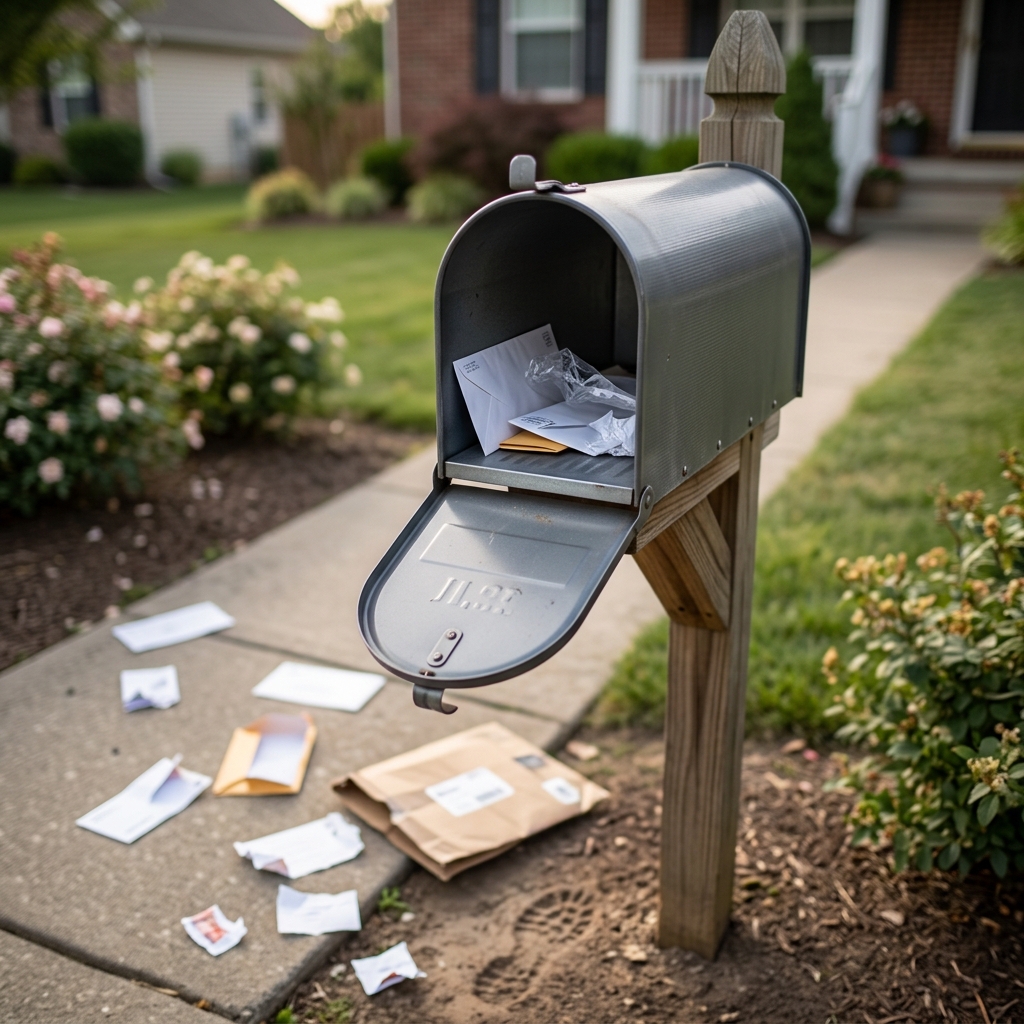
Online shopping and home delivery have become part of everyday life, but they also create new opportunities for theft. When a package disappears from your porch or important mail never arrives, you are not powerless. You have specific legal rights, formal complaint procedures, and practical tools to help you recover losses and reduce the risk of future incidents.
This guide explains how to respond when mail or packages are stolen, how claims and investigations typically work, and what you can do to protect yourself from “porch pirates” and mail thieves. It draws on official guidance from the United States Postal Inspection Service (USPIS) and major carriers to give you clear, step-by-step direction.
1. First Steps When You Suspect Theft
The moment you realize something is missing, time matters. Quick action improves the odds of recovering your items, identifying the thief, and obtaining a refund or replacement.
1.1 Confirm That the Item Was Really Delivered
Before assuming theft, verify whether the shipment was actually delivered.
- Check tracking: Look up the tracking information from USPS, UPS, FedEx, or other carriers to confirm the date, time, and location of the recorded delivery.
- Review delivery notes: Some carriers list where the item was left (front porch, side door, mailbox, apartment office).
- Ask household members: Make sure no one else in your home already moved the package.
- Check with neighbors: Neighbors may have accepted the package or moved it to safety.
If tracking shows “delivered” but you never received the item, theft or misdelivery are the most likely explanations.
1.2 Document Everything Immediately
Accurate documentation will support carrier claims, insurance requests, and any police report.
- Save or screenshot the tracking page, including route history and delivery confirmation.
- Note the time you expected the delivery and when you discovered it missing.
- Photograph your doorstep, mailbox, or building entry to show there is no package and no damage.
- Preserve video footage from doorbell cameras or other security devices, if available.
- Record any visible signs of tampering, such as pried mailbox locks or broken package lockers.
This record can be critical for proving that the loss was not your fault and for assisting any investigation.
1.3 Consider Personal Safety Before Acting
If you see someone actively stealing mail or packages, do not confront them. Law enforcement agencies consistently warn that thieves may be armed or become aggressive.
- If the crime is in progress or there is immediate danger, call 911 and provide as much detail as you safely can.
- Observe from a safe distance and make notes on physical descriptions, vehicles, and direction of travel, but avoid any physical confrontation.
2. Who to Contact for Stolen Mail and Packages
Responsibility for stolen mail or packages often depends on how the item was shipped and who handled it last. Knowing which organization to contact first can save time and frustration.
2.1 USPS-Handled Mail and Packages
Any item delivered through the U.S. Postal Service is protected by federal law. Stealing mail is a federal offense, and the USPIS is the primary agency that investigates mail-related crimes.
- Report suspected mail theft directly to the United States Postal Inspection Service (USPIS) through its official online reporting system or by phone.
- Include details such as delivery date, tracking number, description of contents, and any supporting photos or video.
- If you received suspicious texts or emails about USPS delivery failures, forward them to the USPIS anti-phishing address to help combat related fraud.
USPIS may coordinate with local law enforcement, particularly when there is a pattern of theft in a community.
2.2 Private Carriers (UPS, FedEx, and Others)
For packages handled by private carriers, you usually work directly with the carrier’s customer service and claims systems.
- Verify delivery: Use the carrier’s online tools to confirm the exact delivery timestamp and location.
- File a missing package or theft claim: Each carrier has forms and deadlines. For example, FedEx requires U.S. claims to be filed within a set number of days from shipment.
- Provide documentation: Carriers typically request proof of value (invoice or receipt), tracking number, and a description of the incident.
In many cases, the sender rather than the receiver must initiate the claim, so prompt communication with the seller is essential.
2.3 Retailers, Marketplaces, and Sellers
Retailers and online marketplaces often provide their own protection policies for lost or stolen deliveries.
- Contact the seller or marketplace to ask about replacement or refund options.
- Use the purchase order number, tracking information, and any police report number to support your request.
- Review the seller’s terms and conditions or buyer protection policies for information about coverage in theft scenarios.
Larger marketplaces frequently offer generous remedies, but you may be required to demonstrate that you did not cause the loss.
2.4 Local Police and Neighborhood Organizations
Even if you primarily seek a refund rather than criminal prosecution, a police report serves several purposes.
- File a police report with your local law enforcement agency to document the theft and support any insurance or carrier claim.
- Provide copies of your documentation (tracking pages, photos, video clips) and keep the report number for future reference.
- Notify neighborhood watch groups or homeowner associations if there appears to be a pattern of theft, which can encourage coordinated prevention efforts.
Law enforcement can use reports to identify hotspots, allocate patrols, and build cases against repeat offenders.
3. Claims, Insurance, and Financial Remedies
Recovering the value of stolen mail or packages often involves overlapping systems: carrier claims, seller policies, insurance coverage, and payment protections. Understanding how these pieces fit together can improve your chance of reimbursement.
3.1 Carrier Claims for Lost or Stolen Packages
Carriers generally distinguish between packages that were never delivered and those believed to be stolen after delivery, but both may qualify for claims.
| Scenario | Typical Next Step | Key Evidence |
|---|---|---|
| Tracking shows “in transit” and never delivered | File a lost package claim with the carrier | Tracking history, purchase receipt, description of contents |
| Tracking shows “delivered,” but item is missing | File a stolen or misdelivered claim and contact the sender | Delivery confirmation, photos of location, police report number |
| Package arrived damaged with missing contents | Submit a damage claim to the carrier | Photos of damage, packaging, and remaining contents |
Carriers often require claims to be filed within specific time limits, and waiting too long can eliminate your eligibility for compensation.
3.2 Seller Policies and Marketplaces
Many sellers offer additional protection beyond carrier coverage.
- Automatic replacement or refund: Some large retailers may quickly replace stolen items after verifying delivery details.
- Insurance offered at checkout: Optional shipping insurance can shift risk away from the buyer if loss occurs in transit or after delivery.
- Dispute or resolution centers: Online marketplaces typically provide a process for buyers to dispute non-receipt of items, which may involve reviewing carrier data and seller behavior.
To succeed in these processes, buyers usually must show that they did not receive the item and that they took reasonable steps to safeguard deliveries.
3.3 Payment Methods and Consumer Protection
Your choice of payment method may give you additional recourse when sellers or carriers refuse reimbursement.
- Credit cards: Many card issuers offer purchase protection, which can cover stolen items for a limited period after purchase; you may file a claim with your card provider if other remedies fail.
- Chargeback rights: In some circumstances, you can dispute charges for goods not received, but you must follow your card issuer’s procedures and deadlines.
- Third-party payment platforms: Some platforms provide buyer protection programs for non-delivery or misrepresentation.
Always review the terms of your cardholder or payment agreement to understand any applicable protections.
3.4 When to Consult a Consumer Law Attorney
If repeated thefts are causing significant financial harm, or if a dispute with a seller or carrier escalates, consulting a consumer law attorney may be appropriate.
- Legal counsel can explain your rights under state consumer protection laws, contract law, and shipping terms.
- In complex cases, an attorney may help negotiate with large companies or advise whether litigation is cost-effective.
4. Preventive Strategies Against Mail and Package Theft
Preventing theft is often more effective than trying to recover losses afterward. You can combine physical security measures, delivery controls, and awareness of available services to reduce your risk substantially.
4.1 Reducing Visibility and Access
- Use less visible delivery locations: When possible, ask drivers to leave packages in side yards, back entrances, or behind gates, rather than in open view from the street.
- Install lockable mailboxes or package boxes: For small parcels and mail, a secured, USPS-approved mailbox can deter opportunistic theft.
- Secure building entry points: Apartment or condo residents can work with property managers to improve access controls to mail rooms and lobbies.
4.2 Leveraging Carrier and Postal Services
Many carriers and USPS offer tools to manage deliveries more securely.
- Package redirection: Some carriers allow you to redirect packages to nearby retail locations or pickup points where staff can safeguard deliveries.
- Delivery instructions: You can often leave specific notes for drivers about where to place packages or require a signature upon delivery.
- Temporary holds: USPS and private carriers offer hold services that keep packages at their facilities while you are away, reducing unattended delivery windows.
These services can be particularly useful during holidays and travel periods, when theft risks are higher.
4.3 Monitoring and Early Detection
Technology can help you detect problems faster and provide evidence for investigations.
- Doorbell and security cameras: Video surveillance at your entryway can capture incidents and deter would-be thieves.
- USPS Informed Delivery: This free USPS service sends images of incoming mail to your email, helping you know what to expect and when to pick up important items.
- Delivery notifications: Activate text and email alerts from carriers so you know when packages arrive and can bring them inside quickly.
4.4 Community Coordination
Mail and package theft often affects entire neighborhoods rather than isolated homes.
- Share information about suspicious activity and theft incidents with neighbors so they can check their security footage or adjust their own habits.
- Participate in neighborhood watch programs and encourage the reporting of theft patterns to local police and USPIS.
- Consider collective solutions such as shared, lockable package lockers for multi-unit buildings or community drop points.
5. Special Considerations for Sensitive Mail
Some types of mail carry greater risk if stolen, such as financial documents, identification cards, or health-related information.
- Financial mail: Missing bank statements, checks, or credit cards may signal a risk of fraud or identity theft; report such losses promptly to your financial institution and USPIS.
- Government documents: If passports, driver’s licenses, or tax notices disappear, notify the issuing agencies and follow their procedures to prevent misuse.
- Confidential records: Health or legal documents may require notice to providers or attorneys if you suspect unauthorized access.
Because these items can be used for broader crimes, swift reporting is especially important.
6. FAQs About Stolen Mail and Packages
6.1 Is stealing mail a federal crime?
Yes. Theft of mail handled by the U.S. Postal Service is a federal offense, and the United States Postal Inspection Service is the primary agency that investigates mail theft and related crimes.
6.2 Should I always file a police report for a stolen package?
Filing a local police report is recommended when packages are stolen from your property. The report can support carrier and seller claims and help law enforcement track patterns of theft.
6.3 What if the carrier says the package was delivered but I never saw it?
First, verify the delivery information with the carrier, then contact the seller to discuss replacement or refund options. You may also file a claim with the carrier and, if appropriate, a police report documenting that you never received the package.
6.4 Can I get my money back if none of the claims are successful?
Depending on how you paid, you may have purchase protection or chargeback rights through your credit card or payment provider, which can sometimes reimburse you for stolen items when other avenues fail.
6.5 How can I reduce the chance of porch piracy?
Use a combination of delivery instructions, carrier hold or pickup services, less visible drop locations, security cameras, and prompt retrieval of mail and packages. Coordinating with neighbors and using tools like USPS Informed Delivery can further reduce your risk.
References
- Report — United States Postal Inspection Service (USPIS). 2024-01-10. https://www.uspis.gov/report
- What To Do About Stolen Packages — FedEx. 2023-06-01. https://www.fedex.com/en-us/delivery-manager/how-to-prevent-stolen-missing-packages.html
- Package Stolen? Here are 5 Ways to Recover Stolen Deliveries — ADT. 2023-11-15. https://www.adt.com/resources/package-theft-recover-stolen-deliveries
- Mail Theft — United States Postal Inspection Service (USPIS) via USPIS Report Portal. 2023-09-20. https://www.uspis.gov/report
- How to protect your packages from theft with USPS tips — United States Postal Service via Coconut Creek Police Department. 2019-12-12. https://www.facebook.com/CoconutCreekPD/posts/four-ways-to-protect-your-packages-from-thieves-courtesy-of-the-united-states-po/1203947168513674/
Similar Articles








Read full bio of Sneha Tete


