
When Your Landlord Stops Responding: Practical Legal Options
Learn what to do when a landlord ignores repair requests, how habitability laws protect you, and which legal tools tenants can use.
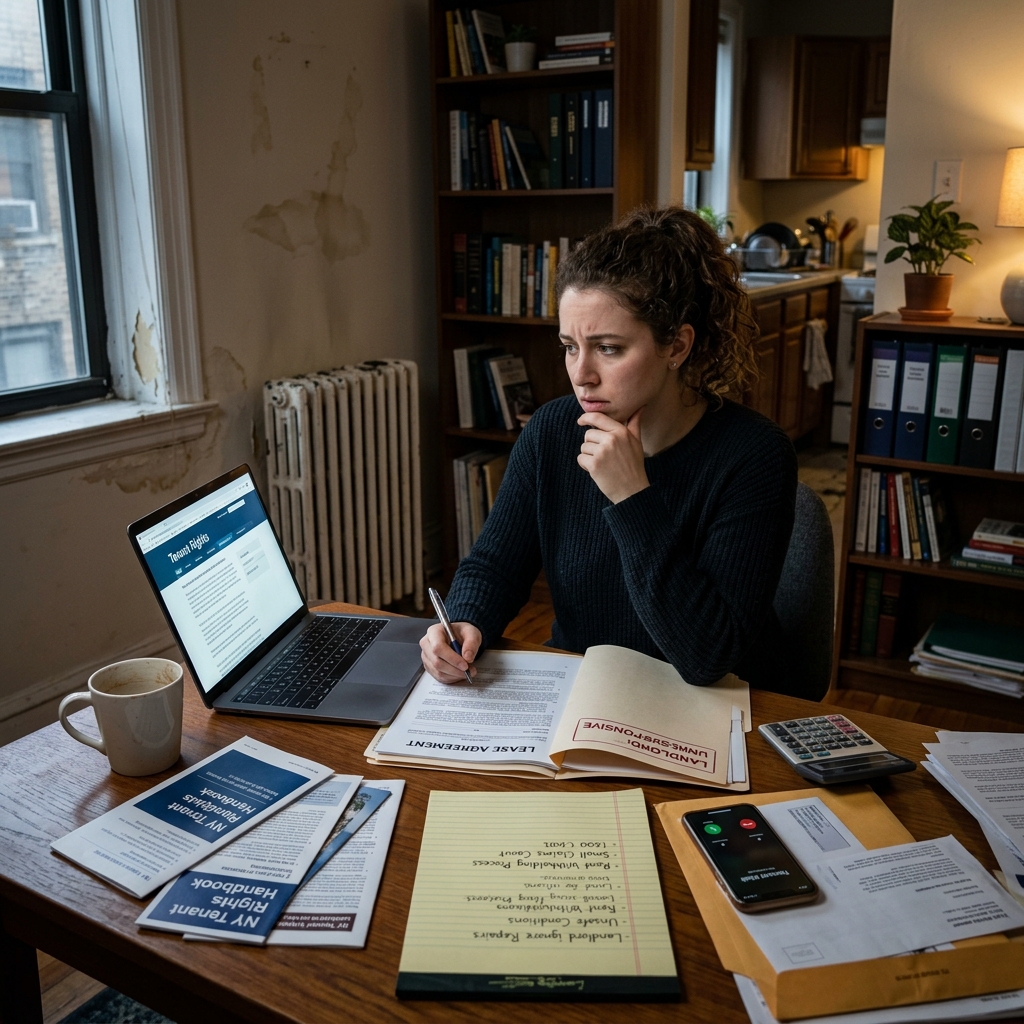
Living with a landlord who will not return calls, emails, or maintenance requests is stressful and, in some cases, dangerous. This guide explains what tenants can do when a landlord is unresponsive, how habitability laws protect you, and the legal strategies that may be available depending on your state.
While details vary by jurisdiction, there are common themes in landlord–tenant law across the United States: landlords must keep rentals in livable condition, follow formal procedures for eviction, and may face legal consequences if they ignore serious problems in your home.
Understanding Habitability: The Foundation of Your Rights
Most states recognize a warranty of habitability, which means your landlord must provide a rental that is safe, sanitary, and reasonably fit to live in. This obligation typically applies whether or not it is written into your lease.
Typical Habitability Requirements
- Working heat in cold seasons and adequate ventilation.
- Safe electrical systems and functioning lighting.
- Running water, hot water, and proper plumbing.
- Structural safety (sound floors, walls, and ceilings).
- Protection from severe leaks, mold, and serious pest infestations.
- Compliance with health and housing codes in your city or state.
Minor inconveniences, like a dripping faucet or a small crack in paint, may not rise to the level of habitability problems. Major issues that threaten health or safety, however, often trigger stronger legal remedies.
Step One: Communicate Clearly and Create a Paper Trail
Before taking legal or financial action, you need to show that the landlord knew about the problem and had a fair chance to fix it. Documentation is critical if you later go to housing authorities, small claims court, or hire an attorney.
Best Practices for Notifying Your Landlord
- Describe the issue in writing (email or letter) with specific details and dates.
- Ask for repairs and set a reasonable deadline based on the severity of the problem.
- Keep copies of every message, including texts and voicemails.
- Consider sending important letters by certified mail so you can prove delivery.
Reasonable time varies, but extremely urgent problems (like no heat in winter or sewage backup) should be addressed far more quickly than routine issues.
Documenting Conditions in Your Home
- Take dated photographs or videos of damage, leaks, pests, or hazards.
- Keep notes of symptoms or impacts (e.g., illness possibly related to mold, repeated power failures).
- Save receipts for temporary measures you must take, such as buying space heaters or alternative lodging.
This evidence helps show that the unit was not habitable and that you tried to resolve the matter before escalating.
When Communication Fails: Common Legal Tools for Tenants
If your landlord ignores reasonable requests, you may have several options. Not all remedies are available in every state, and some require very specific procedures. Always check your local laws or speak to a lawyer before reducing rent or stopping payment.
Overview of Potential Options
| Option | Typical Use Case | Key Risks / Requirements |
|---|---|---|
| Repair and deduct | Urgent, clearly necessary repairs when landlord fails to act. | Must follow state rules; improper use may lead to eviction for nonpayment. |
| Rent withholding or reduction | Major habitability issues that make the unit partially or wholly unlivable. | Often requires notice and escrow; misuse can trigger valid eviction proceedings. |
| Complaints to code or health authorities | Serious violations of housing or sanitary codes needing official inspection. | May strain landlord relationship but can create strong evidence and enforcement orders. |
| Small claims or other court action | Seeking rent abatement, reimbursement, or court-ordered repairs. | Requires time and preparation; outcomes depend on evidence and state law. |
| Moving out / constructive eviction | Extreme situations where the unit is truly not livable. | Serious step; must document conditions carefully to defend against claims of unpaid rent. |
Repair and Deduct: Paying for Fixes Yourself
In some jurisdictions, tenants may hire a qualified professional to fix a serious problem and then subtract the cost from a future rent payment. This is often called repair and deduct.
Typical Features of Repair and Deduct
- Available only for major defects affecting habitability, not minor cosmetic issues.
- Requires prior notice to the landlord and a reasonable chance to perform the repair.
- The cost usually must be reasonable and documented with invoices or receipts.
- Some states limit how much you can deduct or how often you can use this method.
Because rules are strict and vary widely, tenants are often advised to consult an attorney or legal aid program before attempting repair and deduct.
Reducing or Withholding Rent
When conditions significantly lower the value of your home or make it unsafe, courts in many states allow rent reduction or withholding as a remedy against landlords who fail to maintain habitability.
Key Principles
- Notice: You typically must inform the landlord about the problems and your intent to adjust rent if they do not fix them.
- Severity: Withholding is usually reserved for serious habitability breaches (for example, no heat, sewage leaks, extreme mold).
- Escrow: Some states require you to pay withheld rent into an escrow account rather than simply keeping the money yourself.
- Risk of eviction: Improper withholding can be treated as nonpayment, potentially leading to lawful eviction proceedings.
Before withholding or reducing rent, verify your state’s rules with trusted sources or talk to a lawyer, since mistakes can be costly.
Involving Local Housing, Health, or Code Authorities
Government agencies can be powerful allies when a landlord ignores serious problems. Many cities and states have departments that enforce housing and building codes and can investigate complaints.
Typical Agencies and Their Role
- Municipal inspectional services or code enforcement offices that inspect property conditions.
- Local or state health departments that address sanitation, mold, pests, or contamination.
- State-level housing divisions that handle issues in regulated or subsidized housing.
After an inspection, officials may issue violation notices, require repairs by a certain date, or in some cases limit the landlord’s ability to collect full rent until conditions improve.
How to File a Complaint
- Ask your city or county government how to report housing code violations.
- Provide photos, documentation, and copies of letters you sent to your landlord.
- Be available for inspections and accurately describe all issues you observe.
While reporting can strain your relationship with the landlord, it often creates strong evidence of unsafe conditions and may prompt faster repairs.
Going to Court: Small Claims and Other Legal Actions
When informal efforts fail, tenants sometimes turn to court. Depending on the amount of money involved and the nature of the dispute, you might file in small claims court or a higher civil court.
Common Reasons Tenants Sue
- To recover part of the rent paid while living in unsafe or uninhabitable conditions (rent abatement).
- To compel the landlord to make necessary repairs under the warranty of habitability.
- To obtain damages for property loss or health issues caused by serious neglect.
- To challenge improper handling of security deposits or retaliatory behavior.
Courts evaluate evidence such as inspection reports, photos, witness testimony, and your record of communications with the landlord.
Extreme Situations: Constructive Eviction and Moving Out
In the most severe cases, a home may become so unsafe or unsanitary that staying is no longer realistic. When landlords allow conditions to deteriorate so far that the unit is effectively not livable, some states recognize the concept of constructive eviction.
What Constructive Eviction Means
- The landlord’s failure to maintain habitability is treated as if they had “evicted” you by making the unit unlivable.
- You may be able to move out and stop paying rent, arguing that the lease ended because of the landlord’s breach.
- Proper notice and careful documentation are essential to defend against claims that you simply broke the lease.
Because constructive eviction is a serious legal step with long-term consequences, tenants usually benefit from professional legal advice before relying on this theory.
Protecting Yourself Against Improper Eviction or Retaliation
Many tenants worry that if they assert their rights, the landlord will “kick them out” or shut off utilities. In most states, landlords cannot legally evict you or cut off essential services without following formal legal procedures.
Basic Protections
- Landlords generally must provide written notice before ending a tenancy or starting an eviction case.
- Only a court order allows actual eviction; self-help actions like changing locks or removing doors are widely illegal.
- Many states prohibit retaliatory eviction when tenants report code violations or exercise legal rights.
If your landlord attempts to force you out without a court process, contact local legal services or a tenants’ rights organization promptly.
State Differences: Why Local Advice Matters
Although core principles repeat across the United States—habitability, notice, and formal eviction procedures—details differ substantially from state to state.
Examples of Variations
- Some states have strong repair and deduct rights; others allow them only in narrow circumstances.
- Rent withholding rules, including escrow requirements, are different in each jurisdiction.
- Security deposit deadlines and penalties vary widely and can include double or triple damages.
- Local housing codes may add specific obligations beyond general state law.
Because of these differences, relying solely on generic information can be risky. Always confirm your options with credible local sources.
Practical Action Checklist for Tenants
If your landlord is unresponsive, consider the following practical steps:
- Identify the problem: Is it a minor inconvenience or a serious habitability issue?
- Notify in writing: Send detailed written notice and keep copies.
- Allow reasonable time: Give the landlord a fair opportunity to respond and repair.
- Document everything: Photos, videos, inspection reports, and receipts.
- Explore external help: Contact code enforcement, health departments, or tenants’ organizations if needed.
- Consider legal remedies carefully: Repair and deduct, rent withholding, or moving out only after understanding state rules.
- Seek legal advice: For court action, constructive eviction, or complex situations, talk to an attorney or legal aid program.
FAQs About Unresponsive Landlords
Can I stop paying rent if my landlord won’t fix anything?
Not necessarily. In some states you may withhold or reduce rent for serious habitability violations, but strict rules often apply, including notice and escrow requirements. Improper withholding can be treated as nonpayment and may result in eviction, so you should confirm your rights locally before stopping payment.
What counts as a “serious” repair issue?
Problems that make your home unsafe, unsanitary, or substantially unlivable—such as no heat, severe leaks, raw sewage, structural collapse, or extreme mold—are typically considered serious and may implicate habitability standards. Minor annoyances rarely justify rent withholding or moving out.
Can my landlord evict me just because I complained?
Many states prohibit retaliation against tenants who assert their rights, such as reporting housing code violations or asking for lawful repairs. However, landlords can still pursue eviction for legitimate reasons like nonpayment of rent or serious lease violations, even if you have complained.
Is calling the city or health department a good idea?
For serious code violations, contacting local inspectional services or health authorities can be very effective. They can inspect your home, document problems, and order the landlord to fix them. Keep in mind that this may strain the relationship with your landlord, but it often provides strong evidence of unsafe conditions.
Do I need a lawyer to sue my landlord?
You do not always need a lawyer, especially for smaller amounts in small claims court. However, legal advice can be valuable if you seek substantial damages, want to claim constructive eviction, or face a complex eviction case. Many regions have legal aid organizations or tenant clinics that offer free or low-cost assistance.
References
- What Happens When a Landlord Is Unresponsive? — FindLaw. 2023-09-14. https://www.findlaw.com/realestate/landlord-tenant-law/what-happens-when-a-landlord-is-unresponsive.html
- Tenants’ Legal Rights & Duties — FAQs — Justia. 2023-02-01. https://www.justia.com/real-estate/landlord-tenant/information-for-tenants/tenant-faqs/
- Massachusetts Tenant-Landlord Rental Laws & Rights for 2026 — Hemlane. 2026-01-10. https://www.hemlane.com/resources/massachusetts-tenant-landlord-law/
- What Are Tenant Rights in Indiana? — Housing4Hoosiers. 2022-08-15. https://housing4hoosiers.org/know-your-rights/your-rental-rights/what-are-tenant-rights-in-indiana/
- Legal services and code enforcement — New York State Attorney General. 2023-05-20. https://ag.ny.gov/resources/individuals/tenants-homeowners/legal-services-and-code-enforcement
- Understanding Landlord/Tenant Law in Pennsylvania — North Penn Legal Services. 2021-11-30. https://www.nplspa.org/what-we-do/legal-topics/housing-landlordtenant-rights/understanding-landlord-tenant-law-in-pennsylvania.html
- Getting a Landlord to Make Repairs — Massachusetts Legal Help. 2022-06-01. https://www.masslegalhelp.org/housing-apartments-shelter/repairs-bad-conditions/getting-landlord-make-repairs
Similar Articles








Read full bio of Sneha Tete


