
Trustee Responsibilities: 7 Essential Duties And Best Practices
Understand the trustee’s legal role, core duties, and practical responsibilities in managing a trust.
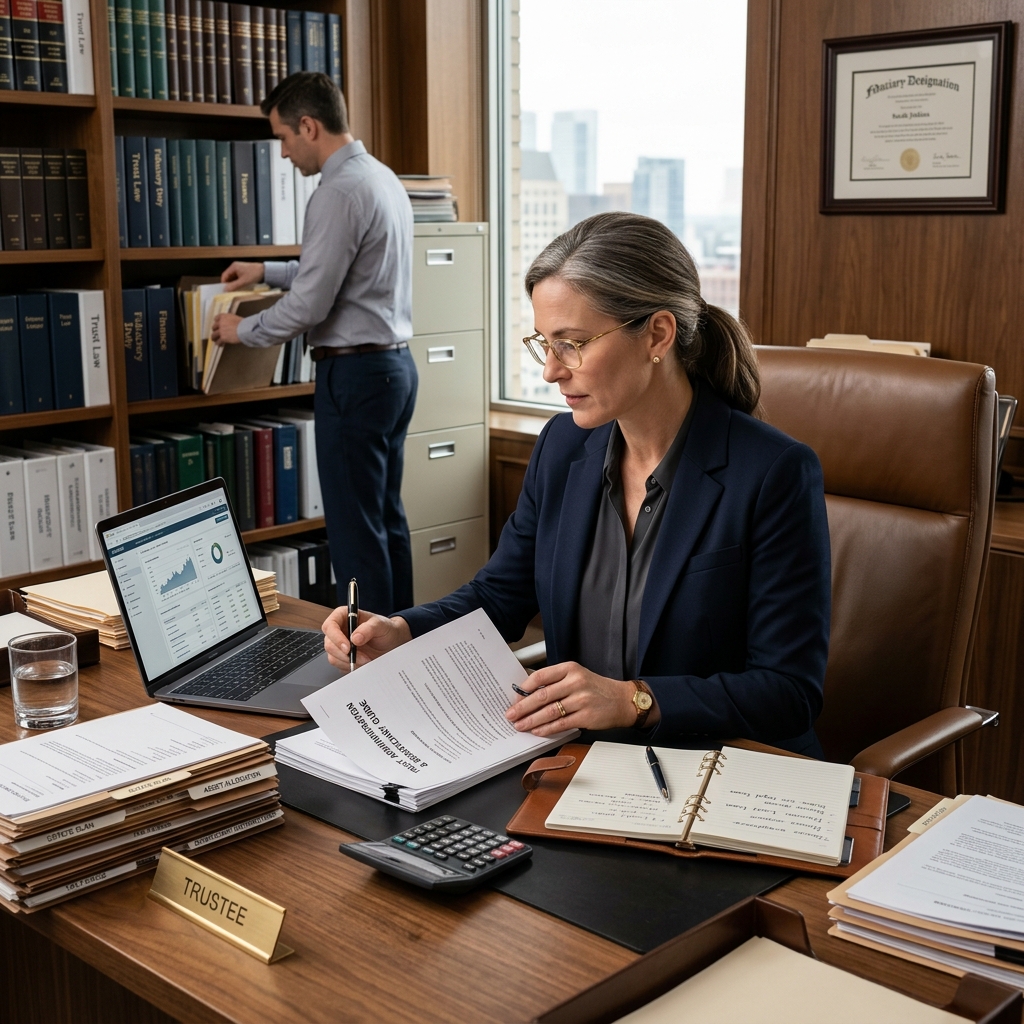
A trustee is the person or institution responsible for managing trust property for the benefit of the people named in the trust. In practical terms, the trustee serves as the legal manager of the trust’s assets and must follow both the trust document and applicable state law when making decisions. That role can involve everything from safeguarding investments and keeping records to making distributions and communicating with beneficiaries.
Because a trust is designed to carry out the grantor’s instructions, the trustee’s job is not simply to control assets. The trustee must administer the trust carefully, fairly, and in good faith. The position carries legal duties that are stricter than the obligations of an ordinary manager because trustees are fiduciaries, meaning they must place the trust and its beneficiaries ahead of personal interests.
The basic role of a trustee
At the most fundamental level, a trustee holds and manages trust property on behalf of someone else. The grantor creates the trust and sets the rules, while the trustee carries out those rules for the benefit of the beneficiaries. Depending on the terms of the trust, the trustee may be an individual, a professional advisor, a bank, or another financial institution.
The trustee may have title to trust assets, but that title is limited by the trust instrument. The trustee cannot treat trust property like personal property. Instead, every major decision must be made in accordance with the trust’s terms and the trustee’s legal duties. This distinction is one of the most important concepts in trust administration because it explains why trustees have both authority and restraint at the same time.
Common responsibilities in trust administration
The day-to-day work of a trustee depends on the size of the trust, the type of assets involved, and the terms written into the document. Still, many trusts require a similar set of tasks:
- Identifying, collecting, and safeguarding trust assets
- Maintaining accurate books and supporting records
- Paying valid trust expenses, taxes, and administrative costs
- Managing or investing assets prudently
- Making distributions to beneficiaries as directed by the trust
- Providing information and accountings when required
- Working with attorneys, accountants, and other professionals when needed
These responsibilities often overlap. For example, a trustee who manages an investment account also has to keep records, monitor tax consequences, and make sure distributions are consistent with the trust’s instructions. The broader the asset mix, the more important it becomes for the trustee to stay organized and informed.
Fiduciary duties that shape the job
A trustee is held to fiduciary standards, which are designed to prevent misuse of authority and protect the beneficiaries. Although state laws vary, several duties appear in trust law throughout the United States.
| Duty | What it means |
|---|---|
| Loyalty | The trustee must act in the beneficiaries’ interests and avoid self-dealing or hidden personal gain. |
| Impartiality | The trustee must treat beneficiaries fairly unless the trust directs a different approach. |
| Prudence | The trustee must make careful, informed decisions about investments, distributions, and administration. |
| Confidentiality | The trustee must protect sensitive trust information and disclose it only as permitted or required. |
These duties are not abstract principles. They guide almost every choice a trustee makes. If the trust owns family business interests, real estate, or a diversified portfolio, the trustee must still act in the beneficiaries’ best interests rather than in a way that benefits the trustee personally or favors one beneficiary without authorization.
Managing trust assets the right way
Asset management is often the most visible part of trusteeship. A trustee may need to oversee bank accounts, brokerage accounts, real estate, insurance coverage, or even business interests. In each case, the trustee has to preserve value while staying within the trust’s instructions.
Prudent management usually means paying attention to risk, liquidity, taxes, and the trust’s timeline. A trust meant to support a surviving spouse for life, for instance, may require steady income and conservative investment choices. A trust designed to last for generations may require a different balancing of growth and preservation. The trustee should not manage assets based on personal preferences; the trust’s purpose controls the strategy.
In some situations, the trustee may delegate certain tasks to outside professionals. That can include investment managers, attorneys, accountants, appraisers, or property managers. Delegation does not eliminate the trustee’s responsibility. The trustee still must supervise the work, ask the right questions, and remain accountable for the overall administration of the trust.
Distributions and beneficiary relations
Another central job of the trustee is deciding when and how to distribute trust assets. Some trusts require fixed payments. Others give the trustee discretion to distribute income or principal based on health, education, maintenance, support, or another standard written into the document. A discretionary trust can be especially challenging because the trustee must balance the needs of current beneficiaries, future beneficiaries, and the purposes of the trust itself.
Good trustee behavior often depends on communication. Beneficiaries may want updates about account balances, investment performance, tax matters, or the timing of distributions. Trustees do not have unlimited freedom to withhold information, but they also must protect confidentiality and avoid unnecessary conflict. Clear, consistent communication can reduce misunderstandings and help beneficiaries see that the trustee is acting fairly.
When beneficiaries disagree with a trustee’s decisions, tension may rise quickly. A trustee should document the reasons for major decisions, stay within the terms of the trust, and seek legal advice when a dispute appears likely. Careful records can be critical if a beneficiary later questions whether the trustee acted properly.
How trustees differ from executors
People often confuse trustees with executors, but the roles are not the same. An executor handles a decedent’s probate estate after death, while a trustee administers property held in a trust according to the trust instrument. The executor usually works through the probate process and settles the estate, whereas the trustee may operate outside probate and can continue managing assets for years after the grantor’s death.
The distinction matters because the legal authority comes from different sources. An executor’s authority typically begins after court recognition or appointment, but a trustee’s authority comes from the trust document itself. For that reason, trustees often have more ongoing responsibility and may face longer-term oversight duties than executors.
Choosing who should serve as trustee
Selecting a trustee is one of the most important planning decisions a grantor makes. The right choice depends on the trust’s purpose, the complexity of the assets, and the personalities involved. Some grantors choose a family member because that person knows the family well. Others prefer a professional trustee because of experience, neutrality, and administrative capacity.
When evaluating a potential trustee, consider these qualities:
- Integrity and honesty
- Judgment and attention to detail
- Willingness to follow instructions precisely
- Ability to stay impartial under pressure
- Comfort with financial, tax, and recordkeeping tasks
- Availability to serve for the needed length of time
In many cases, a co-trustee arrangement may be useful. One trustee may bring family knowledge while another brings technical expertise. That approach can improve balance, but it can also create delays or disagreements if the trust does not clearly explain how decisions should be made. The trust document should therefore address voting authority, deadlock procedures, and replacement powers whenever possible.
Risks and liability for trustees
Serving as trustee can be rewarding, but it is not a casual role. A trustee who mismanages property, ignores the trust terms, favors one beneficiary unfairly, or uses trust assets for personal benefit may face removal, repayment claims, or other legal consequences. In serious cases, a trustee may be personally liable for losses caused by breach of duty.
That risk is one reason careful documentation matters so much. A trustee should keep receipts, statements, accountings, correspondence, distribution records, tax filings, and notes explaining major choices. Good records help prove that decisions were made carefully and for legitimate trust purposes. They also make the administration easier if another person later takes over.
If a trustee is unsure about a legal or tax issue, the safer course is usually to seek professional advice before acting. Waiting until a problem becomes a dispute often makes resolution more expensive and difficult.
When a professional trustee may make sense
Not every trust is best managed by a family member or close friend. A professional trustee may be a better option when the trust contains complex investments, real estate, business interests, or multiple beneficiaries with competing interests. Professional trustees can also be useful when the grantor wants a neutral decision-maker who will not be influenced by family conflict.
Professional trustees generally bring institutional systems, continuity, and familiarity with compliance requirements. They may charge fees, but those fees can be justified by the reduced risk of mistakes and the administrative support they provide. In trusts with significant assets or long durations, that tradeoff can be worthwhile.
Practical questions about trustees
Many people have the same basic questions when they are named as trustee or are considering creating a trust. The answers depend on the trust language and state law, but the following points are common:
- The trustee must follow the trust, not personal preferences.
- The trustee should avoid conflicts of interest and self-dealing.
- The trustee may need professional help with taxes, investments, or legal compliance.
- The trustee should communicate appropriately with beneficiaries.
- The trustee can be removed if the role is not carried out properly.
These practical issues make it important to read the trust document carefully before accepting the role. A person may be honored to serve but still not be the right fit if the trust is highly technical, likely to be contested, or too time-consuming.
FAQs
What is the main job of a trustee?
The main job of a trustee is to manage trust assets according to the trust document and applicable law for the benefit of the beneficiaries. That includes administration, recordkeeping, prudence, and fair treatment.
Can a trustee also be a beneficiary?
Yes. In many trusts, a trustee is also a beneficiary. Even so, the trustee must still follow fiduciary duties and avoid using the role to gain an unfair advantage over other beneficiaries.
Does a trustee own the trust property personally?
No. A trustee may hold legal title to trust property, but the assets are not the trustee’s personal property. They are held and managed for the trust and its beneficiaries.
Can beneficiaries challenge a trustee’s decisions?
Yes. Beneficiaries may challenge conduct they believe violates the trust or fiduciary duties. Common disputes involve distributions, investments, recordkeeping, or conflicts of interest.
Should every trust have a professional trustee?
Not necessarily. The best choice depends on the trust’s complexity, the family situation, and the abilities of the person being considered. Some trusts work well with a trusted individual, while others are better suited to a professional fiduciary.
Why the trustee role deserves careful planning
Choosing a trustee is not just a formality in estate planning. The person or institution selected will have a major impact on how smoothly the trust operates and whether the grantor’s intentions are actually carried out. A strong trustee can preserve wealth, reduce conflict, and provide stability for beneficiaries. A poor trustee can create delay, distrust, and litigation.
For that reason, the best trust plans do more than name a trustee. They also define the trustee’s powers, limit ambiguity, provide for replacement if needed, and clearly state how difficult issues should be handled. Thoughtful planning makes the trustee’s job more manageable and helps the trust serve its intended purpose.
References
- A Guide to Understanding the Role of a Trustee — The Bonadio Group. 2024. https://www.bonadio.com/article/a-guide-to-understanding-the-role-of-a-trustee/
- How to Choose a Trustee of a Trust — U.S. Bank. 2025. https://www.usbank.com/wealth-management/financial-perspectives/trust-and-estate-planning/how-to-choose-a-trustee-of-a-trust.html
- Trustee vs. executor: What’s the difference? — Fidelity Investments. 2025. https://www.fidelity.com/learning-center/wealth-management-insights/trustee-vs-executor/
- Personal Trust Services — TIAA. 2025. https://www.tiaa.org/public/invest/services/personal-trust-services
- What is a trust, and how can it benefit my estate plan? — T. Rowe Price. 2025. https://www.troweprice.com/personal-investing/resources/insights/what-is-a-trust-and-how-can-it-benefit-my-estate-plan.html
- Choosing the Right Trustee — Fiduciary Trust Company. 2025. https://www.fiduciary-trust.com/insights/choosing-the-right-trustee/
Similar Articles








Read full bio of Sneha Tete


