
Understanding Your Rights When a Neighbor Builds
A practical legal and safety guide to dealing with noise, damage, and disputes caused by nearby residential construction projects.
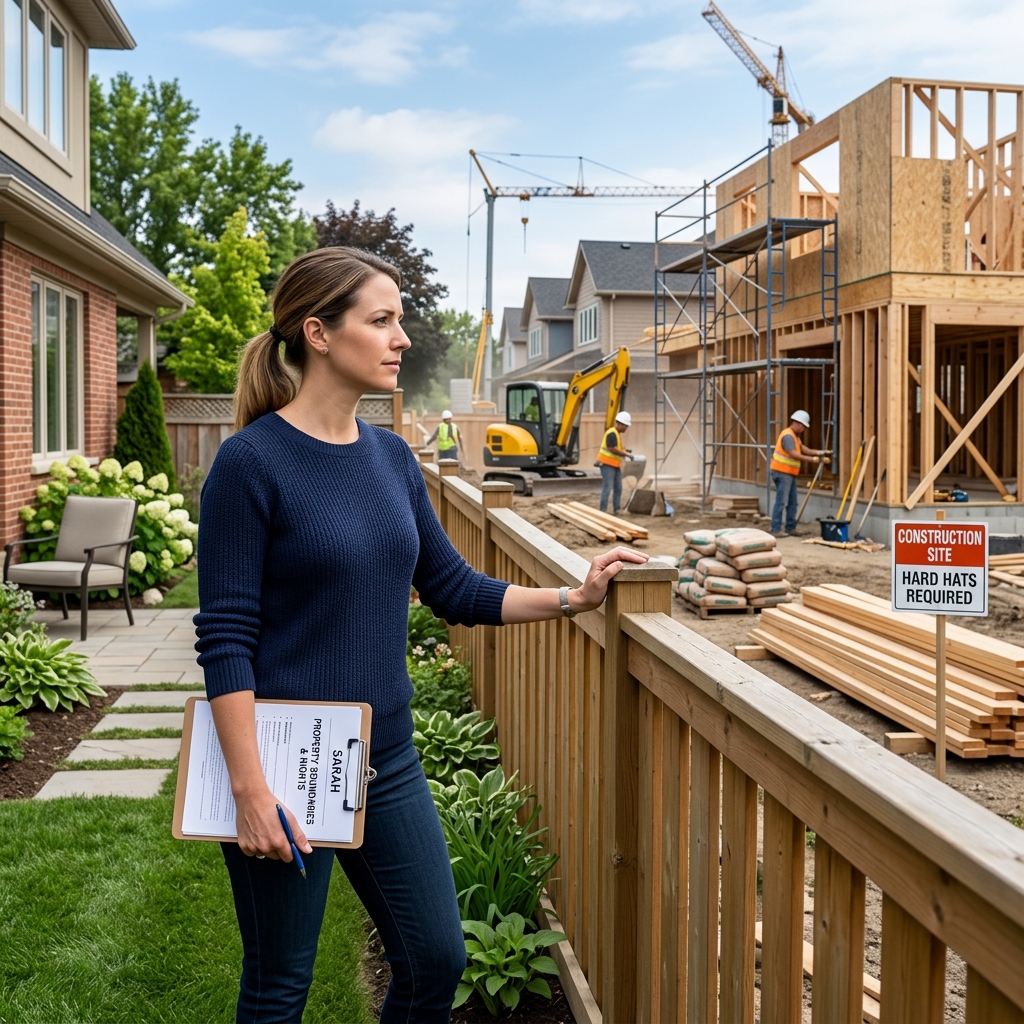
Major construction next door can turn a quiet street into a noisy job site, raising questions about your rights, your safety, and your options if something goes wrong.While your neighbor generally has the right to improve their property, that right is limited by building codes, zoning rules, nuisance laws, and your own right to use and enjoy your home without unreasonable interference.
This guide explains the key legal concepts, common problems, practical steps you can take, and when you may want to contact local officials, your homeowners’ association, or a construction or real estate attorney for help.
Core Legal Principles That Protect Neighbors
Understanding a few core legal ideas will help you evaluate whether your neighbor’s project is simply inconvenient or has crossed the line into a legal problem.Specific rules vary by state and city, but the following concepts appear in many U.S. jurisdictions.
Your Right to Use and Enjoy Your Property
Most state and local laws recognize a property owner’s right to quiet enjoyment of their home, meaning you are entitled to use and occupy your property without unreasonable interference from others.Construction noise and disruption are not automatically illegal, but when they reach the point of serious and ongoing interference, the law may provide remedies.
- Normal disruption: Short-term, daytime construction that follows local noise rules is usually considered a reasonable inconvenience.
- Unreasonable interference: Noise or dust that is extreme, persistent, or outside legal hours may be treated as a nuisance, especially if it makes normal use of your property difficult.
Nuisance Law
Many neighbor–construction disputes fall under private nuisance, a legal claim that arises when someone’s activities substantially and unreasonably interfere with another person’s use and enjoyment of their land.Examples may include extreme noise, vibration, flooding, or dust, depending on local standards and the facts of the case.
Trespass and Encroachment
Your neighbor cannot simply use your land as part of their project without consent, even temporarily.Trespass and encroachment issues may arise when:
- Construction equipment or materials are stored on your property without permission.
- Cranes or scaffolding swing over your yard without a proper license, easement, or consent.
- New structures cross the property line or violate required setbacks under local zoning codes.
If you notice work extending onto your land or over the boundary line, it is important to speak up quickly and document what you see.
Building Codes, Zoning, and Noise Ordinances
Local governments regulate construction through building codes, zoning rules, and noise ordinances.Code and zoning enforcement is usually handled by a city or county department rather than by you directly, but you can report suspected violations.
- Building permits: Most structural work, additions, and major renovations require a permit, issued only if the plans meet safety and zoning standards.
- Zoning and setbacks: Regulations control how close a building can be to property lines, its height, and its allowed use (residential, commercial, etc.).
- Noise limits: Local ordinances typically restrict loud construction noise to certain daytime hours and sometimes to specific decibel levels, especially at night.
If your neighbor’s project appears unsafe, unpermitted, or out of compliance, contacting the relevant enforcement agency can be an effective first step.
Typical Problems Neighbors Face During Construction
Not every inconvenience will be legally actionable, but certain issues arise frequently and may trigger rights or remedies.
| Issue | How It Shows Up | Possible Legal Concern |
|---|---|---|
| Noise | Hammering, drilling, trucks, generators, loud music, or shouting | Breach of local noise ordinance or nuisance if excessive or outside legal hours |
| Dust & Debris | Construction waste blowing onto your yard, blocked sidewalks, unsafe materials left out | Health and safety violations; possible code enforcement issues |
| Structural Damage | Cracks in walls, foundation movement, broken utilities after nearby excavation | Liability for property damage; potential negligence or nuisance claim |
| Encroachment | New fence or addition crossing the line, equipment placed on your land | Trespass or encroachment, possible injunction to stop work |
| Safety Hazards | Unprotected holes, unstable scaffolding, unsecured heavy materials | Building code or safety violations; grounds for reporting to local authorities |
Noise and Vibration
Construction is inherently noisy, but the law often limits when that noise can occur and, in some communities, how loud it may be.Many local codes restrict construction noise during evening and overnight hours to protect residents’ sleep.In some areas, noise levels above specified decibel limits may be prohibited during certain times.
- If noise stays within permitted hours and is typical for construction, it may not be legally actionable.
- If noise is extreme, constant, or occurs at 2 a.m., you may have grounds to complain and, in some cases, to pursue a nuisance claim.
Property Damage from Nearby Work
Excavation, pile driving, or heavy equipment can cause cracks, settling, or other structural issues on neighboring properties.When a construction project damages your home, the responsible party is often the neighbor who commissioned the work or the contractor, depending on the circumstances.
- Typical damage: Foundation cracks, damage to retaining walls or fences, broken pipes, or flooding caused by changed drainage patterns.
- Responsibility: A property owner generally has a duty not to unreasonably damage neighboring land; contractors may also be liable under negligence or contract principles.
In many cases, you may start by reporting the damage to your homeowners’ insurance company, which may pursue reimbursement from the neighbor or contractor.
Permits, Zoning, and HOA Rules
Unpermitted or non-compliant construction can create safety risks for neighbors and reduce property values.If you suspect the project is ignoring legal requirements, there are several possible avenues for action.
- Local building department: You can ask whether a permit has been issued and report work that appears unsafe or outside the scope of approved plans.
- Zoning enforcement: If the structure appears too tall, too close to the line, or clearly at odds with neighborhood zoning, you may file a zoning complaint.
- Homeowners’ association: HOAs often impose rules more restrictive than city codes, especially for exterior changes. If your community has an HOA, it may be able to intervene if the project violates its covenants.
Step-by-Step: How to Respond to Problematic Construction
If construction next door is affecting your life, moving in a deliberate, documented way will both increase your chance of a quick resolution and strengthen your position if the dispute escalates.
1. Start with Direct, Calm Communication
In many situations, a respectful conversation with your neighbor or the site supervisor resolves problems without involving officials or lawyers.
- Explain clearly how the construction is affecting you (for example, “jackhammering at 6:30 a.m. is waking the children every day”).
- Ask how long the noisy or disruptive phase is expected to last.
- Suggest reasonable adjustments, such as shifting loud work to later in the morning or avoiding certain hours.
If you reach an informal understanding, consider following up with an email confirming what you agreed to, so there is a written record.
2. Document What You Experience
Careful documentation is useful whether you end up dealing with city inspectors, an HOA, an insurance company, or a court.
- Keep a written log of dates, times, and descriptions of noise, vibration, or other issues.
- Take photos or videos of debris, encroachment, or damage; if possible, use date and time stamps.
- Save emails, letters, or text messages exchanged with your neighbor, contractors, or officials.
3. Check Local Rules and Permits
Before filing a formal complaint, it is helpful to know what the law actually allows in your area.You can often find this information via the city or county website or by calling the building or code enforcement office.
- Ask whether a building permit was issued and what it covers.
- Look up or request information on allowable construction hours and noise limits.
- Review any zoning maps or ordinances relevant to building height, setbacks, and use.
4. Involve Your HOA or Neighborhood Association (If Applicable)
If you live in a planned community or condominium, your homeowners’ association may have:
- Architectural review rules requiring advance approval of major projects.
- Restrictions on construction hours, exterior materials, or design.
- Dispute resolution processes, including mediation between neighbors.
Report potential violations in writing to the association’s management or board.The HOA may send notices, impose fines, or require changes to the project.
5. Contact Local Government or Code Enforcement
When there are clear safety risks, suspected violations of building codes or zoning laws, or repeated breaches of local noise ordinances, you can contact the appropriate government department.
- Code enforcement or building department: For unpermitted work, obvious structural safety issues, erosion concerns, or work beyond the permitted plans.
- Noise complaint line: For loud construction outside legal hours; some cities use non-emergency police numbers for these calls.
- Public works or environmental department: For issues like sediment runoff, blocked sidewalks, or improper waste disposal.
Government officials may inspect the site, issue notices of violation, or require work to stop until problems are addressed.
6. Consider Insurance and Legal Options
If communication and administrative remedies fail, or if your property has been damaged, it may be time to bring in professionals.
- Homeowners insurance: Report damage promptly. Your insurer may investigate and pursue reimbursement (subrogation) from the neighbor, contractor, or their insurer.
- Consulting a lawyer: A construction or real estate attorney can assess whether you have claims for nuisance, trespass, negligence, or other legal theories and explain possible remedies, such as compensation or an order temporarily halting work.
- Demand letters and litigation: Sometimes a formal letter from an attorney is enough to prompt a resolution. In more serious cases, filing suit may be necessary to protect your rights or recover losses.
Practical Tips to Protect Yourself Before and During Construction
Taking a few proactive steps can help limit risk and make it easier to enforce your rights if the project becomes a problem.
- Walk your property and take baseline photos before major work begins next door, focusing on walls, ceilings, and exterior structures that could show cracks later.
- Keep records of major repairs and conditions (such as previous foundation work) to distinguish new damage from old issues.
- Ask for contact information for the general contractor or site supervisor so you have a direct line for urgent concerns.
- Maintain your own insurance coverage and check policy terms on neighbor-caused damage, water issues, and earth movement.
- Stay informed about future development in your area by monitoring local planning and zoning notices, particularly if you live near vacant lots or rapidly changing neighborhoods.
Frequently Asked Questions About Neighbor Construction
Can my neighbor do construction at any time of day?
No. Most cities and counties limit when loud construction activities can occur, often allowing work only during daytime hours and restricting evening and overnight noise.The exact schedule depends on local law, so you should check your local noise ordinance or call your code enforcement office.
What if the construction is extremely noisy but within legal hours?
If the work is lawful and limited to permitted hours, it may be considered a temporary inconvenience rather than a legal violation.However, if the noise is extreme, unnecessary, or clearly exceeds what is typical for the work being done, you may still be able to complain to code enforcement or pursue a nuisance claim in serious cases.
Who pays if my property is damaged by nearby construction?
Responsibility for damage often rests with the neighbor whose project caused the harm, the contractor, or both, depending on the circumstances and contracts involved.You may choose to file a claim with your own homeowners insurance first; the insurer can then seek recovery from responsible parties.Consulting a lawyer is advisable for significant structural damage.
Can I stop my neighbor from building altogether?
If the project has proper permits and complies with zoning and safety rules, you usually cannot prevent it simply because you dislike it.Courts and regulators generally allow property owners to improve their land as long as they follow the law.However, you may be able to challenge unpermitted work, zoning violations, or dangerous construction practices through code enforcement or, in some cases, through the courts.
What should I do if my neighbor refuses to address serious problems?
If respectful communication fails and you are facing ongoing noise, safety hazards, or damage, consider escalating in stages:contact your HOA (if any), file complaints with local enforcement agencies, document everything, and speak with an attorney about your legal options.The right strategy will depend on the severity of the issue and the laws of your state.
Do I really need a lawyer, or can I handle this myself?
Many minor disputes can be handled through conversation and local code enforcement without hiring a lawyer.However, if you have substantial damage, safety concerns, or a neighbor who will not cooperate, consulting with a construction or real estate attorney can help you understand your rights, the strength of your case, and the costs and benefits of legal action.
References
- Neighbor Rights During Construction in My State — Super Lawyers. 2023-05-01. https://www.superlawyers.com/resources/construction-litigation/neighbor-rights-during-construction-in-my-state/
- Your Rights During Nearby Construction: A Complete Guide — HTZ Design Build. 2023-03-10. https://htzdesignbuild.com/rights-nearby-construction-neighbor-guide/
- “Not In My Backyard:” Dealing With Your Neighbor’s Construction Project — Sweeney Law, P.A. 2020-08-15. https://www.sweeneylawpa.com/not-in-my-backyard-dealing-with-your-neighbors-construction-project/
- Neighbor’s Construction Driving You Nuts? What to Do — Nolo. 2021-06-30. https://www.nolo.com/legal-encyclopedia/neighbors-construction-driving-you-nuts-what-do.html
- Construction Noise Laws in Florida — Echo Barrier. 2020-11-12. https://blog.echobarrier.com/blog/construction-noise-laws-in-florida
- What Are Your Rights When It Comes to Nearby Construction? — U.S. News & World Report. 2022-08-18. https://realestate.usnews.com/real-estate/articles/what-are-your-rights-when-it-comes-to-nearby-construction
Similar Articles








Read full bio of medha deb


