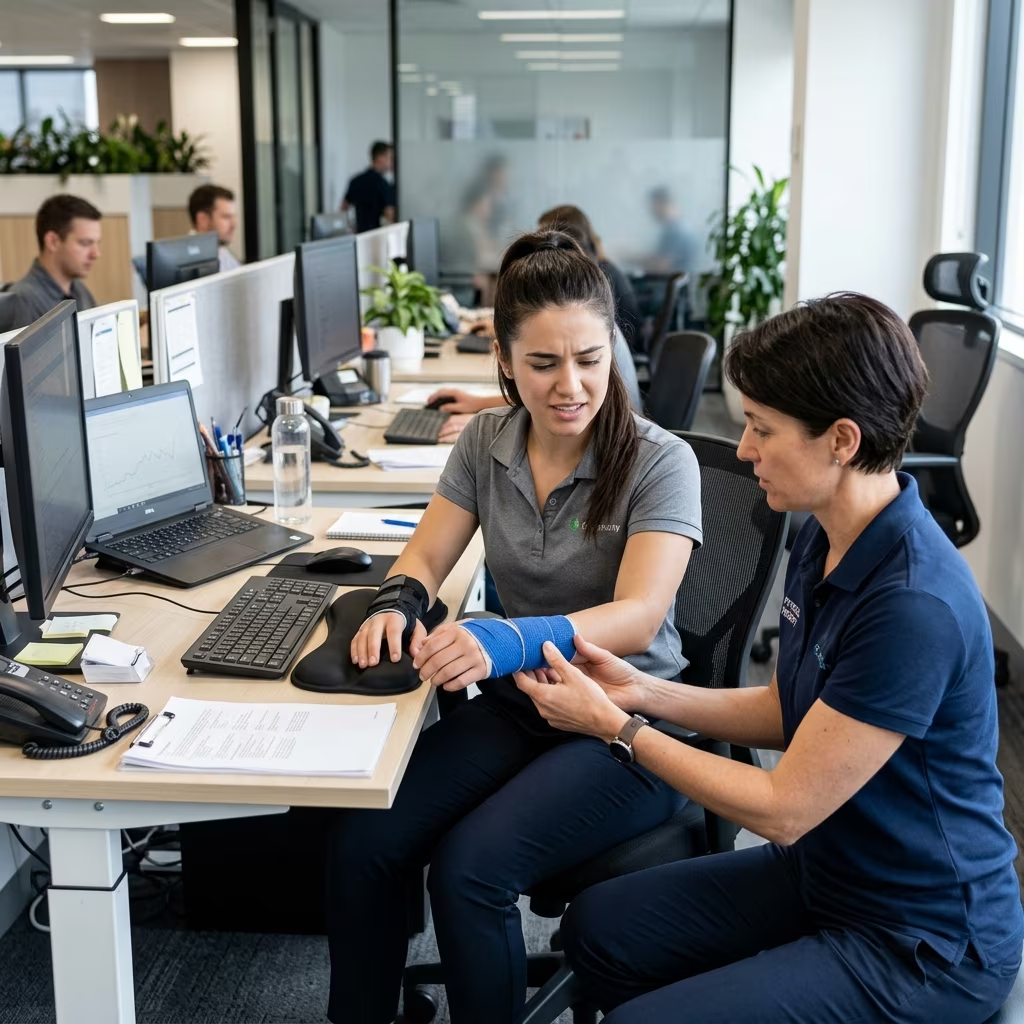
Sprain and strain injuries are among the most common problems facing employees in almost every industry. These injuries can range from mild, short-term pain to serious conditions that require extensive medical care and time away from work. When a sprain or strain happens on the job, it is not only a health issue, but also a legal and financial one. This article explains what workplace sprains and strains are, how they occur, how they can be prevented, and what legal rights workers may have when they suffer these injuries.
What Are Sprains and Strains?
Sprains and strains are both soft-tissue injuries caused by stretching or tearing, but they affect different parts of the body. Understanding the distinction is important for both medical treatment and legal documentation of a workplace injury.
Sprains: Injuries to Ligaments
A sprain is an injury to a ligament, the tough bands of tissue that connect one bone to another at a joint. Sprains commonly affect the ankles, knees, and wrists. They typically occur when a joint is forced beyond its normal range of motion, such as when an employee twists an ankle while stepping off a ladder or slips on a wet floor.
Typical features of sprains include:
- Sudden pain at a joint at the time of injury
- Swelling and possible bruising
- Limited ability to move the affected joint
- A feeling of instability or weakness in the joint
Strains: Injuries to Muscles and Tendons
A strain involves injury to a muscle or tendon, the structures that attach muscle to bone. Strains often affect the back, neck, shoulders, and hamstrings. In the workplace, they may arise from heavy lifting, repetitive motion, or sudden forceful movements.
Common symptoms of strains include:
- Muscle pain or tenderness
- Muscle spasm or tightness
- Reduced strength or loss of function in the affected area
- Pain that worsens with use of the injured muscle
Why These Injuries Matter at Work
Workplace sprains and strains are not minor inconveniences. They are a major source of lost workdays, workers’ compensation claims, and long-term disability. Many safety regulators classify sprains and strains related to overexertion and repetitive motion as musculoskeletal injuries (MSIs), recognizing their significant impact on worker health and productivity.
How Workplace Sprains and Strains Happen
Employees can suffer sprains and strains in virtually any work setting, from offices to warehouses to construction sites. These injuries can develop suddenly or gradually over time. Several incident types and risk factors repeatedly appear in workplace injury data.
Common Incident Types
| Incident Type | Typical Example | Likely Injury |
|---|---|---|
| Overexertion | Lifting, carrying, or pushing heavy loads | Back or shoulder strain; possible ligament sprain |
| Repetitive Motion | Continuous keyboard use or assembly work | Strain of hands, wrists, forearms, or shoulders |
| Slips, Trips, and Falls | Tripping on clutter, slipping on spills | Ankle or knee sprains from awkward landings |
| Awkward Postures | Working bent over, reaching overhead | Neck, back, and shoulder strains |
Underlying Workplace Risk Factors
Many sprain and strain injuries can be traced back to specific workplace risk factors. Safety and ergonomics experts highlight several recurring issues:
- Poor ergonomics: Workstations that require excessive reaching, bending, twisting, or awkward body positions.
- Manual material handling: Frequent lifting, carrying, or lowering heavy objects without mechanical assistance.
- Repetitive tasks: Repeated movements performed for long periods without rest or job rotation.
- Slippery or cluttered surfaces: Floors with spills, obstacles, or uneven surfaces that increase the risk of slips and trips.
- Fatigue and rushing: Working while tired, under time pressure, or without adequate breaks, leading to poor body mechanics and mistakes.
Medical and Occupational Consequences
Sprains and strains may initially seem less serious than fractures or head injuries, but their consequences can be significant. Some injuries heal within days, while others may require weeks or months of treatment and rehabilitation.
Immediate Health Effects
Right after a sprain or strain, an employee may experience pain, swelling, and reduced mobility. In moderate to severe cases, medical evaluation is necessary to rule out fractures, complete tears, or other complications. Early diagnosis and proper treatment help prevent chronic problems.
Long-Term Impact on Work
Untreated or recurrent sprains and strains can lead to chronic pain, reduced range of motion, and permanent limitations in physical capacity. This may affect an employee’s ability to perform essential job duties and can sometimes result in job reassignment or disability claims.
Preventing Sprains and Strains in the Workplace
Safety professionals emphasize that most sprain and strain injuries are preventable when employers systematically identify and control risk factors. Prevention combines engineering improvements, administrative policies, and individual worker practices.
Engineering and Ergonomic Controls
Engineering controls aim to modify the physical work environment so that tasks can be performed in safer, more neutral body positions. Key strategies include:
- Adjust work heights: Organize work so employees can stand or sit erect without leaning forward; place heavy items between knee and shoulder height to minimize bending and reaching.
- Use mechanical aids: Provide hand trucks, carts, conveyors, pallet jacks, or powered lifts to reduce manual lifting and carrying.
- Design standing and seated workstations: Ensure surfaces, chairs, and tools are adjustable and promote neutral postures, especially in shared workstations.
- Improve access and storage: Store frequently used materials off the floor and closer to waist height to reduce strain and the risk of back injury.
Administrative and Organizational Controls
Administrative controls focus on how work is scheduled and organized to reduce exposure to risk factors. Examples include:
- Job rotation: Rotate employees among tasks to minimize prolonged repetitive motions and static postures.
- Regular rest breaks: Provide short breaks to allow muscles and joints to recover, especially during physically demanding work.
- Safe work procedures: Establish clear rules for lifting, carrying, and material handling, including weight limits and team lifting policies.
- Housekeeping standards: Maintain clean, uncluttered floors and work areas to reduce slip, trip, and fall hazards.
Individual Practices and Training
Even in a well-designed workplace, individual behavior matters. Employers should train workers in safe body mechanics and encourage healthy habits. Recommended practices include:
- Proper lifting technique: Stand close to the load, bend the knees, keep the back upright, grip firmly, and lift smoothly using the legs rather than the back.
- Avoid twisting: Turn the whole body instead of twisting the spine while lifting or carrying objects.
- Push rather than pull: When moving heavy items, pushing generally uses stronger muscles and reduces strain on the back and shoulders.
- Warm up before physical tasks: Gentle stretching and light movement increase blood flow to muscles and prepare the body for exertion.
- Recognize early warning signs: Report discomfort, fatigue, or recurring pain promptly so adjustments can be made before a serious injury develops.
Legal Rights of Workers with Sprains and Strains
When a sprain or strain is caused by work activities, it may be covered by workers’ compensation or other legal remedies, depending on local law. Although the details differ by jurisdiction, several general principles commonly apply.
Workers’ Compensation Coverage
In many regions, workers’ compensation systems cover injuries that arise out of and in the course of employment, including sprains and strains. An eligible worker may receive:
- Payment for reasonable and necessary medical treatment
- Partial wage replacement for time off work due to an approved injury
- Benefits for temporary or permanent disability when applicable
Coverage may depend on showing that the injury was work-related rather than purely personal, and that it was reported and documented according to statutory requirements.
Employer Responsibilities
Employers generally have a duty to provide a reasonably safe workplace and comply with occupational safety regulations. This may include:
- Identifying and correcting ergonomic and safety hazards
- Providing appropriate training and protective equipment
- Maintaining records of workplace injuries and incidents
- Cooperating with workers’ compensation claims and investigations
Failure to meet these responsibilities can sometimes lead to regulatory penalties or additional legal exposure, especially if unsafe conditions contribute to serious sprain and strain injuries.
Potential Third-Party Claims
In some cases, an injured worker may have claims beyond the workers’ compensation system. For example, if a defective tool or machine caused a sprain or strain, a product liability claim against the manufacturer may be possible. Similarly, injuries caused by negligence of a non-employer third party, such as a contractor or property owner, may open the door to separate legal actions. An attorney familiar with workplace injury law can evaluate these possibilities.
What to Do After a Workplace Sprain or Strain
Employees who suffer sprain or strain injuries should take immediate and follow-up steps to protect their health and legal rights. Employers should respond promptly to support recovery and fulfill their obligations.
Steps for Injured Employees
- Seek medical attention: Get a professional evaluation, especially if pain is significant, movement is limited, or symptoms persist.
- Report the incident: Notify a supervisor or designated safety representative as soon as feasible, following workplace reporting procedures.
- Document details: Record the date, time, location, task being performed, and any witnesses. Accurate documentation can be important for a claim.
- Follow treatment plans: Comply with medical advice, including restrictions on work activities, physical therapy, and follow-up appointments.
- Consider legal advice: If questions arise about compensation, job security, or employer conduct, consulting a workers’ compensation or personal injury lawyer can help clarify options.
Steps for Employers
- Provide prompt assistance: Ensure the injured worker has access to medical care and knows how to report the injury.
- Complete required forms: File any legally required injury reports and workers’ compensation documentation in a timely manner.
- Investigate the cause: Review the circumstances of the injury, identify contributing factors, and involve employees in developing solutions.
- Implement corrective measures: Adjust equipment, work processes, or training programs to reduce the chance of similar incidents.
- Support return-to-work: Where permitted by law, consider modified duty or gradual return-to-work programs consistent with medical restrictions.
Practical Tips to Reduce Daily Risk
In addition to formal controls, small day-to-day habits can significantly reduce the likelihood of sprains and strains.
- Keep tools and frequently used items close to the body to avoid reaching and awkward postures.
- Maintain hands below head level when possible to reduce stress on the shoulders and neck.
- Use the whole hand to grip rather than pinching with fingers, decreasing strain on hands and wrists.
- Alternate tasks during the day to avoid prolonged repetition of the same movement.
- Use low-vibration tools when available to reduce fatigue and risk of injury to the hands.
Frequently Asked Questions (FAQs)
Are sprain and strain injuries really among the most common workplace injuries?
Yes. Safety agencies and research consistently identify sprains and strains as one of the most frequently reported workplace injury categories, particularly those involving overexertion, repetitive motion, and slips, trips, and falls.[10]
Can a gradual-onset strain from repetitive work be considered a workplace injury?
Often, yes. Many jurisdictions recognize injuries that develop over time due to work-related repetitive motions or chronic exposure to ergonomic risk factors as compensable musculoskeletal injuries, provided they are properly documented and linked to job duties.
What is the difference between ergonomic controls and individual controls?
Ergonomic controls involve changes to the design of tools, equipment, and workstations to reduce physical stress on the body. Individual controls focus on worker behavior, training, and health habits, such as lifting techniques and recognizing early warning signs of discomfort.
Do I need a lawyer for a sprain or strain workers’ compensation claim?
Not every case requires legal representation, but consulting a lawyer can be useful if a claim is denied, benefits are delayed, or you suspect unsafe conditions or third-party negligence contributed to the injury. An attorney can explain local laws and help protect your rights.
How can small businesses realistically prevent sprains and strains?
Even small employers can make meaningful changes by improving housekeeping, rearranging storage to keep heavy items off the floor, providing basic lifting training, rotating tasks, and using simple mechanical aids like carts and hand trucks. Involving employees in identifying practical solutions often leads to cost-effective improvements.
References
- Sprains & Strains — WorkSafeBC. 2023-05-01. https://www.worksafebc.com/en/health-safety/injuries-diseases/sprains-strains
- How to Prevent Sprains and Strains in the Workplace — Society for Human Resource Management (SHRM). 2021-06-15. https://www.shrm.org/topics-tools/news/risk-management/how-to-prevent-sprains-strains-workplace
- Preventing Sprains & Strains — CIRMA. 2020-02-10. https://cirma.ccm-ct.org/preventing-sprains-strains/
- Preventing Sprain/Strain Injuries — Ohio State University Agricultural Safety and Health Program. 2016-02-01. https://agsafety.osu.edu/newsletter/ag-safety-stat/february-2016/injury-prevention/preventing-sprainstrain-injuries
- Solutions for Sprains & Strains — Washington State Department of Labor & Industries. 2022-09-30. https://www.lni.wa.gov/safety-health/preventing-injuries-illnesses/sprains-strains/solutions-for-sprains-strains
- Strain & Sprain Prevention — Princeton University Environmental Health and Safety. 2019-08-12. https://ehs.princeton.edu/book/export/html/78
- Sprains, Strains, and Tears: The Most Common Workplace Injuries — USClaims Educational Resources. 2022-03-10. https://usclaims.com/educational-resources/sprains-strains-and-tears-the-most-common-workplace-injuries/