
Understanding View Restrictions When Buying a Home
Learn how easements, deed covenants, and zoning limits can affect the view from your property before and after you buy.
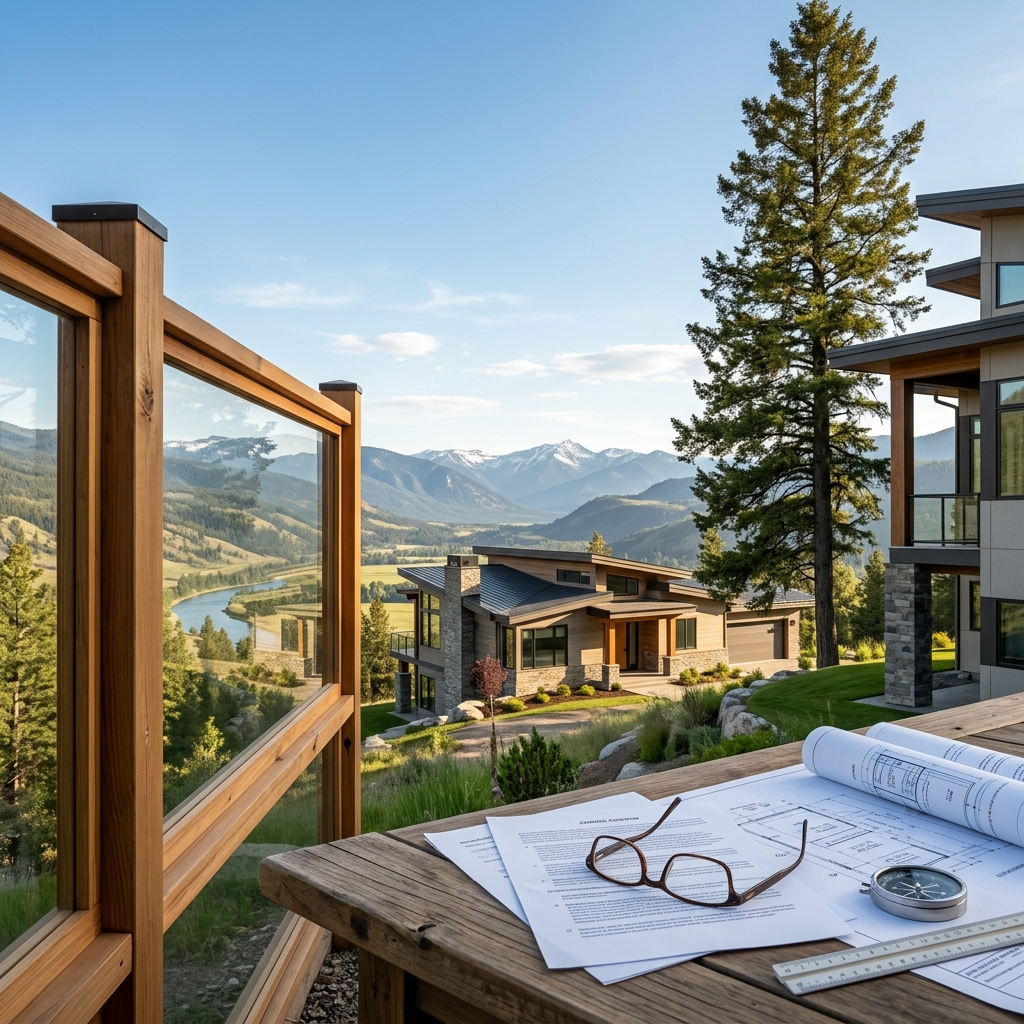
For many buyers, the scenic view from a home is just as important as the building itself. Yet the legal rules that control what you can see from your property, and what your neighbors are allowed to build, are often complex and easy to overlook. View restrictions sit at the intersection of property rights, private agreements, and local land-use regulation. Knowing how they work can help you avoid unpleasant surprises and protect the value of your investment.
This guide explains how view restrictions are created, how they are enforced, and what you can realistically do if a new structure threatens to block your prized panorama. It is designed for homebuyers, homeowners, and anyone evaluating property where the view plays a major role in the purchase decision.
What Are View Restrictions?
View restrictions are rules or legal constraints that limit changes to buildings, landscaping, or other structures in order to preserve a particular visual environment. They can protect:
- The view from your property over neighboring land (such as mountains, water, or city skyline).
- The view across your own land that other property owners or the public are entitled to enjoy.
- The overall character of a neighborhood or historic area by controlling height, bulk, or placement of construction.
These restrictions rarely exist on their own. Instead, they are usually embedded in other legal instruments like easements, deed restrictions, or zoning regulations. Each operates differently and has implications for how long the restriction lasts and who can enforce it.
Common Legal Tools That Affect Views
To understand your rights, it helps to distinguish between the main mechanisms that can affect or protect views.
Easements: Legal Rights to Use or Limit Use of Land
An easement is a legal right to use, or restrict the use of, another person’s property for a specific purpose. Easements are typically recorded in land records and “run with the land,” meaning future owners are bound by them as well.
In the context of view protection, you may encounter:
- View easements granting one property owner the right to prevent certain construction or vegetation that would obstruct a specified view.
- Conservation easements preserving open land or scenic areas, often held by a government or non-profit organization.
- Access easements (such as public pathways or scenic overlooks) that indirectly protect views by controlling development in a corridor.
Easements are enforceable in court, but only by parties who hold rights under the easement. If you are not named in the document, you may not have standing to challenge a view obstruction.
Deed Restrictions and Private Covenants
Deed restrictions, also known as covenants, conditions, and restrictions (CC&Rs), are private agreements attached to the property deed that limit how land can be used. These restrictions often appear in planned communities, subdivisions, or properties subject to homeowners association rules and can include:
- Maximum building height or number of stories.
- Limits on where structures can be placed on the lot.
- Requirements to maintain landscaping at a certain height.
- Prohibitions on specific types of structures that could obstruct views (for example, large fences or outbuildings).
Because deed restrictions “run with the land,” they apply to current and future owners and can last decades or more, depending on state law and the terms used. They are typically enforceable by other property owners in the same development or by an association, which can seek court orders or fines for violations.
Zoning and Local Land-Use Controls
Zoning ordinances and related land-use regulations are adopted by local governments to control development patterns, building intensity, and neighborhood character. While they usually focus on safety, density, and environmental impacts, they can also indirectly shape what views are possible in a given area. Common zoning tools that affect views include:
- Height limits on buildings or structures.
- Setback requirements, which require structures to be a certain distance from property lines.
- Floor-area ratio (FAR) controls that cap total building bulk.
- Special overlay districts for historic or scenic areas that impose more restrictive design rules.
Zoning rules are public law; they apply regardless of what a private deed says. However, private restrictions can be more demanding than local zoning, and both sets of rules may apply at the same time.
Who Owns a View?
In most jurisdictions in the United States, there is no automatic legal right to an unobstructed view. Courts have historically recognized fundamental property rights like possession, use, and quiet enjoyment, but the right to a particular scenic vista generally must be created by contract or statute.
As a result, you cannot usually prevent a neighbor from building a structure that blocks your view unless one of the following is true:
- You hold a valid view easement or covenant that restricts the neighbor’s ability to build.
- The proposed construction violates local zoning or building codes (for example, exceeding height limits).
- The activity meets the legal threshold for a nuisance or violates other specific legal duties (such as safety codes).
Conversely, if your property is burdened by a view easement benefiting someone else, your ability to add structures, plant trees, or change the landscape may be limited even though you own the land.
Practical Impacts of View Restrictions on Homeownership
View restrictions can be either an asset or a constraint, depending on whether they protect your view or limit your options. They can affect:
Property Value and Marketability
Protected views often translate to higher property value. Research on deed-restricted housing shows that limiting certain uses or resale terms can be a deliberate policy tool to preserve community benefits over time. Similarly, well-drafted view restrictions can:
- Reduce uncertainty about future development that might block the view.
- Strengthen buyer confidence and market appeal.
- Align neighborhood expectations about building scale and design.
However, restrictions that are too rigid may discourage buyers who want flexibility in remodeling or adding structures. Prospective buyers should weigh the value of the view against the limits imposed on future construction.
Renovation and Expansion Plans
If you plan to add a second story, expand a deck, or install large outdoor features, view-related rules may constrain your designs and increase project costs. Typical impacts include:
- Need for additional surveys to confirm heights, setbacks, and sightlines.
- Requirement to obtain approvals from a homeowners association or other covenant holders.
- Possible redesigns to comply with easement boundaries or structural limits.
Early due diligence and consultation with professionals can help avoid expensive redesigns or legal disputes. Mortgage and title companies frequently recommend reviewing homeowners’ rights and deed restrictions before closing on a property.
Neighbor Relations and Community Governance
Disputes over blocked views can strain relationships between neighbors. Where view restrictions exist, enforcement often occurs through:
- Informal negotiation and compromise.
- Homeowners association processes, such as design review committees or hearing panels.
- Formal legal action seeking injunctions or damages.
Understanding your rights and obligations before making changes is usually the best way to preserve both your view and good neighbor relations.
How to Investigate View Restrictions Before You Buy
When a view is central to your decision to purchase property, due diligence should go beyond the visual impression you get during a showing. Consider the following steps:
Review Recorded Documents
- Deed and title report: Ask your title company or attorney to identify any easements, covenants, or restrictions affecting the property.
- Subdivision maps: These can reveal planned view corridors, building envelopes, or reserved open space.
- HOA governing documents: Review bylaws, CC&Rs, and design guidelines if the property is within an association.
Check Local Zoning and Building Rules
- Identify the zoning classification of the property and neighboring lots.
- Confirm height limits, setback requirements, and any special overlay districts that could affect future building.
- Ask planning staff whether any pending applications or long-range plans might change what can be built nearby.
Assess Surrounding Land Uses and Ownership
- Note any vacant lots or underdeveloped sites that could host taller structures in the future.
- Determine whether nearby land is subject to conservation easements or public ownership that tends to preserve open views.
- Consider how broader housing and land-market trends, including investment activity, might drive intensification over time.
Strategies for Protecting or Securing a View
If a view is critical to your enjoyment or the value of a property, you may wish to take proactive steps to secure legal protection.
Negotiating View Easements
In some cases, neighbors may be willing to negotiate a formal view easement. Key points to address include:
- Scope: Which portion of the view is protected and from what vantage points?
- Limitations: Maximum heights for structures or vegetation; allowable types of improvements.
- Duration: Whether the easement is perpetual or lasts for a fixed term.
- Compensation: Whether consideration is paid for restricting the other owner’s property.
The easement should be drafted by a qualified attorney and recorded in the public land records to ensure it binds future owners.
Working Through Homeowners Associations
In HOA communities, view protection often occurs through architectural review and enforcement of covenants. To strengthen your position:
- Participate in association governance, especially on design or architectural committees.
- Advocate for clear and consistent standards on building height and landscape maintenance.
- Ensure the association follows proper procedures when approving new construction, including notice and opportunity for comment.
Using Public Planning Processes
Local governments sometimes adopt scenic protection policies through comprehensive plans, zoning overlays, or historic district regulations. Homeowners can:
- Engage in public hearings or comment periods on zoning changes and development proposals.
- Support policies that protect key view corridors while balancing housing and economic needs.
- Work with community organizations or land trusts interested in conservation easements and open-space preservation.
What If Your View Is Threatened?
When you learn that a new building or landscaping plan may obstruct your view, your options depend on the legal framework in place.
| Situation | Possible Actions |
|---|---|
| No documented view rights | Informal negotiation; check zoning and building codes; consider whether activity creates a nuisance or safety issue. |
| Existing view easement or covenant | Review the language; request compliance; if necessary, seek legal advice about injunctive relief or damages. |
| HOA-controlled property | Use association procedures to challenge approvals; attend hearings; consider internal dispute resolution or mediation. |
| Potential zoning violation | Contact the local planning or building department; file a complaint; participate in any appeal or variance process. |
Regardless of the legal path, documenting the existing view with photographs, surveys, and dated records can be helpful if a dispute escalates.
FAQs About View Restrictions
Do I automatically own the view from my property?
No. In most areas, you do not have an inherent right to an unobstructed view. Such rights usually arise only if they are expressly created by easements, private covenants, or specific local regulations.
Can I stop my neighbor from planting tall trees that block my view?
Only if you have a legally enforceable restriction limiting vegetation height, or if the planting violates local ordinances (for example, safety or visibility standards). Otherwise, your neighbor generally may use their property as allowed under applicable law.
How can I find out if there are view-related restrictions on a property I want to buy?
Review the deed, title report, and any recorded easements or covenants. Ask for HOA documents if applicable, and consult local zoning rules. Working with a real estate attorney or experienced agent can help interpret these materials.
Do deed restrictions about affordability affect views?
Affordability-focused deed restrictions typically control resale price and buyer eligibility, not views directly. However, these programs often use similar legal tools and long-term covenants, so the mechanism is comparable.
Is litigation over blocked views common?
Disputes do arise, especially in high-value scenic areas, but many are resolved before trial through negotiation, mediation, or local administrative processes. Court outcomes depend heavily on the exact wording of easements or covenants and the applicable state law.
References
- Deed-Restricted Homeownership — Local Housing Solutions. 2023-05-01. https://www.localhousingsolutions.org/housing-policy-library/deed-restricted-homeownership/
- What Are the Ownership Rights in Real Property? — New York City Bar Association. 2021-06-15. https://www.nycbar.org/get-legal-help/article/real-property-law/ownership-rights-in-real-property/
- Home Buying Rules: 9 Essential Steps for Buyers — Rocket Mortgage. 2024-02-10. https://www.rocketmortgage.com/learn/home-buying-rules
- Title 68 – Real and Personal Property — Pennsylvania General Assembly. 2020-01-01. https://www.legis.state.pa.us/wu01/li/li/ct/htm/68/68.htm
- Homeownership — Maryland People’s Law Library. 2022-09-30. https://www.peoples-law.org/cat/real-estate-and-other-housing/homeownership
- Congress Limits Institutional Acquisition of Single-Family Homes — Morgan, Lewis & Bockius LLP. 2026-07-02. https://www.morganlewis.com/pubs/2026/07/congress-limits-institutional-acquisition-of-single-family-homes
Similar Articles








Read full bio of medha deb


