
DUI Rules for Boats and Aircraft Explained
Understanding how DUI laws apply to boats, personal watercraft, and aircraft, and the serious consequences of impaired operation.
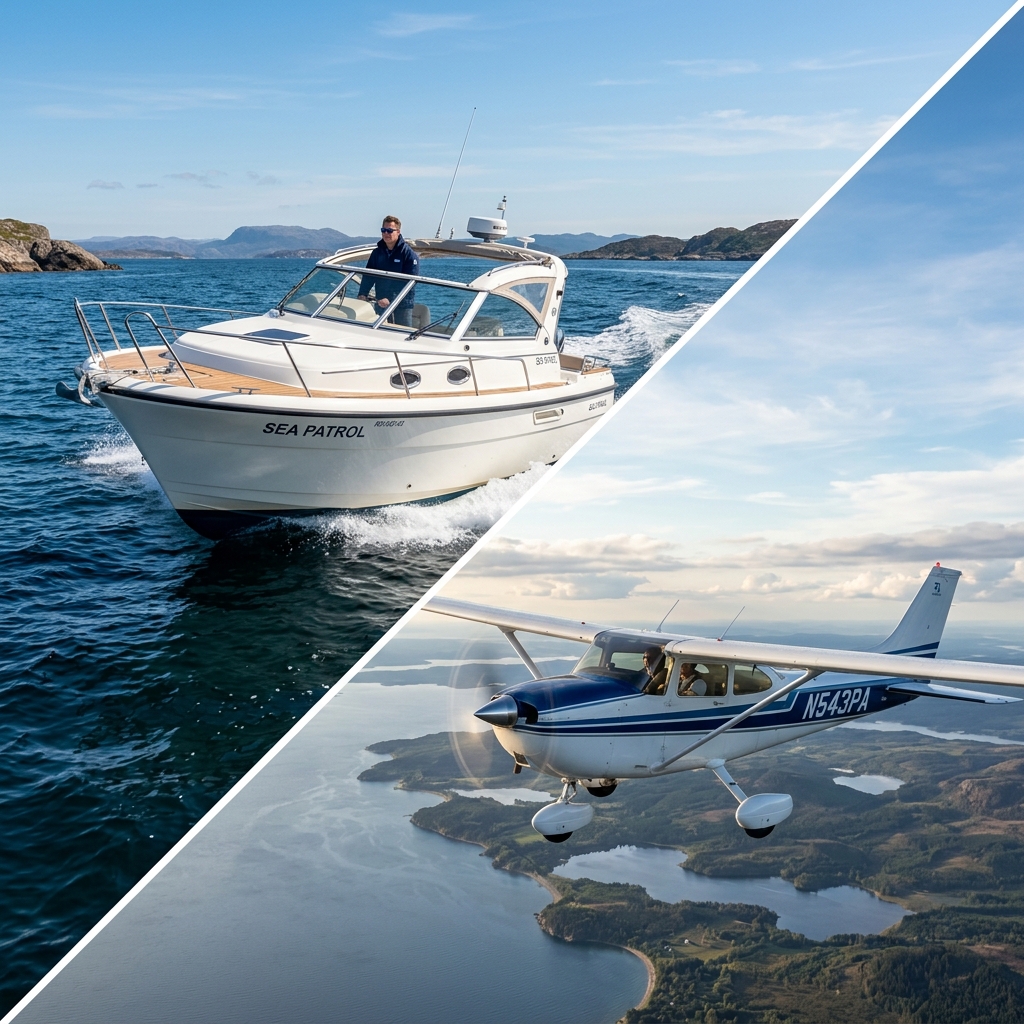
Driving under the influence laws do not stop at the roadway. Modern law treats boats, personal watercraft, and aircraft as serious modes of transportation, and operating them while impaired by alcohol or drugs can trigger criminal charges, license consequences, and long-term safety risks.
This guide walks through how DUI-style rules apply to watercraft and aircraft, the typical legal standards, what penalties you may face, and why impaired operation is particularly dangerous in these environments.
From Road to Water and Air: How DUI Concepts Extend
Traditional driving under the influence (DUI) laws focus on motor vehicles on public roads. Over time, legislatures and regulators recognized that intoxicated operation of any powerful or complex vehicle poses comparable risks.
- All U.S. states and the District of Columbia prohibit operating a boat while intoxicated, typically under boating under the influence (BUI) statutes.
- Federal aviation rules restrict flying while under the influence and set specific time and blood alcohol concentration limits for flight crew members.
- Military law, through the Uniform Code of Military Justice (UCMJ), penalizes drunk or reckless operation of any vehicle, aircraft, or vessel.
Although terminology varies (DUI, DWI, OUI, BUI), the core idea is the same: operating a vehicle while impaired, or with a blood alcohol concentration (BAC) at or above a legal threshold, is a criminal offense.
Key Legal Terms: DUI, BUI and Similar Offenses
Different jurisdictions use different labels for impaired operation. Understanding these terms helps clarify which rules apply when you leave the roadway.
| Term | Typical Meaning | Applies To |
|---|---|---|
| DUI/DWI/OUI | Operating a motor vehicle while impaired by alcohol or drugs or over the legal BAC limit. | Cars, trucks, motorcycles, and sometimes other motorized vehicles depending on state law. |
| BUI | Operating a vessel while intoxicated or over the legal BAC limit. | Powerboats, sailboats, personal watercraft, and similar vessels on navigable waters. |
| Alcohol-related motor vehicle action | An event such as suspension, revocation, or conviction linked to impaired driving, which pilots must report to aviation authorities. | Any device classified as a motor vehicle under state law, including boats in some jurisdictions. |
| Drunken operation of vehicle, aircraft, or vessel | Military offense under UCMJ Article 113 for drunk or reckless operation. | Vehicles, aircraft, or vessels operated by service members. |
The practical consequence is that intoxication-related rules follow you onto the water and into the air, even if the exact label differs.
Boating Under the Influence: How States Approach Watercraft
Every state has some form of boating under the influence law, though specific definitions and penalties differ. These statutes typically cover both traditional vessels and smaller recreational craft.
What Counts as a “Vessel” or Watercraft?
State law frequently defines a wide range of devices as vessels for BUI purposes.
- Powerboats and sailboats, including cabin cruisers and fishing boats
- Personal watercraft such as jet skis and similar machines
- Water skis, wakeboards, and towable devices in some jurisdictions
- Other motorized craft used on lakes, rivers, or coastal waters
In many states, you can be charged if you operate any such craft while impaired, even if you are far from shore or not near roadways.
Legal BAC Limits and Underage Rules on the Water
Most BUI laws adopt BAC limits similar to road-based DUI rules. Common patterns include:
- 0.08% BAC for adults operating recreational vessels, matching the standard limit for driving a car in most states.
- Lower thresholds (often near 0.02% BAC) for operators below the legal drinking age, reflecting zero-tolerance policies.
- Separate, sometimes stricter limits for commercial or passenger-carrying vessels.
Any visible impairment, even below the numerical limit, may still lead to enforcement action if law enforcement believes your ability to operate safely is compromised.
Testing, Implied Consent and Enforcement
Operating a boat on public waters commonly triggers an “implied consent” obligation: by using the waterway, you agree to testing if an officer suspects intoxication.
- Officers may conduct field sobriety evaluations adapted for the marine environment.
- Breath, blood, or urine tests may be required to determine BAC.
- Refusing testing can lead to loss of boating privileges for a defined period and may be admissible evidence in a criminal case.
Authorities often increase patrols during high-traffic holidays and weekends because intoxication-related incidents on the water spike in these periods.
Typical Penalties for Boating Under the Influence
Penalties for BUI are designed to mirror the seriousness of DUI. According to state law summaries and safety education materials, consequences commonly include:
- Criminal charges, often classified as misdemeanors for a first offense, with possible felony treatment for repeated offenses or cases involving serious injury or death.
- Fines that can range from a few hundred dollars to several thousand dollars depending on the jurisdiction and offense history.
- Jail time, particularly for repeat offenses or incidents involving harm to others.
- Suspension or revocation of boating or watercraft operation privileges for months or years, with longer suspensions for multiple violations.
- Mandatory education or treatment programs focused on alcohol and drug use risk reduction.
Some states also consider aggravating factors, such as having a child onboard while intoxicated, which can lead to separate charges for endangering a minor.
Aircraft and Alcohol: Flying Under the Influence
Flying a plane requires intense concentration, technical skill, and rapid decision-making. For this reason, aviation regulators impose strict limits on alcohol use by pilots and other flight crew members.
Federal Rules for Civil Aircraft Crew
Federal aviation regulations address alcohol use directly. Under rules in Title 14 of the Code of Federal Regulations:
- Individuals may not act or attempt to act as crew members of a civil aircraft while under the influence of alcohol or drugs.
- There are specific limits on the amount of alcohol in a pilot’s system and how soon they can fly after drinking.
- Operating with a prohibited BAC or under the influence of impairing drugs can trigger enforcement action, including certificate suspension or revocation.
These rules apply regardless of whether the flight is commercial, private, or recreational, as long as it falls under the applicable federal regulations.
Reporting Duties for Pilots After Alcohol-Related Incidents
When pilots face alcohol- or drug-related incidents involving motor vehicles, they often have reporting duties to the Federal Aviation Administration (FAA).
- Pilots must provide written notification to the FAA within a specific timeframe after certain motor vehicle actions, such as license suspensions or convictions related to impaired driving.
- These reporting duties can apply even if no criminal conviction occurs, for example, after an administrative suspension.
- If a state classifies a boat or other device as a motor vehicle, alcohol-related actions involving that device may also require reporting.
Failure to comply with these reporting requirements can lead to separate enforcement measures by aviation authorities, independent of any criminal case in state court.
Military Rules: UCMJ Article 113
Service members are subject to the Uniform Code of Military Justice, which contains a specific offense covering drunk or reckless operation of vehicles, aircraft, and vessels.
- Article 113 prohibits operating or controlling a vehicle, aircraft, or vessel in a drunken or reckless manner or with a BAC at or above an applicable limit.
- For incidents within the United States, the applicable limit is the lesser of the state’s limit where the incident occurs or 0.08% BAC.
- If the conduct results in injury, the potential maximum punishment increases, including possibilities such as dishonorable discharge, forfeiture of pay, and extended confinement.
This framework ensures that impaired operation by service members is addressed both criminally and within the military disciplinary system.
Comparing Road, Water, and Air Impaired Operation
Although DUI, BUI, and aviation alcohol rules arise from different legal sources, they share core elements.
| Aspect | Road (DUI) | Water (BUI) | Air (Flight crew rules) |
|---|---|---|---|
| Core conduct | Driving a motor vehicle while impaired or over BAC limit. | Operating a vessel or watercraft while impaired or over BAC limit. | Acting as aircraft crew while impaired or over specified alcohol limit. |
| Common adult BAC threshold | Typically 0.08%. | Often 0.08% for recreational vessels. | Specific limits set by federal regulation; often lower than 0.08%. |
| Underage or special-category rules | Zero tolerance or low limits for underage drivers. | Zero tolerance or very low limits for underage operators. | Professional standards and medical fitness requirements for pilots. |
| Penalties | Fines, jail, license suspension, mandated programs. | Fines, jail, suspension of boating privileges, education programs. | Certificate action, enforcement, possible criminal penalties in severe cases. |
This comparison highlights that impaired operation has serious consequences in all environments, tailored to the risks of each mode of transportation.
Safety Risks Unique to Water and Air
Operating while impaired on the water or in the air is especially dangerous because of environmental factors and the complexity of navigation.
Challenges of Boating While Intoxicated
Boating under the influence is hazardous for reasons beyond simple slowed reaction time.
- Sun, wind, motion, and engine noise can combine with alcohol to intensify fatigue and reduce alertness.
- Many boats lack the physical protections of cars, increasing the risk of falls overboard or collision-related trauma.
- Emergency response may be slower on remote waters, so delays in recognizing danger or summoning help can be critical.
These conditions mean that even moderate impairment can become deadly in a marine setting.
Complexity of Flying Under the Influence
Flying requires constant spatial awareness, rapid decision-making, and precise control of instruments. Impairment can compromise all of these skills.
- Reduced judgment can lead to poor route selection, unsafe weather decisions, or inadequate fuel planning.
- Slowed reactions may prevent timely responses to unexpected events such as turbulence, system failures, or traffic conflicts.
- Impaired coordination can affect takeoffs, landings, and the ability to follow instrument procedures.
Because errors in the air can escalate quickly, aviation regulators maintain strict standards and closely monitor alcohol-related incidents.
Practical Tips to Avoid Impaired Operation Charges
For anyone who drives, boats, or flies, planning ahead is the most effective defense against DUI-style charges and accidents.
- Designate a sober operator for boats and aircraft if alcohol will be present.
- Know the law in your state or region, including BAC limits, implied consent rules, and special restrictions on underage operators.
- Separate recreation from operation by avoiding alcohol entirely on days when you plan to pilot a plane or captain a boat.
- Understand reporting duties if you hold a pilot certificate, including when to notify authorities about alcohol-related motor vehicle actions.
- Seek legal help promptly if you face an investigation or arrest, especially where both criminal and licensing consequences are possible.
These steps support both compliance with the law and the safety of everyone on board or nearby.
Frequently Asked Questions
Can I be charged with a DUI-style offense on a boat?
Yes. In every U.S. state, operating a boat while intoxicated is prohibited, often under “boating under the influence” statutes that carry penalties similar to road-based DUI offenses.
Is the legal BAC limit on the water the same as on the road?
In most states, the standard BAC limit for adults operating recreational vessels is 0.08%, matching the common limit for driving a car, though underage and commercial operators may face stricter thresholds.
Do pilots have to report a DUI involving a car or boat?
Many pilots must report certain alcohol- and drug-related motor vehicle actions, including license suspensions and convictions, to the FAA within specified timeframes, and this can include boating incidents if the boat is classified as a motor vehicle under state law.
Can a service member be punished for drunk boating or flying under military law?
Yes. UCMJ Article 113 makes drunken or reckless operation of vehicles, aircraft, or vessels a military offense, with potential punishments ranging from confinement to loss of pay and discharge, especially if injuries result.
Are penalties for boating under the influence really as serious as DUI penalties?
In many jurisdictions, BUI penalties mirror DUI consequences, including fines, possible jail time, and suspension of operating privileges, reflecting the comparable risk posed by intoxicated operation on the water.
References
- Summary of State Laws Addressing Boating Under the Influence — The Network for Public Health Law. 2019-04-30. https://www.networkforphl.org/wp-content/uploads/2019/11/Summary-Boating-Under-the-Influence-State-Laws-6-27-19.pdf
- Boating Under the Influence – Georgia Boat Safety Act — Georgia Department of Natural Resources Law Enforcement Division. n.d. https://gadnrle.org/bui
- UCMJ Article 113: Drunken or Reckless Operation of a Vehicle, Aircraft, or Vessel — MyMilitaryLawyers (summarizing Manual for Courts-Martial). 2023-06-01. https://www.mymilitarylawyers.com/ucmj-article-113-drunken-or-reckless-operation-of-a-vehicle-aircraft-or-vessel/
- Airmen and Drug- and/or Alcohol-Related Motor Vehicle Action(s) — Federal Aviation Administration. 2023-02-15. https://www.faa.gov/about/office_org/headquarters_offices/ash/ash_programs/investigations/airmen_duidwi
- What is Boating Under the Influence? — Boat Ed. 2022-07-01. https://www.boat-ed.com/blog/what-is-boating-under-the-influence/
- Can a Person Get a DUI for Flying Under the Influence? — DUI Central. 2016-02-01. https://www.duicentral.com/blog/2016/february/can-a-person-get-a-dui-for-flying-under-the-infl/
Similar Articles








Read full bio of Sneha Tete




