
Understanding U.S. Federal Law on Child Sexual Abuse
A clear, accessible overview of how U.S. federal law defines, investigates, and prosecutes child sexual abuse, and how victims and families can seek justice.
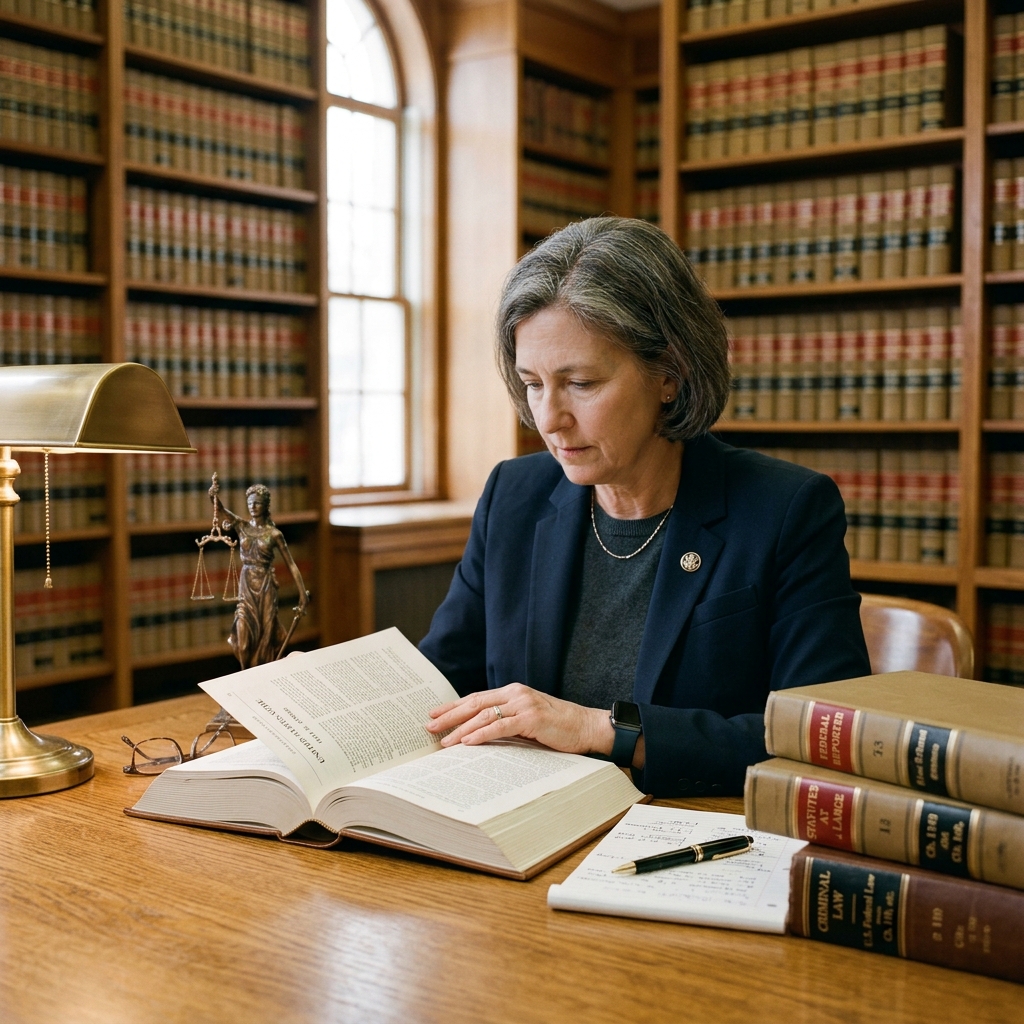
Child sexual abuse is a severe crime that carries profound physical, emotional, and psychological consequences for victims and their families. U.S. federal law establishes a framework for investigating, prosecuting, and punishing the most serious forms of child sexual abuse, particularly when cases involve federal interests such as interstate activity, federal property, or online exploitation.
This article provides a comprehensive, plain-language overview of how federal law addresses child sexual abuse, when a case becomes a federal offense, what penalties apply, and how the criminal process typically works. It also explains challenges in prosecution and highlights protections and resources available for children and families.
Core Concepts: What Counts as Child Sexual Abuse Under Federal Law?
Under federal law, child sexual abuse refers to a range of criminal behaviors involving sexual acts or exploitation of a person under 18 years of age. These behaviors may include physical contact, coercion, exploitation for images or videos, or travel to engage in illegal sexual conduct.
Key ideas that define child sexual abuse in the federal framework include:
- Age of the victim: Generally, victims are minors under 18, with heightened protections for younger children and those under a particular age threshold in some statutes.
- Absence of valid consent: Children cannot legally consent to sexual activity with adults, and federal law treats such conduct as inherently exploitive.
- Use of force, threats, or manipulation: Many statutes impose additional penalties when violence, threats, kidnapping, or serious bodily injury are involved.
- Sexual exploitation: Production or distribution of images or videos depicting child sexual abuse, often referred to as child sexual abuse material (CSAM), is a separate and very serious offense.
While individual states define and prosecute most child sexual abuse cases under their own criminal codes, federal law provides a set of powerful tools for cases that involve national interests, cross borders, or utilize federal systems such as the internet.
Federal Jurisdiction: When Does Child Sexual Abuse Become a Federal Crime?
Not every case of child sexual abuse is handled in federal court. In fact, most incidents are prosecuted under state or local laws. Federal authorities step in when specific jurisdictional triggers are present.
| Jurisdiction Trigger | Example Scenario |
|---|---|
| Federal property or lands | Offense occurs on a military base, in Indian Country, or another federal facility. |
| Interstate or international activity | Perpetrator travels across state lines or abroad to engage in illegal sexual conduct with a child. |
| Use of federal systems | Online exploitation using the internet or electronic communications to produce or distribute CSAM. |
| Federal offenders or victims | Crimes against federal employees or within federal institutions such as federal prisons. |
Federal laws typically do not apply to a case that takes place entirely within one state and has no other federal connection. Those matters are normally handled by local police, prosecutors, and state courts.
Examples of Situations That May Trigger Federal Involvement
- An adult travels from one state to another with the intent to sexually abuse a minor.
- Abuse occurs inside housing on a military installation, and the child and alleged offender both live on the base.
- An offender uses internet platforms to solicit, coerce, or extort a child into producing sexually explicit images.
- Large-scale production or trafficking of CSAM that crosses state or national borders.
In these situations, federal investigators such as the FBI and federal prosecutors from the U.S. Department of Justice may take the lead.
Key Federal Offenses Related to Child Sexual Abuse
Federal law covers a variety of specific offenses linked to child sexual abuse. Several major statutes focus on physical abuse and contact, while others address sexual exploitation and abuse material.
Sexual Abuse and Abusive Sexual Contact
A group of core federal statutes define crimes related to direct sexual abuse of minors, including:
- Aggravated sexual abuse – involves serious circumstances such as use of force, threats, serious bodily injury, or kidnapping. Penalties are more severe due to the heightened harm.
- Sexual abuse – covers non-consensual sexual acts where force may not be as extreme as in aggravated cases but still involves exploitation or lack of lawful consent.
- Sexual abuse of a minor or ward – addresses situations where the victim is a minor or under legal guardianship or custody, including abuse by individuals in positions of authority.
- Abusive sexual contact – covers sexual touching or contact that does not reach the level of a full sexual act but is still criminal and exploitative.
Each statute has specific elements that prosecutors must prove, such as the age of the child, the nature of the contact, and the location of the offense (for example, whether it occurred on federal land).
Sexual Exploitation and Child Sexual Abuse Material
Another crucial federal offense concerns the sexual exploitation of children, often involving the creation of images or videos of child sexual abuse. Federal law imposes very strict penalties for individuals who produce, attempt to produce, or facilitate the production of such material.
Key aspects include:
- Minimum imprisonment periods; for example, production of CSAM typically carries a mandatory minimum sentence measured in years.
- Covers attempts and conspiracies, not just completed offenses.
- Applies to those who entice or coerce minors to engage in sexually explicit conduct for the purpose of creating visual depictions.
In addition to production, various federal statutes address possession, distribution, and advertising of child sexual abuse material. These offenses often involve digital evidence and cross-border investigations.
Penalties and Sentencing for Federal Child Sexual Abuse Crimes
Federal penalties for child sexual abuse offenses are intentionally severe. They are designed both to punish past harm and to deter future offenses.
Types of Criminal Penalties
- Imprisonment: Many federal child sexual abuse offenses carry lengthy terms of imprisonment. For exploitation and production of CSAM, minimum sentences often begin at 15 years and may extend up to life, depending on the circumstances and prior criminal history.
- Fines: Courts may impose substantial fines as part of the sentence, particularly in cases involving large-scale exploitation or trafficking.
- Supervised release: After serving a prison term, offenders typically remain under supervision for many years, subject to strict conditions related to contact with minors, internet use, and treatment.
- Sex offender registration: Federal law works together with state sex offender registration systems, often requiring long-term or lifetime registration for those convicted of serious offenses against children.
Data from the United States Sentencing Commission indicate that federal sexual abuse cases have increased in recent years, and a significant portion of offenders receive substantial prison sentences.
Factors That Influence Sentence Severity
Courts and sentencing guidelines consider a number of factors when determining the appropriate punishment for a federal child sexual abuse offense.
- Use of force, threats, or weapons
- Infliction of serious bodily injury or psychological trauma
- Number of victims and duration of the abuse
- Creation or distribution of abuse material
- Prior criminal history, especially prior sexual offenses
- Victim’s age and vulnerability
These factors can substantially increase recommended sentencing ranges and may contribute to the court imposing the maximum allowed penalties.
The Criminal Process: From Report to Prosecution
The journey from an initial report of child sexual abuse to a completed federal prosecution can be lengthy and complex. Research shows that many cases do not advance all the way to felony prosecution, and multiple factors can influence whether charges are ultimately filed.
Initial Report and Investigation
Most cases begin with a report to law enforcement, child protective services, a school, or a medical professional. In federal cases, agencies such as the FBI may become involved when jurisdictional triggers are present.
Key steps during investigation may include:
- Interviewing the child in a child-friendly, trauma-informed setting
- Gathering digital evidence, such as online communications or images
- Obtaining medical or forensic examinations where appropriate
- Coordinating with state authorities when both federal and state interests are present
Studies of child sexual abuse cases highlight that only a portion of reported incidents progress to formal charges. One study found that a minority of initial allegations resulted in felony prosecutions, emphasizing how complex and demanding these cases can be.
Decision to Charge and Prosecution Challenges
Prosecutors evaluate whether the available evidence meets the high standard required for criminal charges. Several factors can influence whether a case moves forward:
- Perpetrator age: Some research indicates that cases involving older perpetrators may be more likely to move ahead, possibly due to perceived seriousness or evidentiary strength.
- Victim willingness to participate: Child victims may struggle with repeated interviews or court testimony, and reluctance or fear can affect prosecution decisions.
- Caregiver support: Supportive parents or guardians can be critical, both emotionally for the child and in facilitating cooperation with investigators and prosecutors.
- Quality and consistency of disclosure: Delays, fragmented memories, or inconsistent accounts are common in trauma but can create legal challenges, particularly when the case hinges largely on testimony.
Despite these obstacles, successful prosecutions can provide an important form of justice for survivors and help protect other children from future harm.
Victim Protection and Legal Reforms
Federal law and policy efforts aim not only to punish offenders but also to strengthen protections and access to justice for survivors of child sexual abuse.
Statute of Limitations Reform
Many survivors disclose abuse years or even decades after the events, often due to trauma, fear, or family dynamics. Recognizing this, policy proposals have sought to encourage states to eliminate or extend statutes of limitations for child sexual abuse crimes.
One legislative effort has proposed providing incentives to states that:
- Remove criminal time limits for child sexual abuse prosecutions
- Allow civil lawsuits for a broader time period
- Actively work to reduce backlogs of forensic evidence such as sexual assault kits
Although such proposals focus primarily on state reforms, they reflect a broader movement toward ensuring that survivors have an opportunity to seek justice whenever they are ready to come forward.
Support Services and Trauma-Informed Practices
Investigators and prosecutors increasingly recognize the need for trauma-informed practices when working with child victims. This includes interviewing techniques designed to reduce retraumatization, specialized child advocacy centers, and access to counseling and medical care.
Effective support services can:
- Improve the child’s emotional and psychological recovery
- Increase the likelihood that they can participate in the justice process safely
- Enhance the quality of evidence by enabling more consistent disclosures
How Parents and Caregivers Can Respond
Parents, guardians, and caregivers play a crucial role in both preventing abuse and responding appropriately when concerns arise. While federal law addresses severe and jurisdictionally complex cases, day-to-day protection begins in homes, schools, and communities.
Warning Signs of Possible Abuse
Children may not always verbalize abuse directly. Instead, caregivers may notice changes in behavior or health, such as:
- Sudden anxiety, depression, or withdrawal from family and friends
- Unexpected sexualized behavior or knowledge that is not age-appropriate
- Changes in sleep patterns, nightmares, or bedwetting
- Unexplained physical injuries or complaints of pain
- Significant changes in school performance or attendance
Any of these signs should prompt gentle, supportive conversation and, where appropriate, consultation with medical, mental health, or child protection professionals.
Steps to Take if Abuse Is Suspected or Disclosed
If a child discloses abuse, or if a caregiver strongly suspects it, immediate steps can make a difference:
- Listen calmly and reassure the child that they are believed and not at fault.
- Avoid detailed questioning; let trained professionals conduct forensic interviews.
- Contact local law enforcement or child protective services to report concerns.
- Seek medical care if there may be physical injury or the need for forensic examination.
- Engage with victim support services such as counseling or advocacy organizations.
In cases involving federal property, interstate activity, or online exploitation, local authorities may coordinate with federal agencies such as the FBI or U.S. Attorney’s Offices.
Frequently Asked Questions (FAQ)
Does every child sexual abuse case go to federal court?
No. Most child sexual abuse cases are handled by state or local systems. Federal involvement generally occurs only when specific jurisdictional factors are present, such as abuse on federal lands, interstate travel for illegal sexual activity, or large-scale online exploitation using federal systems.
What is the difference between sexual abuse and aggravated sexual abuse under federal law?
Sexual abuse refers to unlawful sexual acts where a child cannot legally consent. Aggravated sexual abuse involves additional serious factors such as use of force, threats, serious bodily injury, or kidnapping, resulting in harsher penalties.
How serious are federal penalties for producing child sexual abuse material?
Federal penalties for producing child sexual abuse material are extremely severe. Statutes typically require lengthy mandatory minimum prison sentences, often starting at 15 years, and can increase to decades or life in prison depending on the facts.
Why do some cases of child sexual abuse never result in prosecution?
Research indicates that many cases do not move forward due to factors like limited evidence, challenges in victim disclosure, lack of caregiver support, or complex trauma responses that affect the child’s ability to participate in legal proceedings.
Can adults who were abused as children still seek justice years later?
In some jurisdictions, reforms have expanded or eliminated statutes of limitations for child sexual abuse crimes and civil claims. Eligibility depends on the specific laws in the relevant state or federal system, and ongoing legislative efforts aim to allow survivors more time to come forward.
References
- Citizen’s Guide to U.S. Federal Law on Child Sexual Abuse — U.S. Department of Justice, Criminal Division. 2023-09-01. https://www.justice.gov/criminal/criminal-ceos/citizens-guide-us-federal-law-child-sexual-abuse
- 18 U.S. Code § 2251 – Sexual Exploitation of Children — Legal Information Institute, Cornell Law School. 2023-01-01. https://www.law.cornell.edu/uscode/text/18/2251
- Violent Crimes Against Children — Federal Bureau of Investigation. 2024-06-15. https://www.fbi.gov/investigate/violent-crime/vcac
- Criminal Prosecution of Child Sexual Abuse Cases — Goodman GS et al., Child Abuse & Neglect. 1996-05-01. https://pubmed.ncbi.nlm.nih.gov/8735381/
- The Prosecution of Child Sexual Abuse — Office of Justice Programs, National Institute of Justice. 2017-01-01. https://www.ojp.gov/pdffiles1/nij/grants/252768.pdf
- Prosecution of Child Sexual Abuse: Challenges in Achieving Justice — Williams LM & Block CR, Wellesley Centers for Women. 2022-07-01. https://www.wcwonline.org/images/pdf/2022-williams-block-pcsa-white-paper.pdf
- Sexual Abuse: Quick Facts — United States Sentencing Commission. 2025-03-01. https://www.ussc.gov/research/quick-facts/sexual-abuse
Similar Articles








Read full bio of medha deb




