
Understanding Show Cause Hearings in Family Court
A practical guide to orders and hearings to show cause in family court, from reasons and procedures to preparation and possible outcomes.
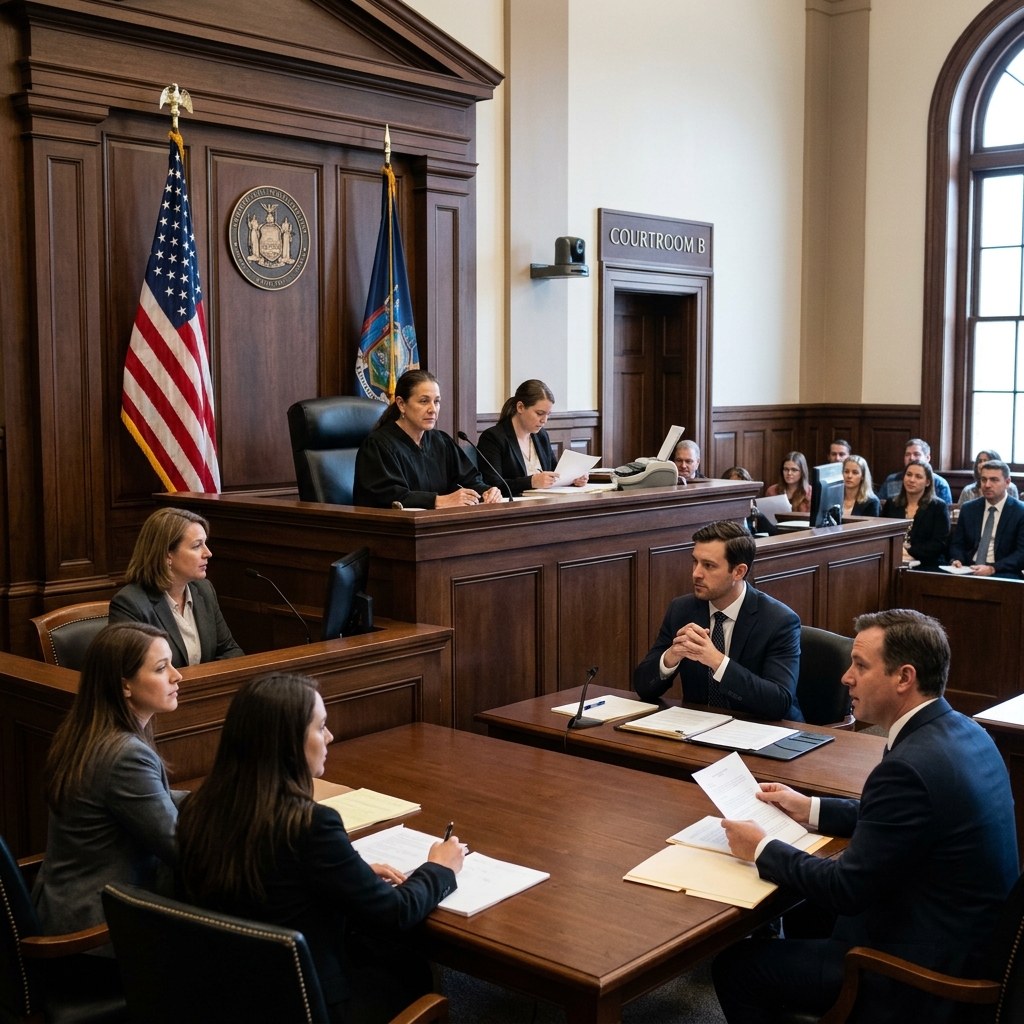
Family court orders are intended to bring structure and predictability to difficult situations like divorce, custody, child support, and spousal support. When one person does not follow those orders, the court needs a way to investigate the problem and decide what to do next. One of the main tools it uses is a show cause hearing, often triggered by an order to show cause or a rule to show cause.
This article explains what show cause hearings are, why they matter, how they work, and what you can expect if you are the person requesting the hearing or the person ordered to appear. It is general information and not legal advice; procedures and terminology vary by state and country, and you should consult a lawyer for guidance about your specific case.
What Is a Show Cause Hearing?
A show cause hearing in family court is a formal proceeding where one party is required to come to court and explain why they failed to follow an existing court order or why the court should or should not grant requested relief. In many jurisdictions, the hearing is scheduled after someone files a motion or a rule/order to show cause that tells the court a problem exists and asks for a hearing date.
- “Show cause” means the person must demonstrate why the judge should not take a particular action, such as finding them in contempt or changing an existing order.
- The hearing focuses on whether the current order was violated, whether there was a valid reason, and what remedy or penalty, if any, is appropriate.
- Both sides typically have the opportunity to present evidence, testify, and make arguments to the judge.
In everyday terms, a show cause hearing is the court saying: “You have been accused of not following this order. Come to court and explain yourself, and we will decide what happens next.”
Orders and Rules to Show Cause: How the Process Begins
Show cause hearings do not happen automatically. They are typically triggered by a written request to the court, often called a motion, order to show cause (OTSC), or rule to show cause, depending on the jurisdiction.
Common Documents That Start the Process
- Motion alleging non-compliance: A party or, in some child support cases, a government office such as a “friend of the court” files a motion stating that the other person did not do what the order requires.
- Rule to show cause: In some states, this document lists the issues the judge must decide and asks that a hearing date be scheduled.
- Order to show cause: In other places, this is a request for immediate court action and a rapid hearing date, sometimes including temporary restraints or immediate relief when delay could cause irreparable harm.
Courts usually require the requesting party to describe the existing order, explain specifically how it was violated, and state what they want the judge to do. Once the court reviews the request, it may issue an order telling the other party to appear at a show cause hearing or send a notice of hearing with the date, time, and location.
Emergency Versus Non-Emergency Situations
| Type of situation | Typical use of show cause process |
|---|---|
| Non-emergency issues (e.g., missed support payments, interference with visitation) | Motion or rule to show cause, hearing scheduled on the regular family court calendar. |
| Emergency or urgent issues (e.g., risk of child being removed from the state, safety concerns) | Order to show cause seeking immediate temporary relief and a fast-track hearing date. |
In emergency OTSC cases, a judge may grant temporary relief the same day or within a short time and then set a return date for the show cause hearing where both parties appear and argue whether the relief should continue.
Why Show Cause Hearings Occur in Family Court
Family relationships often involve ongoing obligations—paying support, transferring property, following custody schedules, and obeying restraining orders. When one party does not follow these obligations, a show cause hearing gives the court a structured way to investigate and respond.
Typical Reasons for a Show Cause Hearing
- Failure to pay child support or spousal support according to the court order.
- Ignoring custody or parenting-time schedules, such as withholding a child from the other parent or repeatedly returning the child late.
- Violating a restraining or protective order related to harassment, abuse, or threats.
- Disobeying orders about property or finances, such as failing to maintain health insurance or not paying required household expenses.
- Refusing to provide information or documents that the court ordered to be produced.
The core purpose is to encourage compliance with existing orders and maintain the authority of the court. If the court finds that the person disobeyed its order without a valid excuse, it may use contempt powers and other remedies to enforce compliance.
What Happens at a Show Cause Hearing?
While procedures differ by jurisdiction, a show cause hearing usually resembles a simplified trial. Evidence is presented, witnesses may testify, and the judge makes findings and issues a ruling based on what is proven.
Step-by-Step Overview of a Typical Hearing
- Calling the case
The judge or clerk calls the case, identifies the parties, and confirms that the hearing is for a show cause or contempt issue. - Swearing in witnesses
Anyone who may testify is placed under oath to tell the truth. - Opening statements (sometimes optional)
Each side may briefly explain what the case is about and what they intend to prove. The party who filed the motion or OTSC usually speaks first. - Evidence from the requesting party
The person who claims that the order was violated presents evidence such as documents, payment records, messages, or witnesses. - Cross-examination
The opposing party or their lawyer can ask questions of each witness to challenge the evidence or offer a different perspective. - Evidence from the responding party
The person accused of violating the order explains their actions, presents documents or other proof, and may call witnesses to support their position. - Closing statements
Each side summarizes its key points and tells the judge what result they are asking for, such as enforcement, modification, or dismissal of the allegations. - Judge’s decision
The judge decides whether the order was violated, whether there was a good reason, and what remedy or sanctions are appropriate.
Because show cause hearings are often focused on specific alleged violations, they tend to be highly evidence-based. Organized records can make the hearing more efficient and help the judge understand what has happened since the original order was entered.
Possible Outcomes and Consequences
After considering the evidence, the judge will issue a decision. Outcomes vary widely depending on the seriousness of the violation, the person’s history of compliance, the presence of any valid excuses, and local law.
Common Remedies When Non-Compliance Is Proven
- Order to comply with the existing court order, possibly by a specific deadline.
- Contempt of court finding, which formally recognizes that the person disobeyed a lawful order without justification.
- Monetary penalties, such as fines or requiring the person to pay costs related to the hearing or enforcement.
- Additional enforcement measures, including wage garnishment or other collection tools for support arrears.
- Changes to custody or parenting time when violations affect children’s safety or well-being.
- In severe cases, jail time or a bench warrant for failing to appear or repeatedly ignoring orders.
Courts generally prefer solutions that encourage future compliance rather than punishment for its own sake, but they may use strong sanctions where needed to enforce the authority of the court and protect children or vulnerable parties.
What If You Receive an Order to Show Cause?
Being served with an order to show cause or notice of a show cause hearing can be stressful. It signals that someone has told the court you are not following an order and that the judge is going to examine the issue. Ignoring the order can make matters much worse, including the risk of contempt or a warrant for arrest in some child support cases.
Immediate Steps You Should Take
- Read the document carefully to understand what you are accused of and what the court is asking you to explain.
- Note the hearing date, time, and location and add it to your calendar. Missing court almost always harms your position.
- Consult a family law attorney as soon as possible. In some situations, the court may appoint a lawyer if you qualify financially.
- Gather evidence of your compliance or your reasons for non-compliance, such as payment records, messages, medical documents, or proof of efforts you made.
- Stay current with the order going forward, to the extent you can, while you prepare for the hearing.
If you truly could not comply, you will need to show the judge why—perhaps because of job loss, illness, or other significant circumstances—and what steps you have taken to remedy the situation.
Preparing Evidence and Organizing Your Case
Because the judge’s decision depends heavily on what is proven in court, careful preparation can make a meaningful difference. Courts expect clear, concrete evidence rather than general statements or vague explanations.
Useful Types of Evidence
- Financial records such as pay stubs, bank statements, or receipts showing child support or other payments.
- Communication logs, including text messages, emails, or written notes detailing exchanges about custody and visitation.
- Calendars and timelines showing when exchanges occurred, when payments were made, and when alleged violations took place.
- Official documents such as notices from employers, medical records, or school records that explain or corroborate your actions.
- Witness testimony from people who observed relevant events, such as pick-ups, drop-offs, or attempts to comply.
Organizing these materials in a logical way—such as by date or issue—and labeling them clearly can help you present your case efficiently. Judges generally appreciate concise, well-structured presentations.
Show Cause Hearings Involving Child Support
Show cause hearings are particularly common in child support enforcement. When a parent does not pay support as ordered, the court may schedule a hearing requiring that parent to appear and explain why they should not be found in contempt.
Key Points in Child Support Hearings
- The motion or notice usually identifies missed payments, partial payments, or other violations.
- The parent must either prove that they followed the order or explain why they could not do what was required, bringing documents or other proof.
- If the court finds no good reason for the failure to pay, it may order payment plans, impose penalties, or even issue a bench warrant if the parent fails to appear.
- Keeping accurate payment records and promptly communicating with the court or enforcement agencies can reduce the risk of being accused of non-compliance.
Child support obligations typically remain in effect until formally changed by the court. Informal agreements between parents usually do not modify court-ordered amounts; only a new order can do that.
Frequently Asked Questions About Show Cause Hearings
Do I need a lawyer for a show cause hearing?
In many jurisdictions, you have the right to hire an attorney for a show cause hearing. In certain circumstances, particularly where jail time is possible and you qualify financially, the court may appoint a lawyer for you. Because the stakes can be significant—especially in child support, custody, or protective order cases—legal advice is strongly recommended.
What happens if I ignore an order to show cause or miss the hearing?
Ignoring an order to show cause or failing to appear for the hearing can lead to serious consequences. In some systems, the court may issue a bench warrant for your arrest, add financial penalties, or make decisions against you based on the information provided by the other side. Always attend the hearing unless your attorney has obtained a formal continuance or other arrangement from the court.
Can a show cause hearing change my custody order?
Yes, it is possible. While some show cause hearings focus only on enforcement, repeated or serious violations—such as withholding children or failing to follow safety-related orders—may lead the court to modify custody or parenting time if it finds that changes are necessary to protect the children or ensure stability. Whether that happens depends on the evidence and the law in your jurisdiction.
Is a show cause hearing the same as a trial?
Show cause hearings share many features with trials: evidence, witnesses, and legal arguments are presented, and the judge issues a decision. However, they are usually narrower in scope, focusing on specific alleged violations or urgent issues rather than every aspect of the family case. Some matters may still go to a full trial later.
Can I request a show cause hearing myself?
Yes. If the other party is not following a court order and informal efforts have failed, you can typically file a motion, rule to show cause, or order to show cause asking the court to schedule a hearing. The court may require specific forms and procedures, so it is wise to review local rules or consult a lawyer.
Key Takeaways
- Show cause hearings are a central tool family courts use to address alleged violations of existing orders.
- They begin with written requests—motions, rules, or orders to show cause—and result in formal hearings where both parties present evidence.
- Common issues include child support, custody and parenting time, protective orders, and financial or property obligations.
- Consequences can range from simple enforcement orders to contempt findings, financial penalties, modifications of orders, or even jail time in severe cases.
- If you receive an order to show cause, do not ignore it. Seek legal advice promptly and prepare organized evidence of your compliance or your reasons for non-compliance.
References
- FOC Show Cause Hearings — Michigan Courts. 2019-01-01. https://www.courts.michigan.gov/siteassets/publications/pamphletsbrochures/focb/web-view/show-cause-hearingsfinal.pdf
- Getting a Court Date – Divorce Dictionary — LouisianaLawHelp.org. 2024-01-01. https://louisianalawhelp.org/resource/divorce-dictionary/090D7FCB-03E5-4F94-BF8B-F2BEC9D82183
- Understanding Orders to Show Cause in New Jersey Family Court — Riker Danzig LLP. 2025-05-01. https://www.rlmnjlaw.com/blog/2025/may/understanding-orders-to-show-cause-in-new-jersey/
- FOC Show Cause Hearings — Michigan Courts (Child Support context). 2019-01-01. https://www.courts.michigan.gov/siteassets/publications/pamphletsbrochures/focb/web-view/show-cause-hearingsfinal.pdf
- What to Do If You Receive an Order to Show Cause — King Law Offices. 2023-06-01. https://kinglawoffices.com/blog/i-received-an-order-to-show-cause-now-what
- What Really Happens in a Show Cause Hearing in Circuit Court — Smith Strong, PLC. 2022-03-01. https://www.smithstrong.com/library/show-cause-hearings-in-circuit-court.cfm
- What Is a Show Cause Hearing? — Melone Hatley, P.C. 2021-09-01. https://www.melonelawpc.com/faqs/what-is-a-show-cause-hearing/
Similar Articles








Read full bio of medha deb


