
Airport Security, Privacy Rights, and Passenger Profiling
How airport screening rules, constitutional protections, and profiling limits intersect in modern aviation security.
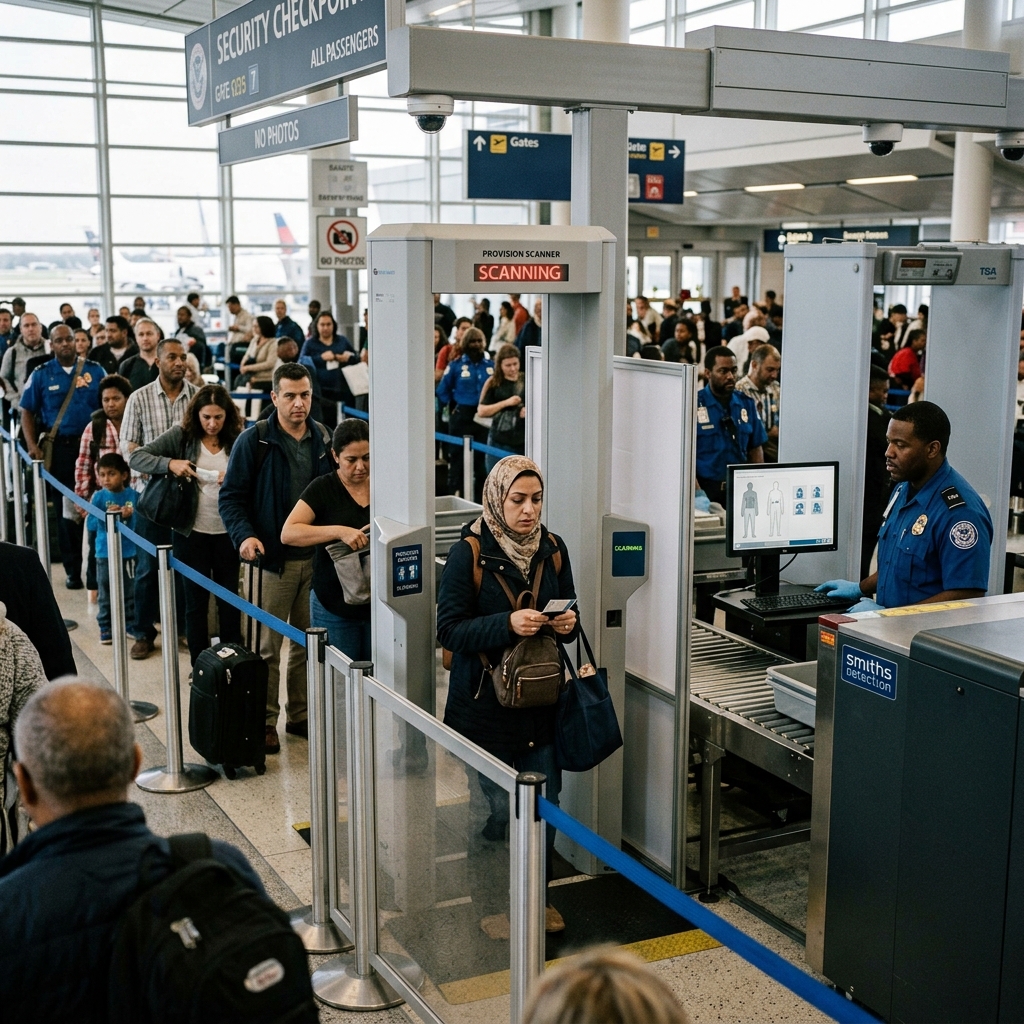
Modern air travel depends on extensive security screening, but those measures raise important questions about privacy, fairness, and the lawful use of passenger profiling. In the United States, these issues sit at the intersection of federal statutes, Transportation Security Administration (TSA) rules, and constitutional protections such as the Fourth and Fourteenth Amendments.
1. Why Airport Security Is So Intensive Today
Airport security became significantly more intrusive after the terrorist attacks of September 11, 2001. Congress responded by passing the Aviation and Transportation Security Act of 2001, which created the TSA and gave it broad authority to screen passengers and baggage to prevent weapons, explosives, and other threats from reaching aircraft.
- Primary goal: Prevent prohibited items and individuals who pose security risks from entering the sterile (secure) area of airports and boarding planes.
- National focus: Screening is framed as a preventive measure designed to protect public safety and critical infrastructure.
- Operational impact: TSA is tasked with maximizing security while trying to minimize passenger delays and disruptions.
These objectives justify extensive screening, but they also tighten the tension between collective safety and individual privacy.
2. How TSA Security Screening Works
TSA uses a layered approach to security that combines technology, physical searches, and behavioral observation. The screening procedures are intended to detect prohibited items and identify potential threats before they reach the boarding gate.
2.1 Common Screening Methods
- Walk-through metal detectors: Used to detect metallic weapons or suspicious items on a passenger’s body or clothing.
- Advanced imaging technology (AIT): Also known as body scanners, these devices create an image or use automated target recognition algorithms to detect non-metallic threats hidden under clothing.
- Carry-on X-ray screening: All carry-on bags and personal items are scanned to identify weapons, explosives, and other prohibited items.
- Explosive trace detection (ETD): Swabs of hands, luggage, or belongings may be tested for explosive residue when warranted.
- Physical pat-downs: Conducted when screening technology alarms, cannot be used, or when a passenger opts out of certain technology-based screening.
Checked baggage is subject to separate screening processes that often rely on large-scale explosives detection systems. Many airports also use closed-circuit cameras and other surveillance tools throughout terminals, which raises additional privacy questions related to data retention and facial recognition.
2.2 Special Programs and Risk-Based Screening
To improve efficiency, TSA and border authorities have adopted risk-based programs that provide expedited screening for pre-vetted travelers. Examples include trusted traveler and pre-check programs, which rely on background checks and sometimes biometrics (such as fingerprints) to designate certain passengers as lower risk.
| Feature | Purpose | Privacy Considerations |
|---|---|---|
| Pre-vetted traveler programs | Expedite screening for low-risk passengers | Require collection and storage of personal data and travel history |
| Biometric verification (e-gates) | Automate identity checks using facial or fingerprint data | Raises questions about biometric databases, data sharing, and consent |
| Algorithmic risk assessment | Assign risk scores based on travel patterns and other factors | May implicate profiling concerns, including transparency and bias |
3. Legal Authority for Security Screenings
Airport security screenings are not ordinary police searches; they fall within a special category often called “administrative” or “regulatory” searches, aimed at protecting public safety rather than gathering evidence for criminal prosecution.
3.1 Statutory Basis: TSA’s Mandate
The Aviation and Transportation Security Act grants TSA authority to screen all passengers and property that will enter secure airport areas or aircraft. By purchasing an airline ticket and attempting to board, travelers effectively agree to undergo screening as a condition of transport.
- Mandatory screening: TSA may refuse transport to passengers who decline all forms of approved screening.
- Scope of authority: TSA can use technology, physical searches, and questioning to fulfill its security mission, subject to constitutional limits.
3.2 Constitutional Framework
Even though TSA operates under federal statute, its practices are constrained by the U.S. Constitution. Two provisions are central:
- Fourth Amendment: Protects against unreasonable searches and seizures, requiring that search practices be reasonable in relation to public safety objectives.
- Fourteenth Amendment Equal Protection Clause: Prohibits the federal government and state actors from engaging in discriminatory practices based on race, ethnicity, or other protected characteristics.
Court decisions have generally upheld routine airport screenings as reasonable when they are applied uniformly to all passengers and are clearly tied to aviation security. However, more invasive procedures, such as strip searches or body cavity searches, may require stronger justification and are usually reserved for specific circumstances involving suspected smuggling or serious threats.
4. Privacy Expectations at Airports
Passengers often experience airport security as an invasion of privacy. The law, however, takes a different view: entering a secure airport area significantly reduces one’s expectation of privacy, but does not eliminate it entirely.
4.1 Physical Privacy and Intrusive Searches
Physical screening methods—including pat-downs and AIT body scanners—touch on bodily privacy. Legal analysis balances these intrusions against the substantial governmental interest in preventing hijackings, bombings, and other attacks.
- Routine screening: Walk-through detectors and standard pat-downs are generally considered reasonable when consistently applied.
- Opt-out options: Passengers in the United States and European Union typically may refuse certain screening technologies (such as some body scanners) and instead undergo a manual pat-down.
- Heightened searches: Highly intrusive searches (e.g., strip or body cavity searches at borders) have been upheld under specific circumstances when authorities reasonably suspect serious smuggling or threats, but these are not routine for standard TSA security lines.
4.2 Data Privacy and Surveillance
Beyond physical searches, airport security increasingly relies on data collection and surveillance technologies, including:
- Closed-circuit television cameras throughout terminals.
- Facial recognition systems and biometric e-gates for identity verification.
- Databases containing passenger name records and travel history.
These tools create digital records that can be stored, shared, and analyzed. Federal laws such as the Privacy Act of 1974 regulate how U.S. agencies handle personal information, imposing requirements for data accuracy, limited disclosure, and mechanisms for individuals to access and correct their records.
5. Passenger Profiling: Concepts and Controversies
Passenger profiling refers to efforts to identify higher-risk travelers by analyzing their behavior, travel patterns, or other characteristics. Profiling can be done by technology (algorithmic risk scoring) or by human officers observing behavior in security lines.
5.1 Security Benefits
Supporters of profiling argue that it can improve security while reducing delays by allowing security resources to focus on individuals more likely to pose risks.
- Efficiency: Profiling can help allocate additional screening and questioning to passengers who exhibit unusual patterns or behaviors, reducing the burden on low-risk travelers.
- Threat detection: Profiling systems can flag inconsistent travel histories, unusual ticketing practices, or suspicious behaviors that may not be evident through standard baggage screening.
5.2 Legal and Ethical Concerns
Passenger profiling becomes legally problematic when it relies on prohibited factors such as race, ethnicity, religion, or national origin. Such practices may violate equal protection principles and anti-discrimination laws, and they can undermine public trust.
- Unlawful profiling: Selecting passengers for extra screening solely because of their race or ethnicity is prohibited and may breach the Equal Protection Clause and federal non-discrimination statutes.
- Chilling effects: Communities that perceive screening as discriminatory may feel deterred from travel or view security agencies as biased.
- Effectiveness debate: Civil liberties organizations argue that certain profiling approaches are not only unfair but also ineffective, pointing to continuing security gaps despite invasive practices.
6. TSA Policies on Profiling and Behavior Detection
TSA has adopted formal policies that prohibit unlawful profiling and define how officers may use behavioral observations to refer passengers for additional screening.
6.1 Prohibitions on Unlawful Profiling
According to the U.S. Government Accountability Office (GAO), TSA policies clearly state that screeners cannot select passengers for extra screening based on race, ethnicity, or similar personal characteristics.
- Policy language: TSA instructions require behavior detection to be conducted without regard to race or ethnicity.
- Manager responsibilities: TSA managers are required to oversee behavior detection activities to ensure compliance with anti-profiling rules.
6.2 Behavior Detection and Oversight
TSA allows officers to refer passengers for additional screening if they display indicators of stress, fear, or deception, but GAO has noted that such practices must be carefully monitored to avoid drifting into unlawful profiling.
- Behavior indicators: Observable signs—such as nervousness unrelated to normal travel anxiety, inconsistent answers, or suspicious actions—may prompt further screening.
- Checklist-based guidance: TSA uses checklists and training materials to standardize behavior detection methods.
- Need for targeted oversight: GAO recommended that TSA develop specific oversight mechanisms to monitor behavior detection for compliance with anti-profiling policies.
The tension here is clear: behavior-based screening can help identify threats, but if oversight is weak, it can mask discriminatory decisions behind vague references to “behavior” or “intuition.”
7. Constitutional Protections Against Discriminatory Screening
Passengers concerned about profiling or overly intrusive searches may look to constitutional and statutory protections. While airport screening is broadly permissible, certain boundaries exist.
7.1 Equal Protection and Non-Discrimination
The Equal Protection Clause of the Fourteenth Amendment has been interpreted to restrict government actors from discriminating on the basis of race, ethnicity, or other suspect classifications in the administration of public programs, including airport security.
- Facial policies vs. discriminatory application: Even neutral screening policies can be challenged if they are applied in a discriminatory manner.
- Evidence of bias: Passengers alleging discrimination must typically show patterns of unequal treatment or specific instances where similarly situated travelers were treated differently due to protected characteristics.
7.2 Fourth Amendment Reasonableness
Courts have generally upheld airport screening checkpoints as reasonable given the compelling interest in aviation security, but they consider factors such as the scope of the search, consent, and the clarity of communication.
- Routine checkpoints: Participation in basic screening is usually treated as a condition of flying, and courts often view such searches as reasonable when limited to safety purposes.
- Optional searches: In some contexts, courts have scrutinized whether officials adequately informed individuals that certain searches were optional. Failures in clear communication can raise constitutional concerns.
8. Practical Tips for Passengers
Understanding security rules and legal boundaries can help travelers make informed choices and respond appropriately if they believe their rights are being violated.
- Arrive early: Extra time reduces stress and allows you to handle additional screening without missing flights.
- Know prohibited items: Reviewing current TSA rules before packing can reduce the chance of bag searches and delays.
- Use opt-out options: If you are uncomfortable with certain screening technologies, you may request alternative procedures such as pat-downs, understanding they may be more time-consuming.
- Stay calm and cooperative: Calm communication generally helps resolve screening issues more smoothly.
- Document concerns: If you believe you were targeted based on race or other protected traits, write down details (time, officers involved, what was said) and consider filing a complaint with TSA or seeking legal advice.
9. Frequently Asked Questions (FAQ)
Q1: Can I refuse airport security screening?
You can choose not to fly, but if you intend to board a commercial aircraft in the United States, you must undergo some form of TSA-approved security screening. TSA may deny boarding to passengers who refuse all screening options, because screening is a condition of entering the secure area and boarding a plane.
Q2: Is racial profiling allowed in TSA screening?
No. TSA policies explicitly prohibit officers from selecting passengers for additional screening based on race, ethnicity, or similar characteristics. Behavior-based referrals must be grounded in observable indicators rather than protected traits.
Q3: Do I have a right to opt out of body scanners?
In the United States and European Union, passengers generally may decline certain body scanning technologies and instead undergo a manual pat-down. However, you cannot opt out of all screening; you must submit to an alternative approved procedure.
Q4: What happens to the data collected during airport screening?
Screening generates both physical and digital information, such as images, travel records, and biometric data. Federal agencies are subject to laws like the Privacy Act of 1974, which regulate how personal information is stored, used, and shared. Specific retention periods and data-sharing practices vary by program and agency.
Q5: What should I do if I feel I was discriminated against?
Consider filing a formal complaint with TSA, documenting the incident as precisely as possible. If you believe your constitutional rights were violated, you may wish to consult an attorney experienced in civil rights or aviation law to assess possible remedies.
References
- Airport Security Measures: Privacy and Profiling — LegalMatch Law Library. 2024-01-01. https://www.legalmatch.com/law-library/article/airport-security-measures-privacy-and-profiling.html
- Security Screening — Transportation Security Administration (TSA). 2024-05-01. https://www.tsa.gov/travel/security-screening
- Aviation Security: TSA Has Policies that Prohibit Unlawful Profiling but Should Improve Oversight of Behavior Detection Activities — U.S. Government Accountability Office (GAO-19-268). 2019-04-02. https://www.gao.gov/products/gao-19-268
- Airport Privacy — Summary based on U.S. and EU legal sources. 2023-01-01. https://en.wikipedia.org/wiki/Airport_privacy
- A Systematic Review of Passenger Profiling in Airport Security System — Journal of Transportation Security (Springer). 2023-10-01. https://link.springer.com/article/10.1007/s12198-023-00260-6
- Airport Security — American Civil Liberties Union (ACLU). 2023-06-01. https://www.aclu.org/issues/privacy-technology/privacy-borders-and-checkpoints/airport-security
Similar Articles








Read full bio of medha deb


