
Recovering Damages When the Other Driver Has No Insurance
Learn how to seek compensation, use uninsured motorist coverage, and protect your rights after a crash with an uninsured at‑fault driver.
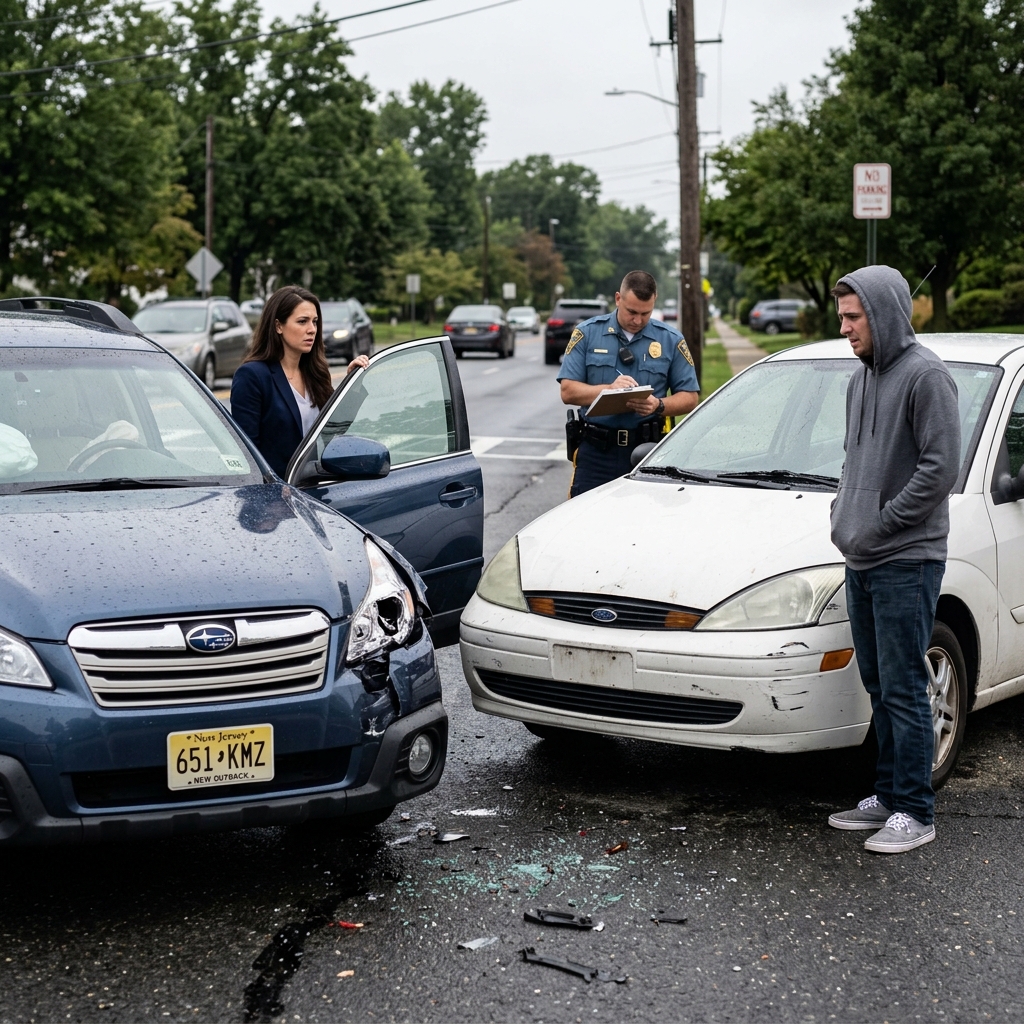
Finding out that the driver who caused your car accident does not carry auto insurance is alarming. You may worry about unpaid medical bills, vehicle repairs, and lost income. Despite these concerns, you often still have ways to recover compensation through your own insurance, the uninsured driver, or other responsible parties. This guide explains your practical options and important legal issues when the at‑fault driver has no insurance.
Why Uninsured Drivers Create Special Problems
Most car accident claims are resolved through the at‑fault driver’s liability insurance. When that driver is uninsured, there is no insurer to immediately pay for your losses, and you may need to rely on alternative coverage or litigation.
Key complications include:
- No liability insurer to negotiate with or pay settlements.
- Potential financial instability of the uninsured driver, making collection difficult.
- More complex claims processes through your own coverage or the courts.
- Stricter deadlines and procedural rules that affect your ability to recover damages.
Understanding these challenges early helps you make informed decisions and avoid missteps that could weaken your claim.
Immediate Steps at the Accident Scene
Your actions in the minutes and hours after a collision are critical. Even when the other driver has no insurance, the basic post‑accident steps remain the same and help protect your rights.
Essential Safety and Documentation Actions
- Check for injuries and call emergency services. Seek medical evaluation, even if you feel fine, because some injuries appear later.
- Contact the police and request an official accident report. Officers can document that the other driver is uninsured and note relevant facts, which becomes key evidence for insurance claims or lawsuits.
- Exchange information with the other driver, including name, contact details, driver’s license number, license plate, and vehicle information.
- Document the scene with photos or videos of vehicle damage, road conditions, traffic signs, skid marks, and visible injuries.
- Gather witness details and ask for names and contact information. Witness testimony can support your version of events.
- Avoid informal payment agreements. Do not accept cash or handwritten promises from the uninsured driver; they rarely provide reliable compensation and may complicate your claim.
These simple steps significantly strengthen any future uninsured motorist claim or lawsuit.
Understanding Key Insurance Coverages
When the at‑fault driver lacks liability coverage, the main sources of compensation are usually your own auto policy and, in some cases, the uninsured driver personally. The coverage types that matter most are uninsured motorist (UM), underinsured motorist (UIM), collision, medical payments (MedPay), and health insurance.
| Coverage Type | What It Typically Pays For | When It Applies |
|---|---|---|
| Uninsured Motorist (UM) | Bodily injury damages (medical bills, lost wages, sometimes pain and suffering) caused by an uninsured at‑fault driver. | When the at‑fault driver has no liability insurance or is unidentified (e.g., hit‑and‑run), depending on state law. |
| Underinsured Motorist (UIM) | Coverage for the gap between the at‑fault driver’s limited liability coverage and your actual damages. | When the other driver carries insurance, but their policy limits are too low to cover your losses. |
| Collision | Repair or replacement of your vehicle, minus any deductible. | Applies regardless of who was at fault, if you purchased collision coverage. |
| Medical Payments (MedPay) | Medical bills for you and your passengers, usually without regard to fault. | When medical expenses arise from a covered auto accident, subject to policy limits. |
| Health Insurance | Treatment costs not covered by auto policies, subject to deductibles and copays. | Any time you need medical care; insurers may later seek reimbursement if you recover from another source. |
Making an Uninsured Motorist Claim
In many states, insurers must offer uninsured motorist coverage, and drivers are strongly encouraged to carry it. If you have UM on your policy, it often becomes the primary route to compensation after a crash with an uninsured at‑fault driver.
How UM Claims Work
Although each insurer’s procedures vary, UM claims generally follow a structured path similar to standard liability claims.
- Notify your insurer promptly. Report the accident and clearly state that the other driver has no insurance and that you intend to pursue a UM claim.
- Provide documentation such as:
- Police report showing the other driver was uninsured.
- Photographs of damage, road conditions, and injuries.
- Medical records and bills.
- Proof of lost wages from your employer.
- Participate in insurer evaluations. You may need to answer questions, provide written statements, or attend medical examinations requested by the company.
- Negotiate settlement. The insurer will assess fault, damages, and applicable limits, then make a settlement offer. If the offer is inadequate, you can negotiate or explore legal options.
If your UM claim is denied or undervalued, you may appeal internally, complain to your state insurance regulator, or, in some cases, sue the insurer for improper handling or bad faith.
Suing the Uninsured Driver
Even without insurance, a negligent driver is still legally responsible for the harm they cause. You can file a personal injury lawsuit seeking damages. The key question is not only whether you can win in court, but whether you can actually collect.
What a Lawsuit Can Achieve
A lawsuit may seek compensation for:
- Medical expenses and future treatment needs.
- Lost wages and reduced earning capacity.
- Property damage and vehicle replacement costs.
- Pain, suffering, and other non‑economic harms, depending on state law.
Court judgments can be enforced through methods such as wage garnishment or liens on property, subject to state exemptions and the defendant’s financial situation. However, many uninsured drivers have limited assets, which makes recovery difficult in practice.
Small Claims Court and Limited Disputes
For smaller losses, you might use small claims court, a simplified process designed for lower‑value disputes. Some insurers encourage this approach for recovering deductibles or minor property damage. In small claims court, procedures are more informal, and you often appear without an attorney, but you must still present evidence of fault and damages.
Exploring Third‑Party Liability
When the at‑fault driver is uninsured or has few assets, it is important to look beyond that individual for other potentially responsible parties. In certain situations, third‑party claims can provide additional sources of recovery.
- Employer liability. If the uninsured driver was working at the time of the crash, their employer may be held responsible under principles like vicarious liability.
- Vehicle owner liability. The owner of the vehicle may be liable if they negligently entrusted it to an unsafe or uninsured driver, depending on state law.
- Product liability. A manufacturer may be responsible if a defect in a vehicle or component played a substantial role in the accident.
- Government or road authority. In limited cases, poor road design or maintenance can create liability for public entities, subject to strict notice and immunity rules.
These claims are fact‑specific and often require investigation by an experienced attorney and, in some cases, accident reconstruction experts.
Common Types of Damages You May Recover
Whether you pursue a UM claim, sue the uninsured driver, or pursue third‑party liability, your goal is compensation for the losses caused by the accident. While exact categories differ among states, the following damages are frequently available.
- Economic damages: tangible financial losses such as medical bills, rehabilitation costs, vehicle repairs, rental car expenses, and lost wages.
- Non‑economic damages: more subjective harms such as pain and suffering, emotional distress, and loss of enjoyment of life, depending on applicable law and policy terms.
- Future damages: ongoing medical treatment, reduced earning capacity, or long‑term care arising from serious injuries.
In some jurisdictions, certain damages may be limited when claims are made under UM coverage rather than directly against an at‑fault driver, so reviewing your policy language is essential.
State Law Differences You Should Expect
Rules governing uninsured motorist coverage, lawsuit rights, and recoverable damages vary widely by state. Examples include:
- Some states require insurers to include UM coverage unless you reject it in writing; others treat it as optional.
- Certain jurisdictions restrict non‑economic damages in auto accidents if you do not have required insurance or if you selected limited tort options.
- Filing deadlines (statutes of limitations) for injury claims and UM actions differ, often ranging from one to several years.
- Procedural rules may require arbitration rather than court litigation for disputes about UM coverage.
Because of these differences, advice that is accurate in one state may not apply elsewhere. Local legal guidance is important to understand your specific rights.
Working With a Car Accident Attorney
Accidents involving uninsured drivers almost always raise complex legal and insurance issues. Many people seek help from an attorney to manage claims and protect their interests.
How Counsel Can Help
- Explain relevant state laws and policy provisions in clear language.
- Evaluate the full range of potential claims, including UM coverage, third‑party liability, and direct suits against the driver.
- Collect and organize evidence such as medical records, expert opinions, and witness statements.
- Negotiate with insurers and, when appropriate, file lawsuits or demand arbitration.
- Address claim denials, inadequate offers, or suspected bad faith behavior by insurers.
Most personal injury attorneys offer free initial consultations and work on a contingency fee basis, meaning they are paid only if they secure compensation. Fees and terms vary, so you should discuss them at the outset.
Practical Tips to Strengthen Your Claim
Beyond legal strategy, several practical steps can reduce stress and improve the chances of a favorable outcome after a crash with an uninsured driver.
- Stay organized. Keep a dedicated folder or digital archive for all accident‑related documents, including police reports, medical bills, insurance letters, and photographs.
- Follow medical advice. Attend recommended appointments and follow treatment plans; gaps or inconsistent care can weaken your claim.
- Communicate carefully. Provide truthful information, but avoid speculative statements about fault. Let your attorney handle complex communications with insurers.
- Review your insurance regularly. After the incident, consider whether your UM and UIM limits are sufficient in light of the costs you experienced.
Frequently Asked Questions (FAQs)
Can I recover damages if the at‑fault driver has no insurance?
Yes. You may be able to recover damages through uninsured motorist coverage, collision and MedPay benefits, a lawsuit against the driver, or, in some cases, third‑party claims.
What if I do not have uninsured motorist coverage?
If you lack UM coverage, your options may include using collision and health insurance for some costs, suing the uninsured driver directly, and exploring claims against other responsible parties. Recovery may be more difficult without UM, especially if the driver has limited assets.
Do I still need to call the police if the other driver admits fault?
Yes. An official police report is important for documenting the accident, confirming the other driver’s uninsured status, and supporting insurance or court claims.
Will my insurance company raise my rates if I file a UM claim?
Premium changes depend on insurer policies, state regulations, and whether you were considered at fault. Many policies treat UM claims similarly to other claims, but the specifics vary. You can ask your insurer or consult an attorney about potential rate impacts.
Is it worth suing an uninsured driver?
It can be worthwhile if the driver has income or assets that could satisfy a judgment. If they have very limited resources, a lawsuit may provide a symbolic win but little practical recovery; your attorney can help evaluate whether litigation is likely to be cost‑effective.
References
- What If the Other Driver Has No Insurance? — NST Law. 2023-05-10. https://www.nstlaw.com/faqs/what-if-the-other-driver-has-no-insurance/
- What Happens When an At-Fault Driver Has No Insurance? — New Jersey Manufacturers Insurance Group (NJM). 2022-11-01. https://www.njm.com/ask/what-happens-when-an-at-fault-driver-has-no-insurance
- What Happens If I Get Hit By Uninsured Driver in California? — Cutter Law P.C. 2023-06-30. https://cutterlaw.com/faqs/what-happens-if-hit-by-uninsured-driver-california/
- What to Do If You’re Hit by an Uninsured Driver — Progressive Insurance. 2023-04-15. https://www.progressive.com/answers/hit-by-uninsured-driver/
- What To Do When The Other Driver Has No Insurance — The Edelsteins, Faegenburg & Brown LLP. 2022-09-20. https://edelsteinslaw.com/uncategorized/what-to-do-when-the-other-driver-has-no-insurance/
- What If the Other Driver Had No Insurance? — GTW Lawyers. 2021-08-05. https://gtwlawyers.com/blog/what-if-the-other-driver-had-no-insurance/
- What Happens If You Have No Insurance But The Other Driver Was At Fault? — Brown & Crouppen Law Firm. 2023-03-01. https://www.brownandcrouppen.com/blog/what-happens-if-you-have-no-insurance-but-the-other-driver-was-at-fault/
Similar Articles








Read full bio of medha deb




