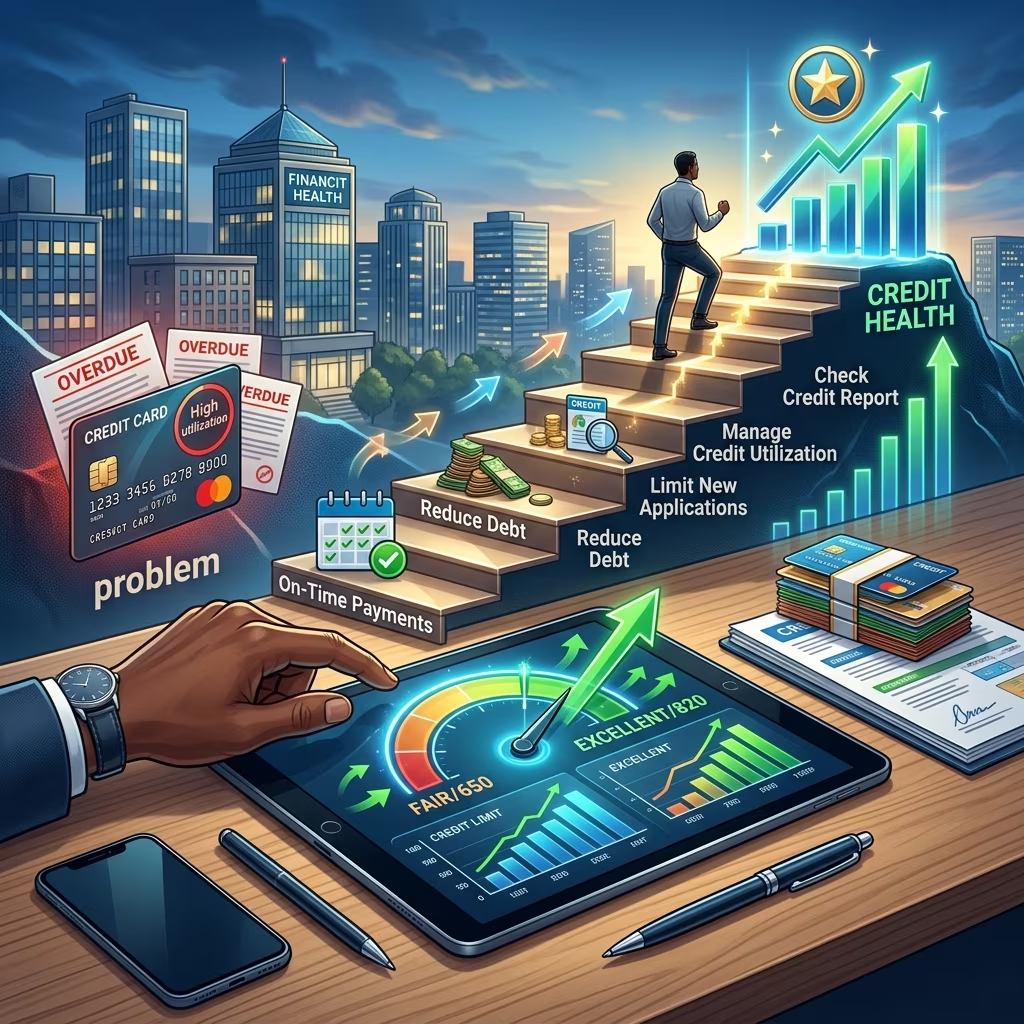
Your credit score influences some of the biggest financial decisions in your life — from qualifying for a mortgage or car loan, to the interest rates you pay, and even whether a landlord approves your rental application. Improving your credit score is possible, but it requires understanding how scores are calculated and taking consistent, strategic actions.
This guide explains how credit scores work, which behaviors help or hurt your score, and practical steps you can take to rebuild, strengthen, and protect your credit over time.
Understanding What a Credit Score Really Represents
A credit score is a numerical snapshot of how risky you are as a borrower. It condenses your past borrowing and repayment behavior into a single number that lenders use to predict how likely you are to repay future debts on time. While models differ, most widely used scores (such as FICO and VantageScore) range roughly from 300 to 850.
Core Factors That Influence Your Score
Even though exact formulas are proprietary, major models focus on similar themes:
- Payment history – Whether you pay bills and loans on time.
- Credit utilization – How much of your available credit limits you are currently using.
- Length of credit history – How long your accounts have been open and active.
- Types of credit – Your mix of revolving accounts (credit cards) and installment loans (mortgages, auto loans).
- Recent credit activity – How often you apply for new accounts and how many new accounts you open.
Among these, payment history and credit utilization usually carry the most weight, so focusing on these two areas often produces the fastest and most meaningful improvements.
Why Improving Your Credit Score Matters
Raising your credit score is not just about prestige; it directly affects your financial flexibility. A stronger score can help you:
- Qualify for lower interest rates on loans and credit cards.
- Access higher credit limits with better terms.
- Reduce upfront security deposits on utilities or rentals.
- Improve your chances of approval when financing major purchases.
Over the long term, even small reductions in interest rates can translate into thousands of dollars saved.
Step 1: Start With Your Credit Reports
You cannot improve what you cannot see. The first step is to review your credit reports from the three nationwide credit bureaus: Equifax, Experian, and TransUnion.
How to Get Your Credit Reports
In the United States, you are entitled to free access to your reports via the official Annual Credit Report system.
- Obtain reports from all three major bureaus.
- Download or print copies for careful review.
- Repeat this process periodically, or before applying for major loans.
Reviewing Reports for Errors and Red Flags
Credit reporting mistakes can drag down your score unfairly. The Consumer Financial Protection Bureau (CFPB) recommends carefully checking for inaccuracies and disputing them when necessary.
- Verify personal information (name, addresses, Social Security number).
- Confirm that all listed accounts actually belong to you.
- Check balances, limits, payment statuses, and dates of late payments.
- Look for duplicate entries or accounts that appear more than once.
If you find suspected errors, you have the right to dispute them with the bureau and, in many cases, with the lender or creditor as well. Provide supporting documents, such as statements or letters, and follow up until corrections are made.
Step 2: Build a Record of On‑Time Payments
Consistently paying your obligations on time is one of the most powerful ways to build and maintain a strong credit score.
Why Payment History Is So Important
Credit scoring models place heavy emphasis on whether you pay at least the minimum amount due by the deadline. Late payments, especially those more than 30 days past due, can significantly damage your score and remain on your report for years.
Multiple late payments, collections, or defaults are even more damaging and can signal serious risk to future lenders.
Practical Habits to Keep Payments on Track
- Set up automatic payments for at least the minimum due on credit cards and loans.
- Use reminders through apps or calendars for due dates.
- Prioritize essential obligations like housing, utilities, and existing loans.
- Contact creditors early if you anticipate trouble making a payment; hardship programs may be available.
If you already have late payments on your record, focus on building a long streak of on‑time payments going forward. Over time, recent positive behavior weighs more heavily than older negative incidents.
Step 3: Manage Your Credit Utilization
Credit utilization measures how much of your total revolving credit limits you are currently using. For example, if your total card limits are $10,000 and your combined balances are $3,000, your utilization is 30%.
Optimal Utilization Levels
The CFPB and many financial institutions recommend keeping your use of credit below about 30% of your available limits. Lower is generally better; some lenders prefer to see usage closer to 10–20%, especially on individual cards.
| Utilization Range | Likely Impact on Score |
|---|---|
| 0–10% | Very favorable; suggests strong control over credit. |
| 10–30% | Generally positive; common target range. |
| 30–50% | Can start to weigh on your score; consider paying down. |
| Over 50% | Potentially harmful; may signal financial stress to lenders. |
Strategies to Lower Utilization
- Pay down revolving balances aggressively, starting with cards closest to their limits.
- Make multiple payments per month to keep reported balances low when statements close.
- Request reasonable credit limit increases on well‑managed accounts, while avoiding new debt.
- Avoid maxing out any single card, even if your total utilization is moderate.
Reducing utilization can sometimes produce visible score improvements within one or two billing cycles, especially if prior usage was high.
Step 4: Be Strategic About New Credit
Applying for new credit can be useful, but doing so frequently or without a plan may hurt your score in the short term.
Only Apply for Credit You Truly Need
The CFPB advises limiting applications to credit that serves a clear purpose, such as consolidating higher‑interest debt or financing a necessary purchase. Each application for new credit may result in a hard inquiry, which can temporarily lower your score, especially if you have many inquiries in a short period.
Building Credit With Starter and Secured Products
If your credit history is thin or damaged, you might need specific tools to rebuild it.
- Starter credit cards – Designed for people with limited credit history; often have lower limits.
- Secured credit cards – Require a security deposit but report your activity to credit bureaus.
- Credit‑builder loans – Small installment loans where payments are reported to bureaus, helping establish history.
With any new account, the key is consistent, responsible use: pay on time, avoid large balances, and maintain usage within conservative limits.
Step 5: Protect the Length and Mix of Your Credit History
Beyond payments and utilization, credit scores also consider how long you have used credit and what types of accounts you manage.
Value of Long‑Standing Accounts
Closing old accounts can shorten your average credit history and reduce your overall available credit, both of which can hurt your score. If an older card has no annual fee and does not tempt you to overspend, keeping it open may be beneficial.
- Monitor older accounts for inactivity fees or unexpected changes.
- Use them occasionally for small purchases, then pay the balance in full.
- Keep an eye out for fraudulent transactions on rarely used cards.
Credit Mix: Revolving vs. Installment Accounts
Scores typically favor a healthy mix of credit types, such as both revolving accounts and installment loans. This does not mean you should borrow unnecessarily, but responsibly managing different types of credit can demonstrate versatility.
- Use credit cards for planned, budgeted purchases only.
- Pay installment loans (like auto or personal loans) according to schedule.
- Avoid opening new accounts solely for the sake of diversity.
Step 6: Handle Problem Debt and Negative Marks Wisely
If you already have serious delinquencies, collections, or high debt levels, improving your score will take time and a structured approach.
Prioritizing Debts
- Address accounts that are past due as soon as possible to stop further damage.
- Negotiate payment plans or settlements where appropriate, documenting all agreements.
- Focus first on obligations with the highest interest rates, as they grow fastest over time.
Once accounts are caught up, continuing to pay as agreed can gradually soften the impact of older negative marks, especially as they age on your report.
Considering Professional Help
For complex or overwhelming debt situations, reputable nonprofit credit counseling organizations can help you create a plan to repay debts and manage cash flow. When selecting any advisor, ensure they are accredited and not pushing high‑fee products or services that might worsen your situation.
Step 7: Monitor Your Progress and Stay Vigilant
Credit improvement is not a one‑time event; it is an ongoing process. Regular monitoring helps you detect problems early and see the results of your efforts.
Ongoing Monitoring Practices
- Check your credit reports annually or before major loan applications.
- Track your credit score monthly or quarterly via reputable providers.
- Review account statements for signs of fraud or unauthorized charges.
- Revisit your budget as your income, expenses, or goals change.
Celebrating incremental improvements — such as paying down a card or going a full year with no late payments — can help you maintain motivation and discipline over the long term.
Frequently Asked Questions About Improving Credit Scores
How long does it take to see improvements in my credit score?
Timing varies. Minor improvements, such as lowering utilization, can sometimes appear within one or two billing cycles. More serious issues like late payments or collections may take many months or years of consistent positive behavior before your score recovers substantially.
Is it better to pay off credit cards in full or leave a small balance?
From a scoring perspective, there is no requirement to carry a balance. The CFPB notes that you do not need outstanding debt to maintain a good score; paying in full and on time is ideal.
Will checking my own credit report hurt my score?
No. Requesting your own credit reports results in a soft inquiry, which does not affect your score. Only certain lender‑initiated applications trigger hard inquiries that may temporarily lower your score.
Should I close credit cards I no longer use?
Not always. Closing a card can reduce your total available credit and shorten your average account age, potentially lowering your score. If a card has no annual fee and you can manage it responsibly, keeping it open and occasionally active may be better for your credit profile.
Can I improve my credit if I have no credit history at all?
Yes. You can start by opening starter or secured cards, or using credit‑builder loans, and then paying all obligations on time while keeping balances low. Over time, these accounts create a positive credit history that scoring models can evaluate.
References
- How can I get and keep a good credit score? — Consumer Financial Protection Bureau. 2023-03-01. https://www.consumerfinance.gov/ask-cfpb/how-can-i-get-and-keep-a-good-credit-score-en-318/
- Improve your credit score: From good to great — Wells Fargo Bank. 2023-06-01. https://www.wellsfargo.com/goals-credit/smarter-credit/improve-credit/good-to-great/
- 5 Things You Can Do to Improve Your Credit Score — PNC Bank. 2022-10-01. https://www.pnc.com/insights/personal-finance/borrow/5-things-you-can-do-to-improve-your-credit-score.html
- How to build your credit score — TD Bank. 2023-05-10. https://www.td.com/us/personal-banking/finance/building-good-credit-score
- 5 ways to improve your credit score — Bank of America Better Money Habits. 2023-04-15. https://bettermoneyhabits.bankofamerica.com/en/credit/how-to-improve-your-credit-score