
Understanding the Rights of People in Jails and Prisons
A clear guide to the legal protections, reporting options, and oversight mechanisms for people confined in local jails and state prisons.
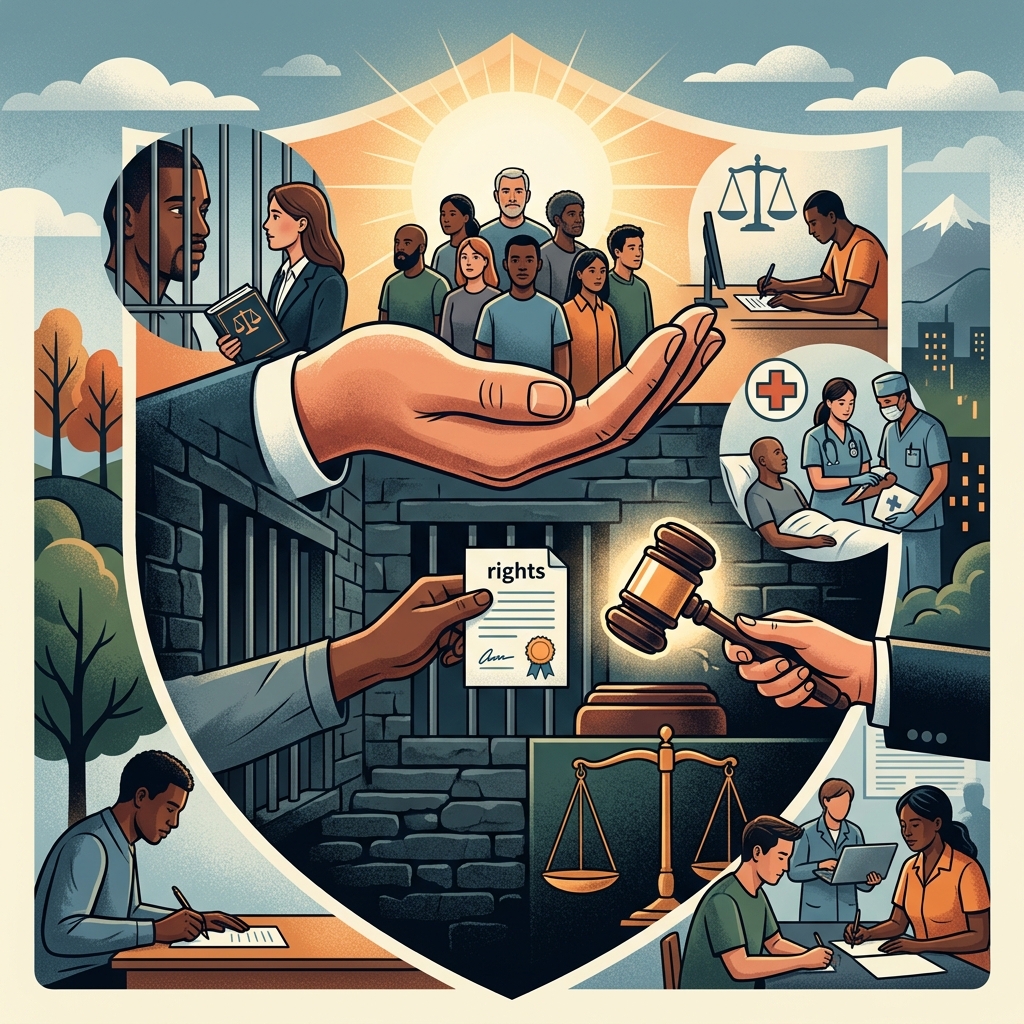
People held in jails and prisons do not lose their status as human beings or their basic legal protections. While incarceration allows the government to restrict freedom of movement and certain liberties, the Constitution and civil rights laws continue to protect individuals against abuse, discrimination, and dangerous conditions. Official agencies and courts play a critical role in making sure these protections are respected and in investigating facilities that violate the law.
1. Who Is Covered and Why These Rights Matter
Legal protections apply broadly to people confined in:
- Local and county jails holding people pretrial or serving short sentences
- State prisons housing individuals serving longer sentences
- Specialized facilities, including women’s prisons and youth detention centers
These rights matter because incarceration greatly increases vulnerability to harm. Individuals inside correctional facilities often depend entirely on the institution for safety, medical care, food, shelter, and access to the outside world. When prisons and jails fail in these responsibilities, the consequences include serious injury, preventable illness, psychological trauma, and even death.
2. Core Legal Foundations for Prisoners’ Rights
The rights of people in custody arise from a mix of constitutional protections, statutes, and human rights principles. These sources define standards that prisons and jails must meet.
2.1 Constitutional Protections
Several parts of the United States Constitution continue to apply behind bars:
- Eighth Amendment: Prohibits cruel and unusual punishment, which includes excessive force, deliberate indifference to serious medical needs, and severely unsafe or degrading conditions.
- Fourteenth Amendment: Through the Due Process and Equal Protection Clauses, guards against arbitrary deprivation of liberty interests and bans discrimination based on race, sex, or other protected characteristics.
- First Amendment: Protects limited rights to speech, religion, and access to the courts, subject to reasonable regulations needed for safety and order.
| Amendment | Key Protection for People in Custody |
|---|---|
| Eighth Amendment | Freedom from excessive force, degrading conditions, and deliberate indifference to serious medical needs. |
| Fourteenth Amendment | Due process in disciplinary actions; equal protection against discrimination based on race, sex, religion, and similar grounds. |
| First Amendment | Qualified rights to practice religion, send and receive mail, access legal materials, and petition courts. |
2.2 Human Rights Standards
International human rights instruments reinforce and clarify basic principles for the treatment of people in custody. United Nations standards emphasize that all prisoners must be treated with respect for their inherent dignity and value as human beings. They also insist that, except for restrictions strictly required by incarceration, prisoners retain the same human rights and fundamental freedoms recognized for all persons.
Key human rights principles include:
- No discrimination based on race, color, sex, language, religion, political opinion, national or social origin, or other status.
- Access to health services available in the wider community, without discrimination based on legal status.
- Opportunities for education, cultural activity, and meaningful work that support reintegration into society.
- Efforts to minimize and carefully regulate solitary confinement due to its harmful effects.
3. What Rights Do Prisoners Retain?
Incarceration limits certain liberties, but individuals retain a set of core rights that cannot be ignored simply because they are in custody.
3.1 Protection From Cruel and Dangerous Conditions
People in jails and prisons have the right to live in conditions that meet basic standards of health and safety. Facilities must provide:
- Safe housing free from excessive violence and sexual assault
- Adequate food, clothing, shelter, and ventilation
- Sanitation and hygiene, including access to toilets, showers, and clean water
- Reasonable opportunities for exercise and time outside of cells
When conditions become extremely overcrowded, unsanitary, or violent, courts may treat them as violations of the Eighth Amendment’s prohibition on cruel and unusual punishment.
3.2 Access to Medical and Mental Health Care
Facilities must provide necessary medical and mental health care for serious health needs. The Eighth Amendment requires officials not to exhibit “deliberate indifference” to significant medical conditions. This obligation extends to:
- Timely evaluation of injuries and illnesses
- Provision of prescribed medication and reasonable follow-up care
- Mental health support, including for suicide risk and severe psychiatric conditions
- Care related to pregnancy, childbirth, and women’s health in facilities that house women
3.3 Freedom From Discrimination and Harassment
Prisoners are protected against unequal treatment based on race, sex, religion, national origin, or similar factors. This includes:
- Protection from racially segregated housing practices, except in rare cases when required for security.
- Equal access to programs, work assignments, and basic services, absent a legitimate safety or medical reason.
- Freedom from targeted harassment or abuse motivated by discriminatory bias.
3.4 Limited Rights to Speech, Religion, and Family Contact
Correctional officials may regulate communication and religious practices, but they must respect core rights to the extent compatible with safety and order.
Common protections include:
- Access to religious services or opportunities to pray and observe religious holidays, subject to reasonable limits on materials and gatherings.
- The ability to send and receive mail, communicate with family and friends, and read books and magazines, although content may be restricted for security reasons.
- Access to the courts, legal mail, and legal materials needed to challenge conditions or convictions.
3.5 Due Process in Discipline and Housing Decisions
When prison or jail officials impose serious discipline or change housing conditions in ways that create an atypical and significant hardship, basic due process protections may apply. Examples include:
- Notice of the charges and an opportunity to present a defense in disciplinary hearings
- Safeguards when placement in highly restrictive housing or solitary confinement will have severe effects
- Means to appeal disciplinary decisions or classification changes
4. Common Types of Violations in Jails and Prisons
Civil rights investigations and litigation often focus on recurring problems in correctional facilities. Recognizing these issues helps individuals and communities identify when legal standards may be violated.
4.1 Excessive Use of Force
Guards may not use force as punishment or in ways that are disproportionate to a person’s behavior. Excessive force can include repeated beatings, unjustified use of weapons, or restraint practices that cause serious injury. When force is used to terrorize, retaliate, or humiliate, rather than to control genuine threats, it can violate the Eighth Amendment.
4.2 Sexual Abuse and Harassment
Everyone has a right to be free from sexual assault in custody, whether the perpetrator is staff or another incarcerated person. Sexual violence may be linked to failures in supervision, deliberate tolerance of abuse, or retaliation against people who report misconduct. Investigations of women’s prisons frequently examine patterns of staff sexual misconduct, coercion, and exploitation.
4.3 Unsafe, Overcrowded, or Unsanitary Conditions
Many jails and prisons struggle with overcrowding, deteriorating infrastructure, and chronic understaffing. These problems can lead to:
- Serious infections and diseases due to unsanitary facilities
- Inadequate protection from violence and sexual assault
- Extended lockdowns that prevent exercise, showers, or access to programs
- Extreme isolation in solitary confinement that harms mental health
4.4 Denial of Necessary Medical Care
Violations often involve delayed or denied treatment for serious conditions such as heart disease, diabetes, mental illness, or substance use disorders. A pattern of ignoring medical requests or failing to respond to obvious signs of distress can indicate deliberate indifference.
4.5 Discriminatory Practices and Retaliation
Facilities may unlawfully discriminate in their use of discipline, housing, or program assignments. Retaliation against individuals for filing grievances, speaking to investigators, or participating in lawsuits can also raise serious constitutional concerns.
5. Oversight and Federal Civil Rights Enforcement
Because incarcerated people often cannot directly control their environment, outside oversight is critical. Federal and state agencies, courts, and community organizations play complementary roles in monitoring conditions and enforcing legal standards.
5.1 Department of Justice Oversight
Within the U.S. Department of Justice, specialized units investigate patterns or practices of unlawful conditions in state and local correctional facilities. These investigations may focus on:
- State prison systems with widespread violence or systemic denial of medical care
- Local jails facing repeat incidents of death in custody or extreme overcrowding
- Facilities for women or youth where sexual abuse and exploitation are alleged
The federal government often relies on information from incarcerated people, family members, advocates, and local officials to identify facilities in crisis and gather evidence.
5.2 Courts and Civil Litigation
Federal courts enforce the constitutional rights of prisoners and have authority to order remedies when jails and prisons violate those rights. Individuals may file lawsuits seeking:
- Damages for injuries caused by excessive force or deliberate indifference
- Court orders requiring improved conditions, staffing, or medical care
- Structural reforms to address systemic problems rather than isolated incidents
5.3 Community and Advocacy Involvement
Civil rights organizations, legal aid clinics, and community groups monitor conditions and assist incarcerated people in asserting their rights. Advocacy can include:
- Documenting abuses through interviews, records, and public reports
- Helping families understand complaint channels and legal options
- Campaigning for legislative reforms that reduce overcrowding and improve oversight
6. How People Can Report Abuse or Dangerous Conditions
Reporting mechanisms are essential to uncovering violations in jails and prisons. While specific phone numbers and email addresses may differ by facility, common pathways for raising concerns include internal and external channels.
6.1 Internal Grievance Systems
Most facilities are required to maintain grievance procedures that allow incarcerated people to submit complaints about conditions, staff misconduct, or denied services.
- Grievances usually must be filed within strict time limits.
- Individuals may need to appeal decisions through multiple levels.
- Exhausting these remedies is often necessary before bringing certain federal lawsuits.
6.2 External Complaint Routes
When internal systems fail or involve alleged retaliation, outside reporting can be crucial. Common external routes include:
- Contacting civil rights units within the U.S. Department of Justice or state attorneys general, which often provide public phone numbers and email addresses to receive information about correctional facilities.
- Reaching out to civil rights organizations, legal clinics, or prisoner advocacy groups for assistance with documentation and legal strategy.
- Alerting local oversight boards or inspectors general where those bodies exist.
6.3 Role of Families and Community Members
Family members and community observers frequently serve as crucial sources of information when conditions deteriorate. They may report patterns such as unexplained injuries, sudden lockdowns, or widespread illness. Their calls, emails, and written submissions can prompt formal investigations.
7. Practical Steps for Protecting Rights in Custody
Individuals in jails and prisons, as well as their supporters, can take practical steps to protect rights and preserve evidence of violations.
7.1 Documentation and Evidence
- Keep copies or records of grievances, medical requests, and responses.
- Note dates, times, and names of staff involved in incidents.
- Describe conditions in detail, including frequency and duration of harmful practices such as solitary confinement or lack of medical care.
7.2 Legal Support
- Seek advice from attorneys or legal aid organizations that focus on prisoners’ rights, civil rights, or criminal appeals.
- Ask trusted advocates to help in communicating with investigative agencies or preparing formal complaints.
- Understand that some claims must meet strict filing deadlines and procedural rules.
7.3 Community Advocacy
- Work with local organizations to raise awareness about conditions in specific facilities.
- Encourage public officials to prioritize oversight, funding for safety and health, and alternatives to incarceration that reduce overcrowding.
- Support reforms that expand education, treatment, and reentry services to improve outcomes and reduce harm.
8. Frequently Asked Questions (FAQs)
Do people in prison still have constitutional rights?
Yes. People in prison retain important constitutional protections, including rights under the Eighth Amendment against cruel and unusual punishment, the Fourteenth Amendment’s guarantees of due process and equal protection, and limited First Amendment rights to speech, religion, and access to the courts.
Can prisons completely deny medical care to incarcerated individuals?
No. Prisons and jails must provide necessary medical care for serious health needs. Deliberate indifference to known serious medical conditions can violate the Eighth Amendment and expose officials to legal liability.
Are harsh conditions ever legal if they serve security goals?
Regulations that restrict rights may be upheld if they are reasonably related to legitimate security or administrative interests. However, conditions that deprive people of basic human needs or that cause unnecessary suffering can still be unlawful even when security is cited as a concern.
What can families do if they suspect abuse in a jail or prison?
Families can encourage their loved ones to use grievance systems, help document incidents, and contact civil rights enforcement offices, legal organizations, or oversight bodies to report patterns of abuse or unsafe conditions.
Do international human rights standards apply to prisoners in the United States?
While domestic law is enforced through U.S. courts, international standards such as the United Nations Basic Principles for the Treatment of Prisoners provide widely accepted benchmarks, emphasizing dignity, non-discrimination, access to health care, and educational and rehabilitative opportunities.
References
- Prisoners’ Rights — Legal Information Institute, Cornell Law School. 2023-01-01. https://www.law.cornell.edu/wex/prisoners’_rights
- Prisoners and Procedural Due Process — Constitution Annotated, U.S. Congress. 2022-01-01. https://constitution.congress.gov/browse/essay/amdt14-S1-5-6-4/
- Your Rights in Prison — Jailhouse Lawyers Handbook. 2022-06-01. https://www.jailhouselaw.org/your-rights-prison
- Basic Principles for the Treatment of Prisoners — Office of the United Nations High Commissioner for Human Rights. 1990-12-14. https://www.ohchr.org/en/instruments-mechanisms/instruments/basic-principles-treatment-prisoners
- Prisoner Rights — EBSCO Research Starters. 2021-01-01. https://www.ebsco.com/research-starters/law/prisoner-rights
- Rights Of Persons Confined To Jails And Prisons — U.S. Department of Justice, Civil Rights Division. 2024-01-01. https://www.justice.gov/crt/rights-persons-confined-jails-and-prisons
- Prison Conditions — Equal Justice Initiative. 2023-05-01. https://eji.org/issues/prison-conditions/
Similar Articles








Read full bio of Sneha Tete




