
Understanding Real Estate Broker Liability
Learn when real estate brokers can be held legally responsible, what duties they owe, and how buyers, sellers, and brokers can manage liability risks.
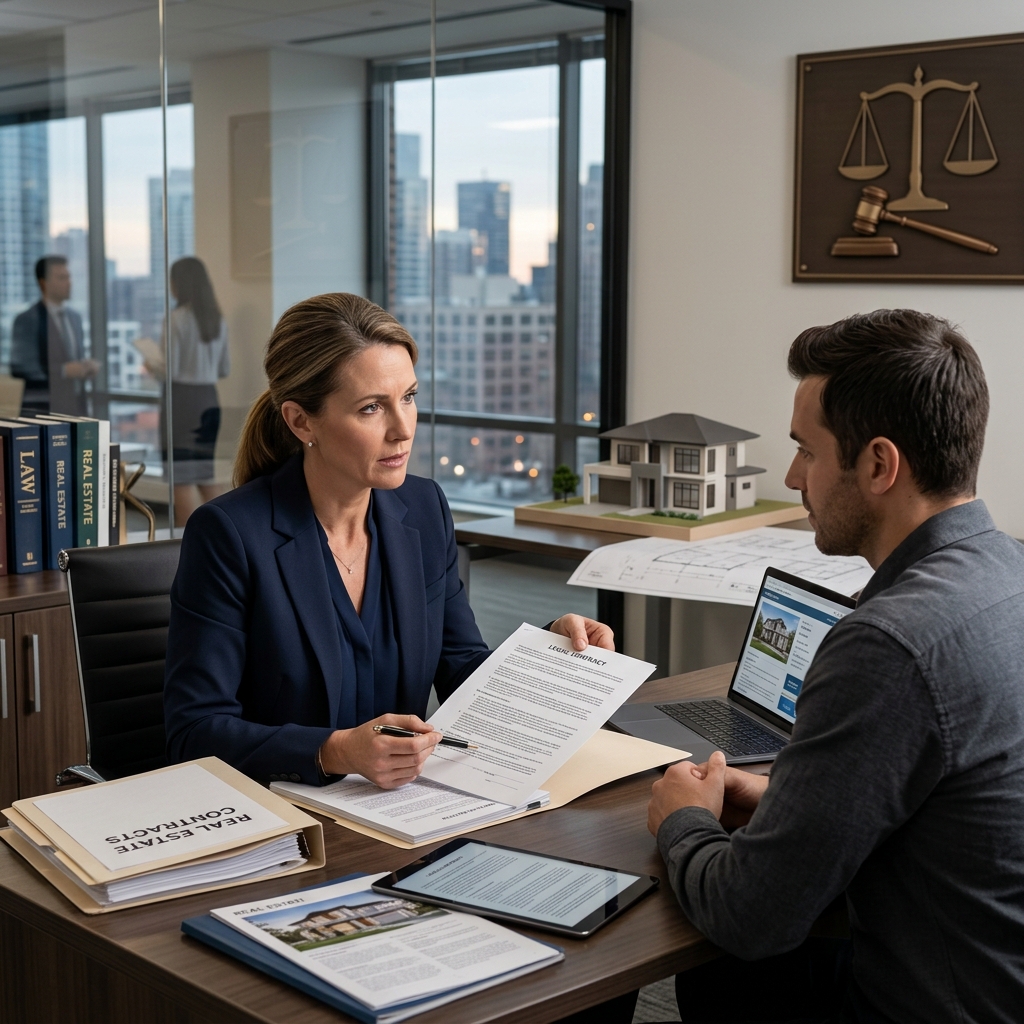
Real estate brokers play a central role in most property transactions, acting as intermediaries between buyers, sellers, investors, and sometimes tenants. When a deal goes wrong, questions quickly arise about whether the broker can be held legally responsible for financial losses or other harm. This article explains how real estate broker liability works, what legal duties brokers owe, and how disputes over misrepresentation, non-disclosure, and poor advice are typically handled.
While specific rules vary by state, many jurisdictions impose a combination of statutory obligations, licensing standards, and common-law duties on brokers and the agents they supervise. These duties are designed to protect consumers and maintain confidence in the real estate profession. Understanding them is essential for buyers, sellers, and real estate professionals alike.
What Does Broker Liability Mean?
Broker liability refers to the legal responsibility a real estate broker may bear if their actions or omissions cause financial loss or other damage in connection with a real estate transaction. Liability can arise from violating statutory duties, breaching fiduciary obligations, committing fraud or misrepresentation, or failing to exercise reasonable care and skill.
Broadly, liability may be based on several overlapping legal theories:
- Negligence – failing to act with the level of care that a reasonably prudent real estate professional would exercise in similar circumstances.
- Breach of fiduciary duty – violating duties of loyalty, confidentiality, or full disclosure owed to a client.
- Fraud or deceptive practices – intentionally or recklessly providing false information, concealing material facts, or engaging in misleading advertising.
- Statutory violations – breaching obligations imposed by real estate licensing laws or consumer protection statutes.
- Vicarious liability – responsibility for the wrongful acts of agents or salespersons acting under the broker’s supervision.
Importantly, many states make clear that a broker cannot contract away core professional responsibilities or escape liability for misconduct through language in a purchase agreement or listing contract. These duties are considered matters of public policy.
Core Legal Duties of Real Estate Brokers
Although specific wording differs across jurisdictions, real estate brokers typically owe a set of baseline duties to those they represent. For example, Florida law requires licensees to deal honestly and fairly, use skill, care, and diligence, and disclose all known material facts that could affect the value of residential property. Similar obligations exist in many other states.
| Duty | Typical Description |
|---|---|
| Honesty and fair dealing | Refrain from deceptive, fraudulent, or misleading conduct in all communications and advertising. |
| Disclosure of material facts | Reveal known, significant facts about the property or transaction that could influence a reasonable buyer or seller. |
| Skill, care, and diligence | Perform professional services with the competence expected of trained real estate practitioners, including proper advice and documentation. |
| Accounting for funds | Safeguard and accurately track earnest money, escrow funds, and other client monies. |
| Fiduciary duties | In agency relationships, act in the client’s best interests, maintain confidentiality, and avoid conflicts of interest. |
Courts have emphasized that once a broker makes affirmative statements about a property, the buyer is entitled to rely on those statements and expect full and fair disclosure of associated material facts. That expectation is central to many misrepresentation and non-disclosure cases.
Common Sources of Broker Liability
Disputes over broker liability often surface after closing, when a buyer discovers a defect, a seller learns of undisclosed information, or an investment fails to perform as expected. Several patterns recur across litigation and disciplinary cases.
Misrepresentation and Fraud
Misrepresentation occurs when a broker or agent provides false, incomplete, or misleading information that a client or customer reasonably relies upon. This can be intentional (fraud) or negligent (careless but not deliberate). Examples include:
- Overstating the size of a property or the quality of improvements.
- Describing a property as having features it does not truly possess (e.g., “new roof” when the roof is several years old).
- Misstating the age of an addition, the condition of major systems, or legal zoning status.
- Creating promotional materials that exaggerate or mislead about amenities or environmental conditions.
Courts have held brokers liable for both affirmative misstatements and for failing to correct earlier statements when new information reveals they are inaccurate.
Failure to Disclose Material Defects
Many states impose duties on brokers to disclose known, material defects that are not readily observable to the buyer. These can include structural issues, environmental hazards, off-site conditions, or legal encumbrances that substantially affect the property’s use or value.
Liability may arise where a broker knows, for example:
- There is significant water intrusion, foundation damage, or pest infestation.
- An easement, restrictive covenant, or boundary dispute limits the property’s use.
- Off-site physical conditions, such as nearby contamination or noise sources, materially affect habitability or enjoyment of the property.
- Pending code enforcement actions or permit issues threaten future use of improvements.
In some landmark decisions, courts have held that brokers representing builder-developers are liable not only for intentional misrepresentation but also for nondisclosure of off-site conditions known to them, if those conditions are sufficiently material to affect an objectively reasonable buyer’s decision.
Breach of Fiduciary Duty
Where an agency relationship exists, brokers owe fiduciary duties such as loyalty, confidentiality, and full disclosure of relevant information. Breach of these obligations can lead to substantial liability. Examples include:
- Placing the broker’s financial interests ahead of the client’s, such as steering a buyer to properties with higher commissions.
- Failing to reveal a known conflict of interest, including ownership interests or relationships that may influence the broker’s advice.
- Disclosing confidential client information without consent.
- In dual agency situations, not fairly balancing the interests of both buyer and seller where the law permits such representation.
Poor Supervision and Vicarious Liability
Brokers are usually responsible for supervising the salespersons and agents working under their license. When an agent commits misconduct within the scope of their employment, the brokerage may be held liable under vicarious liability principles.
Examples of supervision-related issues include:
- Failure to train agents on disclosure obligations and advertising rules.
- Inadequate review of marketing materials or property information prepared by agents.
- Poor record-keeping, including missing disclosures or improperly handled escrow funds.
Courts have noted that if a firm accepts the financial benefits of an agent’s transaction, it generally cannot disclaim responsibility for the agent’s misconduct in that same transaction.
Can Contracts Limit a Broker’s Liability?
Many real estate contracts contain clauses attempting to limit broker liability or require buyers and sellers to hold brokers harmless. However, such clauses are often ineffective when they conflict with public policy or statutory duties.
For example, an opinion from the Florida Attorney General concluded that licensed brokers cannot be relieved of professional duties or shielded from liability for violations of the state’s real estate practices act by contractual language between buyer and seller. Contract provisions that purport to remove liability for misrepresentation or other wrongdoing may be deemed void as contrary to public policy.
Key implications include:
- Disclaimers cannot excuse fraud, intentional misrepresentation, or gross negligence.
- Clauses limiting responsibility must still comply with state consumer protection and licensing laws.
- Even when some limitations are enforceable, brokers remain liable for statutory obligations such as disclosure and fair dealing.
Risk Management: How Brokers Protect Themselves
Because malpractice claims and disciplinary actions represent significant exposure, brokers use a mix of risk management techniques and insurance to protect themselves. Industry guidance and insurer materials highlight several key strategies.
Professional Standards and Documentation
Effective risk management begins with robust internal practices, such as:
- Written policies on disclosure, advertising, and agent supervision.
- Consistent documentation of representations made to clients, including emails, property data sheets, and disclosure forms.
- Using standardized contracts and disclosures that comply with state law.
- Regular training for agents on legal duties, ethics, and current regulatory requirements.
Errors and Omissions (E&O) Insurance
Professional liability insurance, often called errors and omissions (E&O) insurance, is a critical tool for managing broker liability risk. This coverage helps protect brokers, agents, and property managers from claims alleging negligence, misrepresentation, or failure to perform professional duties.
Key features typically include:
- Coverage for legal defense costs and settlements arising from covered claims.
- Protection against allegations of mistakes in contracts, disclosures, or property information.
- Extensions for supervisory liability, advertising issues, and some regulatory proceedings (depending on policy terms).
Insurer guidance emphasizes that neither corporations nor limited liability entities protect individuals from their own malpractice or intentional wrongdoing; personal assets may be at risk if coverage is inadequate.
General Liability Insurance
In addition to E&O coverage, brokers also rely on general liability insurance for claims involving bodily injury, property damage, or certain personal injury offenses like defamation. This coverage is distinct from professional liability and focuses on everyday business risks (e.g., someone slipping in a broker’s office).
Buyer and Seller Considerations
Understanding broker liability helps consumers recognize when legal recourse may be available if something goes wrong in a transaction.
For Buyers
Buyers should be aware of the broker’s obligations to disclose known material facts and avoid misleading statements. Practical steps include:
- Requesting written property disclosures and carefully reviewing them.
- Documenting key representations made by brokers or agents, especially regarding defects, permits, or boundaries.
- Ordering independent inspections and consulting professionals (e.g., surveyors or environmental consultants) when appropriate.
- Seeking legal advice promptly if undisclosed defects or misrepresentations surface after closing.
For Sellers
Sellers also benefit from clarity about broker duties:
- Ensuring the listing broker understands all known defects and relevant facts about the property.
- Providing complete information to avoid putting the broker in a position of unintentional non-disclosure.
- Reviewing advertising materials to confirm they accurately portray the property and do not overstate features.
- Understanding that contractual clauses may not fully shield brokers from liability for misrepresentation or fraud.
Frequently Asked Questions (FAQs)
1. Are brokers always liable when a transaction goes bad?
No. A failed transaction or disappointing investment does not automatically mean the broker is liable. Liability generally requires proof that the broker breached a legal duty—such as misrepresenting key facts, failing to disclose known defects, or violating fiduciary obligations—and that this breach caused the claimant’s losses.
2. Can a broker avoid liability by forming an LLC or corporation?
Forming an LLC or corporation can limit personal liability for the actions of others in the business, but it does not protect a broker from their own malpractice or intentional wrongdoing. Courts and insurers stress that individuals remain personally responsible for their professional conduct, even when operating through a business entity.
3. Is a broker responsible for the acts of their agents?
Often yes. Under vicarious liability and supervisory obligations, brokerage firms are frequently held responsible for wrongful acts by agents acting within the scope of their employment. This is why brokers are expected to supervise, train, and monitor their agents carefully.
4. Do disclaimers in the purchase contract protect the broker?
Contractual disclaimers may provide some protection for minor issues, but they generally cannot waive core statutory duties or shield brokers from liability for misrepresentation, fraud, or statutory violations. Many jurisdictions treat attempts to contract away such responsibilities as void on public policy grounds.
5. What should I do if I suspect broker misconduct?
If you believe a broker misrepresented a property, failed to disclose material information, or breached fiduciary duties, you can:
- Gather documentation (emails, contracts, disclosure forms, advertisements).
- Consult an attorney experienced in real estate litigation or professional liability.
- Consider filing a complaint with the state real estate licensing authority or consumer protection agency.
- Review any relevant insurance information, as claims may be covered under the broker’s E&O policy.
References
- Real estate broker’s liability not relieved by contract — Florida Office of the Attorney General. 1993-02-11. https://www.myfloridalegal.com/ag-opinions/real-estate-brokers-liability-not-relieved-by-contract
- Real Estate Agents’ Liability for Errors and Omissions — Business Trial Group. 2019-06-04. https://www.businesstrialgroup.com/news/real-estate-agent-liability-errors-omissions/
- Risk Management & Insurance for Real Estate Agents — MileIQ. 2018-10-16. https://mileiq.com/blog/risk-management-and-insurance-for-real-estate-agents
- Real Estate Broker Liability Limitation Study — Ohio Department of Commerce, Division of Real Estate & Professional Licensing. 2012-02-01. https://dam.assets.ohio.gov/image/upload/com.ohio.gov/documents/real_Real_Estate_Broker_Liability_Limitation_Study_final.pdf
- Broker Liability — Mitchell, Williams, Selig, Gates & Woodyard, P.L.L.C. 2012-06-13. https://www.mitchellwilliamslaw.com/files/13443654012012-06-13_Broker_Liability_-_Wagner.pdf
- Realtors Liability Attorney in Irvine CA — Brockmeier Law Group. 2020-09-01. https://blgjustice.com/practice-areas/real-estate/realtor-liability/
- Professional Liability Insurance for Real Estate Agents — Travelers. 2021-03-15. https://www.travelers.com/business-insurance/professional-liability-insurance/real-estate-professionals
Similar Articles








Read full bio of Sneha Tete


