
Minnesota Robbery: 3 Charges, Penalties, And Key Differences
Learn how Minnesota defines robbery, its penalties, and key legal distinctions that affect criminal charges and defenses.
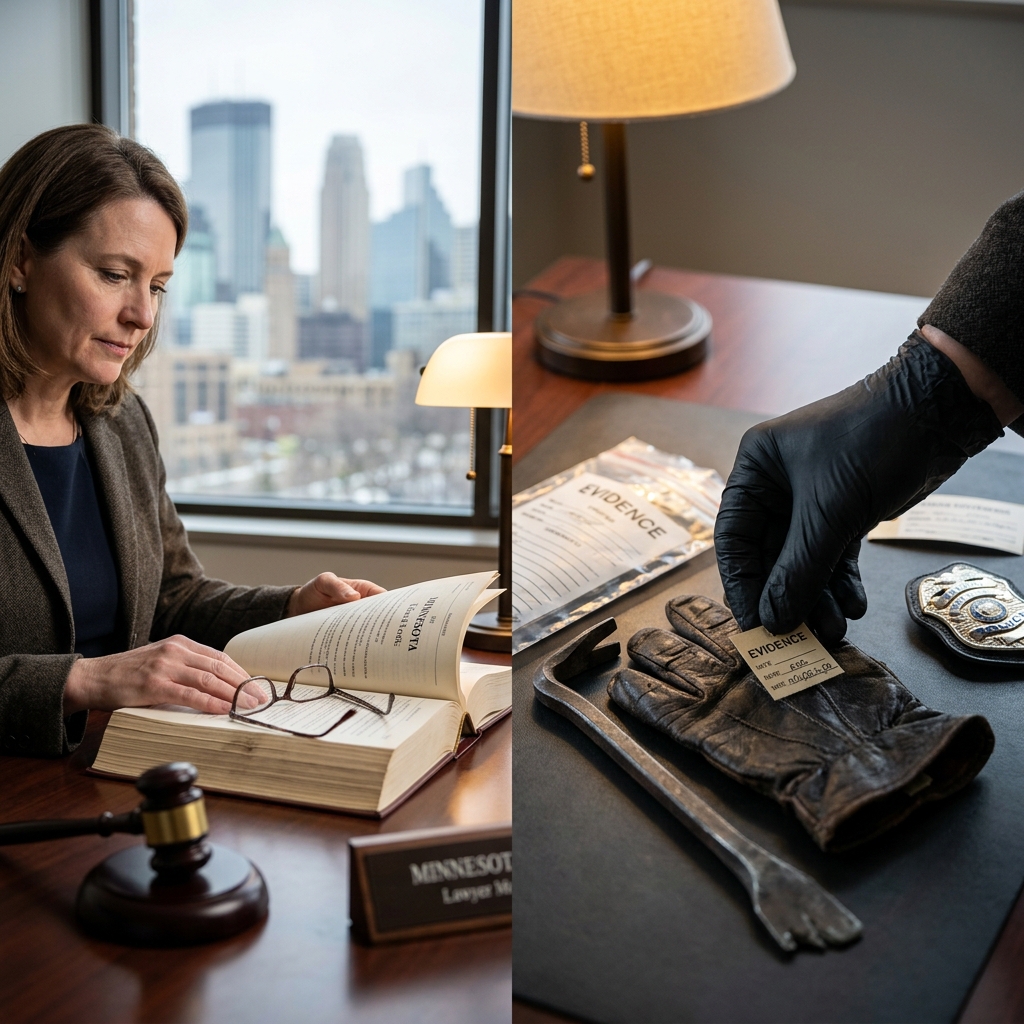
Robbery in Minnesota is treated as a serious felony offense because it combines the unlawful taking of property with the use or threat of force against another person. Unlike many other property crimes, robbery directly confronts the victim and can involve weapons or physical harm, which is why the law imposes particularly tough penalties.
This article provides a detailed, plain‑language overview of how Minnesota defines robbery, the differences between simple robbery and aggravated robbery, the potential sentences, and how robbery compares to related crimes such as theft and burglary. It is designed for general information and should not be taken as legal advice for any specific case.
How Minnesota Law Defines Robbery
Under Minnesota law, robbery occurs when someone takes personal property from another person or in that person’s presence, knowing they are not entitled to it, and uses or threatens the imminent use of force to overcome resistance or compel compliance. The core elements are:
- Taking property that belongs to someone else, or is in their presence.
- Lack of entitlement: the person knows they have no legal right to the property.
- Use or threat of force to overcome resistance or compel the person to allow the property to be taken.
It is this combination of theft and violence or intimidation that distinguishes robbery from other property-related offenses in Minnesota. Even if no weapon is involved, the mere threat of immediate force to take property can be enough for a robbery charge.
Simple Robbery: The Baseline Offense
The foundational robbery offense in Minnesota is known as simple robbery, codified in Minnesota Statutes section 609.24. This form of robbery does not require a weapon or serious bodily injury, but it does require force or threatened force to take property.
Legal Definition of Simple Robbery
Simple robbery occurs when a person, with knowledge that they are not legally entitled to the property, takes personal property from another person or in their presence and uses or threatens the imminent use of force against any person to overcome resistance or compel acquiescence. Even a relatively minor physical struggle or explicit threat can satisfy the force requirement.
Penalties for Simple Robbery
Simple robbery is a felony in Minnesota. The statute authorizes:
- Up to 10 years of imprisonment.
- A fine of up to $20,000.
- The court may impose both prison time and a fine in appropriate cases.
Because simple robbery is a felony, a conviction also carries long-term consequences beyond the immediate sentence, including a criminal record that can affect employment, housing, and civil rights.
Aggravated Robbery: When Weapons or Serious Threats Are Involved
Minnesota recognizes more serious forms of robbery under the heading of aggravated robbery, covered by Minnesota Statutes section 609.245. Aggravated robbery involves additional factors such as the presence of a dangerous weapon or a heightened level of threat, and is divided into first-degree and second-degree offenses.
First‑Degree Aggravated Robbery
First‑degree aggravated robbery is the most serious robbery charge in Minnesota. A person commits this offense if, while committing a robbery, they are armed with a dangerous weapon or use an item that is fashioned or used in a way that leads the victim reasonably to believe it is a dangerous weapon, or they inflict bodily harm on another person.
In practice, first‑degree aggravated robbery covers situations such as:
- Using a firearm, knife, or other inherently dangerous weapon during a robbery.
- Brandishing an object to convince the victim it is a weapon capable of causing serious harm.
- Physically injuring the victim during the commission of the robbery.
Penalties for First‑Degree Aggravated Robbery
First‑degree aggravated robbery is punishable by:
- Up to 20 years of imprisonment.
- A fine of up to $35,000.
- Both imprisonment and a fine, at the discretion of the court.
Second‑Degree Aggravated Robbery
Second‑degree aggravated robbery involves a lesser, but still serious, degree of weapon‑related threat. Under Minnesota Statutes section 609.245 subdivision 2, a person commits second‑degree aggravated robbery when, while committing a robbery, they imply by word or act that they possess a dangerous weapon.
Important features of second‑degree aggravated robbery include:
- No actual weapon needs to be present; the law focuses on the implication of a weapon.
- The implication can be verbal (for example, stating that they have a gun) or non‑verbal (such as placing a hand inside a coat to suggest a firearm).
Penalties for Second‑Degree Aggravated Robbery
Second‑degree aggravated robbery carries substantial felony penalties. Under Minnesota law, a person convicted of this offense may face:
- Up to 15 years of imprisonment.
- A fine of up to $30,000.
- Potential imposition of both prison time and a fine.
Robbery Compared with Theft and Burglary
Robbery is part of a broader group of property crimes, but it is legally distinct from theft and burglary in Minnesota. Understanding these distinctions helps clarify why robbery is prosecuted more severely than many other property offenses.
Robbery vs. Theft
Theft in Minnesota generally involves the unauthorized taking of property without the owner’s consent, but does not require the use or threat of force against a person. Theft statutes focus on the value of the property taken, with penalties escalating as the value increases.
Key differences between robbery and theft include:
- Presence of the victim: Robbery usually occurs in the presence of the victim, often face‑to‑face; theft can occur without the victim being nearby.
- Use of force or intimidation: Robbery requires force or threats; theft does not.
- Penalty structure: Robbery is a felony regardless of the value of the property, whereas theft penalties depend heavily on the property’s value.
Robbery vs. Burglary
Burglary is defined under Minnesota Statutes section 609.582 and involves entering a building without consent and with intent to commit a crime inside, or committing a crime after entering without consent. Burglary is primarily concerned with unlawful entry, rather than confrontation with a person.
Key distinctions between robbery and burglary include:
- Entry element: Burglary requires unauthorized entry into a building; robbery does not.
- Focus of harm: Robbery centers on force or intimidation against a person; burglary focuses on unlawful entry and the intent to commit a crime inside.
- Overlap: A single incident can involve both burglary (unlawful entry) and robbery (forceful taking from a person) if both sets of elements are met.
Summary Table of Minnesota Robbery Offenses
| Offense | Core Elements | Maximum Prison Term | Maximum Fine | Statutory Citation |
|---|---|---|---|---|
| Simple Robbery | Taking property with use or threat of force; no weapon necessarily involved. | 10 years | $20,000 | Minn. Stat. § 609.24 |
| Second‑Degree Aggravated Robbery | Robbery with implication, by word or act, that the offender possesses a dangerous weapon. | 15 years | $30,000 | Minn. Stat. § 609.245, subd. 2 |
| First‑Degree Aggravated Robbery | Robbery while armed with a dangerous weapon or causing bodily harm. | 20 years | $35,000 | Minn. Stat. § 609.245, subd. 1 |
Factors That Can Affect Robbery Sentencing
While the statutes set maximum penalties, actual sentences in Minnesota robbery cases depend on various factors, including:
- Severity of harm: Whether the victim suffered bodily injury and the extent of that injury.
- Use of weapons: The presence of firearms or other dangerous weapons can lead to aggravated charges and higher sentences.
- Criminal history: Prior convictions, especially for violent or property crimes, typically increase sentencing ranges under Minnesota’s guidelines.
- Value of property: Although robbery is not primarily defined by property value, high‑value property may influence sentencing considerations.
- Mitigating circumstances: Factors such as youth, lack of prior record, or evidence of duress may affect the court’s sentencing decision.
Common Legal Issues in Robbery Cases
Robbery cases often turn on factual disputes and legal interpretations. Some recurring issues include:
- Whether force was used or threatened: Courts examine the circumstances to determine if the defendant’s conduct amounted to a threat of imminent force sufficient for robbery rather than mere theft.
- Whether a weapon was present or implied: In aggravated robbery, the prosecution must show either actual weapon possession or an implication that a dangerous weapon was present.
- Intent to take property: Robbery requires intent to deprive another of property; accidental or mistaken conduct may not satisfy this element.
- Identity of the offender: As with many violent crimes, eyewitness identification and other evidence can be contested.
Frequently Asked Questions About Minnesota Robbery Laws
Is robbery always a felony in Minnesota?
Yes. Under Minnesota law, robbery—whether simple or aggravated—is classified as a felony offense, carrying the potential for years of imprisonment and significant fines. There is no misdemeanor form of robbery.
Do I have to use a weapon for a robbery charge?
No. A weapon is not required for a robbery charge. If you take property using or threatening force, that may be enough for simple robbery. Weapons and implied weapons are relevant for aggravated robbery charges, which carry higher penalties.
What if I only implied I had a weapon but did not?
Minnesota law specifically addresses situations where a person, while committing a robbery, implies by word or act that they possess a dangerous weapon. This conduct can lead to a charge of second‑degree aggravated robbery even when no actual weapon is present.
How is robbery different from shoplifting?
Shoplifting is a form of theft, typically involving taking merchandise from a store without paying and without using or threatening force. Robbery, by contrast, requires the use or threat of force against a person to take property, and is punished more severely regardless of the property’s value.
Can a robbery also be charged as burglary?
In some circumstances, yes. If a person unlawfully enters a building with intent to commit a crime and, once inside, uses force to take property from a person, prosecutors may charge both burglary (for the unlawful entry) and robbery (for the forceful taking).
References
- Minnesota Statutes § 609.24: Simple Robbery — Office of the Revisor of Statutes. 2023-01-01. https://www.revisor.mn.gov/statutes/cite/609.24
- Minnesota Statutes § 609.245: Aggravated Robbery — Office of the Revisor of Statutes. 2023-01-01. https://www.revisor.mn.gov/statutes/cite/609.245
- Minnesota Statutes § 609.582: Burglary — Office of the Revisor of Statutes. 2023-01-01. https://www.revisor.mn.gov/statutes/cite/609.582
- Being Charged with Theft in Minnesota — Ringstrom DeKrey. 2022-05-10. https://www.ringstromlaw.com/practice-areas/minnesota/theft
- Lawyer for Robbery in Dakota County, Minnesota — McDonough Law. 2021-09-15. https://mcdonoughlawfirm.com/criminal-defense/theft-and-property-crimes/robbery/
Similar Articles








Read full bio of medha deb




