
Understanding the Legal Rights of Children
Explore how U.S. law protects children’s safety, education, and voice while balancing parental authority and state responsibility.
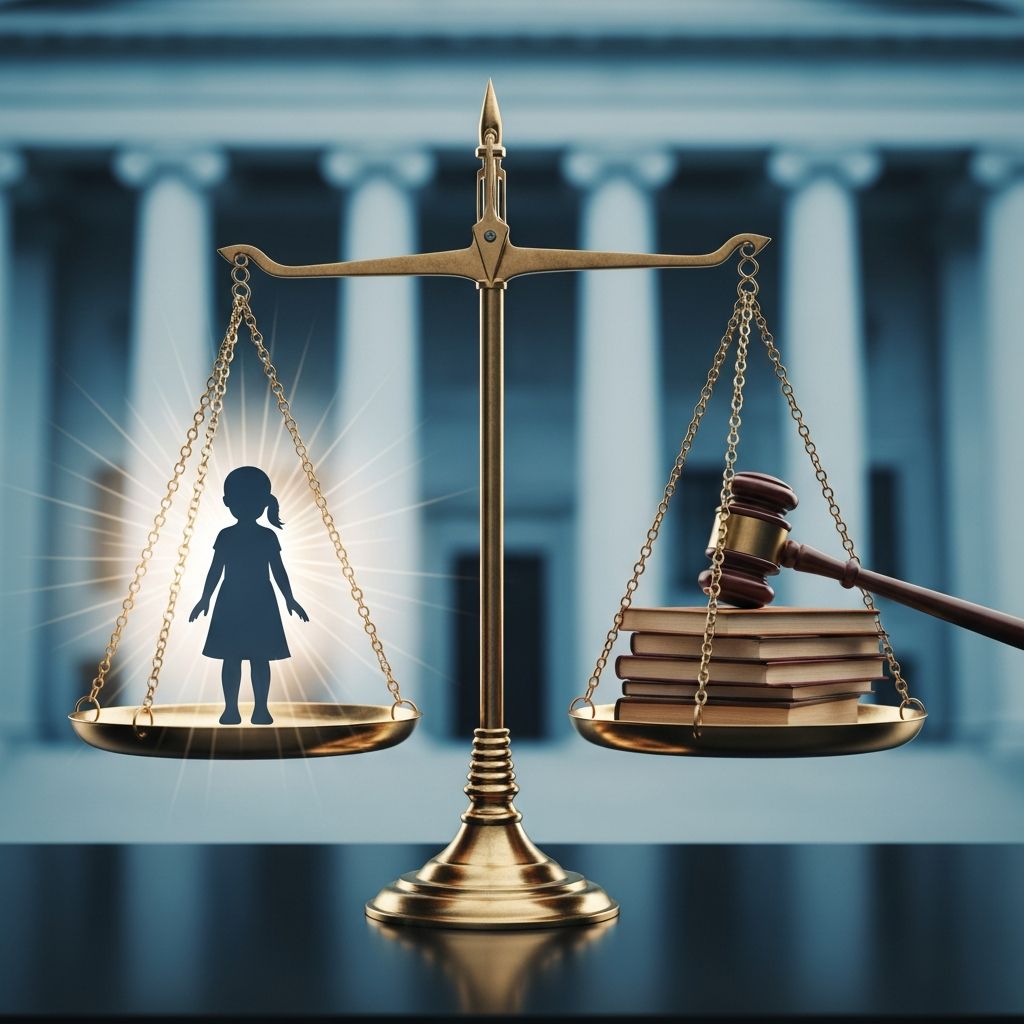
Children in the United States are not simply extensions of their parents; they are recognized by law as individuals with their own rights and protections. At the same time, their rights are shaped by their age, maturity, and dependence on adults. This article explains how U.S. law protects children, how those protections interact with parental authority, and when minors can exercise rights on their own.
1. How the Law Views Children and Minors
In everyday conversation, people use the word “child” to mean anyone who is not yet an adult. Legally, the picture is more complex. Many laws use the term minor to describe a person under the state’s age of majority, usually 18, while some laws use specific age cutoffs for particular rights or responsibilities.
Even though children are young and dependent, U.S. law recognizes that they:
- Have many of the same constitutional protections that adults do, such as due process and equal protection.
- Need special safeguards because they are more vulnerable to abuse, exploitation, and unfair treatment.
- Will gradually gain more autonomy as they mature, with certain rights expanding in the teenage years.
Because of this, the legal system often treats children as a distinct group, especially in family law, education, healthcare, and juvenile justice.
2. Core Principles Behind Children’s Legal Rights
Several broad principles guide how courts, legislatures, and agencies approach children’s rights:
- Best interests of the child: In custody, welfare, and many family-related decisions, judges focus on arrangements that promote the child’s physical, emotional, and educational well-being.
- Protection from harm: The government has a duty to intervene when children face abuse, neglect, or dangerous conditions at home, in school, or in institutions.
- Equal protection: Children are protected by the Equal Protection Clause, meaning they should not face discrimination by government actors based on race, sex, disability, or similar characteristics.
- Gradual autonomy: As minors develop maturity, the law may allow them to take on more decision-making power—such as limited medical consent or emancipation in some situations.
3. Basic Legal Protections Every Child Should Have
Across the United States, children are entitled to a set of baseline protections, even though details may vary by state law.
3.1 Safety, Care, and Basic Needs
Children are entitled to grow up in conditions that meet their basic needs. Although parents are primarily responsible for meeting these needs, the state can step in if those responsibilities are not met.
- Safe living conditions free from physical, sexual, or emotional abuse.
- Adequate food, clothing, and shelter so the child’s basic survival and dignity are protected.
- Access to medical care to address illnesses, injuries, and preventive health needs.
Most states use child protective services and mandatory reporting laws to identify and respond to abuse or neglect. Professionals such as teachers and healthcare providers are often legally required to report suspected maltreatment to authorities.
3.2 Equal Treatment and Non-Discrimination
Children are covered by federal and state civil rights laws that prohibit discrimination in schools, juvenile justice systems, and other government programs.
- Equal access to public education regardless of race, sex, disability, national origin, or language status.
- Equal protection in courts and juvenile justice, including safeguards against discriminatory arrests or sentencing.
- Disability protections under the Americans with Disabilities Act and the Individuals with Disabilities Education Act, which require reasonable accommodations and appropriate services for eligible children.
4. Education Rights and School Discipline
Education is one of the most significant areas where children’s legal rights are defined and enforced.
4.1 Access to Public Education
While the U.S. Constitution does not list education as a specific right, federal and state laws ensure that children have access to free public schooling on equal terms. Courts have held that educational opportunities provided by the state must be made available without arbitrary or discriminatory barriers.
Key aspects of education rights include:
- Free public schooling for school-age children residing in the district, subject to state rules.
- Special education services and individualized plans for eligible students with disabilities under IDEA.
- Language and access protections for students who are English learners, reinforced by federal civil rights laws.
4.2 Due Process and Discipline in School
Students do not lose all constitutional protections at the schoolhouse gate. At the same time, schools have a responsibility to maintain a safe, orderly environment. The result is a balance between student rights and school authority.
Common due process protections in disciplinary situations may include:
- Advance notice of the claimed misconduct before serious punishment, such as suspension.
- An opportunity to tell the student’s side of the story to a decision-maker.
- Additional safeguards, such as hearings or appeals, for long-term suspensions or expulsions.
Schools also have some authority to search students or their belongings, but these searches must typically be justified by reasonable suspicion and carried out in a way that respects students’ limited privacy rights.
5. Children’s Constitutional Rights and Limits
Children share many of the same constitutional rights as adults, especially where the government is involved. However, those rights can be applied differently because of age and the need to protect minors.
| Area of Rights | Typical Protections for Children | Common Limitations |
|---|---|---|
| Free expression | Students and minors can express opinions, including in school, within reasonable limits. | Schools may restrict speech that disrupts learning, is vulgar, or promotes violence. |
| Privacy | Children have some privacy expectations in personal matters. | Parents and schools have greater authority to supervise, search, or monitor for safety. |
| Due process | Children are entitled to fair procedures when facing government actions, such as court cases or serious school discipline. | Procedural protections may be more limited or informal than adult criminal trials. |
| Political rights | Minors can participate in civic life in non-legal ways, such as advocacy or peaceful demonstration. | Children under 18 generally cannot vote and may be restricted from holding certain public offices. |
6. Rights in the Juvenile Justice System
When children come into contact with law enforcement or courts because of alleged delinquent behavior, they are generally processed through a juvenile justice system that is separate from adult criminal courts. This system is designed to emphasize rehabilitation while still providing important legal safeguards.
6.1 Procedural Rights in Juvenile Proceedings
Modern juvenile courts afford minors many of the protections that adults receive in criminal cases, including:
- The right to notice of the allegations or charges.
- The right to counsel, including appointed lawyers if the child cannot afford one.
- The right to remain silent and not incriminate themselves.
- The right to confront and cross-examine witnesses against them.
The U.S. Department of Justice enforces laws that protect children from systemic violations of these rights, including investigations into juvenile courts, probation, and detention facilities that fail to provide adequate access to counsel or fair treatment.
6.2 Conditions in Juvenile Facilities
Children who are detained or committed to juvenile facilities retain protections under the Constitution and federal law. Authorities must ensure:
- Reasonable safety from violence and abuse by staff or other youth.
- Access to education and special education services while detained, when required by law.
- Compliance with disability rights statutes, such as the ADA and IDEA, for eligible youth.
7. The Role of Parents and the State
Parents or legal guardians usually have the primary right and duty to make decisions for their children. The law generally presumes that parents act in their child’s best interests. However, this authority is not unlimited.
7.1 Parental Authority
Within broad limits, parents may decide how to raise their children, including choices about religion, discipline, daily routines, and many aspects of education and healthcare. State laws protect parental decision-making while still requiring that a child’s basic needs are met.
7.2 When the State Can Intervene
Government agencies can override parental decisions when a child faces serious harm or neglect. Examples include:
- Removing a child from a home that is demonstrably dangerous or abusive.
- Seeking court orders to ensure necessary medical care when parents refuse life-saving treatment.
- Placing a child in foster care or with relatives when staying at home is not safe.
Courts aim to balance respect for family autonomy with their obligation to protect minors who cannot protect themselves.
8. Emancipation and When Minors Can Act on Their Own
In some situations, the law allows minors to function more like adults in legal and financial matters. One of the most significant mechanisms is emancipation.
8.1 What Emancipation Means
Emancipation is a legal change in status in which a minor is treated, in many respects, as an adult for purposes of personal decision-making and responsibility. After emancipation, a young person typically:
- Is no longer under the legal control or support obligations of their parents.
- Can enter into certain binding contracts within state law limits.
- May consent to many forms of medical care without parental approval.
- Is responsible for their own debts and financial obligations.
States set their own rules about when and how emancipation can occur. Some permit emancipation through marriage, military service, or court order at ages below 18.
8.2 Court-Ordered Emancipation
Where court emancipation is available, a minor usually must file a petition and show that:
- They are able to support themselves financially, or have lawful income.
- They can manage their own affairs, such as housing, budgeting, and daily life.
- Emancipation is in their best interests, considering safety, stability, and long-term prospects.
Judges may look at school attendance, employment, maturity, and the quality of the child’s relationship with their parents. Not all petitions are granted, and some states only allow emancipation for older teens.
8.3 Other Areas Where Minors May Act Independently
Even without full emancipation, minors may have limited authority to act without parental consent in specific circumstances, depending on state law. Examples include:
- Consenting to certain medical services, such as treatment for sexually transmitted infections, substance use, or mental health care, often with age thresholds or conditions.
- Working under child labor rules, where teens can hold jobs but with limits on hours and types of work.
- Forming small contracts, such as for everyday purchases, which are sometimes enforceable or voidable under state contract rules.
9. Rights Children Do Not Have Until Adulthood
Despite the significant protections described above, certain legal powers are intentionally reserved for adults. In most states, minors generally cannot:
- Vote in federal and most state elections until they reach 18, subject to limited local exceptions.
- Serve on juries or hold certain public offices.
- Enter all types of contracts, particularly those involving real estate or high-value transactions, without parental or guardian involvement.
- File lawsuits entirely on their own; a parent or legal guardian typically must act for them, or the court appoints a representative.
These restrictions reflect a legal judgment that, in some spheres, full participation should wait until an individual reaches the age of majority.
10. Frequently Asked Questions (FAQs)
Q1: Do children have the same constitutional rights as adults?
Children have many of the same constitutional protections as adults, such as due process and equal protection. However, courts allow certain limits based on age and context, especially in schools, families, and juvenile courts, where safety and rehabilitation are major concerns.
Q2: Can a minor sue someone without a parent’s help?
Generally, minors cannot conduct civil lawsuits completely on their own. A parent, guardian, or court-appointed representative must usually file or manage the case on the child’s behalf, although the child’s interests remain central to the case.
Q3: At what age can a child be emancipated?
The minimum age and requirements for emancipation vary by state. Some states allow court-ordered emancipation in the mid-teen years if the minor is financially self-supporting and emancipation is in their best interests. Other states may limit emancipation to situations involving marriage or military service.
Q4: Are students required to have a lawyer in juvenile court?
Children facing delinquency proceedings have the right to an attorney, and courts will generally appoint one if the family cannot afford representation. Having counsel is a critical protection because juvenile proceedings can result in loss of liberty and long-term consequences.
Q5: Who enforces children’s rights when systems fail?
Enforcement can come from multiple directions: parents and guardians advocating for their child, private attorneys, child advocates or guardians ad litem appointed by courts, state child protection agencies, and federal agencies such as the U.S. Department of Justice, which can investigate systemic violations in juvenile justice and other systems.
References
- Children’s rights — Legal Information Institute, Cornell Law School. 2023-06-01. https://www.law.cornell.edu/wex/children’s_rights
- Children’s Rights Under the Law: An Overview — My Kids Lawyer. 2022-09-15. https://www.mykidslawyer.com/childrens-rights-under-the-law-an-overview/
- Guest Blog: Understanding the Legal Rights of Children — Arms Wide Adoption Services. 2021-08-10. https://armswide.org/blog/understanding-the-legal-rights-of-children/
- What Rights Do Children Have? — Key, Greer, Harrison, & Casey. 2020-11-05. https://www.keygreer.net/family-law-faqs/what-rights-do-children-have/
- Children’s Rights in the Juvenile Justice System — U.S. Department of Justice, Civil Rights Division. 2023-04-12. https://www.justice.gov/crt/rights-juveniles
- Minors – Rights and Obligations — Stimmel, Stimmel & Smith. 2019-02-01. https://www.stimmel-law.com/en/articles/minors-rights-and-obligations
- Standards Relating to Rights of Minors — U.S. Office of Juvenile Justice and Delinquency Prevention. 1980-01-01. https://ojjdp.ojp.gov/library/publications/standards-relating-rights-minors
Similar Articles








Read full bio of medha deb


