
Understanding the Federal Grand Jury Process
A practical guide for witnesses and citizens on how federal grand juries work and what to expect during secret proceedings.
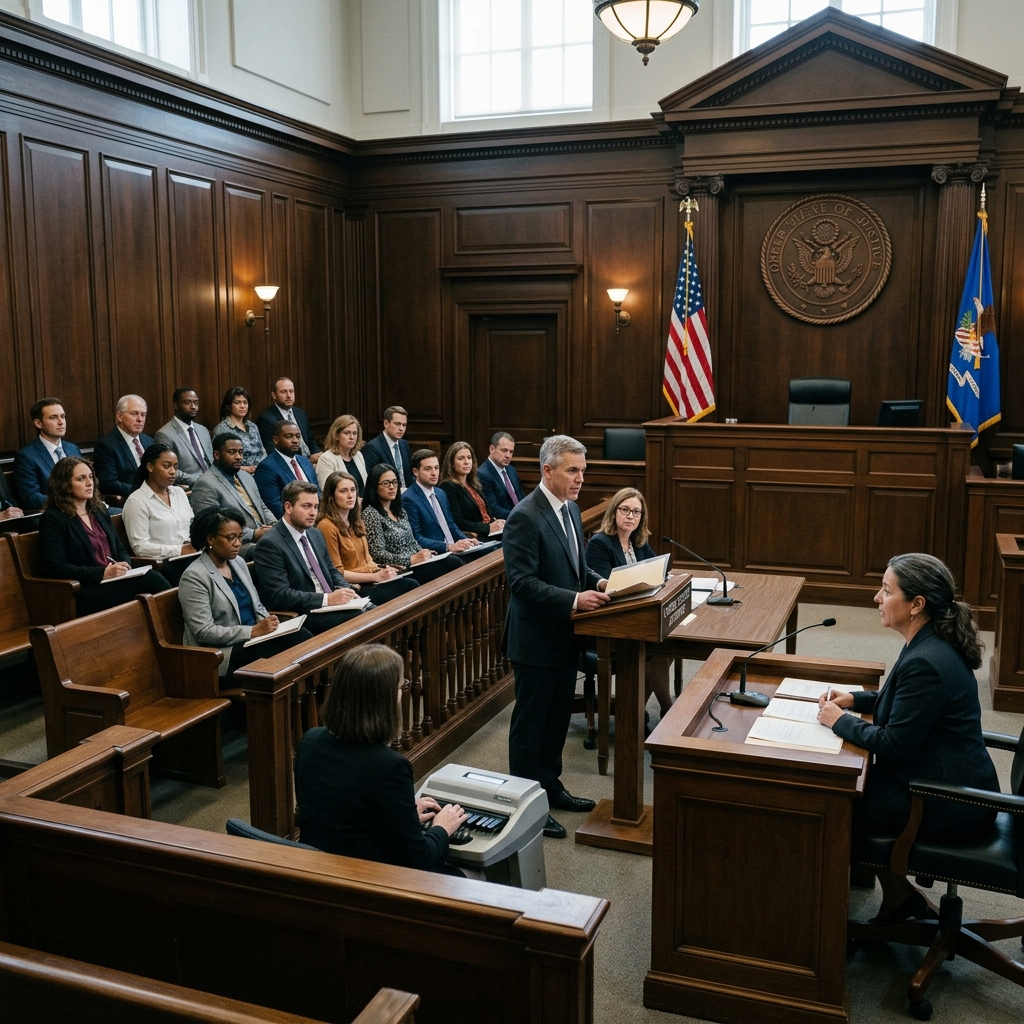
Federal grand juries play a critical role in the United States criminal justice system. They decide whether there is enough evidence for serious criminal charges to move forward, but they do not determine guilt or innocence. For witnesses, victims, and subjects of investigations, grand jury procedures can feel confusing and intimidating. This guide explains how federal grand juries work, why they operate in secret, and what you can expect if you are called to testify.
1. What a Grand Jury Is — and Is Not
A grand jury is a group of citizens selected to review evidence and decide whether there is probable cause to bring criminal charges, known as an indictment. Unlike a trial jury, which decides guilt at the end of a case, a grand jury serves as a gateway at the beginning of the criminal process.
1.1 Basic Features of a Federal Grand Jury
Under federal law, a grand jury typically consists of 16 to 23 people drawn at random from the community. They meet regularly over weeks or months, hearing multiple matters and deciding whether formal charges should be filed.
- Size: Usually 16–23 jurors in federal cases.
- Selection: Randomly chosen from a fair cross-section of the local community.
- Term of service: Often from one month up to a year, depending on the court’s needs.
- Voting standard: At least 12 jurors must agree to indict; unanimity is not required.
1.2 Grand Jury vs. Trial Jury
Grand juries and trial juries serve different purposes and apply different standards of proof.
| Feature | Grand Jury | Trial Jury |
|---|---|---|
| Main function | Decide whether there is probable cause to charge a crime and issue an indictment. | Decide whether the defendant is guilty or not guilty after a full trial. |
| Standard of proof | Probable cause — a reasonable basis to believe a crime was committed. | Beyond a reasonable doubt — the highest standard in law. |
| Who can attend | Proceedings are closed to the public; only jurors, the prosecutor, and witnesses may enter. | Trials are generally public, except in limited circumstances. |
| Role in the case | Acts as a gatekeeper to decide if a felony case should move forward. | Acts as the final decision-maker on guilt and, sometimes, sentencing. |
2. Why We Have Grand Juries
The federal grand jury system is rooted in the Fifth Amendment to the U.S. Constitution, which requires a grand jury indictment for most serious federal crimes. Grand juries serve two primary functions:
- Investigating potential crimes by hearing evidence and compelling witnesses to testify.
- Protecting the public from unfounded or abusive prosecutions by requiring citizen approval before felony charges can be filed.
Because grand jurors are ordinary citizens rather than prosecutors or judges, they operate as an independent check on government power. Their job is not to help the government win cases, but to decide objectively whether the evidence supports moving forward.
2.1 The Probable Cause Standard
Grand jurors apply the standard of probable cause, which asks whether there is a reasonable basis to believe a crime has been committed and that the person under investigation committed it. This is a lower standard than the “beyond a reasonable doubt” threshold used at trial, but it still requires credible evidence.
If a grand jury finds probable cause, it votes to issue a true bill, which results in an indictment. If the evidence is too weak, it returns a no bill, meaning no indictment is issued and the case does not move forward through that grand jury.
2.2 Investigative and Protective Roles
Grand juries have powerful tools to gather information. They can issue subpoenas, require people to bring documents, and compel witnesses to testify under oath. In complex cases, especially involving financial or organized crime, this investigative authority helps prosecutors assemble a full picture of what happened.
At the same time, grand juries are meant to shield citizens from baseless charges. By requiring a vote of community members instead of a unilateral decision by prosecutors, the system aims to prevent the misuse of criminal proceedings to harass or retaliate against individuals without adequate evidence.
3. How Grand Jury Proceedings Work
Although each federal district may have slightly different practices, grand jury proceedings follow core rules set by the Federal Rules of Criminal Procedure and Justice Department policy. Understanding the typical flow of a session can help witnesses and others know what to expect.
3.1 Who Is Present in the Room
Grand jury sessions are intentionally limited in attendance.
- Grand jurors: The citizens selected to serve.
- Federal prosecutor: Usually an Assistant United States Attorney who presents evidence and advises the jury on the law.
- Witnesses: Individuals called to provide testimony or documents.
- Court reporter or recording technician: There to record testimony, but not the private deliberations.
Defense attorneys are not allowed inside the grand jury room. However, witnesses generally may consult with their own lawyer outside the room and can step out to seek advice between questions.
3.2 Typical Sequence of a Grand Jury Session
Although the specifics vary, a typical session includes the following steps:
- Opening by the prosecutor: The prosecutor explains which matter is being considered and provides any necessary legal context.
- Presentation of evidence: The prosecutor may introduce documents, physical items, or other exhibits.
- Witness testimony: Witnesses are sworn in, answer questions from the prosecutor, and may respond to juror questions.
- Questions from grand jurors: Jurors can ask follow-up questions to clarify details or explore new lines of inquiry.
- Legal guidance: The prosecutor advises the grand jury on applicable criminal laws and the standard of probable cause.
- Deliberation and vote: After evidence is presented, the grand jury deliberates in private and votes on whether to issue an indictment.
3.3 Types of Decisions
Grand jurors essentially have two options when the evidence phase ends:
- True bill: The grand jury finds probable cause and approves an indictment.
- No bill: The grand jury does not find probable cause and declines to indict.
When an indictment is issued, it starts the formal criminal proceedings in court. If a no bill is returned, the specific charges considered by that grand jury do not move forward through that process, though other investigative avenues may continue.
4. Secrecy and Confidentiality
One of the most distinctive features of grand jury proceedings is their secrecy. Unlike trials, which are generally open to the public, grand jury sessions are closed and tightly controlled. This secrecy serves several important purposes:
- Protecting the privacy of those under investigation who may never be charged.
- Encouraging witness candor by reducing fear of retaliation or public exposure.
- Preventing flight or obstruction by people who learn they are under active investigation.
- Preserving the integrity of the evidence by limiting leaks and public speculation.
In most jurisdictions, testimony given to the grand jury is recorded, but the transcript is kept confidential and released only under limited circumstances approved by a court. Grand jurors themselves are bound by strict secrecy rules and may face penalties for unauthorized disclosure of information.
5. What Witnesses Should Expect
Being called as a witness before a grand jury can be unfamiliar, even for people who have experience in court. While specific procedures can vary by district, several points are common to most federal grand jury appearances.
5.1 Receiving a Subpoena
Many witnesses are notified through a subpoena, a formal order requiring them to appear and testify or produce documents. Subpoenas may come from the U.S. Attorney’s Office and typically include the date, time, and location of the grand jury session.
Key things to understand about subpoenas:
- They are court-backed orders and must be taken seriously.
- Failure to comply can result in legal consequences, including contempt proceedings.
- Witnesses may wish to consult an attorney to understand their rights and obligations.
5.2 Testifying Before the Grand Jury
When testifying, witnesses are sworn to tell the truth under penalty of perjury. The prosecutor will ask questions first, often focusing on what the witness saw, did, or knows related to the investigation.
Witnesses should be prepared for the following:
- Direct questioning from the prosecutor about events, documents, or communications.
- Possible juror questions seeking clarification or additional details.
- Limited ability to confer with counsel: Witnesses generally cannot have their attorney in the room but may step outside to consult as needed.
- Oath and honesty requirements: False statements can lead to separate charges, such as perjury.
5.3 Practical Tips for Witnesses
While legal advice must come from an attorney, certain practical principles help most witnesses navigate the process more confidently:
- Arrive early: Give yourself time for check-in and any preliminary instructions.
- Listen carefully: Make sure you understand each question before answering.
- Answer truthfully and precisely: Do not guess; it is acceptable to say you do not remember if that is accurate.
- Request clarification: If a question is unclear, ask the prosecutor or jurors to restate it.
- Use your right to consult counsel: Step out of the room if you need legal guidance on a particular question.
6. Rights and Limits of the Grand Jury
Grand juries wield significant investigative powers, but they also operate under legal and policy constraints. Understanding both sides helps explain how the system maintains fairness.
6.1 Powers of the Grand Jury
- Subpoena authority: Grand juries can compel witnesses to testify and require the production of documents and other evidence.
- Investigative scope: They may examine complex schemes, follow paper trails, and question multiple witnesses over time.
- Charging authority: They can approve indictments based on probable cause or decline to charge by returning a no bill.
6.2 Checks on Prosecutors in Grand Jury Proceedings
Federal prosecutors have a duty to be fair and balanced in grand jury presentations. The Justice Department emphasizes that prosecutors must not mislead or improperly influence jurors. When a prosecutor is aware of substantial evidence that directly undermines the guilt of a subject, department policy requires that this evidence be presented or otherwise disclosed to the grand jury before seeking an indictment.
These policies reflect the understanding that grand juries should receive enough information to make an informed, independent decision, not simply a one-sided narrative.
7. Frequently Asked Questions
7.1 Does a grand jury decide if someone is guilty?
No. A grand jury only decides whether there is probable cause to bring criminal charges. Guilt or innocence is determined later, usually by a trial jury or judge applying the “beyond a reasonable doubt” standard.
7.2 How many votes are needed to indict?
In federal grand juries, at least 12 jurors must agree to issue an indictment. The vote does not need to be unanimous, as long as the minimum number is met.
7.3 Are grand jury proceedings always secret?
Yes, federal grand jury proceedings are conducted in secret, with only limited exceptions. This secrecy protects ongoing investigations, the reputations of uncharged individuals, and the safety and privacy of witnesses.
7.4 Can I bring my lawyer into the grand jury room?
In most federal proceedings, your lawyer cannot be present in the grand jury room while you testify. However, you generally have the right to consult your attorney outside the room and may step out to seek advice between questions.
7.5 What happens if the grand jury returns a no bill?
A no bill means the grand jury did not find probable cause to indict on the charges presented. The specific charges considered by that grand jury do not move forward, although investigations may continue, and different charges or evidence may be considered later.
8. Key Takeaways for Citizens and Witnesses
Grand juries are a central part of federal criminal justice and serve as both investigative bodies and safeguards against unjust prosecution. For citizens and witnesses, several core points are worth remembering:
- Grand juries focus on probable cause, not final guilt or innocence.
- They operate largely in secret to protect investigations and individuals.
- At least 12 jurors must vote to indict in federal cases.
- Witnesses have obligations to tell the truth and comply with subpoenas, but they also have rights, including the ability to consult legal counsel.
- Federal prosecutors are required to present the law fairly and disclose significant evidence that may negate guilt before seeking an indictment.
Understanding these principles can make the grand jury process more approachable and less mysterious for anyone involved, whether as a witness, victim, subject, or simply an informed member of the public.
References
- Grand jury — Legal Information Institute, Cornell Law School. 2023-05-01. https://www.law.cornell.edu/wex/grand_jury
- Grand juries in the United States — U.S. legal overview. 2022-10-15. https://en.wikipedia.org/wiki/Grand_juries_in_the_United_States
- A guide to understanding the federal grand jury — Protect Democracy. 2023-06-20. https://protectdemocracy.org/work/grand-jury-explained/
- 9-11.000 – Grand Jury — U.S. Department of Justice, Justice Manual. 2020-12-01. https://www.justice.gov/jm/jm-9-11000-grand-jury
- Ohio Grand Juries FAQ — ACLU of Ohio. 2016-08-10. https://www.acluohio.org/ohio-grand-juries-faq/
- The Federal Grand Jury — Congressional Research Service. 2012-03-16. https://www.congress.gov/crs-product/95-1135
- What, Exactly, Is a Grand Jury? — MoloLamken LLP. 2018-09-01. https://www.mololamken.com/knowledge-What-Exactly-Is-a-Grand-Jury
Similar Articles








Read full bio of Sneha Tete




