
Understanding Criminal Psychology in the Justice System
How insights into the criminal mind shape investigations, court decisions, and offender rehabilitation in modern justice systems.
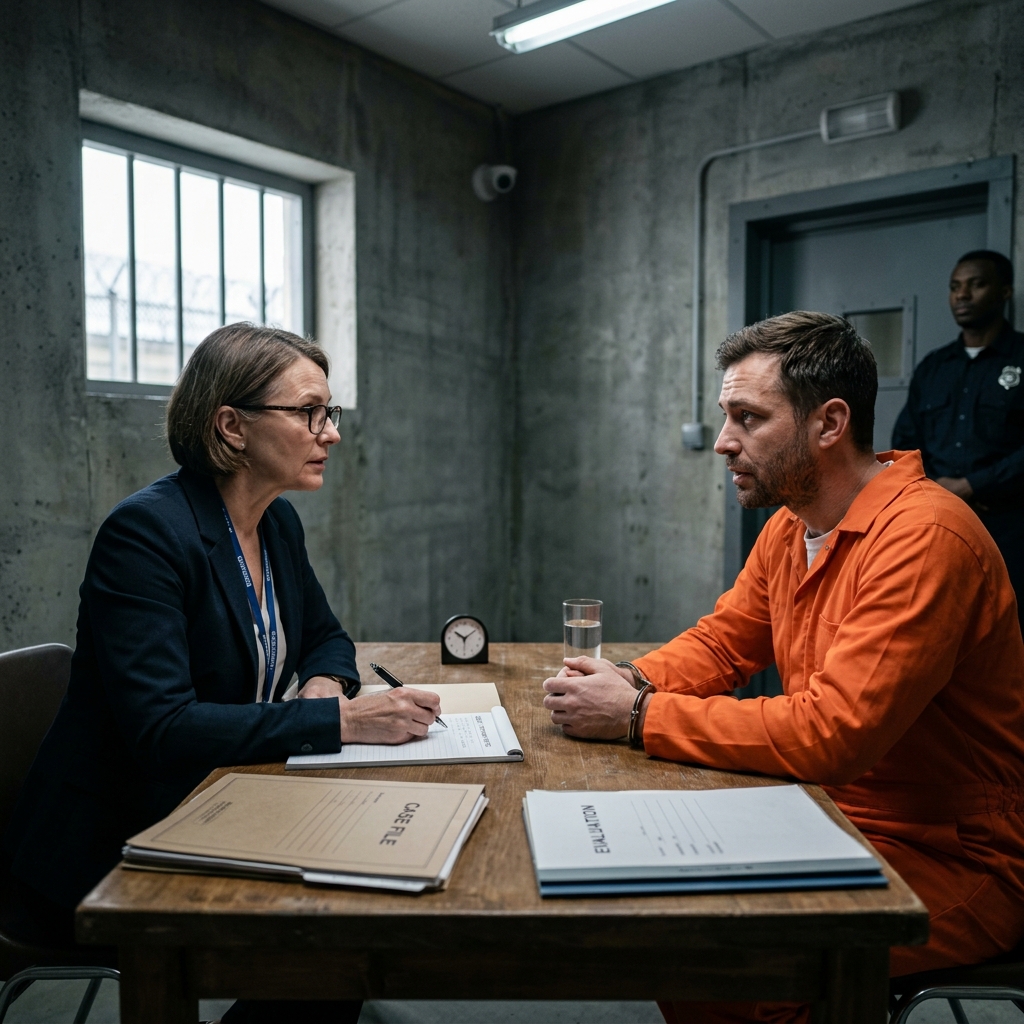
Criminal psychology is a specialized area of psychology that focuses on the thoughts, emotions, decision-making processes, and behaviors of individuals who commit crimes. It connects the study of the mind with the practical needs of criminal investigations, courtroom proceedings, and rehabilitation efforts, making it a crucial component of modern criminal justice systems.
What Is Criminal Psychology?
At its core, criminal psychology seeks to understand why people engage in criminal behavior and how psychological knowledge can be used to respond to, reduce, and prevent that behavior. Criminal psychology is often described as examining the views, intentions, motivations, actions, and reactions of offenders and suspects in relation to their crimes. It is closely linked to criminology and forensic psychology but focuses more narrowly on criminal conduct itself.
- Focus of the field: Explaining the origins and patterns of criminal behavior.
- Primary goals: Assisting investigations, informing legal decisions, and reducing reoffending.
- Key activities: Assessment, profiling, expert testimony, consultation to law enforcement, and work with offenders in correctional settings.
Criminal psychology is not only about catching offenders. It also contributes to long-term strategies aimed at public safety, including risk assessment, treatment planning, and designing programs to reduce recidivism (repeat offending).
Criminal Psychology and Related Fields
Criminal psychology overlaps with several other disciplines that operate at the intersection of psychology and law. Understanding these relationships helps clarify what criminal psychologists do and what distinguishes them from other professionals.
| Field | Main Focus | Typical Settings |
|---|---|---|
| Criminal Psychology | Thoughts, motives, and behaviors of offenders and suspects. | Police investigations, courts, prisons, probation services. |
| Forensic Psychology | Application of psychology to legal questions in criminal and civil cases. | Civil courts, family courts, criminal courts, mental health facilities. |
| Criminology | Social patterns of crime, laws, and responses to offending. | Universities, research institutes, policy organizations. |
Criminal psychologists often work alongside forensic psychologists, police officers, lawyers, and social workers. While job titles may overlap, their common contribution is the use of psychological evidence and reasoning to inform decisions across the justice system.
How Criminal Psychologists Study Offenders
To understand criminal behavior, criminal psychologists use a combination of clinical and research methods drawn from psychology and the social sciences. These methods are applied both to individual cases and to broader patterns of offending.
Key Areas of Behavioral Analysis
Criminal psychology considers numerous influences on criminal conduct, typically grouped into psychological, social, and environmental factors.
- Developmental history: Experiences from childhood through adulthood, including exposure to violence, neglect, or criminal peers.
- Family and relationships: Family structure, attachment patterns, and any history of abuse or conflict.
- Economic and social context: Poverty, unemployment, neighborhood crime rates, and social support networks.
- Mental health and personality: Mood disorders, psychotic disorders, substance use, and personality traits such as impulsivity or lack of empathy.
- Cognitive processes: Beliefs, reasoning patterns, and attitudes toward authority, rules, and victims.
By examining these areas, criminal psychologists can develop evidence-based explanations of why a particular person may have been drawn toward crime and whether that behavior is likely to continue.
Common Assessment Tools and Techniques
In practice, criminal psychologists rely on standardized psychological tools and structured procedures. Many of these tools were developed through research and validated in clinical and forensic populations.
- Clinical interviews: Detailed, often semi-structured conversations to explore an offender’s history, motives, and mental state.
- Psychological testing: Use of validated instruments to measure intelligence, personality, mental disorders, and risk factors.
- Risk assessment instruments: Structured tools that help estimate the likelihood of reoffending and identify needs for supervision or treatment.
- File and records review: Analysis of case files, prior convictions, medical records, and witness statements to understand the broader context of the offense.
Because their findings can influence legal outcomes, criminal psychologists must adhere to ethical standards and evidence-based practice. These obligations reflect broader professional guidelines for psychologists working within justice systems.
The Role of Criminal Psychology in Investigations
Criminal psychology contributes to investigations by helping law enforcement agencies interpret behavior, plan interviews, and consider possible suspects. While media portrayals often exaggerate these contributions, they are nonetheless significant.
Criminal Profiling
One of the most widely known activities associated with criminal psychology is criminal profiling. Profiling involves using behavioral evidence from a crime—such as how a victim was selected, how the offense was carried out, and what was left at the scene—to make inferences about the likely characteristics of the offender.
Typical aims of a behavioral profile include:
- Suggesting possible age range, gender, or lifestyle of the suspect.
- Identifying whether the crime appears planned or impulsive.
- Assessing whether multiple offenses may have been committed by the same person.
- Guiding investigative resources and interview strategies.
Profiles are used most often in complex or serial cases, where conventional investigative leads are limited. While profiling is not a substitute for physical evidence, it can help policing agencies narrow down possibilities and better understand offender behavior.
Interviewing Witnesses and Suspects
Criminal psychologists also assist with investigative interviews. Research has shown that interview techniques can significantly affect the quantity and accuracy of information provided by witnesses and suspects. Effective interviewing requires an understanding of memory, suggestibility, stress, and communication styles.
- Witness interviews: Advising on how to reduce leading questions, manage anxiety, and support accurate recall.
- Suspect interviews: Helping design approaches that balance firmness with respect for rights, avoid coercion, and encourage truthful disclosure.
- Child and vulnerable witnesses: Ensuring interviews are adapted to developmental level and cognitive abilities.
By improving interview quality, criminal psychology contributes to more reliable evidence and fairer outcomes in subsequent legal proceedings.
Criminal Psychology in Courtrooms
Criminal psychologists often appear in court as expert witnesses. Their evaluations and testimony can influence findings about guilt, responsibility, and sentencing.
Assessing Mental State and Responsibility
In many jurisdictions, courts consider whether a defendant had the mental capacity to understand their actions or appreciate that their behavior was wrong. Criminal psychologists may perform assessments related to:
- Competence to stand trial: Whether a person can understand proceedings and assist in their defense.
- Criminal responsibility: Whether mental disorder or impairment affected the person’s ability to control their actions or comprehend the consequences.
- State of mind at the time of the offense: For example, whether symptoms of a psychotic disorder were present and significant.
These assessments must be grounded in recognized diagnostic criteria and objective evidence. The goal is not to excuse behavior but to provide the court with accurate information about psychological functioning at legally relevant times.
Expert Testimony and Sentencing Input
Criminal psychologists present their findings to judges and juries in written reports and oral testimony. They may explain:
- Diagnostic conclusions and how they relate to the offense.
- Risk of future offending, based on validated risk assessment methods.
- Recommended treatment or supervision strategies.
Courts can use this information to tailor sentences to an individual’s risk and rehabilitative needs. In some cases, psychological evidence may support diversion to treatment programs or specialized facilities instead of standard incarceration.
Working With Offenders: Treatment and Rehabilitation
Criminal psychology is closely involved in efforts to rehabilitate offenders and reduce recidivism. Many criminal psychologists provide direct clinical services within prisons, probation programs, or community settings.
Understanding and Reducing Recidivism
Recidivism refers to the tendency of individuals to reoffend after a conviction or release. Criminal psychologists study the factors that increase or decrease this risk and contribute to the design of interventions to address them.
Key elements of rehabilitation often include:
- Cognitive-behavioral programs: Structured work on beliefs, attitudes, and decision-making that support offending.
- Mental health treatment: Therapy and medication for disorders that contribute to criminal behavior, such as substance use or severe mood disorders.
- Skills training: Improving problem-solving, emotional regulation, and social skills.
- Support for reentry: Assistance with housing, employment, and community reintegration.
By addressing underlying psychological and social problems, these interventions aim to reduce future harm while promoting more stable and law-abiding lives for individuals who have committed crimes.
Education and Professional Pathways in Criminal Psychology
Working as a criminal psychologist typically requires extensive education and licensure. Most practitioners begin with undergraduate study in psychology or criminal justice, followed by specialized graduate training.
Typical Training Route
- Bachelor’s degree: Usually in psychology, criminology, or a related field.
- Graduate degree: Master’s or doctoral training in forensic or criminal psychology, often including coursework in psychopathology, assessment, research methods, and legal systems.
- Supervised experience: Practicum or internship placements in courts, correctional settings, or mental health services.
- Licensure: State or national licensing, typically requiring supervised clinical hours and professional examinations.
Ongoing professional development is important because both legal standards and psychological research continue to evolve. Criminal psychologists must stay current with evidence-based practices and ethical guidelines.
Ethical and Practical Challenges
Criminal psychology operates in environments characterized by high stakes, strong emotions, and complex power dynamics. As a result, practitioners encounter distinctive ethical and practical challenges.
- Balancing roles: Serving the interests of justice while respecting the rights and welfare of individuals being assessed or treated.
- Maintaining objectivity: Avoiding bias when working with serious or emotionally charged offenses.
- Managing confidentiality: Respecting privacy while acknowledging that information may be disclosed to courts or correctional authorities.
- Evidence-based practice: Ensuring that assessment and treatment methods are supported by reliable research rather than personal opinion.
Professional guidelines and ethical codes developed by psychological associations help criminal psychologists navigate these issues and provide services that are both effective and accountable.
Frequently Asked Questions About Criminal Psychology
Is criminal psychology the same as forensic psychology?
No. Forensic psychology includes all applications of psychology to legal matters, both civil and criminal, while criminal psychology focuses specifically on criminal behavior and crime-related issues.
Do criminal psychologists work directly with police officers?
Often, yes. Many criminal psychologists advise law enforcement on profiling, interviewing strategies, risk assessments, and case analysis, especially in serious or complex investigations.
Can criminal psychology predict who will become a criminal?
Criminal psychology does not predict individual futures with certainty. Instead, it identifies risk factors and patterns that can help estimate the likelihood of offending or reoffending, which informs prevention and supervision strategies.
Are all criminal psychologists involved in profiling?
No. Profiling is only one part of the field and often a specialized activity. Many criminal psychologists focus on assessment, treatment, research, or expert testimony rather than profiling.
How does criminal psychology help society?
Criminal psychology contributes to more effective investigations, fairer trials, and better rehabilitation programs. By helping to understand and address the causes of crime, it supports public safety and more informed policy decisions.
References
- Criminal psychology — Various authors. Last updated 2024-01-08. https://en.wikipedia.org/wiki/Criminal_psychology
- What is a Criminal Psychologist? — American Public University System. 2023-03-15. https://www.apu.apus.edu/area-of-study/public-safety/resources/what-is-a-criminal-psychologist/
- Criminal Psychology — EBSCO Research Starters. 2017-06-01. https://www.ebsco.com/research-starters/psychology/criminal-psychology
- Overview of Criminal Psychology Roles — Academic text hosted on Scribd. 2020-09-01. https://www.scribd.com/document/678827461/Chapter-1-Criminal-psychology-p14-37
- A Complete Guide to Getting a Criminal Psychology Degree — Outlier.org. 2023-04-10. https://articles.outlier.org/criminal-psychology-degree
Similar Articles








Read full bio of medha deb




