Understanding Criminal E‑Discovery Laws
A practical guide to electronically stored information in criminal cases, from constitutional limits to prosecutorial duties and defense strategies.
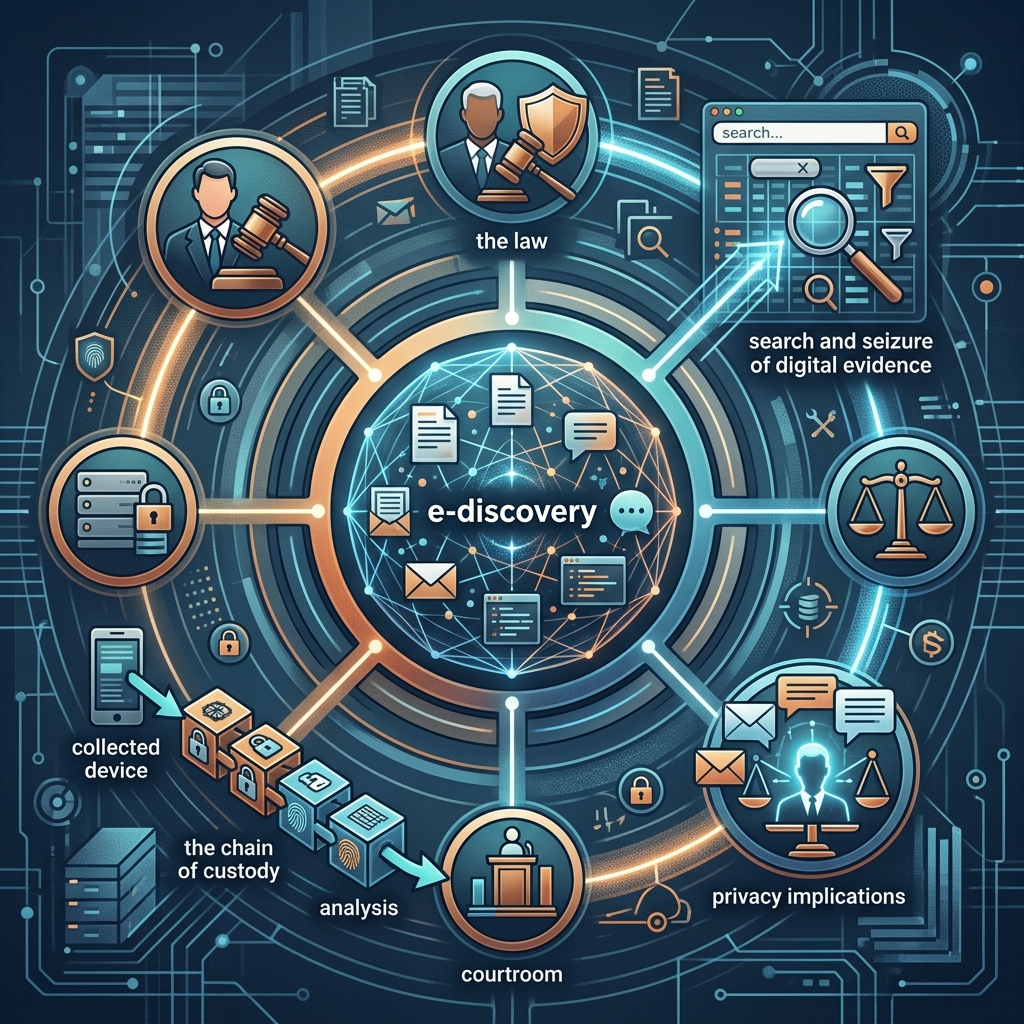
The rapid expansion of digital communications has transformed how evidence is discovered, preserved, and used in criminal prosecutions. Criminal e‑discovery refers to the process of identifying, collecting, reviewing, and exchanging electronically stored information (ESI) in the context of criminal investigations and trials. Unlike civil litigation, criminal discovery is tightly controlled by constitutional rules, statutes, and court procedures designed to protect the accused while allowing the government to prosecute effectively.
What Is Criminal E‑Discovery?
In both state and federal systems, e‑discovery is the subset of discovery dealing with information stored or transmitted in digital form. This includes any data that can be retrieved from computers, mobile devices, cloud platforms, and other electronic systems. While civil rules often provide detailed procedures for managing ESI, criminal rules are more limited and focus on core rights and obligations.
The Federal Judicial Center describes criminal e‑discovery as encompassing “data” and other electronically stored materials that may be subject to disclosure under Federal Rule of Criminal Procedure 16, though it notes that Rule 16 does not contain the robust procedural mechanisms found in the civil rules.
Common Types of Electronically Stored Information
- Emails and attachments stored on local servers or cloud services
- Text messages and instant messaging conversations
- Social media posts, direct messages, and account records
- Device data, such as photos, videos, documents, and app content on smartphones and tablets
- Location information and cell‑site records maintained by service providers
- Logs and records from online platforms, financial systems, or corporate databases
- Digital forensic images from computers, external drives, and other media
Because this information can be extensive and highly technical, courts increasingly encourage early coordination between the parties and, in complex cases, the use of e‑discovery specialists and litigation support tools to manage large volumes of data.



Domestic Partnerships and Maintenance Obligations >

How Criminal E‑Discovery Differs from Civil E‑Discovery
Civil and criminal cases both use electronic evidence, but the governing rules and practical expectations differ significantly. Civil discovery is typically expansive: parties may request a wide range of information that is relevant to any claim or defense. Criminal discovery is narrower and anchored in specific constitutional protections and rule‑based obligations.
| Aspect | Civil Cases | Criminal Cases |
|---|---|---|
| Scope of discovery | Broad; anything relevant and proportional under civil rules | Limited; governed by constitutional rights, statutes, and specific rules such as Rule 16 |
| Primary purpose | Fact‑finding and resolution of private disputes | Determining guilt or innocence while safeguarding individual rights |
| Procedural detail for ESI | Extensive provisions for ESI (e.g., under Rules 26 and 34 in federal civil practice) | Few explicit procedural mechanisms for handling ESI; much is left to case‑specific management orders |
| Obligation to disclose | Mutual and broad, often including mandatory initial disclosures | Government must disclose certain categories of information, including exculpatory material; defendant generally has narrower duties |
| Role of constitutional rights | Important but often secondary to rules of procedure | Central; includes due process, protection against self‑incrimination, and limits on searches and seizures |
Constitutional Limits on Accessing Electronic Evidence
The U.S. Constitution plays a central role in criminal e‑discovery. Law enforcement may not simply access electronic records at will; searches and seizures of digital evidence must comply with the Fourth Amendment and other constitutional protections.
Fourth Amendment and Warrants for Digital Data
The Fourth Amendment prohibits unreasonable searches and seizures and generally requires law enforcement to obtain a warrant based on probable cause before searching private property. Modern Supreme Court decisions make clear that digital devices and records often receive heightened protection due to the volume and sensitivity of data they store.
- In Riley v. California, the Court unanimously ruled that police may not search a cell phone seized incident to arrest without obtaining a warrant, recognizing that phones hold vast amounts of personal information.
- In Carpenter v. United States, the Court held that accessing historical cell‑site location records from a carrier without a warrant violates the Fourth Amendment, emphasizing reasonable expectations of privacy in location data.
These cases mean that, for many forms of ESI, investigators must seek judicial authorization before acquiring or examining the data. The resulting evidence then becomes part of the pool of information that may be subject to discovery and disclosure in the criminal case.
Due Process and Fair Trial Considerations
The Due Process Clause and the Sixth Amendment guarantee defendants a fair trial and the opportunity to confront the evidence against them. These protections influence how electronic information must be retained and shared.
Courts have recognized that the government has a duty to preserve evidence collected during investigations when it is reasonably foreseeable that the information could be significant for litigation and the defense. Legal commentary emphasizes that this preservation duty arises once law enforcement acquires potentially relevant evidence and is rooted in the promise of due process and fair trial rights.
Government Duties: Preservation and Disclosure of ESI
In criminal matters, the government is typically the primary collector of ESI. Police, investigators, and prosecutors must comply not only with search and seizure rules but also with obligations to preserve and disclose digital information once it is obtained.
Preserving Electronically Stored Information
Once law enforcement retrieves digital records, the government must take reasonable steps to maintain their integrity. This typically includes preserving original data and relevant metadata, documenting collection methods, and avoiding alterations that might undermine evidentiary value.
Studies of criminal e‑discovery practice note an obligation to identify, locate, and maintain information relevant to specific, predictable litigation, extending preservation duties into the realm of electronic evidence.
Practical steps for preservation may include:
- Creating forensic images of devices to capture exact copies of data
- Using write‑blockers and secure storage to prevent alteration of original media
- Maintaining logs of collection, handling, and chain of custody
- Issuing internal “litigation holds” to ensure that potentially relevant records are not deleted
The Brady Obligation and Exculpatory Evidence
One of the most critical duties in criminal e‑discovery is the obligation to disclose exculpatory or impeaching evidence. Under the Supreme Court’s decision in Brady v. Maryland, the prosecution must provide the defense with evidence that is favorable and material to guilt or punishment.
Modern practice guides emphasize that digital communications, logs, and other ESI can fall within the Brady rule. If electronic records stored by the government tend to negate guilt, reduce potential punishment, or undermine the credibility of government witnesses, they must be disclosed even if the defense does not explicitly request them.
Examples of potentially exculpatory ESI include:
- Messages showing that someone other than the defendant committed the offense
- Location data contradicting the prosecution’s timeline of events
- Internal emails revealing doubts about witness reliability
- Digital audit logs indicating alternative explanations for alleged misconduct
Defense Obligations and Strategic Use of ESI
Defendants generally have fewer mandatory disclosure obligations than the government, but they still must comply with rules governing reciprocal discovery and lawful access to electronic evidence. Defense counsel also plays a critical role in identifying, preserving, and using ESI in support of the defense.
Understanding the Case’s Digital Footprint
Recommended practice materials for defense attorneys stress the importance of early engagement with the digital aspects of a case. That includes learning how the alleged offense was communicated or recorded and identifying the systems that may hold relevant data.
Effective early steps may include:
- Discussing with the client all relevant communications, devices, and online accounts
- Identifying co‑defendants, witnesses, and third parties who may possess useful electronic records
- Determining whether corporate or institutional systems (such as employer servers) contain logs or records related to the allegations
- Requesting preservation of data from third parties when litigation is reasonably anticipated
Managing Voluminous E‑Discovery
In complex prosecutions, the volume of digital data can be overwhelming. Federal guidance notes that courts may encourage centralizing e‑discovery management and authorize funding for review tools and expert assistance in Criminal Justice Act (CJA) cases when necessary to ensure adequate representation.
Defense teams often need to:
- Negotiate formats and protocols for government productions, such as searchable databases or standardized file structures
- Use specialized software to filter, search, and tag relevant documents
- Develop case theories early so that review can focus on issues likely to matter at trial
- Document review decisions to support later motions or challenges to the evidence
Procedural Rules Governing Criminal E‑Discovery
While civil rules contain detailed provisions for ESI, criminal procedure rules tend to address discovery in broader terms. However, some rules and practices explicitly recognize the need to discuss and manage electronic evidence.
Federal Rule of Criminal Procedure 16
Rule 16 requires the government to disclose certain categories of evidence upon request, including documents and “data” that are material to preparing the defense or that the government intends to use at trial. Although Rule 16 does not set out specialized mechanisms for handling ESI, it provides the basic framework for criminal discovery.
Discovery Conferences and Case‑Specific Orders
In federal practice, the rules call for early discovery conferences to coordinate disclosure and set timetables. Commentary notes that parties must confer shortly after arraignment to discuss procedures for pretrial disclosure, including how electronic information will be exchanged.
Judges may issue case‑specific orders addressing:
- Production format for ESI (native files, PDFs, databases)
- Deadlines for initial and supplemental disclosures
- Protocols for handling protected or sensitive information
- Use of litigation support professionals or centralized discovery platforms
The Federal Judicial Center’s pocket guide encourages courts to consider early notice when cases involve voluminous E‑discovery and to support arrangements that allow defense counsel to meaningfully review the materials.
Practical Challenges in Criminal E‑Discovery
Handling electronic evidence in criminal cases raises several practical and ethical challenges. These problems often intensify as data volumes grow and technologies change.
Volume, Complexity, and Cost
Large‑scale investigations may yield millions of records, including communications, logs, and digital documents. Reviewing, organizing, and producing this material can be resource‑intensive. Guidance for court‑appointed counsel highlights that e‑discovery often requires more funding and technical support than traditional paper‑based discovery, and that courts may authorize such support in appropriate cases.
Privacy and Sensitive Information
Because ESI can expose extensive personal details, including data unrelated to the alleged offense, prosecutors and defense teams must balance investigative needs with privacy considerations. Warrants and subpoenas should be narrowly tailored where possible, and productions may require redaction or protective orders to shield sensitive information that is not relevant to the case.
Ensuring Reliability and Authenticity
Digital evidence is susceptible to alteration, mistaken attribution, or misinterpretation. Parties must take care to preserve metadata, document collection methods, and use forensic techniques that support authenticity. Chain‑of‑custody records help demonstrate that the data presented at trial corresponds to what investigators originally collected.
Frequently Asked Questions About Criminal E‑Discovery
Is electronic evidence treated differently from paper evidence?
Electronic evidence is subject to the same basic evidentiary rules as paper documents, but it raises additional technical and constitutional issues. Digital data frequently requires specialized collection methods, and court decisions like Riley and Carpenter impose stricter warrant requirements for certain types of information.
Does the prosecution have to turn over all electronic records it collects?
The government must disclose materials that are required under applicable rules and constitutional doctrines, including evidence that is material to preparing the defense and exculpatory information under the Brady rule. Not every record collected will be discoverable, but prosecutors must review digital evidence carefully to identify information that needs to be produced.
Can the defense obtain data from third‑party service providers?
Defense access to third‑party ESI often depends on procedural tools such as subpoenas and court orders, as well as provider policies. Preservation requests and targeted subpoenas may be used when electronic information held by a company or service is likely to be relevant.
What happens if electronic evidence is lost or destroyed?
If the government fails to preserve important ESI, courts may consider remedies ranging from evidentiary sanctions to dismissal in extreme cases. The analysis typically turns on whether the loss was intentional, whether the evidence was materially exculpatory, and whether the defendant’s due process rights were compromised.
Do all states have specific rules for e‑discovery?
Many states have adopted rules addressing ESI in civil practice and, to varying degrees, in criminal cases. However, the level of detail and the direct applicability to criminal proceedings differ from jurisdiction to jurisdiction. Practitioners should consult local rules and case law in addition to federal guidance.
Key Takeaways for Lawyers Handling Criminal E‑Discovery
- Recognize the central role of ESI: Digital communications and records are now core components of many criminal investigations and prosecutions.
- Understand constitutional limits: Warrants and privacy expectations shape how electronic evidence can be lawfully obtained and used.
- Honor preservation and disclosure duties: Government actors must maintain relevant digital evidence and disclose exculpatory material to uphold due process.
- Engage early with technical issues: Defense counsel should quickly identify sources of ESI, negotiate production formats, and use appropriate tools to review voluminous data.
- Consult local rules and guidance: Federal and state rules, along with judicial and practice guides, provide important direction on managing criminal e‑discovery.
References
- Criminal e‑Discovery: A Pocket Guide for Judges — Federal Judicial Center. 2019-01-01. https://www.fjc.gov/sites/default/files/materials/06/Criminal%20e-Discovery_First%20Edition_Third%20Printing_2019.pdf
- Current Listing of States That Have Enacted E‑Discovery Rules — ediscoverylaw.com (Crowell & Moring LLP). 2023-01-01. https://www.ediscoverylaw.com/state-district-court-rules/
- Criminal E‑Discovery Laws — LegalMatch Law Library. 2020-01-01. https://www.legalmatch.com/law-library/article/criminal-e-discovery-laws.html
- “E‑Discovery” in the Criminal Context: Emerging Issues and Trends — Crowell & Moring LLP. 2011-01-01. https://www.crowell.com/a/web/fAZsg6tgj5r1BjyyX7Tyrp/4TtkLY/e-discovery-in-the-criminal-context-emerging-issues-and-trends.pdf
- The Changing Standard of Discovery in Criminal Cases — Digital WarRoom. 2020-06-01. https://www.digitalwarroom.com/blog/ediscovery-criminal-cases
- Recommended E‑Discovery Practices for Federal Criminal Justice Act Cases — Office of Defender Services / National CJA Program. 2012-01-01. https://nce.fd.org/sites/nce/files/seminar-docs//Recommended%20E%20Discovery%20Practices%20for%20Federal%20Criminal%20Justice%20Act%20Cases.pdf
Similar Articles








Read full bio of medha deb