
Resolving Natural Disaster Insurance Disputes
Learn how to prepare, file, and fight natural disaster insurance claims when coverage is delayed, denied, or underpaid.
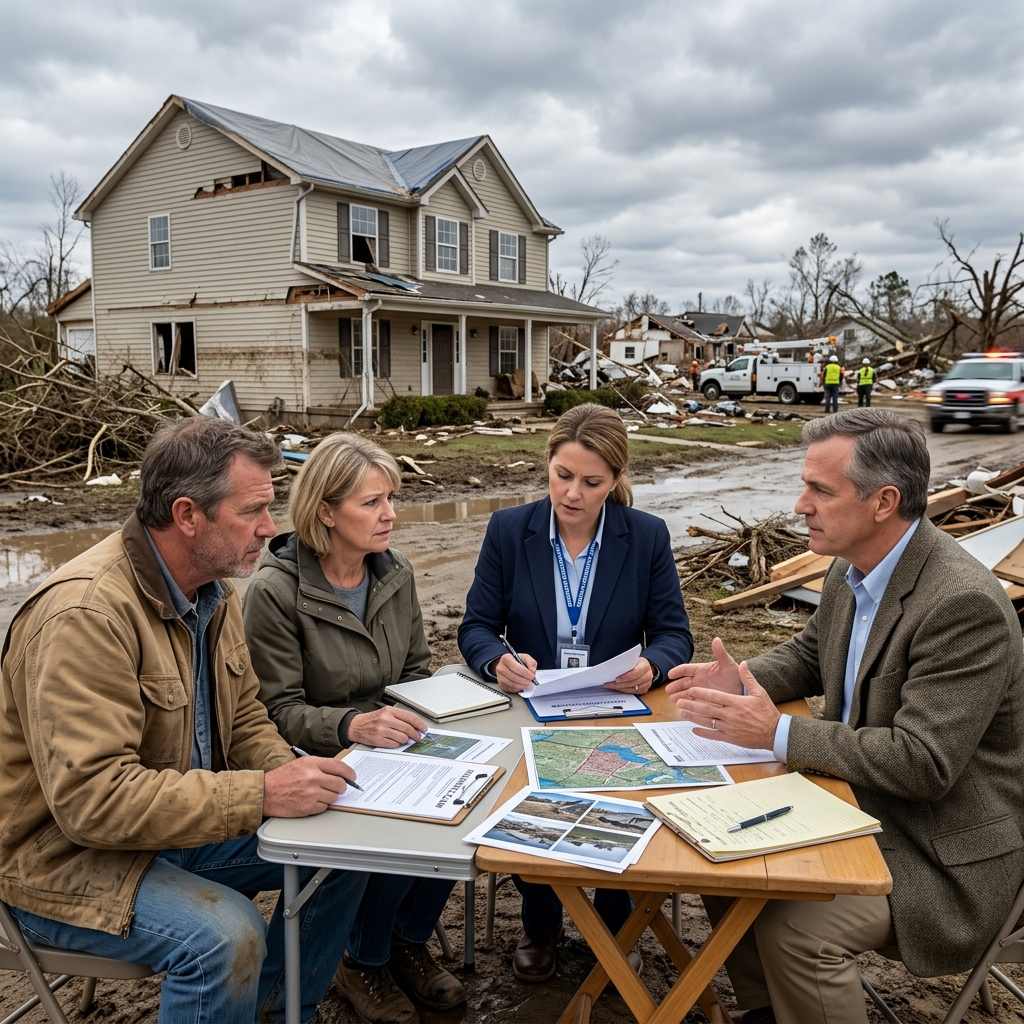
Natural disasters such as hurricanes, floods, earthquakes, wildfires, and severe storms can destroy homes, businesses, and vehicles in a matter of hours. Insurance is designed to help people and organizations recover financially, but many policyholders discover only after a catastrophe that getting paid is far more complicated than expected. Disagreements over coverage, delays in payment, and outright denials are common sources of natural disaster insurance disputes.
This article explains how natural disaster insurance works, why claim conflicts arise, and what practical steps you can take to protect your rights. It draws on legal principles, regulatory guidance, and disaster-claim best practices while remaining accessible for non-lawyers.
1. Why Insurance Disputes Surge After Natural Disasters
Insurance claim activity tends to spike in the wake of major weather events, which can strain insurers, courts, and policyholders alike. When thousands of claims are filed at once, adjusters and systems are overwhelmed, and mistakes or aggressive cost-cutting measures are more likely.
Several factors contribute to the rise in disputes after disasters:
- High claim volume increases processing times and the risk of error or oversight.
- Complex policy language about exclusions, deductibles, and limits creates room for interpretation.[10]
- Mixed causes of damage (for example, wind plus flood, fire plus smoke) make it harder to assign losses to particular coverage types.[10]
- Pressure on insurers to control costs may lead to conservative valuations or increased denials.
Understanding why disputes happen is the first step toward managing them effectively.
2. Types of Insurance Commonly Involved in Natural Disasters
Natural disasters affect many kinds of insurance, and each policy responds differently. Knowing what you have—and what you do not have—can reduce surprises.
2.1 Property and Homeowners Insurance
Property or homeowners insurance usually covers damage from certain perils such as fire, wind, hail, and sometimes winter storms.[10] However, standard policies frequently exclude flood, earth movement, and certain types of water damage, which often must be insured separately.[10]
- Covered examples: wildfire damage to a home structure, wind-blown roof shingles, hail damage to a car in a garage.[10]
- Likely exclusions: river overflow flooding a basement, landslides, or gradual ground subsidence.[10]
2.2 Flood Insurance
In the United States, most residential flood insurance is provided through the National Flood Insurance Program (NFIP), administered by FEMA.[10] NFIP policies have specific rules about what is covered and a structured process for contesting claim decisions.
Importantly, NFIP claim limits and coverage definitions are set by federal regulation, and FEMA cannot expand coverage beyond those contractual limits.
2.3 Business Insurance
Commercial property policies may include coverage for physical damage, business interruption, and extra expenses incurred to keep operating after a disaster.[10] Disputes in this area often focus on:
- Whether the event is a covered cause of loss.
- How long the interruption period lasts.
- How lost profit and continuing expenses should be calculated.
2.4 Life and Health Insurance
Deaths or injuries resulting from natural disasters can trigger life and health insurance claims. Some life insurance policies contain exclusions for deaths related to certain disasters, such as floods or earthquakes, which may lead to disputes about causation and policy interpretation.
3. Understanding What Your Policy Really Covers
Many disagreements arise because policyholders and insurers have different expectations about what the policy covers. The only reliable source for coverage is the written policy and any endorsements or riders attached to it.[10]
3.1 Key Elements to Review
- Insuring agreement: the core promise of what the insurer will pay for.
- Covered perils: specific events such as fire, windstorm, or explosion that trigger coverage.
- Exclusions: listed situations or causes of loss that are not covered, which may include flooding, earth movement, or poor maintenance.[10]
- Limits and sub-limits: maximum amounts the insurer will pay overall or for certain categories (like contents or additional living expenses).
- Deductibles: the amount you must pay out of pocket before coverage begins, sometimes higher for hurricane or earthquake losses.
3.2 Common Sources of Misunderstanding
| Issue | Policyholder Expectation | Typical Policy Reality |
|---|---|---|
| Flood vs. water damage | Any water entering the home is covered. | Flood (rising surface water) often excluded; some interior leaks covered.[10] |
| Wind vs. storm surge | All hurricane damage is covered. | Wind covered, but storm surge may be treated as flood and excluded.[10] |
| Business interruption | All lost income after a disaster is reimbursed. | Coverage typically limited to a defined period and only if physical damage triggers it.[10] |
| Additional living expenses | All temporary housing costs are paid. | Subject to caps and conditions; requires documentation. |
4. Why Natural Disaster Claims Get Denied or Underpaid
Insurers are not allowed to deny claims arbitrarily; they must have a reasonable basis consistent with the policy terms. Still, policyholders frequently feel that their claims were unfairly rejected or undervalued.
4.1 Typical Reasons for Denial
- Damage not caused by a covered peril: for example, deterioration from age rather than storm impact.
- Pre-existing damage claimed to have existed before the disaster.
- Policy exclusions such as flood or earth movement.[10]
- Lapse in coverage due to non-payment of premiums or policy cancellation.
- Late filing of the claim beyond contractual or statutory deadlines.
4.2 Ways Claims Are Underpaid
- Low repair estimates based on minimal materials or outdated pricing.
- Cash value payments only, reducing the payout for depreciation rather than paying full replacement cost.
- Partial denial of certain items or categories, such as contents or landscaping.
- Disputes over square footage or scope of damage, leading to fewer covered repairs.
These disagreements may be honest differences in assessment or may reflect unfair claim practices. When insurers act unreasonably or dishonestly, the law of bad faith may come into play.
5. Practical Steps to File and Protect Your Claim
How you handle your claim from the beginning can strongly influence whether you receive a fair payout. Disaster assistance guides emphasize documentation, prompt action, and careful communication with insurers.[10]
5.1 Immediate Actions After the Disaster
- Ensure safety first: follow local emergency instructions and do not re-enter dangerous structures.
- Prevent further damage: make temporary repairs if safe to do so and keep receipts for all expenses.
- Photograph and inventory losses: record structural damage, destroyed belongings, and any relevant conditions such as water levels or debris.
5.2 Filing the Claim
- Notify the insurer promptly: most policies require timely notice, and delays can lead to denial.
- Follow policy procedures: use the claim forms and channels specified in the policy, and keep copies of everything you submit.
- Respond quickly to requests: provide requested documentation and cooperate with inspections to avoid processing delays.[10]
5.3 Record-Keeping and Communication
- Maintain a claim diary with dates, times, names, and summaries of all conversations with adjusters or company representatives.
- Communicate clearly and politely: persistence combined with courtesy often improves outcomes and speeds resolution.
- Include your broker or agent in correspondence when appropriate; they can sometimes help clarify policy language.
6. Options When You Disagree With the Insurer
Policyholders are not required to accept the insurer’s first decision. Multiple avenues exist to contest claim denials, delays, or undervaluations.
6.1 Internal Appeals and Reconsideration
- Ask for an explanation in writing: request the full basis for the decision, including specific policy provisions relied on.
- Provide additional evidence: contractor estimates, engineering reports, or photos can counter an adjuster’s findings.
- Request a supervisor review: many insurers have internal escalation processes for disputed claims.
6.2 Regulator and Program Appeals (Including NFIP)
State insurance regulators often provide help to consumers with claim problems arising from natural disasters.[10] They can explain coverage expectations, investigate complaints, and sometimes facilitate resolution.
Flood insurance under NFIP has its own multi-step appeal process overseen by FEMA. Policyholders must first obtain a final decision from their insurer and a written denial, then progress through levels of review, ending with a formal appeal to FEMA.
6.3 Alternative Dispute Resolution
- Mediation: an impartial mediator helps the parties negotiate a settlement without going to court.
- Appraisal: many property policies include an appraisal clause allowing each side to appoint an appraiser to determine loss value.
- Arbitration: some policies require certain disputes to be resolved through binding arbitration rather than litigation.
7. Bad Faith and Breach of Contract in Disaster Claims
Insurers owe a duty of good faith and fair dealing to their policyholders. If they unreasonably deny, delay, or mishandle a claim without a legitimate basis, they may be exposed to a bad faith lawsuit in addition to breach of contract claims.
7.1 What Constitutes Bad Faith?
While standards vary by jurisdiction, bad faith typically involves conduct such as:
- Ignoring clear evidence that supports coverage.
- Failing to investigate or delaying investigation without justification.
- Misrepresenting policy terms or facts to avoid paying.
- Systematically underestimating losses to limit payouts.
If bad faith is proven, policyholders may recover not only the amount that should have been paid under the policy but also additional damages, such as attorney’s fees or compensation for emotional distress caused by the insurer’s conduct.
7.2 Breach of Contract Claims
Separate from bad faith, a policyholder may bring a breach of contract claim if the insurer fails to provide benefits clearly owed under the policy. The remedy typically focuses on the unpaid benefits plus any other contractual damages.
8. When and Why to Consult an Attorney
Some disputes can be resolved through direct negotiation or regulator assistance, but others require legal representation—particularly when large losses or complex coverage questions are involved.
8.1 Situations That Call for Legal Advice
- High-value losses involving total destruction of a home or business.
- Denials based on complicated exclusions such as flood, earth movement, or alleged misrepresentation.
- Evidence that the insurer is stalling, refusing to investigate, or pressuring you to accept an inadequate settlement.
- Potential bad faith or systemic underpayment practices.
- Denied life insurance claims after a disaster, particularly when exclusions are unclear or disputed.
8.2 How Lawyers Help in Natural Disaster Insurance Cases
- Policy analysis: reviewing the entire contract, endorsements, and claim file to identify coverage rights and weaknesses.
- Evidence development: coordinating expert reports (engineers, contractors, accountants) to document damages and causation.
- Negotiation and litigation: pressing for fair settlements or filing suit for breach of contract and bad faith when necessary.
9. Preparing in Advance: Reducing Future Disputes
Dispute prevention begins long before the next storm or wildfire. Planning and policy management can dramatically lower the risk of conflict and financial hardship.[10]
9.1 Smart Pre-Disaster Insurance Planning
- Purchase appropriate coverage early: do not wait for an approaching storm, as some policies restrict changes shortly before events.[10]
- Review and update annually: make sure limits align with current rebuilding and replacement costs, and adjust for home improvements or added business assets.[10]
- Consider separate flood or earthquake policies if you live or operate in higher-risk areas.[10]
9.2 Risk Reduction and Compliance
- Follow local safety and mitigation recommendations, such as brush clearance around homes in wildfire-prone regions.
- Meet policy conditions requiring defensible space, proper maintenance, or code-compliant upgrades, which may affect coverage.
- Maintain records of repairs, upgrades, and maintenance to refute later claims of neglect or pre-existing damage.
9.3 Watch Out for Post-Disaster Scams
After major disasters, affected communities often see a surge in fraudulent contractors and opportunistic schemes. Maintain caution when hiring repair services, verify licenses where required, and be wary of pressure to assign insurance benefits without clear contracts.
10. Frequently Asked Questions
Q1: What should I do if my insurer denies my natural disaster claim?
First, request a copy of the denial letter and your full policy. Review the specific policy language cited and gather evidence of the damage and its cause. You can then challenge the decision internally, seek help from your state insurance regulator, or consult an attorney experienced in disaster-related claims.[10]
Q2: Are delays in payment after a disaster grounds for legal action?
Not every delay is unlawful, especially when claim volume is high after a catastrophe. However, unreasonable or unexplained delays may support a bad faith claim if they appear designed to avoid payment or pressure you into a low settlement. Legal advice is essential to evaluate the facts in your situation.
Q3: How do I dispute a flood insurance claim decision?
For NFIP flood policies, you must follow a four-step process: work with the adjuster, escalate to the adjuster’s supervisor, contact the insurer’s claim representative, and then submit a formal written appeal to FEMA after receiving a final written denial. Detailed documentation and timeliness are crucial.
Q4: What records should I keep to support my claim?
Maintain photos and videos of damage, itemized inventories of destroyed or damaged property, receipts for temporary repairs and living expenses, copies of all communications with the insurer, and any expert reports. These records help you substantiate the amount claimed and contest discrepancies later.
Q5: Can I get help if I cannot afford an attorney?
Yes. Many lawyers handling disaster claims work on contingency fees, meaning they are paid only if they recover money for you. In addition, state insurance departments and legal aid organizations may offer free guidance or representation for qualifying consumers.[10]
References
- Insurance for natural disasters — Washington State Office of the Insurance Commissioner. 2023-02-15. https://www.insurance.wa.gov/insurance-resources/natural-disasters/disaster-preparedness/insurance-natural-disasters
- Insurance for Disasters — Legal Aid Disaster Resource Center. 2022-08-10. https://www.ladrc.org/insurance-for-disasters/
- Just the Facts: Insurance Case Filings Spike After Natural Disasters — Administrative Office of the U.S. Courts. 2021-11-16. https://www.uscourts.gov/data-news/judiciary-news/2021/11/16/just-facts-insurance-case-filings-spike-after-natural-disasters
- A User’s Guide to Easier Flood Insurance: A Look into the History of Litigation and Appeals for NFIP Policyholders — University of Missouri School of Law Journal of Dispute Resolution. 2016-01-01. https://scholarship.law.missouri.edu/cgi/viewcontent.cgi?article=1747&context=jdr
- What homeowners need to know about insurance post natural disaster — Fennemore. 2023-09-12. https://www.fennemorelaw.com/what-homeowners-need-to-know-about-insurance-post-natural-disaster/
- Understanding Natural Disaster Litigation — The Cochran Firm. 2022-05-05. https://www.cochranfirm.com/natural-disaster-litigation/
- Life Insurance Denied After Natural Disaster? — The Lassen Law Firm. 2025-07-01. https://www.lifeinsuranceattorney.com/blog/2025/july/what-if-life-insurance-doesn-t-pay-after-a-natur/
Similar Articles








Read full bio of medha deb




