
Turkey Fryer Safety: Learn from Documented Fire Incidents
Understand turkey fryer dangers through real-world fire demonstrations and expert safety guidance.
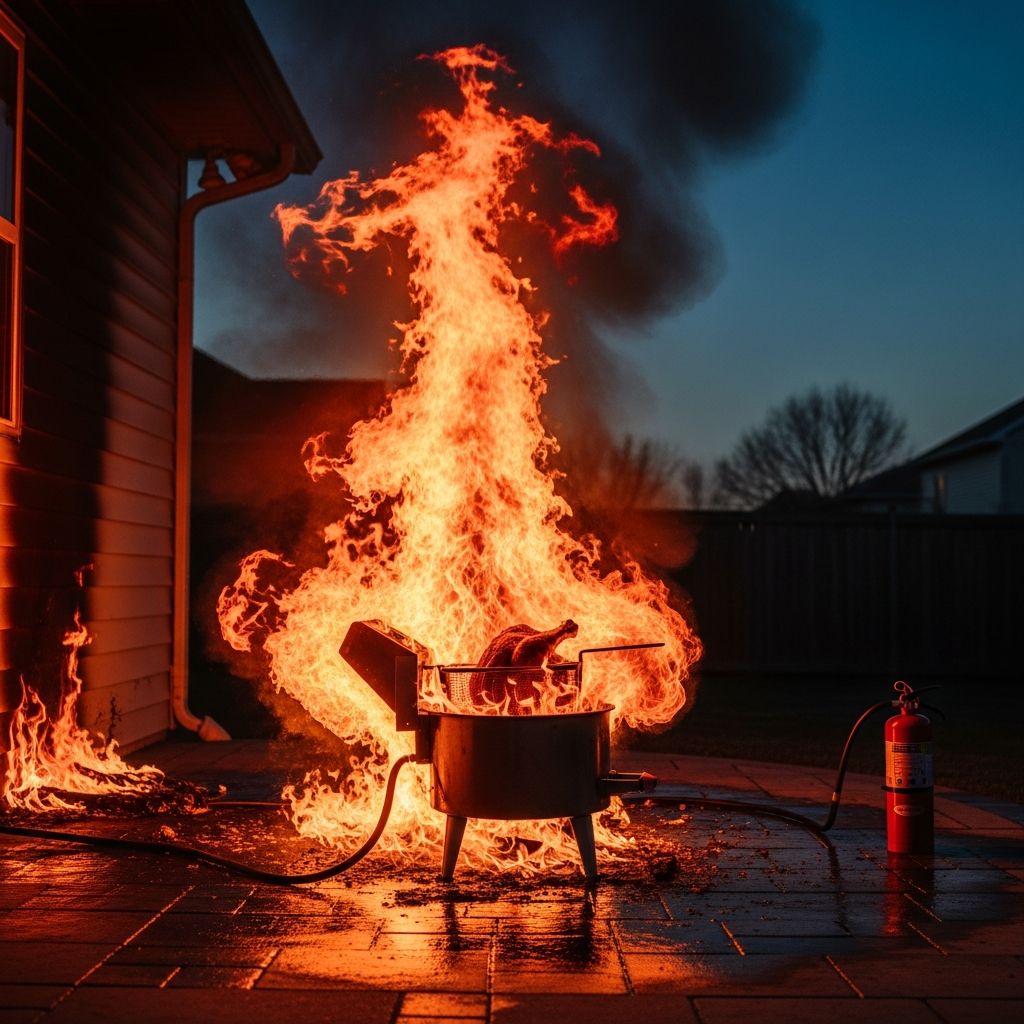
Understanding the Risks of Turkey Frying During the Holiday Season
Thanksgiving represents the peak season for cooking-related fires in American households, and turkey frying stands as one of the most hazardous cooking methods available to home cooks. Each year, thousands of individuals suffer injuries from oil-related incidents, and countless homes face preventable property damage. The combination of extremely hot oil, open flames, and improper technique creates a perfect storm for disaster. Understanding these risks is not merely about avoiding unpleasant experiences; it is about protecting your family, your home, and your holiday celebration from potentially life-altering consequences.
The reason turkey frying presents such significant danger lies in the physics of hot oil. When oil reaches its optimal cooking temperature, it becomes a volatile substance capable of igniting rapidly if exposed to excessive heat or if water comes into contact with it. Unlike traditional oven cooking, where heat is controlled and contained, turkey fryers operate outdoors with exposed flames and large volumes of extremely hot liquid. This fundamental difference explains why fire departments nationwide have increased their public awareness campaigns specifically targeting turkey fryer safety.
The Critical Importance of Proper Turkey Preparation
Among the most common causes of turkey fryer fires is the introduction of water or moisture into hot oil. When a turkey that is frozen or partially thawed enters a fryer containing hot oil, the moisture present on or within the bird rapidly turns to steam. This sudden phase change creates an explosive effect, causing hot oil to splatter violently outward. The splashing oil can reach the flame beneath the fryer or spread across surrounding surfaces, igniting fires that spread with alarming speed.
Training professionals from fire departments emphasize that complete thawing is non-negotiable. A frozen turkey placed in hot oil will cause the oil to bubble intensely and splash dramatically, potentially projecting hot liquid several feet from the fryer. The same danger applies to turkeys that retain any surface moisture. Before placing your bird into the fryer, it must be completely thawed and thoroughly dried with paper towels or cloth. Some experts recommend allowing the thawed turkey to sit at room temperature for additional time to ensure all interior and exterior moisture has evaporated.
A practical technique recommended by safety professionals involves using the water displacement method to determine proper oil levels. Fill the fryer with water and submerge the turkey to determine how high the water rises. Mark this level with waterproof tape, then empty the fryer completely and dry it thoroughly before adding oil to the marked line. This prevents the common error of overfilling, which can cause oil to overflow when the turkey is added.
Oil Temperature Management and Heat Control
Cooking oil possesses a flash point—a specific temperature at which it ignites when exposed to an ignition source. Most cooking oils reach this dangerous threshold around 375 degrees Fahrenheit, though this varies depending on the specific type of oil used. Operating a turkey fryer above the recommended temperature dramatically increases the risk of spontaneous ignition or rapid fire development if any additional fuel sources are introduced.
Fire safety officials stress that maintaining proper temperature control is essential. An overfilled fryer takes significantly longer to reach cooking temperature, which can tempt users to increase the heat beyond safe levels. Using a reliable thermometer specifically designed for deep frying allows you to monitor oil temperature accurately throughout the cooking process. Digital thermometers provide more reliable readings than the analog varieties and should be checked regularly to ensure the oil remains within the safe cooking range.
Additionally, once cooking is complete, the oil remains dangerously hot for hours. Never attempt to move the fryer or dispose of oil immediately after use. Allow sufficient cooling time and store the fryer in a location where children or pets cannot accidentally contact the still-hot oil.
Location and Environmental Considerations
The location where you operate a turkey fryer significantly influences the likelihood of a fire spreading or causing additional damage. Operating a fryer under any kind of protective structure—including a garage, deck, breezeway, covered porch, barn, or carport—dramatically increases the risk of the structure catching fire. These overhead structures can catch fire if flames leap higher than expected or if hot oil splashes onto wooden elements.
Turkey fryers must be positioned at least ten to fifteen feet away from the home, windows, doors, and any combustible materials. This distance provides a buffer zone that protects the structure if a fire does occur. The ground surface should be level and stable to prevent the fryer from tipping. Never place a fryer on a sloped or uneven surface, as this invites accidental tipping, which would immediately spill hot oil.
Clear the surrounding area of dried leaves, branches, propane grills, and anything else that could catch fire. Keep a clear perimeter around the fryer so you can move freely and have space to respond quickly if something goes wrong. Inform family members and guests about the fryer’s location and establish a boundary that keeps children and pets safely away from the cooking area.
Learning from Documented Fire Incidents and Demonstrations
Fire departments across the country have created educational videos documenting what happens when turkey frying procedures are not followed correctly. These demonstrations provide compelling visual evidence of how quickly fires develop and spread. Professional firefighters have recorded incidents showing massive fireballs erupting when frozen or wet turkeys are placed into hot oil, providing undeniable proof of the dangers involved.
One particularly instructive demonstration involved a firefighter showing the difference between proper and improper fryer setup. During the demonstration, even a fryer that appeared to follow safety guidelines experienced a dramatic flame eruption, highlighting that even seemingly careful preparation can result in dangerous situations if any component is overlooked. These videos serve as powerful educational tools precisely because they show realistic outcomes of common mistakes.
The common thread running through these documented incidents is that each fire resulted from avoidable errors. Frozen turkeys being placed into oil, oil being overheated, or fryers being operated too close to structures—all of these were preventable circumstances. The fact that professional firefighters can reliably recreate these dangerous scenarios underscores how predictable and preventable turkey fryer fires truly are.
Essential Safety Practices and Precautions
Beyond the primary concerns of turkey thawing and oil temperature, several additional safety measures can significantly reduce risk:
- Never use water on a grease fire. Water causes oil to splatter explosively. Instead, cover the fryer with a metal lid or cardboard to smother the flames, or use a Class B fire extinguisher specifically rated for oil fires.
- Use extreme caution when handling hot oil. Hot oil can remain dangerously hot for hours and can cause severe burns if it splashes on skin.
- Never leave a fryer unattended. Stay nearby during the entire cooking process and keep a fire extinguisher readily accessible.
- Avoid alcohol consumption while operating the fryer. Impaired judgment increases the likelihood of mistakes and reduces response time in an emergency.
- Ensure all family members understand fryer dangers. Children should never be allowed to approach the fryer or touch hot oil.
- Establish a safety perimeter. Keep guests and family members at least fifteen feet away from the cooking area during operation.
- Inspect equipment before use. Check for rust, damage, or leaks that could compromise safety.
Comparison of Common Turkey Frying Mistakes
The following table outlines the most frequently documented turkey frying errors and their consequences:
| Common Mistake | Cause of Incident | Typical Result | Prevention Method |
|---|---|---|---|
| Frozen turkey placement | Water and ice turn to steam rapidly | Massive oil splatter and fire eruption | Completely thaw turkey; check for moisture |
| Overheated oil | Oil exceeds flash point temperature | Spontaneous ignition or rapid fire spread | Use thermometer; maintain 350-375°F |
| Overfilled fryer | Oil overflows when turkey added | Oil contacts flame; fire spreads | Use water displacement method |
| Operating under cover | Structure catches fire above fryer | Entire structure engulfed in flames | Always operate in open area outdoors |
| Close proximity to home | Fire spreads to siding or windows | Home fire damage or total loss | Maintain 15+ feet distance from structures |
What Fire Safety Officials Recommend
Deputy Fire Marshals and State Fire Marshal officials universally emphasize that turkey frying, while possible to do safely, requires strict adherence to guidelines. These officials stress that taking time with the preparation process and remaining alert throughout cooking are the most effective prevention strategies. A few simple precautions can ensure that families enjoy their holiday meals safely without placing their homes and loved ones at risk.
The consistent message from fire safety professionals is that Thanksgiving should bring families together, not interrupt celebrations with preventable emergencies. Every year, homeowners who believed they were taking reasonable precautions experience fires that destroy property and cause injuries. The difference between these incidents and successful, safe turkey frying experiences lies entirely in attention to detail and willingness to follow established safety procedures.
Frequently Asked Questions About Turkey Fryer Safety
Q: What should I do if my turkey fryer catches fire?
A: Never use water to extinguish a grease fire. Instead, turn off the heat source if safely possible, cover the fryer with a metal lid or cardboard to smother flames, or use a Class B fire extinguisher designed for oil fires. If the fire spreads beyond the fryer, evacuate immediately and call emergency services.
Q: How long does a turkey need to thaw before frying?
A: A frozen turkey requires approximately 24 hours in the refrigerator for every 4-5 pounds of weight. Allow additional time at room temperature before frying to ensure complete dryness. A 12-16 pound turkey typically needs 3-4 days of thawing and drying time.
Q: Can I use a turkey fryer indoors or in my garage?
A: No. Turkey fryers must always operate outdoors in open areas. Operating one indoors, in a garage, under a deck, porch, or any covered structure significantly increases fire risk and is extremely dangerous.
Q: What type of oil is best for turkey frying?
A: Use oils with high smoke points, such as peanut, canola, or vegetable oil. These oils are formulated to withstand the high temperatures required for frying. Check the oil’s specific flash point temperature and avoid exceeding it during cooking.
Q: How often should I replace the oil in my turkey fryer?
A: Oil can be strained and reused if stored properly in a cool, dark location. However, replace it if it becomes discolored, smells rancid, or shows signs of breakdown. Never reuse oil that has been exposed to moisture or contamination.
Q: What distance should I maintain between my fryer and my home?
A: Maintain at least 10-15 feet of distance between the fryer and your home, deck, or any structure. This buffer zone provides critical protection if flames or hot oil splatter unexpectedly during operation.
Q: Should I allow children to watch the turkey frying process?
A: Children should observe from a safe distance of at least 15 feet away. Establish a clear safety perimeter and teach children about the dangers of hot oil. Never allow children to touch the fryer or approach unsupervised.
Conclusion: Making Safety the Priority
Turkey frying can produce delicious results when executed correctly and safely. The key to success lies not in using specialized techniques but in respecting the inherent dangers of extremely hot oil and following established safety guidelines without exception. The documented fire incidents and professional demonstrations created by fire departments provide clear evidence of what can go wrong—and equally important, what can be prevented through proper preparation and vigilance.
This holiday season, prioritize safety alongside flavor. Thaw your turkey completely, maintain proper oil temperature, locate your fryer away from structures, and remain alert throughout the cooking process. By following these guidelines, you ensure that your Thanksgiving celebration brings joy and delicious food to your family rather than preventable tragedy. The small investment of time spent on proper preparation and safety precautions pays enormous dividends in protection and peace of mind.
References
- Fire Protection Research Foundation – Turkey Fryer Fire Safety — National Fire Protection Association. 2024. https://www.nfpa.org/Public-Education/By-topic/seasonal/Thanksgiving
- Thanksgiving Day Fire Facts and Prevention Tips — U.S. Fire Administration, Department of Homeland Security. 2025. https://www.usfa.fema.gov/downloads/pdf/publications/fa_316.pdf
- Safe Turkey Frying Practices — Raleigh Fire Department, City of Raleigh. 2024. https://raleighnc.gov/fire/news/fry-turkey-not-house-watch-our-new-video
- Cooking Oil Flash Point Temperatures and Safety Protocols — American Society for Testing and Materials (ASTM). 2023. https://www.astm.org/Standards/D92.htm
- Preventing Deep Fryer Fires: Guidance for Home Cooks — East Idaho News Safety Initiative. 2024. https://www.eastidahonews.com/2018/11/how-not-to-make-a-turkey-fireball-this-thanksgiving/
- Emergency Response to Oil-Related Kitchen Fires — FOX31 Denver Emergency Services Report. 2024. https://www.fox31denver.com
Similar Articles








Read full bio of medha deb




