
Undefined Theme Park Injuries: Complete Risks & Safety Guide Now
Comprehensive guide to recognizing and preventing common theme park injuries.
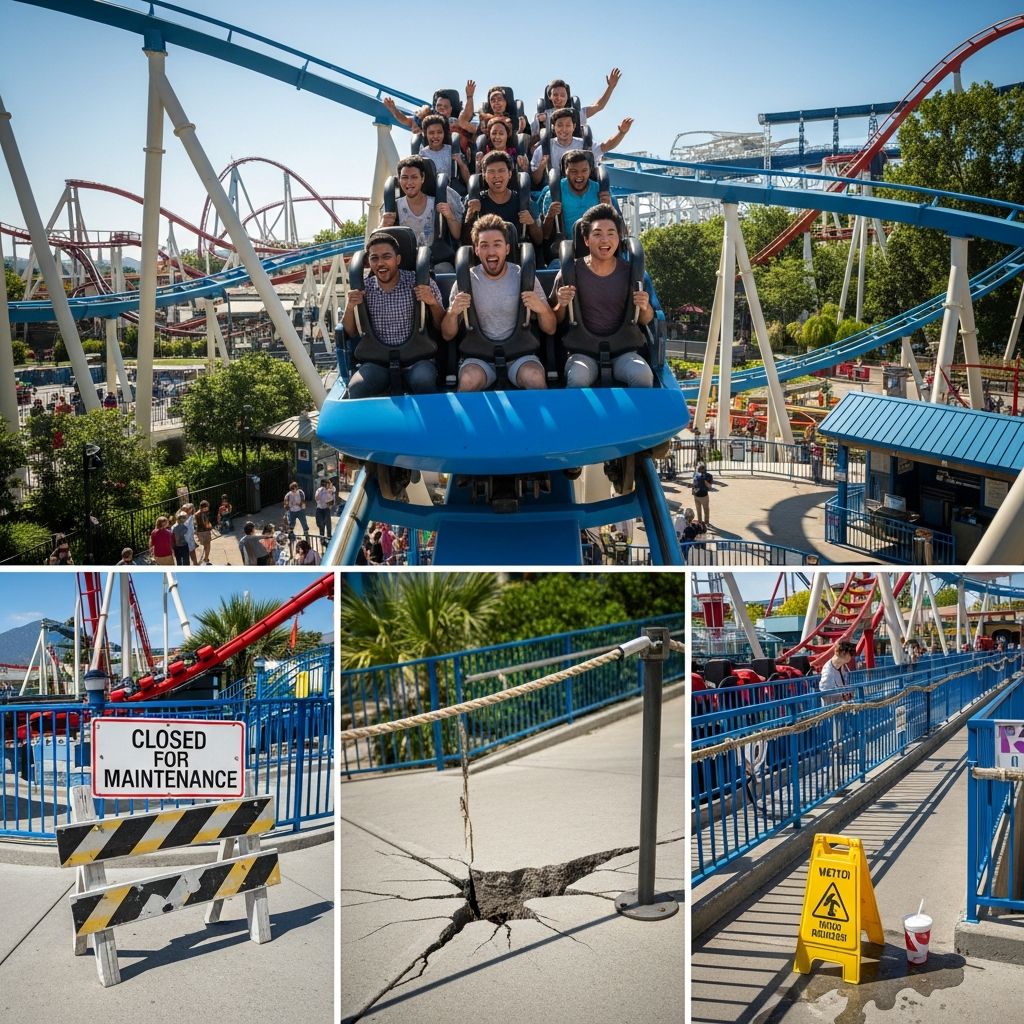
Navigating Theme Park Risks: A Comprehensive Overview of Common Injuries
Theme parks attract millions of visitors annually, offering thrilling experiences and cherished family memories. However, behind the excitement and entertainment lies a significant number of injuries that occur each year. According to injury statistics, approximately 30,000 injuries were reported at amusement parks in the United States in 2016, with children representing roughly half of all ride-related injuries. Understanding these risks is essential for visitors who want to enjoy their experience while minimizing potential harm.
The nature of theme park injuries ranges from minor bruises and sprains to severe conditions requiring hospitalization. While many people assume that the most dangerous incidents involve roller coasters, research reveals a more nuanced picture. The reality is that slip-and-fall accidents account for the overwhelming majority of injuries at theme parks, comprising approximately 46% of personal injury cases studied over an eight-year period in the Southeast. This finding underscores the importance of awareness about multiple hazard categories rather than focusing solely on ride-related dangers.
The Prevalence of Ground-Level Accidents and Environmental Hazards
Contrary to popular perception, the most common injuries at theme parks stem from everyday accidents occurring on the park grounds rather than during thrilling attractions. Wet surfaces, crowded pathways, and uneven terrain create an environment where visitors can easily lose their footing. Water parks present particularly elevated risks due to continuous moisture on walkways and staircases throughout the facility.
Sprains and strains represent one of the most frequently encountered injuries. Visitors navigate multiple flights of stairs, traverse crowded queues, and encounter slippery surfaces—all contributing factors to ankle sprains and wrist injuries sustained while attempting to break a fall. The combination of excitement and distraction often causes visitors to move carelessly through park areas without paying attention to potential obstacles.
Beyond slips and falls, musculoskeletal injuries develop through the accumulated stress of extended walking, standing in queues, and navigating park terrain. The physical demands of a full day at a theme park should not be underestimated, particularly for older visitors or those with pre-existing mobility concerns. Proper footwear and periodic rest breaks can significantly reduce these common injuries.
Ride-Related Trauma: Understanding Head, Neck, and Spinal Injuries
While less frequent than slip-and-fall incidents, ride-related injuries tend to be more severe and potentially life-altering. Roller coasters and thrill rides account for approximately 10.2% of amusement park injuries, but their consequences are often more serious due to the extreme forces involved. The rapid acceleration, deceleration, and directional changes associated with high-speed rides create conditions conducive to serious trauma.
Whiplash injuries occur when riders’ heads are subjected to sudden jerking motions. The cervical spine experiences extreme stress during these rapid movements, potentially causing pain, limited mobility, and long-term complications. Head injuries sustained on thrill rides can result in concussions characterized by dizziness, headaches, nausea, and cognitive difficulties. More severe cases may involve traumatic brain injuries with lasting neurological consequences.
Spinal cord injuries present among the most catastrophic outcomes of ride accidents. The force exerted on the spine during extreme rides can cause herniated discs, fractured vertebrae, or nerve damage. Riders who fail to maintain proper positioning during rides—such as removing their heads from safety restraints—significantly increase their injury risk. Park operators consistently advise riders to maintain contact with protective equipment and keep their heads against support structures during the ride experience.
Water-Based Attractions: A Distinct Category of Risk
Water slides and water-based rides present unique hazards distinct from traditional amusement park attractions. Statistics reveal that water slides recorded 1,647 injuries between 2011 and 2016, making them the attraction category with the highest number of documented incidents. The combination of height, speed, and water creates a perfect environment for serious injuries.
The towering heights of modern water slides, combined with twisting turns and extreme drops, subject riders to significant g-forces and impact trauma. Injuries at water slides frequently result from improper maintenance, equipment malfunctions, and design flaws. Additionally, the reduced friction between wet surfaces and riders’ bodies can lead to unexpected movements or loss of control during the descent.
Water ride incidents have resulted in fatalities and severe injuries requiring extensive hospitalization. Notable incidents include cases where riders were pinned against moving conveyor belts or struck by ride components. The fluid dynamics of water-based attractions add complexity to injury mechanisms that don’t apply to dry rides, making them a particular area of concern for safety professionals.
Catastrophic Outcomes: Recognizing High-Risk Scenarios
While many theme park injuries are manageable with appropriate medical attention, certain incidents result in permanent disability or death. Riders who are not properly secured or who encounter faulty equipment face risks of falling or being ejected from rides. Brain aneurysms can occur suddenly on high-speed attractions, potentially proving fatal if not immediately treated. Strokes may develop following neck trauma, presenting another life-threatening complication.
Mechanical failure and operator error represent the two most common causes of serious accidents. When safety systems malfunction or when staff members fail to properly secure riders or follow operational procedures, the consequences can be devastating. High-profile incidents at various parks demonstrate that even well-established attractions can experience catastrophic failures.
Certain physical conditions increase vulnerability to severe injury. Individuals with heart conditions, uncontrolled blood pressure, pregnancy, or recent surgeries should exercise extreme caution or avoid thrill rides entirely. Age-related factors also influence injury severity, with elderly visitors experiencing more serious consequences from falls and impacts compared to younger visitors.
Soft Tissue Injuries and Delayed Symptom Development
Many theme park injuries involve soft tissue damage that may not present immediate symptoms. Ligament tears, muscle strains, and cartilage injuries can develop following impact or sudden directional changes. Visitors may initially feel fine only to experience pain and restricted mobility hours or days after their park visit.
Lacerations and bruises occur when riders contact broken equipment, poorly maintained ride structures, or sharp objects. Equipment malfunctions can result in detached components striking riders with considerable force. Inadequately maintained attractions present risks of splintered wood, exposed metal, or deteriorated safety features.
Characteristics of Soft Tissue Injuries
- May not produce visible symptoms immediately after injury occurs
- Often worsen over the following days as swelling and inflammation develop
- Can limit mobility and cause chronic pain if left untreated
- Require medical evaluation even if initial pain seems minor
- May have legal significance for personal injury claims
Drowning and Water-Related Fatalities
Water attractions present drowning risks beyond the obvious hazards of high-speed slides and drops. Individuals with limited swimming ability, medical conditions affecting consciousness, or those who panic during water immersion face elevated danger. Supervision gaps and insufficient lifeguard presence compound these risks at busy parks.
Children represent a particularly vulnerable population in water-based settings. Shallow water can pose drowning hazards even when adults assume their children are safe. Water entrapment beneath ride components or becoming disoriented during water rides can quickly develop into life-threatening situations.
Age-Specific Vulnerability and Risk Factors
Different age groups experience distinct injury patterns and severity levels at theme parks. Children constitute approximately 50% of ride-related injuries, though their smaller body mass sometimes means they experience injuries differently than adults. Young children may have difficulty communicating symptoms, delaying recognition of serious injuries.
Elderly visitors face increased injury severity following falls, with higher rates of fractures and head injuries. Pre-existing conditions become more problematic during physically demanding park activities. Medications affecting balance or cognitive function can increase accident risk for this demographic.
Teenagers and young adults sustain injuries similar to children proportionally but often minimize symptoms and delay seeking medical attention. Their tendency to ignore safety instructions or attempt risky behaviors increases injury probability.
Statistical Insights into Injury Distribution
| Injury Category | Percentage/Frequency | Primary Cause |
|---|---|---|
| Slip and Fall Incidents | Approximately 46% | Environmental hazards and inattention |
| Roller Coaster Injuries | Approximately 10.2% | Mechanical and operator factors |
| Water Slide Injuries | 1,647 incidents (2011-2016) | Maintenance issues and design flaws |
| Children’s Ride Injuries | Approximately 50% | Age-inappropriate ride selection |
Prevention Strategies and Safety Recommendations
Visitors can substantially reduce injury risk by implementing practical safety measures. Proper footwear with excellent grip becomes essential in a park environment with frequent wet surfaces and stairs. Comfortable, supportive shoes prevent ankle injuries and strain during extended walking periods.
Maintaining awareness of surroundings protects against slip-and-fall incidents. Visitors should avoid distracted walking, watch for wet surfaces, and move carefully on stairs and escalators. Children require direct supervision to prevent unsupervised access to restricted areas or hazardous locations.
Understanding ride safety requirements prevents injuries related to improper positioning or restraint use. Riders should follow all operator instructions, ensure safety equipment is properly secured, and maintain the prescribed position throughout the ride. Those with medical conditions should consult healthcare providers before experiencing high-intensity attractions.
Taking regular breaks prevents fatigue-related falls and accidents. Exhausted visitors move carelessly and react slowly to potential hazards. Hydration and nutrition support physical function and decision-making capacity throughout a full park day.
Frequently Asked Questions About Theme Park Injuries
Q: What should I do immediately after sustaining an injury at a theme park?
A: Seek assistance from park staff immediately. Request first aid services or emergency medical attention depending on injury severity. Document the incident by obtaining incident report numbers and contact information from witnesses. Photograph the hazard that caused the injury if safely possible. Seek medical evaluation even for injuries that seem minor, as some conditions develop delayed symptoms. Preserve evidence and documentation for potential legal claims.
Q: Are theme parks liable for all injuries that occur on their grounds?
A: Theme parks have a legal duty to maintain safe premises and properly maintain equipment. However, liability depends on specific circumstances. Parks are not responsible for injuries resulting from visitor negligence or violation of safety rules. Liability exists when parks fail to maintain attractions, inadequately warn of hazards, or negligently operate rides. Comparative negligence laws in different states may reduce compensation if visitors bear partial responsibility for injuries.
Q: What types of injuries qualify for personal injury claims?
A: Most significant injuries have legal merit for claims, including traumatic brain injuries, spinal cord injuries, fractures, permanent scarring, and injuries requiring extended medical treatment. Slip-and-fall incidents qualify when they result from inadequate maintenance or unwarned hazards. Ride-related injuries may qualify if equipment malfunction or operator error contributed. Each case requires evaluation based on specific facts and applicable state law.
Q: How can I determine if an injury resulted from negligence?
A: Negligence requires proving that the park owed a duty of care, breached that duty, and that the breach caused your injury resulting in damages. Park maintenance failures, known hazards left unaddressed, mechanical malfunctions despite appropriate maintenance, and operator errors all potentially constitute negligence. Consulting with a personal injury attorney provides professional evaluation of your specific situation and injury circumstances.
Q: What documentation should I preserve after a theme park injury?
A: Maintain incident reports and official documentation from the park. Preserve medical records, treatment receipts, and healthcare provider statements. Document lost wages if injury prevented work. Keep photographs of the injury, the hazardous location, and any visible equipment damage. Retain contact information for witnesses present during the incident. Preserve clothing or equipment involved in the injury. These materials support legal claims and demonstrate injury severity and causation.
References
- Amusement Park Injury Statistics — Goldberg & Loren. 2024. https://goldbergloren.com/top-5-amusement-park-injury-statistics/
- Common Amusement Park Injuries — Rothenberg Law Firm. 2024. https://injurylawyer.com/blog/common-amusement-park-injuries/
- Most Common Theme Park Injuries — The Troutman Law Firm. 2024. https://richardtroutman.com/most-common-theme-park-injuries/
- The Risks of Amusement Parks — Allen & Allen. 2024. https://www.allenandallen.com/blog/the-unamusing-truth-the-risks-of-amusement-parks/
- Common Amusement Park Accidents — Shiner Law Group. 2024. https://shinerlawgroup.com/common-amusement-park-accidents/
- Top Seven Most Common Amusement Park Injuries — Ehline Law Firm. 2024. https://ehlinelaw.com/blog/top-seven-most-common-amusement-park-injuries
Similar Articles








Read full bio of medha deb




