
Core Legal Duties of Residential Landlords
Understand the essential legal responsibilities landlords owe tenants, from habitability and repairs to privacy, safety, and fair eviction.
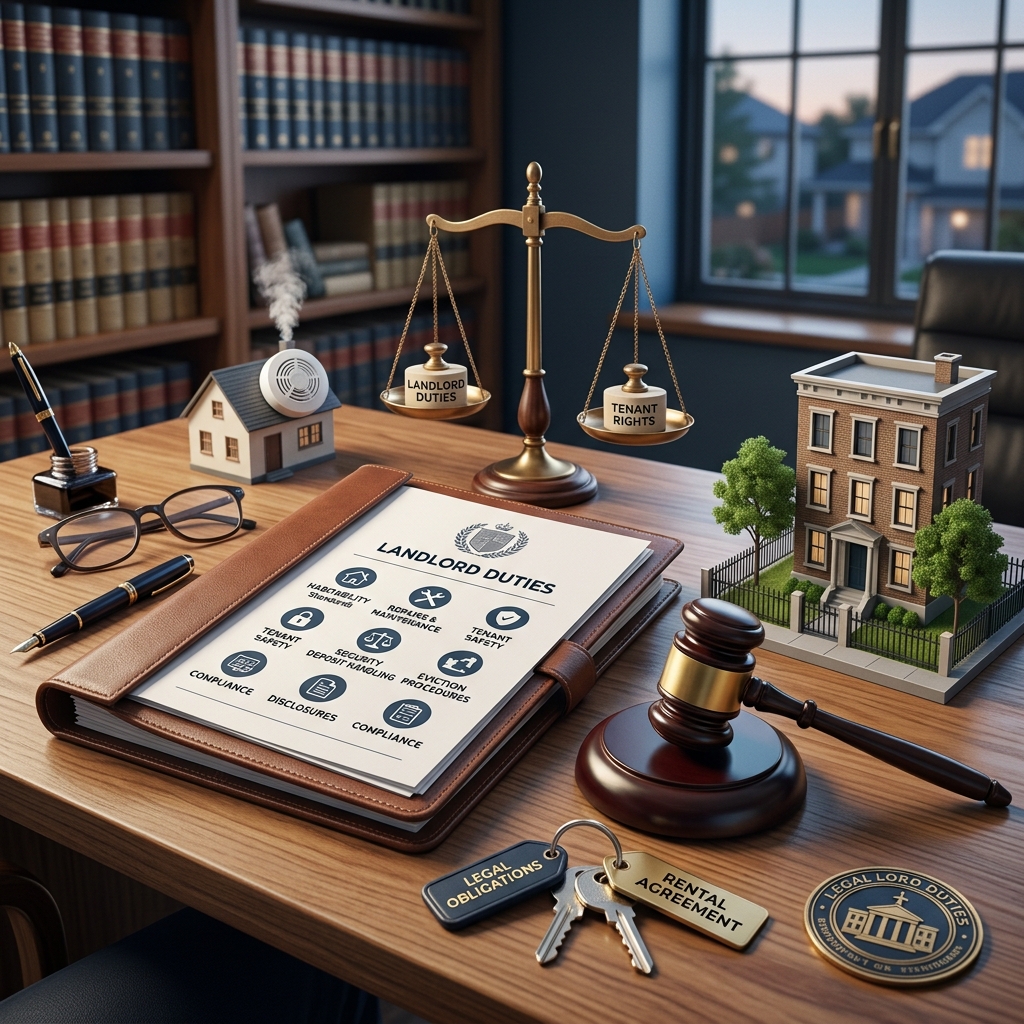
Residential landlords are more than property owners collecting rent. In almost every state, they have clear legal obligations to keep homes safe, livable, and fairly managed. These duties arise from state statutes, local housing codes, court decisions, and the written lease. Understanding these obligations helps both landlords and tenants prevent disputes and avoid costly legal problems.
1. Habitability: The Foundation of Landlord Obligations
Nearly all states recognize a warranty of habitability, meaning every rental home must meet basic standards for human occupancy. This duty usually cannot be waived in the lease and applies even if the tenant agreed to rent the unit “as is”.
1.1 What Makes a Home Habitable?
Although exact rules differ by state and city, habitability commonly includes:
- Reliable heat appropriate for the local climate.
- Safe, functioning plumbing and running water.
- Working electricity with safe wiring and outlets.
- Reasonable protection from the elements, including intact roofs, walls, windows, and doors.
- Freedom from vermin, insects, and other pests in both individual units and common areas.
- Structures and systems compliant with local building and housing codes.
Landlords must not rent units that are condemned or officially declared unfit for human habitation. Doing so can expose them to damages, penalties, and court orders requiring them to refund rent and pay tenants’ moving costs.
1.2 Non-Waivable Legal Duties
Many habitability rules are legally non-negotiable. A landlord generally cannot avoid responsibility for essential services—such as heat, water, or structural safety—through lease language. Courts frequently treat attempts to disclaim these core obligations as void and can award penalties or multiple damages when tenants are harmed.
2. Repair and Maintenance Responsibilities
Landlords must do more than provide a habitable home at move‑in. They have an ongoing duty to maintain and repair the premises so that it remains safe and code‑compliant.
2.1 Scope of Required Repairs
Common landlord repair duties include:
- Keeping electrical, plumbing, sanitary, heating, and ventilation systems in good working order.
- Maintaining appliances they supplied, such as stoves, refrigerators, or built‑in air‑conditioning units.
- Addressing leaks, broken windows, damaged floors, and similar structural problems.
- Ensuring common areas—hallways, lobbies, stairwells, laundry rooms—are clean, lit, and safe.
- Regularly painting or refreshing surfaces when required by local law, especially in multi‑unit buildings.
2.2 Reasonable Time to Fix Problems
Most laws give landlords a “reasonable” period to complete repairs after notice from a tenant. What is reasonable depends on severity and risk:
- Urgent health or safety issues (no heat in winter, severe water leaks, exposed electrical wiring) should be addressed as quickly as possible, often within days.
- Non-emergency repairs (minor appliance problems, cosmetic damage) may be handled within a longer but still reasonable timeframe.
When landlords fail to fix serious habitability violations, tenants in many jurisdictions can ask a court for rent reductions, withhold rent, or even terminate the lease, provided they follow proper legal procedures.
3. Health and Safety Duties Beyond Basic Habitability
Modern housing laws require landlords to address specific health and safety risks, especially those affecting children or vulnerable tenants.
3.1 Lead‑Based Paint and Environmental Hazards
In older buildings, landlords often have obligations related to lead‑based paint, mold, and other hazards.
- Identifying areas with peeling or deteriorating paint and safely correcting them.
- Reducing friction surfaces—such as windows or doors—that can generate lead dust.
- Keeping records of inspections, notices to tenants, and remediation work to comply with local reporting rules.
3.2 Pest Control and Sanitation
Landlords typically must keep both apartments and common areas free from vermin, garbage, and other unhygienic conditions. In multi‑family housing, failure to control pests can lead to housing code violations and fines.
3.3 Crime Prevention and Building Security
Landlords have a duty to take reasonable steps to reduce predictable criminal harm, especially in buildings or neighborhoods with known security issues.
- Maintaining locks on exterior doors and windows in working condition.
- Addressing broken entry systems, lighting problems, and other security‑related defects.
- Taking appropriate action when they are aware of repeated criminal incidents that could be mitigated through reasonable measures.
4. Respecting Tenant Privacy and Quiet Enjoyment
Tenants have a right to “quiet enjoyment” of their home—freedom from unreasonable interference by the landlord. This includes legal protections against improper entry and harassment.
4.1 Rules for Entering the Rental Unit
Landlords usually may only enter a tenant’s home under certain conditions:
- To perform requested or necessary repairs.
- To inspect the premises at reasonable intervals.
- To show the unit to prospective tenants or buyers near the end of the tenancy.
- In genuine emergencies that threaten life, safety, or property, such as fires or major leaks.
Outside emergencies, landlords typically must give advance written notice—often at least 24 hours—and visit only at reasonable times.
4.2 Prohibited Self‑Help and Harassment
Landlords may not use self‑help tactics to force tenants out, even if rent is unpaid or rules are violated. Illegal conduct can include:
- Changing locks without a court order.
- Shutting off essential services like heat or water.
- Removing the tenant’s belongings.
- Threatening or harassing the tenant into leaving.
These actions are unlawful in many states and can lead to triple damages, fines, and both civil and criminal penalties.
5. Clear and Lawful Rental Agreements
A written lease or rental agreement should set out the basic terms of the tenancy and reflect the landlord’s legal duties fairly and accurately.
5.1 Information That Should Be in a Lease
At minimum, a residential lease should include:
- The address and clear description of the rental premises.
- The names and addresses of the landlord or owner and any authorized manager.
- The monthly rent amount, due date, and method of payment.
- The length of the tenancy and conditions for renewal or termination.
- House rules covering matters such as pets, noise, and use of common areas, as long as they comply with the law.
- The rights and obligations of both landlord and tenant, including who handles certain maintenance tasks.
5.2 Limits on Unfair Lease Terms
Even when tenants sign a lease, certain terms may be unenforceable. Examples include attempts to:
- Waive the landlord’s basic duty to keep the property fit for use.
- Excuse the landlord from providing essential utilities where law requires them.
- Allow eviction without court process or legal notice.
Courts can strike such clauses and may award penalties or damages if they are used to mislead or pressure tenants.
6. Security Deposits and Move‑Out Obligations
Most landlords collect a security deposit when the tenant moves in. How the deposit is held, used, and returned is heavily regulated by state law.
6.1 Handling Security Deposits Lawfully
Common requirements include:
- Limiting the deposit to a certain amount, often one or two months’ rent, depending on state law.
- Holding the deposit in a separate account or following any statutory trust requirements.
- Using deposit funds only for unpaid rent, damage beyond normal wear and tear, or specified fees permitted by law.
6.2 Returning Deposits and Itemized Statements
After a tenant moves out, landlords usually must:
- Inspect the unit within a reasonable time.
- Prepare an itemized list of any lawful deductions.
- Return the remaining deposit within the deadline set by state law—often within 30 days.
Failure to return a deposit properly can result in lawsuits, statutory penalties, and sometimes double or triple damages.
7. Lawful Eviction and Ending the Tenancy
Ending a tenancy must follow legal procedures. Even when a tenant seriously violates the lease, the landlord must use the court process rather than taking matters into their own hands.
7.1 When a Landlord May Evict
Common legal grounds for eviction include:
- Nonpayment of rent.
- Significant lease violations, such as unauthorized occupants or serious property damage.
- Illegal activity on the premises, including drug trafficking or possession of stolen property.
- Expiration of a lease where the landlord has properly declined to renew.
7.2 Required Notices and Court Process
Landlords must follow state‑specific notice rules before filing for eviction. For example:
- Providing written notice that explains the reason for termination and any time allowed to cure the violation.
- Waiting the legally required number of days before filing a court case.
- Using the designated court process—often called summary process or similar—to obtain a judgment of possession.
- Relying on authorized officers (such as sheriffs or marshals) to execute the eviction order.
Without a court order, physically removing a tenant is generally illegal and opens the landlord to substantial liability.
8. Landlord Duties vs. Tenant Responsibilities: A Comparison
Landlord obligations operate alongside tenant duties. Both sets of responsibilities are important for a well‑run rental relationship.
| Landlord Duties | Tenant Responsibilities |
|---|---|
| Provide a habitable, safe dwelling and maintain building systems. | Use the property reasonably, keep it clean, and comply with health and safety rules. |
| Make timely repairs after notice. | Promptly report problems and avoid damaging the premises. |
| Respect privacy, give proper notice before entry. | Allow reasonable access for inspections and repairs after proper notice. |
| Handle security deposits according to law and return them on time. | Leave the unit in good condition and meet move‑out obligations. |
| Use lawful court procedures for eviction. | Pay rent on time and follow lease terms to avoid eviction. |
9. Practical Tips for Landlords to Stay Compliant
Because landlord‑tenant rules vary widely, best practices focus on documentation, communication, and proactive maintenance.
- Know your jurisdiction’s laws. Review state landlord‑tenant statutes and local housing codes before renting property.
- Use clear written leases. Ensure agreements describe responsibilities accurately and avoid unlawful clauses.
- Document notices and repairs. Keep copies of written notices, work orders, and contractor invoices, especially for major repairs or safety issues.
- Respond quickly to serious complaints. Treat issues involving heat, water, electrical hazards, or structural damage as priorities.
- Maintain regular inspections. Conduct periodic checks of common areas and building systems, while respecting tenant privacy.
10. Frequently Asked Questions (FAQs)
10.1 Can a landlord ever refuse to make a repair?
Landlords are not required to fix every minor cosmetic issue, but they must address conditions that affect health, safety, or habitability—such as broken heating systems, unsafe wiring, or significant leaks. Ignoring these problems can lead to code violations and tenant remedies.
10.2 Is it legal to evict a tenant without going to court?
In most U.S. jurisdictions, no. Landlords must use formal court eviction procedures, and only authorized officers can physically remove tenants. Lockouts, utility shutoffs, and similar tactics are generally illegal and can trigger heavy penalties.
10.3 How much notice must a landlord give before entering the apartment?
The exact amount of notice varies by state, but many laws and standard leases require at least 24 hours’ notice for non‑emergency entries. Emergencies threatening life or property may justify immediate entry without prior notice.
10.4 What happens if a building is condemned after tenants move in?
When a property is condemned or declared unfit for human habitation, landlords are generally barred from collecting further rent and can be liable for triple damages, including moving expenses and other actual losses suffered by tenants.
10.5 Are landlords responsible for crime that occurs on the property?
Landlords are not insurers against all crime, but they must take reasonable steps to protect tenants from predictable criminal harm, such as maintaining locks, lighting, and secure entrances. Failure to do so can result in liability when injuries could have been prevented by basic safety measures.
References
- Landlords’ Legal Rights & Duties — Justia. 2023-01-01. https://www.justia.com/real-estate/landlord-tenant/information-for-landlords/
- Residential Tenants’ Rights Guide — Office of the New York State Attorney General. 2022-09-01. https://ag.ny.gov/publications/residential-tenants-rights-guide
- Landlord Duties, Responsibilities and Rights — New York City Bar Association. 2021-05-01. https://www.nycbar.org/get-legal-help/article/landlord-tenant/landlords-duties-obligations/
- Tenant Rights and Responsibilities — New York City Department of Housing Preservation and Development. 2023-03-01. https://www.nyc.gov/site/hpd/services-and-information/tenants-rights-and-responsibilities.page
- Landlords and Tenants: Rights and Responsibilities — Minnesota Attorney General / Minnesota Legislature. 2003-01-01. https://www.leg.mn.gov/docs/2003/mandated/030343.pdf
- Rights and Responsibilities of Landlords and Tenants in Connecticut — Connecticut Judicial Branch. 2020-01-01. https://www.jud.ct.gov/publications/hm031.pdf
- Law Facts: Tenant & Landlord Rights and Obligations — Ohio State Bar Association. 2021-06-01. https://www.ohiobar.org/public-resources/commonly-asked-law-questions-results/law-facts/law-facts-tenant–landlord-rights-and-obligations/
Similar Articles








Read full bio of Sneha Tete


