
Super Bowl Scams: How NFL Fans Can Stay Safe
From fake tickets to bogus betting sites, learn how to spot and avoid the most common Super Bowl scams targeting passionate NFL fans.
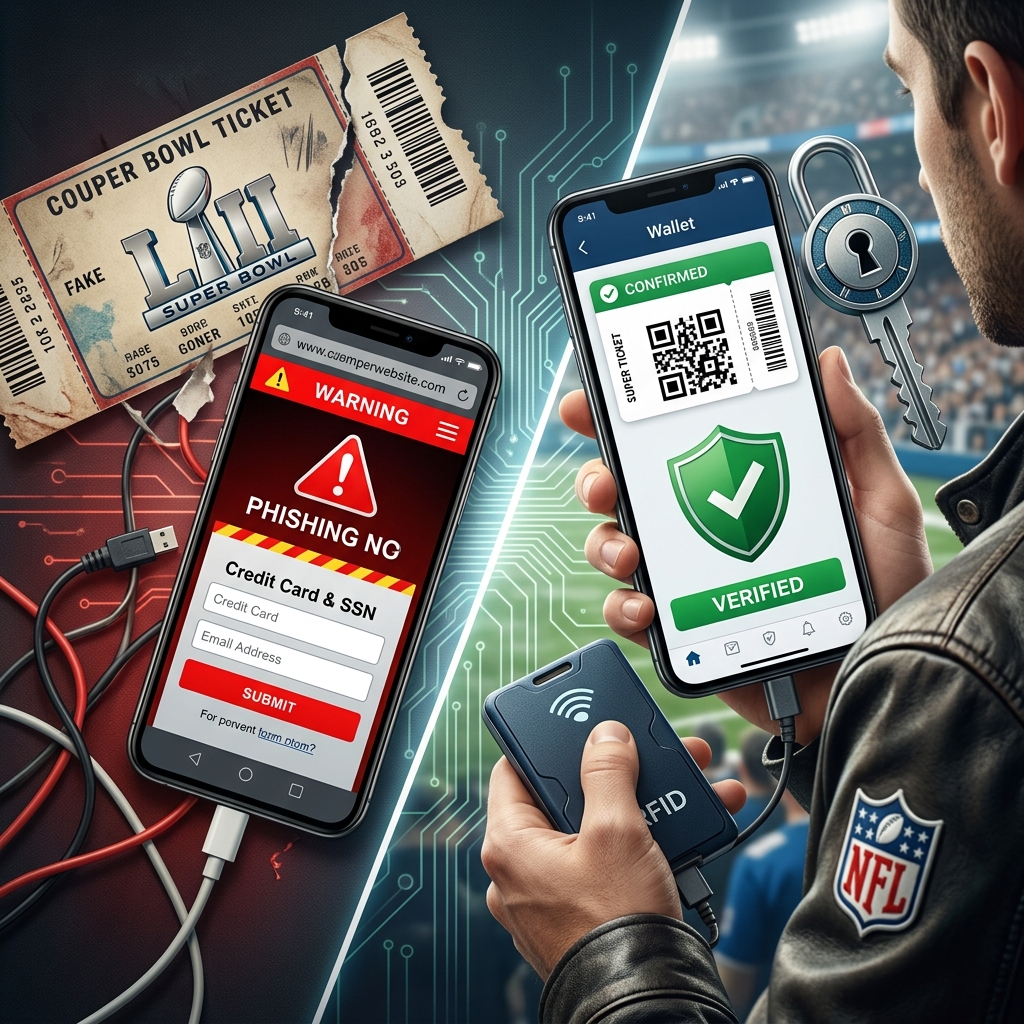
The Super Bowl is more than just a football game; it is a national event that draws millions of viewers, travelers, and online bettors every year. That massive audience creates an ideal environment for scammers who know hardcore NFL fans will pay, click, or share almost anything to be part of the action. As digital tickets, mobile betting apps, and streaming platforms become the norm, fraudsters have more ways than ever to exploit fans who let their guard down.
This article explains the most common Super Bowl-related scams and offers practical, evidence-based strategies to protect your money, identity, and personal data. Whether you are attending the game, betting from home, or just streaming the event, learning how these scams work is the first step toward avoiding them.
Why the Super Bowl Is a Magnet for Scammers
Every year, consumer protection agencies and law enforcement warn fans that Super Bowl season triggers a spike in fraudulent offers and digital attacks. Several factors combine to make this one of the riskiest times of the year for sports enthusiasts:
- Huge, excited audience: Tens of millions of people watch the game, many willing to spend large sums on tickets, travel, betting, and merchandise.
- Time pressure: Fans often feel they must act quickly to secure seats, hotel rooms, or special deals, which can override normal skepticism.
- Digital platforms: Mobile ticketing, streaming, and online betting create more channels for phishing and fake websites.
- High-stakes transactions: Tickets can cost thousands of dollars, and bets can be sizable, making each successful scam highly profitable.
Scammers know that passionate supporters may ignore warning signs when the offer involves their favorite team or a once-in-a-lifetime chance to attend the championship. Understanding that emotional leverage helps you recognize when you might be vulnerable.
Common Super Bowl Ticket Scams
Ticket fraud is one of the most visible Super Bowl scams because of the high demand and limited supply. Fans frequently report paying thousands of dollars for tickets that turn out to be counterfeit, invalid, or never delivered.
Red Flags in Ticket Offers
- Suspiciously low prices: Tickets offered far below market value are a classic lure. Authorities warn that if a deal looks too good to be true, it almost always is.
- Unverified platforms: Ads on social media, online marketplaces, or unfamiliar websites with no clear ownership or physical address are high-risk.
- Pressure tactics: Phrases like “limited time,” “last chance,” or “must pay in the next hour” are used to push fans into quick, unresearched decisions.
- Risky payment methods: Demands for wire transfers, gift cards, cryptocurrency, or instant payment apps make it extremely difficult to recover funds.
Digital Ticket Fraud
The shift to mobile and digital tickets has reduced some forms of counterfeiting, but it has also created new schemes. Fraudsters clone or alter legitimate-looking digital passes, sometimes selling the same QR code to multiple buyers.
| Scam Type | How It Works | Key Warning Sign |
|---|---|---|
| Fake resale website | Scammers build a site that mimics a known brand and collect payments for non-existent tickets. | URL slightly misspelled or missing HTTPS security indicator. |
| Duplicate digital ticket | The same QR code is sold multiple times. Only the first person to use it gets in. | Seller refuses to prove ticket transfer through official platform. |
| Social media seller | Individuals advertise tickets in posts or direct messages, then disappear after payment. | No verifiable identity, no buyer protection, insistence on instant payment apps. |
Safe Ticket Purchasing Practices
Consumer authorities and the NFL consistently recommend using official or strongly vetted channels to minimize risk.
- Use authorized vendors: Buy directly from the league, the stadium box office, or well-known resale platforms that offer guarantees and clear refund policies.
- Check site security: Confirm that the ticket website uses HTTPS and shows a padlock icon, indicating an encrypted connection.
- Research the seller: Look for independent reviews, complaints, or warnings through reputable sources such as state attorney general offices or the Better Business Bureau.
- Prefer credit cards: Pay with a credit card rather than debit, cash, or instant payment apps, because credit cards allow you to dispute fraudulent charges.
Streaming and Phishing Scams Targeting Viewers
Not everyone buys a ticket to the game, but nearly everyone watches it. That massive remote audience attracts scammers who deliver malicious links through email, text, and social media, promising free or exclusive streams.
How Phishing Attacks Work During the Super Bowl
Phishing is the practice of sending messages that impersonate legitimate companies in order to trick users into sharing login credentials, payment details, or other sensitive information.
- Fake streaming alerts: Messages claim your account will be shut down unless you click a link to “verify” payment or login details.
- Promotional emails: Emails promise access to special camera angles or ad-free viewing but require you to enter card information on a bogus site.
- Malicious pop-up ads: Pop-ups on unofficial streaming sites may install malware or capture keystrokes if clicked.
Protecting Yourself While Streaming
- Go directly to the source: If you receive a message about your streaming account, do not click the link. Instead, open the official app or website manually and check your status there.
- Ignore unsolicited links: Do not trust links sent by unknown accounts or random promotions for free Super Bowl streams.
- Update devices and apps: Keep your operating systems, browsers, and security software up to date to reduce the risk of malware infections.
Sports Betting Scams Around the Big Game
Legal sports betting has expanded in many U.S. states, creating a mix of licensed operators and illegal offshore sites. Scammers take advantage of the confusion by setting up fake betting platforms or pushing “guaranteed” winning picks.
Risks of Unregulated Betting Sites
Lawmakers and consumer advocates warn that offshore or unlicensed sportsbooks may not be subject to U.S. regulations or consumer protections. This can lead to several problems:
- Refusal to pay winnings: Unregulated operators may simply keep funds instead of processing legitimate payouts.
- Data misuse: Personal and financial information may be sold or used for further scams.
- No recourse: Because these platforms operate outside U.S. jurisdiction, it is difficult to seek legal remedies.
Safe Betting Guidelines
- Verify licensing: Confirm that any sportsbook is licensed by your state’s gaming commission or equivalent regulator.
- Avoid “guaranteed wins”: Experts and regulators caution that any claim of certain betting success is a major warning sign.
- Check website authenticity: Carefully inspect URLs, look for HTTPS, and avoid sites reached through unsolicited messages.
- Protect personal data: Do not share bank account numbers, Social Security numbers, or other sensitive information outside secure, verified platforms.
Fake Travel and Lodging Deals
Fans traveling to the host city are attractive targets for hotel and travel scams. Fraudsters may create fake booking sites or impersonate legitimate hotels with offers that disappear after payment.
- Impersonated hotel sites: Websites can copy logos and design from real hotels but use slightly altered domain names.
- Non-refundable prepayments: Scammers require full payment upfront for reservations that do not exist.
To reduce risk, contact hotels directly through verified phone numbers or official apps when booking for the Super Bowl, and use credit cards to maintain dispute rights.
Counterfeit Merchandise and Charitable Appeals
Beyond tickets and betting, fans face scams involving counterfeit Super Bowl merchandise and deceptive fundraising appeals. Fraudsters set up online stores selling imitation jerseys, hats, and collectibles, or pose as charities supporting local causes around the event.
Protecting Your Purchases and Donations
- Check seller legitimacy: Search for a physical address, working phone number, and independent reviews before buying merchandise.
- Review policies: Examine shipping, return, and refund policies to ensure they are specific and reasonable.
- Verify charities: Use reputable charity verification platforms or official registries to confirm that an organization is legitimate before donating.
Best Practices to Stay Safe During Super Bowl Season
Across different scam types, several consistent safety principles emerge from guidance provided by attorneys general, consumer protection agencies, and cybersecurity experts.
- Slow down: Do not let excitement override careful judgment. Take a moment to research any offer involving significant money or personal data.
- Use secure payment methods: Prefer credit cards, which offer dispute rights, and avoid gift cards, wire transfers, or instant payment apps for unknown sellers.
- Inspect URLs and security indicators: Confirm HTTPS connections and verify the spelling of website addresses before entering payment information.
- Check official sources: When in doubt, consult the NFL’s official site, your streaming provider’s app, your state gaming regulator, or trusted consumer protection organizations.
- Report suspected fraud: If you believe you have been scammed, report it to your state attorney general, the Better Business Bureau, and national fraud reporting portals so authorities can investigate and warn others.
Frequently Asked Questions (FAQs)
1. How can I tell if a Super Bowl ticket seller is legitimate?
Look for tickets sold through official channels such as the league, team sites, or established resale platforms with buyer guarantees. Verify that the website uses HTTPS, search for independent reviews, and avoid sellers who insist on non-refundable, high-risk payment methods like wire transfers or gift cards.
2. Are social media posts advertising Super Bowl tickets safe?
Social media posts from unknown individuals or newly created pages are high-risk. Consumer protection agencies warn that these sellers may disappear after payment or provide counterfeit tickets. Only buy through platforms that offer clear buyer protections and dispute mechanisms.
3. What should I do if I clicked a suspicious streaming link?
Immediately close the site, run a security scan on your device, and change passwords for streaming and email accounts if you entered login details. Monitor financial statements for unauthorized charges and contact your provider if you suspect account compromise.
4. How do I verify a sports betting website for the Super Bowl?
Check your state gaming commission or regulatory authority to confirm that the operator is licensed. Avoid sites based offshore or with vague licensing claims, and steer clear of platforms reached through unsolicited texts or emails promising guaranteed wins.
5. Where can I report a suspected Super Bowl ticket scam?
You can submit complaints to your state attorney general’s office, the Better Business Bureau, and national fraud reporting tools such as federal internet crime centers. Providing details, receipts, and screenshots helps investigators track patterns and warn other consumers.
References
- Ahead of the Super Bowl, Attorney General Bonta Warns Californians Against Ticket Scams — California Department of Justice. 2026-02-XX. https://oag.ca.gov/news/press-releases/ahead-super-bowl-attorney-general-bonta-warns-californians-against-ticket-scams
- Criminals plot to sack Super Bowl fans for a loss. Beware these scams — CBS News / Joint Economic Committee. 2026-02-XX. https://www.cbsnews.com/news/super-bowl-2026-scams-betting-tickets-merchanise/
- How to avoid Super Bowl scams as experts warn of fake tickets, counterfeit websites — New York Post / Better Business Bureau guidance. 2026-02-02. https://nypost.com/2026/02/02/business/how-to-avoid-super-bowl-scams-as-experts-warn-of-fake-tickets-counterfeit-websites/
- Super bowl scams — How to avoid getting sacked by cybercriminals — Avast. 2024-01-XX. https://blog.avast.com/super-bowl-ticket-scams
- Super Bowl scams surge in February and target your data — Fox News Digital / Kim Komando. 2024-02-XX. https://www.foxnews.com/tech/super-bowl-scams-surge-february-target-your-data
- Scammers Adjust Amid Shift to Digital Tickets for Super Bowl — Front Office Sports / NFL counsel quotes. 2023-02-XX. https://frontofficesports.com/super-bowl-tickets-scammers-digital-ticket/
- Officials warn of Super Bowl scams — Local news segment referencing Better Business Bureau. 2023-02-XX. https://www.youtube.com/watch?v=51JjrCrjbs8
Similar Articles








Read full bio of Sneha Tete




