
Staying Safe at Work: How to Respond to Dangerous Conditions
Learn how to recognize unsafe working conditions, assert your legal rights, and take effective action without risking your job or your health.
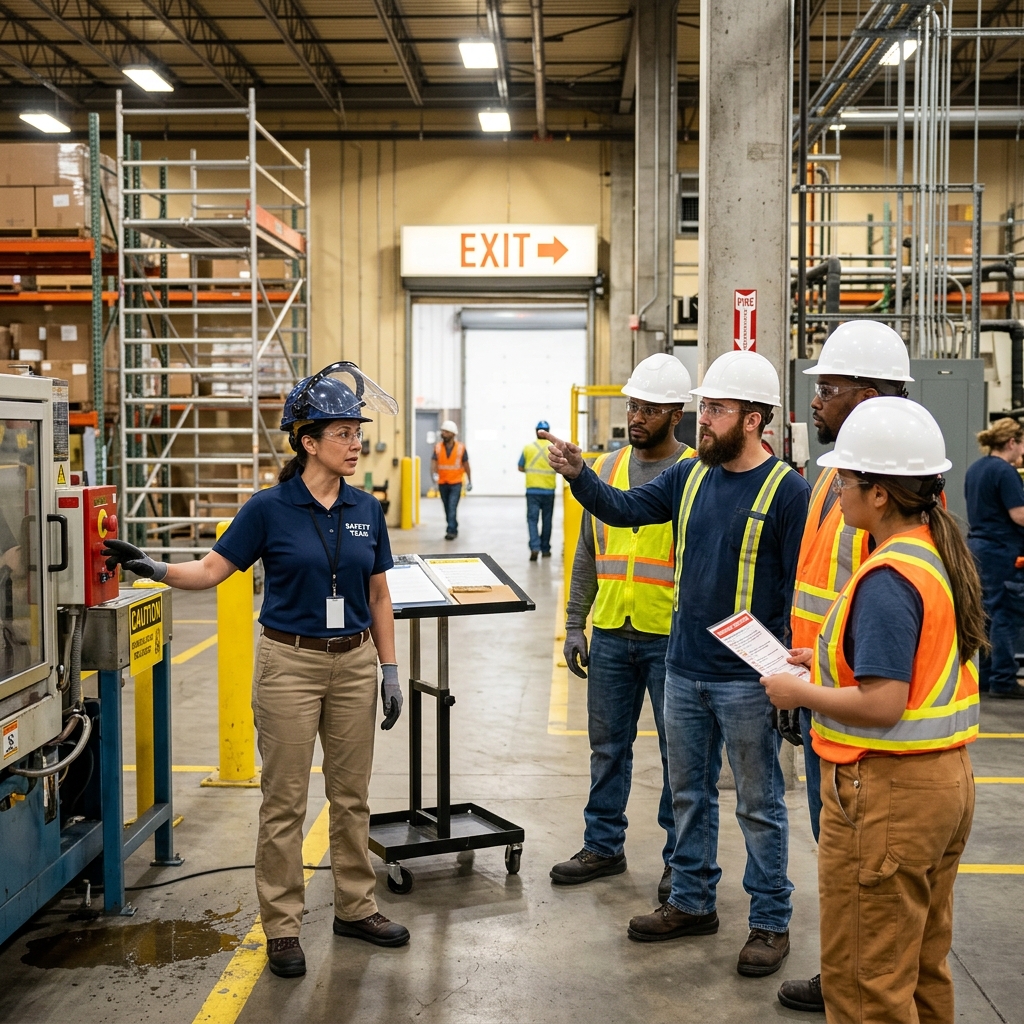
Every worker is entitled to a job that does not jeopardize their health or safety. Under federal workplace safety laws, your employer must keep your job site free from known hazards and you have the right to speak up when something is wrong. This guide explains how to recognize unsafe conditions, what legal protections you have, and how to respond when a dangerous situation is ignored or downplayed.
Understanding Your Basic Right to a Safe Workplace
In the United States, the Occupational Safety and Health Act (OSHA) requires most employers to provide a workplace that is as safe and healthy as reasonably possible. That obligation applies to many types of hazards, from heavy machinery and chemicals to noise, heat, or poor emergency planning.
According to OSHA, workers have the right to work in a facility that is free from known safety and health dangers that could cause serious injury or death. This general duty is reinforced by specific safety standards for different industries and job tasks.
Key elements of employer safety duties
- Identify hazards that could harm workers and take reasonable steps to remove or reduce them.
- Provide safe tools, equipment, and machines, and maintain them properly.
- Inform and train employees about risks and safe work practices in a language they understand.
- Offer necessary protective gear, such as gloves, fall protection, respirators, or eye protection, at no cost where hazards exist.
- Keep records and post safety information, including OSHA posters and summaries of serious injuries and illnesses.
Recognizing Unsafe or Unhealthy Working Conditions
Many hazards are obvious, but others develop slowly or are easy to overlook. The first step in protecting yourself is learning to spot signs that your workplace may not meet required safety standards.
Common examples of unsafe conditions
- Blocked or missing emergency exits and escape routes.
- Exposed electrical wiring, unguarded machinery, or broken equipment.
- Absence of required protective gear around chemicals, noise, dust, or sharp tools.
- Work at heights without proper fall protection or guardrails.
- Serious slip, trip, or fall hazards that are never cleaned up or repaired.
- Repeated accidents or near-misses that are ignored or not investigated.
- Long-term exposure to fumes, extreme heat, or loud noise without controls.
Warning signs in workplace culture
Conditions are more likely to be unsafe when workers are discouraged from raising concerns or when safety rules exist only on paper. Warning signs include:
- Supervisors telling employees to “just get it done” and skip safety procedures.
- No training provided for dangerous tasks or new equipment.
- Workers injured on the job being blamed for accidents without reviewing causes.
- Management ignoring or dismissing complaints without investigating.
Your Legal Rights When Working Conditions Are Unsafe
OSHA and related federal rules give workers a set of clear rights designed to protect them when hazards are present. Understanding these rights helps you act confidently and reduces the risk of being silenced or punished for speaking up.
Core worker safety rights
| Right | What it means in practice |
|---|---|
| Your employer must keep the job site free from known serious hazards and comply with OSHA standards. | |
| Right to training | You are entitled to safety and health training in a language and format you understand. |
| Right to information | You may review injury and illness logs, hazard test results, and your medical records related to work. |
| Right to report hazards | You can complain to your employer or request an OSHA inspection if you believe conditions are unsafe. |
| Right to be free from retaliation | It is illegal for your employer to fire, demote, or otherwise retaliate because you raised safety concerns or contacted OSHA. |
| Right to refuse dangerous work (in some situations) | Workers may be protected when refusing tasks that pose an imminent risk of serious injury or death under certain conditions. |
Accessing safety records and hazard information
OSHA rules require many employers to maintain logs of serious work-related injuries and illnesses and to make these records available to employees and former employees upon request. You may also be entitled to see results of tests performed to measure chemical exposures, noise levels, or other hazards in your workplace.
Practical Steps to Take When You Notice a Hazard
Once you identify a risk, acting quickly and methodically can protect you and your coworkers while preserving your legal rights. Most safety agencies recommend trying to resolve issues internally first, then escalating if necessary.
1. Document what you see
Before raising a concern, gather clear information about the problem. This documentation helps your employer investigate and can be important if you later file a complaint.
- Note the date, time, and location of the hazard.
- Describe the equipment, materials, or tasks involved.
- Record who was present and whether any injuries or near-misses occurred.
- If allowed, take photographs or keep copies of written safety procedures for comparison.
2. Raise the issue within your company
Many problems can be resolved quickly when employers are notified. Try to follow your company’s reporting protocol if one exists, but do not hesitate to speak up if you believe a situation is urgent.
- Report the hazard to a supervisor, manager, or safety representative.
- Explain why you believe the condition is unsafe and reference any relevant policies or training.
- Ask what steps will be taken and when, and follow up if no action occurs.
- Keep a record of the conversation, including dates and any written responses.
3. Request correction or further investigation
You have the right to ask your employer to correct dangerous conditions and investigate potential violations of safety standards. If the response is vague or dismissive, consider putting your concerns in writing and copying human resources or a safety committee, if available.
4. Escalate to OSHA or a relevant agency
If your employer does not correct the danger or if you fear retaliation, you can file a confidential complaint with OSHA and request an inspection. Complaints are commonly submitted online, by phone, or in writing. When you contact OSHA, be prepared to provide details about:
- The type of work performed at your site.
- The hazardous conditions and how long they have existed.
- Any accidents, illnesses, or near-misses associated with the hazard.
- What actions, if any, your employer has taken after being notified.
Refusing Work That Poses Immediate Danger
In rare but serious situations, continuing to work could expose you to an imminent risk of severe harm. Federal guidance recognizes that employees may have the right to refuse dangerous work when certain criteria are met.
When refusal may be protected
- You reasonably believe there is a serious hazard that could cause death or serious physical harm.
- There is not enough time to eliminate the hazard through regular enforcement channels.
- You have asked the employer to correct the problem and they have failed to do so.
- You continue to stay at the worksite until ordered to leave, rather than simply walking off.
Because refusal of work can be complex and fact-specific, many employees consult a safety agency or legal professional before taking this step, especially if the danger is not immediate.
Protections Against Retaliation for Raising Safety Concerns
Workers often hesitate to report hazards because they worry about losing their job or being punished. OSHA’s whistleblower provisions make it illegal for employers to retaliate against workers for exercising their safety rights, including contacting OSHA or cooperating in an inspection.
Examples of unlawful retaliation
- Firing or laying off a worker shortly after they report a safety violation.
- Demoting, reducing pay, or cutting hours because an employee requested an OSHA inspection.
- Transferring a worker to a less desirable shift or location as punishment for raising concerns.
- Harassment, threats, or disciplinary write-ups directly linked to safety complaints.
If you believe you have experienced retaliation for using your safety rights, you may be able to file a whistleblower complaint with OSHA, often within a limited time period after the retaliatory action. Acting promptly is important because deadlines are strict.
Employer Reporting and Recordkeeping Duties
Employers are responsible not only for preventing hazards but also for tracking and reporting serious incidents. These obligations help regulators monitor safety trends and ensure transparency for workers.
Serious incident reporting
Companies must report to OSHA within eight hours when a workplace accident results in a death, and within 24 hours for certain severe injuries such as inpatient hospitalizations, amputations, or loss of an eye. These reports include the names of injured workers, the nature of the injuries, and details about the event.
Injury and illness logs
Employers with at least a specified number of workers are required to keep accurate records of serious work-related injuries and illnesses and to post an annual summary where employees can see it. Workers and their representatives are entitled to review these records, which can provide insight into patterns of hazards and the employer’s safety performance.
Seeking Legal and Professional Help
Sometimes hazards persist despite complaints, or retaliation makes it difficult to remain at a job. In those cases, additional support may be needed to protect your health and income.
When to consult an attorney or advocate
- You have suffered a serious injury or illness that you believe is related to unsafe working conditions.
- Multiple complaints to management have failed to resolve obvious hazards.
- You have been fired, disciplined, or harassed after raising safety concerns.
- You are considering refusing work because of imminent danger and want to understand legal risks.
Employment and worker’s compensation attorneys can help you evaluate whether your rights have been violated, file necessary claims, and navigate interactions with government agencies. Worker rights organizations and unions can also provide guidance about safety standards and collective responses.
Frequently Asked Questions About Unsafe Working Conditions
Do I have a right to safety training?
Yes. Federal law requires employers to provide workplace safety and health training in a language and manner that workers can understand. Training should cover the specific hazards of your job, safe procedures, and how to use protective equipment.
Can I report a hazard directly to OSHA without telling my employer?
You may contact OSHA directly and request an inspection if you believe your workplace is unsafe. While many workers try raising concerns with their employer first, this is not mandatory, and OSHA complaints can be confidential.
What if I am worried about losing my job if I complain?
It is illegal for an employer to retaliate against you because you reported a safety concern, requested an OSHA inspection, or participated in an investigation. If retaliation occurs, you may be able to file a whistleblower complaint and seek remedies.
Am I allowed to see records of workplace injuries?
Workers and former workers generally have the right to review certain records of work-related injuries and illnesses maintained by their employer. These documents can help you understand the safety history of your workplace.
Does my immigration status affect my safety rights?
Your right to a safe and healthy workplace exists regardless of immigration status. Worker rights resources emphasize that all employees are protected when raising safety concerns.
References
- Worker Rights and Protections — Occupational Safety and Health Administration. 2023-04-01. https://www.osha.gov/workers
- Employee Rights Under OSHA (the Occupational Safety and Health Act) — Anthem Employee Assistance Program. 2022-09-15. https://www.anthemeap.com/reep/find-legal-support/resources/consumer-rights/legal-assist/employee-rights-under-osha-the-occupational-safety-and-health-act
- Employer Responsibilities — U.S. Department of Labor. 2023-06-20. https://beta.dol.gov/policy-regulations/pay-benefits/workplace-safety/safety-health/employer-responsibilities
- Employee Rights and Responsibilities — SafetyWorks! Maine Department of Labor. 2022-03-10. https://safetyworksmaine.gov/workplace-safety/rights-responsibilities
- Safety Rights — Worker.gov, U.S. Department of Labor. 2022-11-05. https://www.worker.gov/safety-rights/
Similar Articles








Read full bio of Sneha Tete




