
Violent Crime Defenses: 6 Essential Strategies To Protect You
Understand key legal defenses, evidence strategies, and rights protection when facing serious violent crime allegations in criminal court.
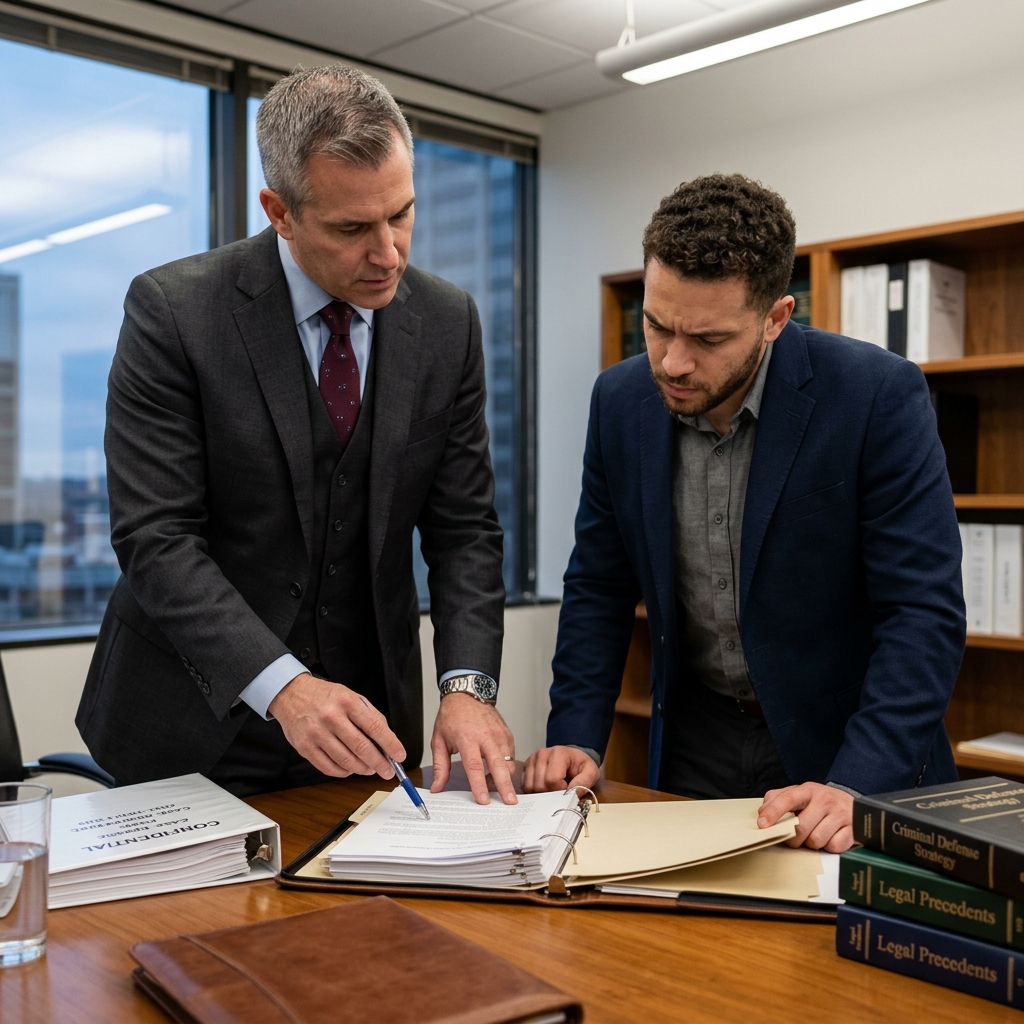
Violent crime allegations are among the most serious charges in the criminal justice system. Convictions can lead to long prison sentences, permanent criminal records, loss of civil rights, and immigration consequences. At the same time, many cases involve complex facts, high emotions, and difficult legal questions about intent, self-defense, and the reliability of evidence. This article explains common violent crime defenses, how prosecutors build cases, and practical steps for protecting your rights if you are accused.
Understanding Violent Crime Allegations
In U.S. law, violent crimes typically involve the use, attempted use, or threat of physical force against another person. Precise definitions vary by state and federal statute, but common violent offenses include:
- Assault and battery (including aggravated assault)
- Domestic violence offenses
- Robbery and armed robbery
- Kidnapping and related offenses
- Sexual assault and rape
- Homicide offenses, including murder and manslaughter
The FBI describes violent crime categories in its nationwide crime reporting program as offenses involving force or the threat of force, such as murder, rape, robbery, and aggravated assault. Each state then defines and punishes these crimes in its own criminal code, and penalties often increase when weapons, serious injuries, or vulnerable victims are involved.
How Prosecutors Build Violent Crime Cases
To understand defense strategies, it helps to see how prosecutors typically build a violent crime case. The government must prove each element of the charged offense beyond a reasonable doubt, which is the highest standard in U.S. law.
Prosecutors usually rely on a combination of:
- Witness testimony: Alleged victims, bystanders, police officers, and other witnesses describe what they saw or experienced.
- Physical and forensic evidence: Medical records, photographs of injuries, weapon evidence, DNA, fingerprints, and surveillance footage.
- Defendant statements: Things the accused said to police, text messages, social media posts, or recorded calls.
- Expert testimony: Specialists may interpret medical findings, forensic results, or psychological evidence.
A strong defense challenges the reliability, completeness, and legal sufficiency of this evidence. Even when something harmful occurred, the defense may show that the accused was not responsible, did not act with the required intent, or acted lawfully under a recognized justification.
Core Defense Theories in Violent Crime Cases
Violent crime defense is not one-size-fits-all. Lawyers often combine several legal theories depending on the facts, the evidence, and the jurisdiction. Below are common defense approaches that appear frequently in serious felony cases.
1. Self-Defense and Defense of Others
Self-defense is one of the most important and widely recognized defenses in violent crime law. This doctrine allows a person to use reasonable force in response to an imminent threat of unlawful force. In many jurisdictions, self-defense can completely excuse conduct that would otherwise constitute assault or even homicide.
While details vary, courts typically look for:
- Immediacy of the threat: The danger must be imminent, not speculative or in the distant future.
- Unlawful force: The aggressor must be initiating or threatening illegal force.
- Reasonable belief: The defendant’s belief in the danger must be one a reasonable person could share under the circumstances.
- Proportional response: The level of force used must be reasonably necessary to stop the threat.
Many states also recognize defense of others on similar terms when someone uses force to protect another person from imminent harm. Issues like whether the defendant had a duty to retreat, or whether they could lawfully stand their ground, are governed by state statutes and case law.
2. Lack of Intent or Mental State
Most violent crimes require a particular mental state, such as intent, knowledge, or recklessness. If the prosecution cannot prove the required mental state, the defendant cannot be convicted of that offense, although they might still face lesser charges.
Common arguments include:
- Accidental injury: The harm was the result of an accident, not an intentional or reckless act.
- No intent to cause serious harm: The defendant may have intended a lesser act (e.g., a push) but not serious injury.
- Intoxication effects: In limited circumstances, intoxication can affect whether the defendant formed specific intent, though laws differ and voluntary intoxication rarely excuses violence.
Courts closely analyze the defendant’s statements, prior conduct, and the nature of the injuries to determine whether the required mental state was present.
3. Alibi and Mistaken Identity
An alibi defense shows that the accused could not have committed the crime because they were somewhere else at the relevant time. Effective alibi evidence may include time-stamped video, receipts, digital data (such as cellphone records), or credible witness testimony.
Mistaken identity is closely related. Stress, poor lighting, cross-racial identification issues, and distractions can all affect eyewitness accuracy, and misuse of these identifications has been linked to wrongful convictions. Defense counsel often challenges identification procedures, such as lineups and photo arrays, and may use expert witnesses to explain why a witness could be sincerely mistaken.
4. False Accusations and Credibility Challenges
In some violent crime cases—particularly those involving domestic disputes or personal conflicts—defendants argue that the allegations are exaggerated or outright false. Common motives for false accusations include anger, jealousy, custody disputes, or attempts to gain leverage in another legal matter.
Key strategies include:
- Highlighting inconsistencies between statements made to police, in medical records, and in courtroom testimony.
- Identifying motives to lie, such as ongoing family litigation or financial disputes.
- Using documentary evidence (messages, emails, social media posts) that contradict the allegations.
Ethical rules prevent defense lawyers from attacking victims unfairly, but they are required to challenge unreliable testimony, including that of complaining witnesses.
5. Constitutional and Procedural Defenses
Even when the underlying facts are damaging, defendants have strong protections under the U.S. Constitution that can limit or exclude evidence. Courts regularly enforce these rules to preserve fair trials and deter government misconduct.
Important constitutional defenses include:
- Fourth Amendment violations: Illegal searches or seizures may lead to suppression of physical evidence, weapons, or statements.
- Fifth Amendment protections: Coerced or unwarned custodial statements can be excluded under Miranda rules and due process principles.
- Sixth Amendment rights: Defendants have the right to counsel, to confront witnesses, and to a speedy trial. Violations can affect the admissibility of evidence or result in dismissal in extreme cases.
Defense attorneys use pre-trial motions to raise these issues and seek court orders limiting what the jury can hear.
6. Insanity, Diminished Capacity, and Mental Health Issues
In relatively rare but serious cases, mental health defenses play a central role. An insanity defense argues that, due to a severe mental illness or defect, the defendant could not understand the nature of their act or distinguish right from wrong at the time of the offense. Standards vary by jurisdiction and are usually codified in statute.
Other mental health-related defenses include:
- Diminished capacity: Arguing that mental illness or cognitive limitations prevented the defendant from forming specific intent.
- Competency to stand trial: Separate from insanity, this focuses on whether the accused can understand the proceedings and assist counsel.
- Sentencing mitigation: Even if not a legal defense to guilt, mental health evidence can significantly affect sentencing outcomes.
Comparing Major Violent Crime Defense Strategies
The choice of defense often depends on the available evidence and the legal elements of the charged offense. The table below compares several common defense theories on key dimensions.
| Defense Theory | Main Focus | Typical Evidence | Possible Outcome |
|---|---|---|---|
| Self-Defense | Justification for using force in response to a threat | Witnesses, injury patterns, prior threats, expert testimony | Full acquittal or reduced charges |
| Lack of Intent | Challenging mental state required for offense | Statements, behavior before/after, accident evidence | Acquittal or conviction for lesser offense |
| Alibi / Identity | Showing defendant was elsewhere or wrongly identified | Digital records, receipts, neutral witnesses | Acquittal |
| Procedural / Constitutional | Excluding illegally obtained evidence | Police reports, body camera footage, legal argument | Suppression of evidence, dismissal, or better plea terms |
| Mental Health Defenses | Impact of illness on conduct or intent | Psychiatric evaluations, medical records | Special verdicts (e.g., not guilty by reason of insanity) or mitigation |
Evidence Evaluation and Investigation
Effective defense work in violent crime cases is often driven by detailed investigation. Defense attorneys do not simply accept the police version of events; they independently investigate and test the evidence.[10]
Common investigative steps include:
- Reviewing and challenging forensic evidence: Ensuring laboratory procedures complied with standards, checking for contamination risks, and evaluating whether statistical claims are properly supported.
- Securing video and digital data: Obtaining surveillance recordings, cell tower information, GPS data, and social media evidence before it is deleted or overwritten.
- Interviewing defense witnesses: Identifying people who can testify about the defendant’s location, state of mind, or relationship with the alleged victim.
- Reconstructing the incident: In some cases, experts in accident reconstruction, ballistics, or use of force may help explain how an event unfolded.
Because serious violent crime cases often rely on scientific and technical evidence, defense counsel may collaborate with independent forensic experts to critically assess the reliability of the government’s conclusions.[10]
Plea Negotiations and Alternative Resolutions
Not every violent crime case goes to trial. Plea bargaining is a central feature of the U.S. criminal justice system, and courts have recognized that negotiated resolutions, when voluntary and informed, can be lawful and appropriate. In violent crime cases, defense lawyers may seek:
- Reduction from a violent felony to a lesser offense, such as a non-violent felony or misdemeanor.
- Agreed sentencing caps or recommendations that reduce prison exposure.
- Diversion or treatment-based programs, where available, particularly in cases involving mental health or substance use concerns.
Strong defenses can improve bargaining power. When prosecutors see significant risks in their case—such as unreliable witnesses, weak forensic evidence, or viable self-defense claims—they may be more willing to offer favorable plea terms.[10]
Protecting Your Rights When Accused
Anyone facing violent crime allegations should take immediate steps to protect their legal position and future. Constitutional rights apply from the moment of investigation, not only at trial.
Important protective measures include:
- Exercise the right to remain silent: Politely decline to answer questions from law enforcement without legal counsel present.
- Request an attorney: The Sixth Amendment guarantees the right to counsel in criminal prosecutions, and many defendants qualify for appointed counsel if they cannot afford a lawyer.
- Avoid discussing the case on social media: Online statements can easily be used as evidence and may be misinterpreted.
- Preserve helpful evidence: Save messages, photos, receipts, and contact information for potential witnesses who may support your version of events.
Prompt legal advice is especially important in violent crime investigations because early decisions—such as consenting to searches or making statements—can heavily influence the strength of the case.
Frequently Asked Questions About Violent Crime Defenses
Can I claim self-defense if I was the first person to use force?
Possibly, but it is more difficult. Courts examine who initiated the conflict and whether the defendant escalated or reasonably responded to a threat. In many jurisdictions, someone who starts a fight cannot later claim self-defense unless the other person responds with deadly force or the original aggressor clearly withdraws and communicates that withdrawal. Statutory language and case law in your state will dictate how these rules apply.
Is it enough that the alleged victim hit me first?
Not necessarily. Self-defense requires both a reasonable belief in imminent harm and a proportionate response. If the other person slapped you and you responded with deadly force, prosecutors may argue your reaction was excessive. Courts look at factors like the severity of the initial force, size and strength differences, use of weapons, and whether there was a reasonable opportunity to retreat under local law.
Do all violent crime cases go to trial?
No. Many cases resolve through plea agreements or pre-trial dismissals. However, cases involving serious injuries, weapons, or vulnerable victims are more likely to proceed to trial, especially when the parties cannot agree on a resolution. Whether trial is advisable depends on the strength of the evidence, available defenses, and the potential sentencing range.[10]
What if I did something wrong but not what the prosecutor alleges?
It is common in complex incidents for a defendant to be guilty of some misconduct but not the charged offense. For example, someone may be guilty of disorderly conduct but not aggravated assault. Defense lawyers often argue for reduced or alternative charges, showing that some elements—such as serious bodily injury or use of a deadly weapon—are not supported by the evidence.
Do I need a lawyer if I am innocent?
Yes. Innocent people can still be charged based on mistaken identity, unreliable witnesses, or misinterpreted evidence. A skilled defense attorney is essential for investigating the facts, asserting defenses, and protecting constitutional rights. Courts and legal scholars have repeatedly emphasized the critical role of counsel in ensuring fair criminal proceedings.
When to Seek Legal Help
Because violent crime allegations carry significant legal, personal, and professional consequences, early legal representation is crucial. Defense counsel can:
- Explain the specific charges and potential penalties.
- Assess the strength of the evidence and identify viable defenses.
- Engage with prosecutors about bail, charging decisions, and plea options.
- Prepare a comprehensive strategy for trial or negotiation.
Although general information is helpful for understanding the legal landscape, violent crime cases are highly fact-dependent. Advice from a qualified attorney licensed in your jurisdiction is essential for making informed decisions.
References
- Uniform Crime Reporting (UCR) Program — Federal Bureau of Investigation. 2024-02-01. https://www.fbi.gov/how-we-can-help-you/need-an-fbi-service-or-more-information/ucr
- Violent Crimes — Bureau of Justice Statistics, U.S. Department of Justice. 2023-09-15. https://bjs.ojp.gov/topics/violent-crime
- Criminal Justice Standards — American Bar Association. 2023-06-01. https://www.americanbar.org/groups/criminal_justice/standards/
- Types of Criminal Defenses: Understanding Legal Strategies — Wallin & Klarich. 2022-04-20. https://www.wwbalaw.com/types-of-criminal-defenses-understanding-legal-strategies/
- What Are the Most Effective Defense Strategies Against Violent Crime Charges? — Leier Law Office. 2023-03-10. https://www.leierlawoffice.com/blog/what-are-the-most-effective-defense-strategies-against-violent-crime-charges/
- How to Fight Violent Crime Accusations — Clark Hall, Attorney at Law. 2022-11-05. https://clarkhalllaw.com/how-to-fight-violent-crime-accusations/
Similar Articles








Read full bio of medha deb




