
Staying in Your Home During Divorce: Rights, Risks, and Options
Understand when you can remain in the marital home during divorce, when a court may award exclusive occupancy, and how your choices affect property division.
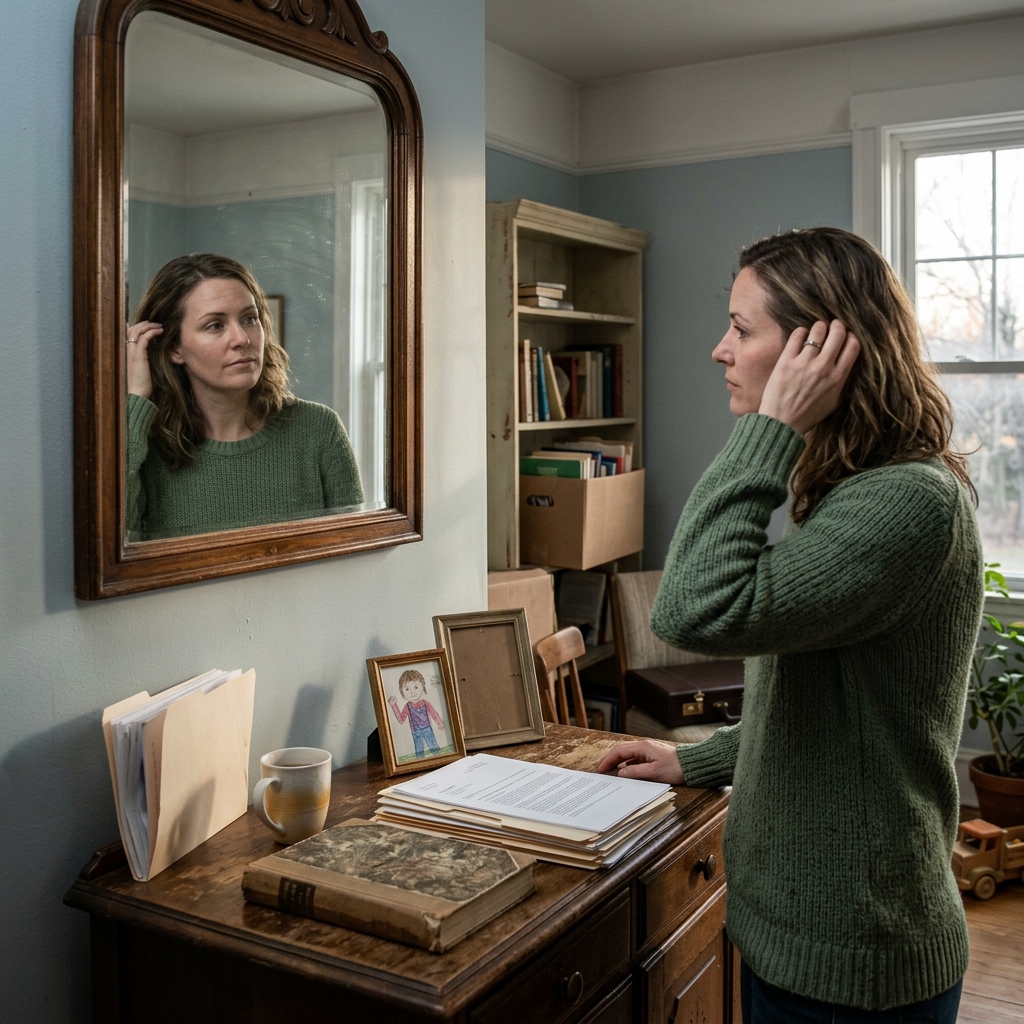
When a marriage breaks down, one of the most urgent questions is what happens to the family home. Can you stay? Can your spouse make you leave? Does moving out mean you lose your rights? Understanding how courts deal with occupancy and ownership during divorce will help you protect your safety, your finances, and your long‑term property interests.
This guide explains how
occupancy
of the home is handled while a divorce is pending, how that differs fromownership
, and what factors judges consider when deciding who may live in the home until the case is resolved.Occupancy vs. Ownership: Two Separate Legal Questions
It is essential to distinguish between the right to live in the home and the right to own the home. Courts often decide these questions at different stages of a divorce.
- Occupancy: Who has the legal right to live in the home while the divorce is pending or in temporary orders.
- Ownership: Who ultimately receives the home, or its value, when the court divides marital property at the end of the case.
In many jurisdictions, both spouses have an equal right to occupy the marital home during the marriage, even if only one spouse’s name appears on the deed or lease. A court may later award temporary exclusive occupancy to one spouse for safety or stability reasons, but that does not decide who will ultimately own the property.
Why Title Usually Does Not Control Occupancy
People often assume that the spouse whose name is on the deed can simply force the other spouse to leave. In modern family law, that is rarely true.
- Courts focus on the nature of the property (marital vs. separate) and fairness, not just whose name is on the title.
- Even where the home is legally titled to one spouse, the other spouse may have occupancy rights during the marriage and divorce proceedings.
- Exclusive occupancy is generally granted by a judge, not by unilateral action of either spouse.
As a result, you usually cannot change the locks and exclude your spouse without a court order, and your spouse ordinarily cannot do that to you either.
Can You Legally Stay in the House During Divorce?
In most cases, you are legally allowed to remain in the marital home until a court orders otherwise. Courts strongly prefer that disputes over housing be handled through legal process rather than self‑help.
General Rules About Staying in the Home
- During the marriage: Both spouses typically have a right to occupy the marital home, especially if it is considered marital or community property.
- After filing for divorce: Many states issue automatic or temporary orders that prevent either spouse from excluding the other from the current primary residence without a court order.
- Absent a court order: You usually may stay in the home, and leaving temporarily does not automatically waive your property rights.
However, if there is domestic violence, harassment, or serious conflict, a court may order one spouse to leave and grant the other spouse exclusive occupancy for safety reasons.
Temporary Orders Controlling Use of the Home
Courts routinely issue temporary orders early in a divorce to stabilize living arrangements. These orders may:
- Specify which spouse may live in the home pending the final decision.
- Assign responsibility for mortgage or rent payments and utilities while the case is ongoing.
- Restrict both spouses from removing furnishings or selling the property without permission.
Without such orders, both spouses typically retain equal access to the home, which can fuel conflict. Temporary occupancy orders are intended to reduce that conflict and protect children and vulnerable parties.
Exclusive Occupancy: Forcing One Spouse to Move Out
Sometimes living together is no longer safe or workable, and one spouse asks the court for exclusive occupancy of the home. This is a specific type of order that gives one spouse the sole right to live in the home and legally bars the other spouse from residing there.
What Exclusive Occupancy Means
In most jurisdictions, an exclusive occupancy order:
- Allows one spouse to use and occupy the home without interference from the other spouse.
- Prohibits the excluded spouse from living in the home, and often from entering it without permission.
- Does not necessarily require the occupying spouse to remain there; it simply excludes the other spouse from occupancy.
- Frequently makes the occupying spouse responsible for ongoing housing costs unless the court orders otherwise.
Exclusive occupancy orders are typically temporary and do not resolve the ultimate division of the property.
Grounds for Exclusive Occupancy
Courts do not grant exclusive occupancy merely because spouses argue or feel uncomfortable. Valid reasons often include:
- Documented or credible threats of physical abuse or domestic violence.
- Serious emotional or psychological abuse or harassment that makes cohabitation unsafe or intolerable.
- Substance abuse or other behavior that jeopardizes children’s welfare.
- Extreme conflict that undermines children’s stability and routine.
Judges weigh these safety and welfare concerns carefully. Everyday disagreements, hurt feelings, or a desire for privacy are usually not enough to justify forcing a spouse out.
How Courts Decide Exclusive Occupancy Requests
When one spouse petitions for sole occupancy, courts often consider a mix of legal and practical factors:
| Factor | How It Influences the Decision |
|---|---|
| Safety and abuse | Evidence of domestic violence or threats strongly favors exclusive occupancy to protect the victim and any children. |
| Children’s needs | Courts often keep children in a familiar home with the primary caregiver to preserve stability. |
| Financial circumstances | Judges consider who can afford to maintain the home, and who has alternative housing options. |
| Ownership and property character | Whether the home is community or separate property can matter for long‑term division, but not necessarily for temporary occupancy. |
| History of residence | How long each spouse has lived in the home and who has been the primary occupant may be relevant. |
Courts may hold a full hearing with testimony and evidence before granting an exclusive occupancy order, especially if the request is contested.
Does Moving Out Hurt Your Legal Rights?
A frequent concern is whether leaving the marital home during divorce means you are “abandoning” your property rights. In most cases, the answer is no.
Effect of Moving Out on Ownership
- Temporarily moving out does
not
automatically cause you to lose your ownership interest in the property. - Courts divide property based on its marital or community character and fairness factors, not solely on who remained in the home.
- The equity in the property is typically divided between spouses, or one spouse may buy out the other’s share.
However, leaving the home can affect practical outcomes: if one spouse lives there with the children for a long period under temporary orders, a judge may later decide that keeping that arrangement is the least disruptive option.
Potential Risks of Moving Out
While your legal ownership is usually preserved, moving out can create other complications:
- You may need to secure new housing and pay separate rent, while still being partly responsible for the marital home’s mortgage or costs.
- Your absence may influence custody and parenting‑time negotiations if children remain primarily in the home with the other parent.
- Over time, the spouse staying in the home may be perceived as the one most closely connected to the property, particularly if they maintain it and bear more costs.
Because of these effects, it is wise to speak with a family law attorney before deciding to leave the home, especially if you anticipate disputes over custody or property.
How Courts Eventually Divide the House
Final decisions about who owns the home, or how its value is split, are made when the court divides marital property at the end of the divorce. Many states follow an equitable distribution approach, and some, like Washington, use a community property framework.
Community vs. Separate Property
In community property states, assets and debts acquired during the marriage are generally treated as jointly owned community property, regardless of whose name is on the title.
- Community property: Typically includes wages, real estate, and other assets acquired during the marriage.
- Separate property: Often includes assets owned before marriage or acquired by gift or inheritance.
- Courts presume property acquired during marriage is community unless a spouse proves it traces back to separate property.
Regardless of the system, judges consider statutory factors, such as the nature and extent of community and separate property, the duration of the marriage, and each spouse’s economic circumstances when making an equitable division.
Options for Distributing the Home
There are several ways courts and parties typically handle the marital home in a final settlement:
- One spouse keeps the home: The spouse who keeps the home may refinance the mortgage and buy out the other spouse’s share of equity.
- Sell the home: The parties may be ordered to sell the property and divide the proceeds according to the court’s allocation.
- Deferred sale: In some cases, especially with minor children, the court may allow one spouse to live in the home for a set period before sale.
- Offsetting assets: A spouse who keeps the home may receive fewer other assets (like savings or retirement funds) to balance the division.
Importantly, even if the court cannot formally transfer title from one spouse to another in some jurisdictions, it can award money or other property to compensate for the value of the home.
Practical Tips If You Want to Stay in the Home
If your goal is to remain in the home during and after the divorce, consider these practical steps:
- Document your role in maintaining the house (paying mortgage, utilities, repairs), which may be relevant when the court assesses fairness.
- Prioritize safety: If there is any risk of abuse, talk to a lawyer or advocate about protection orders and exclusive occupancy.
- Consider your finances: Be realistic about whether you can afford the mortgage, taxes, and upkeep on a single income.
- Avoid unilateral actions: Do not change locks, remove your spouse’s belongings, or bar access without a court order, as this can backfire legally.
- Negotiate when possible: Many couples reach agreements about temporary occupancy without a contested hearing, which can save time and money.
Successful outcomes often involve a combination of legal strategy, financial planning, and clear communication with your attorney.
Frequently Asked Questions
Can my spouse legally force me to leave our house during divorce?
Generally, no. In most jurisdictions, one spouse cannot simply demand that the other move out or change the locks without a court order. Both spouses usually have equal rights to occupy the marital home until a judge issues temporary orders or an exclusive occupancy order.
If I move out, do I lose my share of the house?
Moving out typically does not cause you to lose your ownership or equity in the home. Courts determine division based on marital or community property rules and fairness factors, not just physical presence. However, leaving can influence practical outcomes, especially regarding children and long‑term living arrangements.
What does “exclusive use and occupancy” mean?
Exclusive use and occupancy means that one spouse is granted the sole legal right to live in and use the home, and the other spouse is excluded from residing there. The occupying spouse may still choose to live elsewhere, but the excluded spouse cannot occupy the dwelling. These orders are usually temporary and often come with responsibility for housing costs.
Who pays the mortgage if only one spouse stays in the home?
Courts may order the occupying spouse, the other spouse, or both to contribute to mortgage and housing costs, depending on their incomes and overall financial circumstances. In many cases, both spouses remain liable on a joint mortgage until it is refinanced or paid off, regardless of who lives in the home.
Can the court give me the right to stay if my name is not on the title?
Yes. Even if your name is not on the deed or lease, courts can grant you exclusive occupancy of the marital home when safety or fairness requires it. Title is only one factor among many; judges focus on the property’s marital character and the needs of the parties and children.
What if we cannot agree on who stays in the house?
If negotiations fail, either spouse can ask the court to decide. A judge may issue temporary orders assigning occupancy, and later make a final decision about ownership and division of equity. It is often helpful to gather evidence about safety, finances, and the children’s needs before filing such a request.
References
- RCW 26.09.080 – Disposition of property and liabilities — Washington State Legislature. 2020-03-25. https://app.leg.wa.gov/rcw/default.aspx?cite=26.09.080
- The Family Home and Other Real Estate in Washington State Divorce — Pacific Northwest Family Law. 2023-04-10. https://pnwfamilylaw.com/divorce/the-family-home/
- Community Property in Washington State Divorces — Genesis Law Firm. 2022-09-15. https://www.genesislawfirm.com/community-property-wa-divorces
- Community Property and Divorce in Seattle and King County — Washington State Attorneys. 2022-06-01. https://www.washingtonstateattorneys.com/seattle/seattle-practice-areas/family-law-in-seattle/community-property-and-divorce-in-seattle-and-king-county-what-y/
- Obtaining Exclusive Possession of Your Home During Divorce — Connecticut Family Law (Freed Marcroft). 2021-11-05. https://ctfamilylaw.com/blog/can-you-get-exclusive-posession-of-your-home-during-your-divorce/
- Marital Home Exclusive Occupancy — Rusk, Wadlin, Heppner & Martuscello, LLP. 2020-08-20. https://www.rwhm.com/are-you-entitled-to-exclusive-occupancy-of-the-marital-home/
- Property Disposition in Divorce — Maryland People’s Law Library. 2019-04-01. https://www.peoples-law.org/property-disposition-divorce
Similar Articles








Read full bio of Sneha Tete


