
Smart Ways to Reduce Speeding Ticket Risk
Practical summer road trip habits that help drivers stay legal, calm, and safer on the highway.
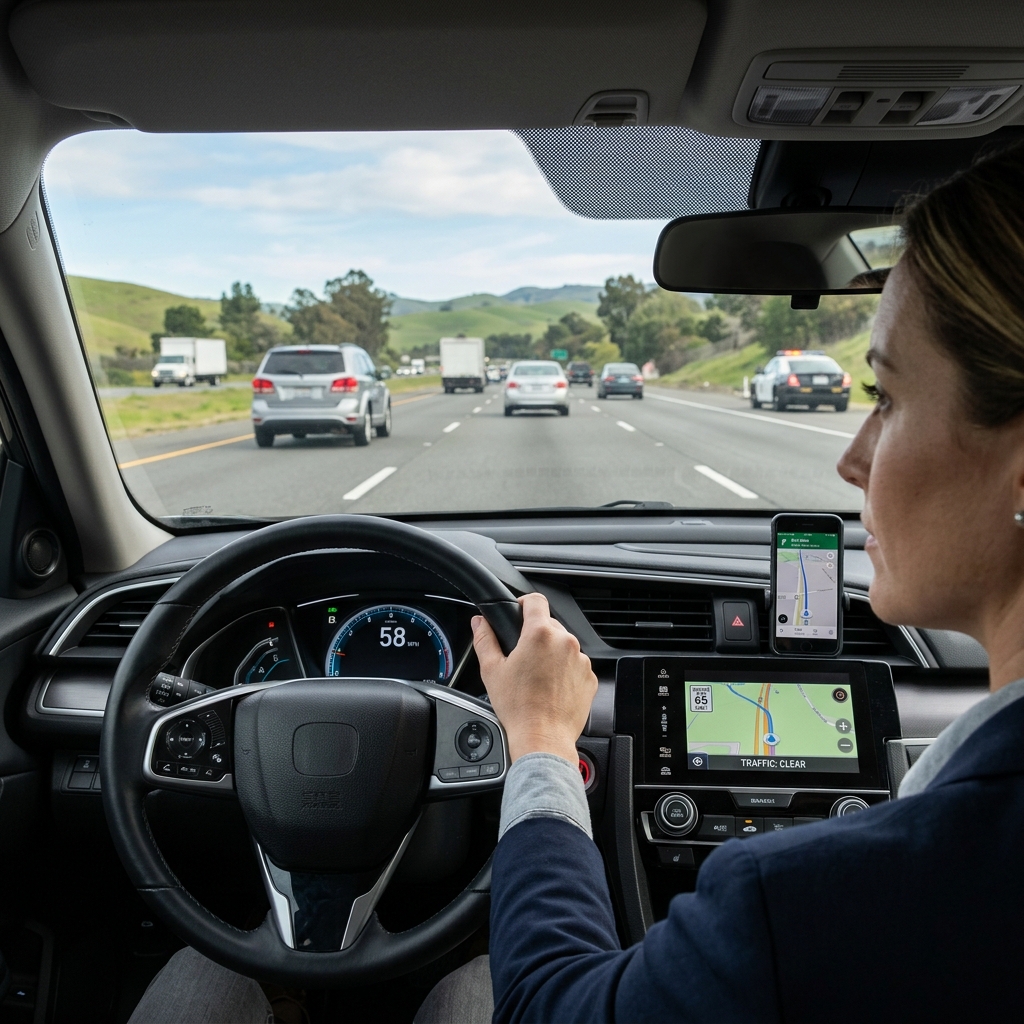
Summer road trips often mean long stretches of highway, changing traffic patterns, and a greater chance of seeing police patrols. The best way to avoid a speeding ticket is also the safest way to travel: plan ahead, drive predictably, and keep your speed under control. National Highway Traffic Safety Administration guidance emphasizes obeying posted limits, avoiding distraction, and giving yourself enough time to travel without rushing.
This article explains how drivers can lower the chance of being stopped for speeding without relying on gimmicks or risky habits. The focus is on practical, legal, and safety-centered choices that make sense on any trip.
Why speeding tickets happen so often on road trips
Long-distance travel changes driver behavior. People may become more relaxed after leaving familiar roads, follow traffic flow too closely, or speed up on open highways where the limit feels low for the road conditions. That combination creates risk. Speeding also becomes more noticeable when a vehicle stands out from surrounding traffic, such as by being much faster than nearby cars or by making sudden lane changes.
Ticket risk tends to increase when drivers are tired, distracted, or trying to make up time. On vacation, those pressures are common. A good strategy is to remove the pressure before the trip starts by building extra time into the schedule and planning rest breaks in advance.
Start with a route and a realistic schedule
The simplest way to avoid speeding is to stop treating the trip like a race. A clear route and a realistic arrival window reduce the urge to drive faster than conditions allow. Defensive driving guidance recommends planning the trip ahead of time, reviewing directions before leaving, and allowing plenty of time to reach the destination safely.
If the schedule is too tight, the driver is more likely to speed after delays, traffic jams, or unexpected construction. A safer plan includes:
- extra time for traffic and weather delays
- planned stops for food, fuel, and stretching
- backup options in case of closures or detours
- rest periods if the drive is especially long
Those steps do more than protect against tickets. They also reduce fatigue, which is one of the most common reasons drivers lose judgment on long trips.
Let the speed limit, not the crowd, set your pace
Traffic flow can influence driver behavior, but the number of cars around you does not change the law. Some drivers keep pace with surrounding vehicles to blend in, but that approach still becomes risky when the whole group is moving too fast. A better habit is to use traffic as a visual reference while still staying close to the posted limit.
When the road is busy, follow the general flow without becoming the fastest vehicle in the pack. When the road opens up, resist the temptation to accelerate simply because there is more room. Drivers standing out as the quickest vehicle on the road are more likely to attract attention.
| Driving choice | Effect on ticket risk | Better alternative |
|---|---|---|
| Chasing the fastest car | Raises visibility and attention | Hold a steady, lawful pace |
| Sudden acceleration on open stretches | Creates a noticeable speed differential | Use cruise control where appropriate |
| Weaving to keep up with traffic | Looks aggressive and unsafe | Maintain lane discipline |
Drive smoothly so you do not stand out
Police officers do not look only at speed. Erratic driving can also draw attention. Sudden lane changes, tailgating, hard braking, and rapid accelerations all make a vehicle more noticeable and create safety hazards. Smooth driving tends to reduce both risk and stress.
That means using turn signals early, keeping a safe following distance, and passing only when needed. It also means avoiding unnecessary lane hopping in an effort to save a few seconds. On a summer road trip, small gains in travel time usually are not worth the added attention or crash risk.
Think of steady driving as a visibility strategy. A car that moves predictably in traffic is less likely to attract notice than one that appears impatient or erratic.
Pay attention to places where enforcement is more likely
Drivers do not need to guess exactly where police are positioned to improve their odds. Certain roadway features commonly make enforcement easier, including hills, curves, medians, overpasses, merge areas, and stretches with limited sight lines. These areas can conceal a patrol vehicle and also make speeding easier to detect because traffic tends to change speed unevenly.
The right response is not to memorize every possible hiding place. Instead, use the road itself as a cue to slow down when visibility drops or when a speed limit changes unexpectedly. That habit helps in many situations, including construction zones and areas with heavy local traffic.
If you see a sudden drop in the speed limit, treat it seriously. Speed traps are often most effective where drivers assume the road can safely support a higher pace.
Use lane choice as part of a defensive strategy
Lane selection can affect both safety and visibility. On many highways, staying in a middle lane when traffic is flowing well can reduce the need for constant passing and lane changes. It can also keep a driver away from the edge of traffic where patrol vehicles or merging cars may be more concentrated.
That said, lane choice should never override local rules or road markings. The goal is not to game the system. The goal is to minimize unnecessary movement and stay in a lane that matches your speed and the flow of traffic. If you are traveling slower than surrounding vehicles, use the appropriate lane for that traffic pattern and avoid obstructing others.
Good lane discipline sends a clear message: you are focused on driving, not on rushing.
Do not drive like you are trying to beat the clock
Many speeding tickets begin with a simple decision to “make up time.” That decision usually leads to more risk than benefit. National safety guidance recommends driving sober, avoiding distraction, and giving yourself enough time so there is no pressure to rush.
A trip becomes more manageable when the driver builds in time for:
- traffic slowdowns
- fuel stops
- meal breaks
- fatigue management
- weather changes
These pauses are not wasted time. They help keep attention sharp and reduce the urge to speed late in the trip. If the drive is long enough that exhaustion becomes a concern, switching drivers or staying overnight may be the safer option.
Keep the vehicle in condition to avoid unnecessary attention
While a ticket for speeding is about speed, vehicle condition still matters. A poorly maintained car can create the kind of attention that leads to a stop for a different reason. NHTSA recommends checking tires, lights, and basic safety gear before a summer trip, and suggests carrying an emergency roadside kit.
At a minimum, drivers should make sure the vehicle is ready for highway travel:
- tires inflated to the recommended pressure
- lights and signals working correctly
- wipers and fluid levels checked
- brakes and steering in good condition
- emergency supplies packed
A clean, properly maintained vehicle is not a shield against enforcement, but it reduces the chance of being pulled over for preventable equipment problems. That keeps the focus on safe driving rather than roadside troubleshooting.
Remember that technology has limits
Some drivers rely on navigation apps or in-car driver assistance features, but those tools are not a substitute for judgment. NHTSA advises drivers to understand their vehicle’s safety technology and to review the owner’s manual so they know how the systems work. That advice matters on road trips, where unfamiliar roads and long hours can lead to overconfidence in technology.
Navigation tools can help with routing and timing, but they do not change speed limits or road conditions. If a system suggests a route that feels unsafe, or if traffic conditions demand slower travel, the driver still needs to make the final decision.
Habits that reduce ticket risk and improve safety
The habits that help avoid speeding tickets are usually the same habits that reduce crash risk. That overlap is important. The safest approach is not to search for loopholes but to make driving calmer and more predictable.
| Helpful habit | Why it matters |
|---|---|
| Leave early | Reduces pressure to speed |
| Keep a steady pace | Lowers attention from law enforcement |
| Avoid aggressive passing | Improves safety and road manners |
| Take breaks | Prevents fatigue and bad decisions |
| Watch speed-limit changes | Prevents accidental violations |
These habits are not complicated, but they require intention. The longer the trip, the more valuable they become.
Frequently asked questions
Can cruise control help reduce speeding tickets?
Yes, on open highways it can help drivers maintain a steady speed and avoid creeping above the limit. It should be used only when traffic and road conditions make it appropriate.
Is blending in with traffic enough to avoid a ticket?
No. Traffic flow can help a driver look less conspicuous, but it does not legalize speeding. The safest approach is to stay close to the posted limit and avoid being the fastest car on the road.
Are road trips safer if I drive late at night?
Sometimes roads are less crowded late at night, but fatigue risk can be higher. Safety guidance emphasizes avoiding drowsy driving and taking breaks when needed.
What should I do if the speed limit changes suddenly?
Slow down promptly and smoothly. Sudden changes in speed limits are often placed where enforcement or safety concerns are greater, such as near towns, work zones, or areas with reduced visibility.
Do police only stop people who are wildly speeding?
No. Even moderate speeding can lead to a stop, especially when combined with risky behavior such as weaving, tailgating, or being the fastest vehicle in the area.
Build a trip plan that makes speeding unnecessary
The most reliable way to avoid a speeding ticket is to remove the reason to speed. That means starting early, knowing the route, respecting the limit, and staying alert to changes in traffic and road design. Summer driving should feel calm, not hurried.
A well-planned road trip gives you more control over the day and less incentive to push the speedometer. In practice, that is what keeps drivers safer and less likely to see flashing lights in the mirror.
References
- Ten Ways to Avoid a Speeding Ticket — AutoWeb. Unknown date. https://www.autoweb.com/ten-ways-to-avoid-a-speeding-ticket
- How do you avoid getting caught for speeding? — Reddit. 2014-08-02. https://www.reddit.com/r/cars/comments/2be5nk/how_do_you_avoid_getting_caught_for_speeding/
- No More Speeding Tickets: Reduce Your Risk with These Tips — The Quest for Awesome. Unknown date. https://www.thequestforawesome.com/no-more-speeding-tickets-reduce-your-risk-with-these-tips/
- Ten Ways to Avoid a Speeding Ticket — LV Traffic Ticket Guy. Unknown date. https://www.lvtrafficticketguy.com/ten-ways-to-avoid-a-speeding-ticket
- 7 Tips for Planning a Safe and Successful Summer Road Trip — Defensive Driving. Unknown date. https://www.defensivedriving.com/blog/7-tips-for-planning-a-safe-and-successful-summer-road-trip/
- Summer Driving & Road Trip Tips — National Highway Traffic Safety Administration. Unknown date. https://www.nhtsa.gov/summer-driving-tips
Similar Articles








Read full bio of Sneha Tete


