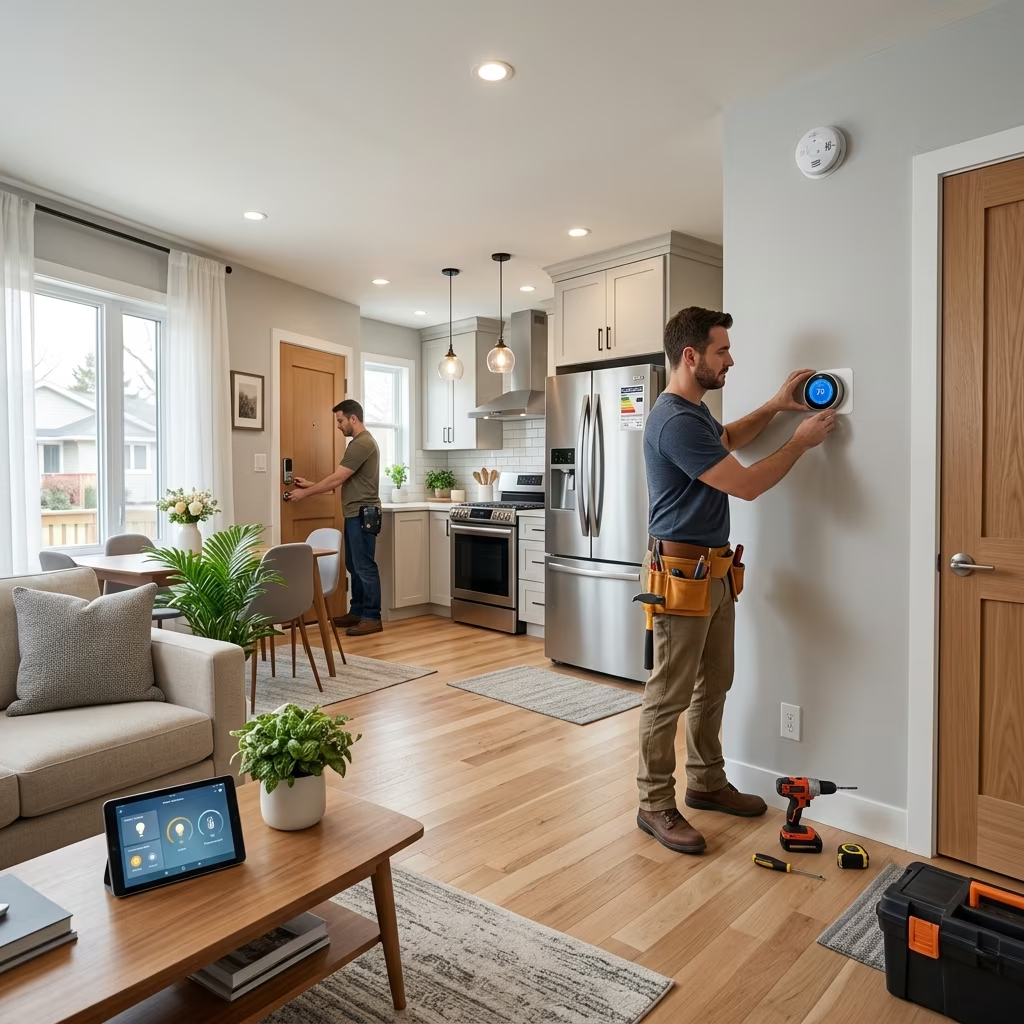
Selling a rental property is different from selling an owner-occupied home. Buyers are not just evaluating style; they are also judging condition, maintenance, and the likelihood of future expenses. The best pre-sale improvements are the ones that reduce visible flaws, improve first impressions, and make the property easier to finance, inspect, and close.
That does not mean every rental needs a full remodel. In many cases, the smartest strategy is to concentrate on repairs that protect value, then make a few selective updates that help the home look clean, cared for, and move-in ready. Well-chosen improvements can also reduce buyer skepticism, limit negotiation over credits, and shorten time on market.
Start with the problems buyers will notice first
Before thinking about cosmetic changes, inspect the property the way a buyer would. Focus on anything that feels neglected, damaged, unsafe, or costly to fix later. Even a property with solid bones can lose momentum if it presents as poorly maintained.
The first category to address is the set of issues that can create immediate concern during showings or inspections. These often include leaks, cracked surfaces, broken fixtures, poor lighting, damaged flooring, and signs of deferred maintenance. In a rental, those details matter because buyers may assume they will inherit broader management problems if the visible ones have been ignored.
- Repair plumbing leaks and moisture problems.
- Replace damaged electrical faceplates, outlets, or switches.
- Fix broken windows, doors, locks, and weatherstripping.
- Patch holes, fill cracks, and touch up worn trim.
- Remove stains, odors, and other evidence of heavy use.
Make the exterior feel cared for
Buyers form an opinion before they ever step inside. The outside of the property signals how well it has been maintained, and a tidy exterior can make the entire listing feel more valuable. For a rental, this is especially important because many buyers will assume the interior has also been kept with similar discipline if the curb appeal is strong.
Exterior work does not have to be expensive to be effective. The key is to create a clean, orderly appearance that suggests the property is ready for a new owner. That usually means basic landscaping, simple repairs, and a fresh, neutral look where paint or surfaces are worn.
- Mow the lawn, edge walkways, and trim shrubs and trees.
- Remove debris, weeds, trash, and anything that makes the property look untended.
- Repaint faded trim, doors, or siding where needed.
- Refresh front entry details such as house numbers, lighting, and hardware.
- Repair cracked walkways, loose steps, or damaged railings.
Use paint to reset the mood of the property
Few improvements deliver as much visual impact for the cost as paint. Neutral colors help buyers imagine the home as their own and make rooms feel brighter, cleaner, and larger. For a rental, paint also helps erase the signs of tenant turnover, scuffs, patch jobs, and mismatched repairs.
Neutral does not have to mean plain or cold. Warm whites, light grays, and soft beige tones usually work well because they make the property feel fresh without drawing attention to the walls. The goal is not to express a design style; it is to create a background that supports the rest of the home.
- Paint high-traffic walls that show marks or wear.
- Use a consistent palette across main living spaces.
- Refresh ceilings, trim, and baseboards if they are dingy or stained.
- Match touch-ups carefully so the home does not look patched.
Upgrade the finishes people touch every day
Small finish updates can make an older rental feel more intentional without requiring a full renovation. Buyers notice details like cabinet pulls, faucets, light fixtures, and door hardware because they interact with them constantly. When these pieces look dated, worn, or inconsistent, the whole property can feel lower in quality than it really is.
This is one of the most efficient places to spend modest dollars. Simple replacements can modernize the home while signaling that the property has been maintained rather than merely occupied.
- Replace cabinet and drawer hardware with clean, consistent finishes.
- Swap outdated faucets for newer, functional models.
- Update light fixtures in kitchens, hallways, bathrooms, and entry areas.
- Install new door handles or locks where old hardware is visibly worn.
- Replace damaged blinds or mismatched window coverings.
Choose flooring repairs carefully
Flooring has a large influence on how buyers perceive both cleanliness and value. In a rental, floors often absorb the most wear, so damaged or inconsistent flooring can quickly make the property feel dated. At the same time, a full flooring replacement is not always necessary. The right move depends on how much visible damage exists and whether the current material can be cleaned, repaired, or partially replaced.
If the existing flooring is in reasonably good condition, targeted repairs may be enough. If rooms have mismatched patches, deep stains, or obvious damage from water or heavy use, replacement may provide a better return because it helps the entire property feel more cohesive.
- Repair small damaged areas instead of replacing entire rooms where possible.
- Use consistent flooring materials across main living areas if feasible.
- Refinish hardwood floors when the surface is worn but salvageable.
- Replace badly stained carpet with a cleaner, more durable option.
Focus kitchen updates on simplicity and function
The kitchen often influences a buyer’s overall impression more than any other room. A rental kitchen does not need luxury upgrades to be marketable, but it should feel functional, clean, and reliable. Buyers usually pay attention to surfaces, storage, lighting, and whether appliances and fixtures appear ready for regular use.
Instead of pursuing a full gut renovation, prioritize visible improvements that make the room feel more polished. Cabinet refreshes, better lighting, clean countertops, and updated hardware can create a strong impression without taking on the cost and delay of major construction.
- Paint or refinish tired cabinets if the boxes are still solid.
- Replace cabinet hardware for a more uniform look.
- Repair or replace damaged counters if they are visibly worn.
- Upgrade the faucet and sink accessories if they are outdated.
- Improve lighting so the room feels brighter and more usable.
Bathroom improvements should target cleanliness and wear
Bathrooms are small, but they reveal a lot about how a property has been maintained. Grout, caulk, fixtures, and ventilation all influence whether the room feels fresh or neglected. Buyers are quick to notice signs of moisture damage, staining, loose hardware, or outdated surfaces that suggest future work.
A bathroom renovation is most effective when it solves obvious issues without over-customizing the space. If the layout works, focus on surfaces and fixtures that create a better sense of cleanliness and function.
- Re-caulk tubs, showers, sinks, and tile joints where needed.
- Replace stained grout or repair cracked tile.
- Update the vanity, mirror, or lighting if they look worn.
- Install a modern showerhead, faucet, or toilet seat when appropriate.
- Improve ventilation to reduce odors and moisture buildup.
Do not ignore major systems and safety issues
Cosmetic changes matter, but they do not replace the need to address structural and mechanical problems. If a buyer finds concerns in the roof, plumbing, electrical system, or foundation, the deal can become more complicated very quickly. These are the issues that tend to affect financing, inspections, and final negotiations.
For that reason, it is usually wiser to handle serious problems before listing the property rather than hoping a buyer will overlook them. Even if a major repair is not visible during a showing, the issue may surface later and reduce leverage for the seller.
- Repair active roof leaks or damaged shingles.
- Address foundation movement, cracking, or drainage problems.
- Fix electrical hazards, faulty wiring, or broken outlets.
- Resolve plumbing leaks, weak water pressure, or drainage issues.
- Correct any safety concern that could trigger a buyer objection.
Decide when a repair is enough and when replacement is smarter
Not every worn feature should be replaced before sale. In some cases, a repair is enough to improve presentation and preserve your budget. In other cases, repeated patching can look worse than a single clean replacement. The right call depends on condition, cost, and how likely the feature is to be questioned during inspection.
As a practical rule, repair items that are still structurally sound and replace items that are visibly failing, unsafe, or likely to cause repeated negotiations. Buyers are usually more forgiving of dated finishes than of systems that appear unreliable.
| Situation | Better approach | Why it matters |
|---|---|---|
| Minor cosmetic wear | Repair or refresh | Improves appearance without overspending |
| Visible damage in a high-use area | Replace selectively | Prevents the home from feeling neglected |
| Safety or structural problem | Fix before listing | Reduces inspection and financing risk |
| Old but working feature | Usually leave in place | Buyers may prefer to choose their own replacement later |
Plan the work around budget, timing, and market expectations
The best pre-sale plan balances money, speed, and return. A rental property that needs months of work may not make sense to fully renovate if the local market does not reward those upgrades. In a strong market, lighter updates may be enough. In a slower market, improving presentation can help the listing stand out and reduce days on market.
It can help to think in three layers. First, complete repairs that protect safety and saleability. Second, make the low-cost improvements that improve appearance. Third, consider larger projects only if the market and expected sale price justify the expense.
- Set a realistic budget before work begins.
- Request contractor estimates for larger repairs.
- Compare the cost of upgrades to likely buyer reactions in your area.
- Leave enough time for painting, cleaning, and inspection follow-up.
Frequently asked questions
What repairs matter most before selling a rental?
The most important repairs are the ones tied to safety, function, and obvious wear. Roof leaks, plumbing issues, electrical hazards, damaged flooring, and visible exterior neglect usually deserve priority because buyers notice them quickly and inspectors often flag them.
Should I fully remodel the kitchen or bathroom?
Usually not. Many sellers get better results from focused updates such as paint, hardware, lighting, faucets, and surface repairs. A full remodel may make sense only if the room is severely outdated or so damaged that smaller repairs would not create a coherent result.
Is curb appeal really worth the effort for a rental?
Yes. A tidy yard, clean entry, and fresh exterior details help buyers assume the interior has been maintained as well. Small exterior improvements often deliver strong visual impact for relatively little cost.
What should I avoid spending money on?
Avoid overly personal design choices, luxury finishes that do not fit the neighborhood, and expensive upgrades that do not solve a real problem. If a feature is functional and buyers are unlikely to view it as a defect, it may be better to leave it alone.
How do I know if a repair is enough?
If the item can be restored to clean, safe, working condition without creating a patchy or obvious temporary fix, repair may be enough. If the result will still look broken, uneven, or unreliable, replacement is often the better path.
References
- Best Rental Property Upgrades To Make Before Selling — Rocket Lawyer. 2026-07-10. https://www.rocketlawyer.com/real-estate/home-ownership/buy-or-sell-property/legal-guide/make-these-upgrades-and-repairs-before-selling-your-rental-property
- What to Fix Before Selling a House (And What Not To) — Opendoor. 2026-07-10. https://www.opendoor.com/articles/things-to-repair-before-selling-a-house
- Your Guide to Selling a House That Needs Repairs — Redfin. 2026-07-10. https://www.redfin.com/blog/selling-house-that-needs-repairs/
- 7 Best Renovations for Your Rental Property — Dumpsters.com. 2026-07-10. https://www.dumpsters.com/blog/renovating-a-rental-property