
Landlord Liability for Indoor Air and Temperature
Understand when landlords are legally responsible for indoor air quality and dangerous temperatures, and how to manage these risks.
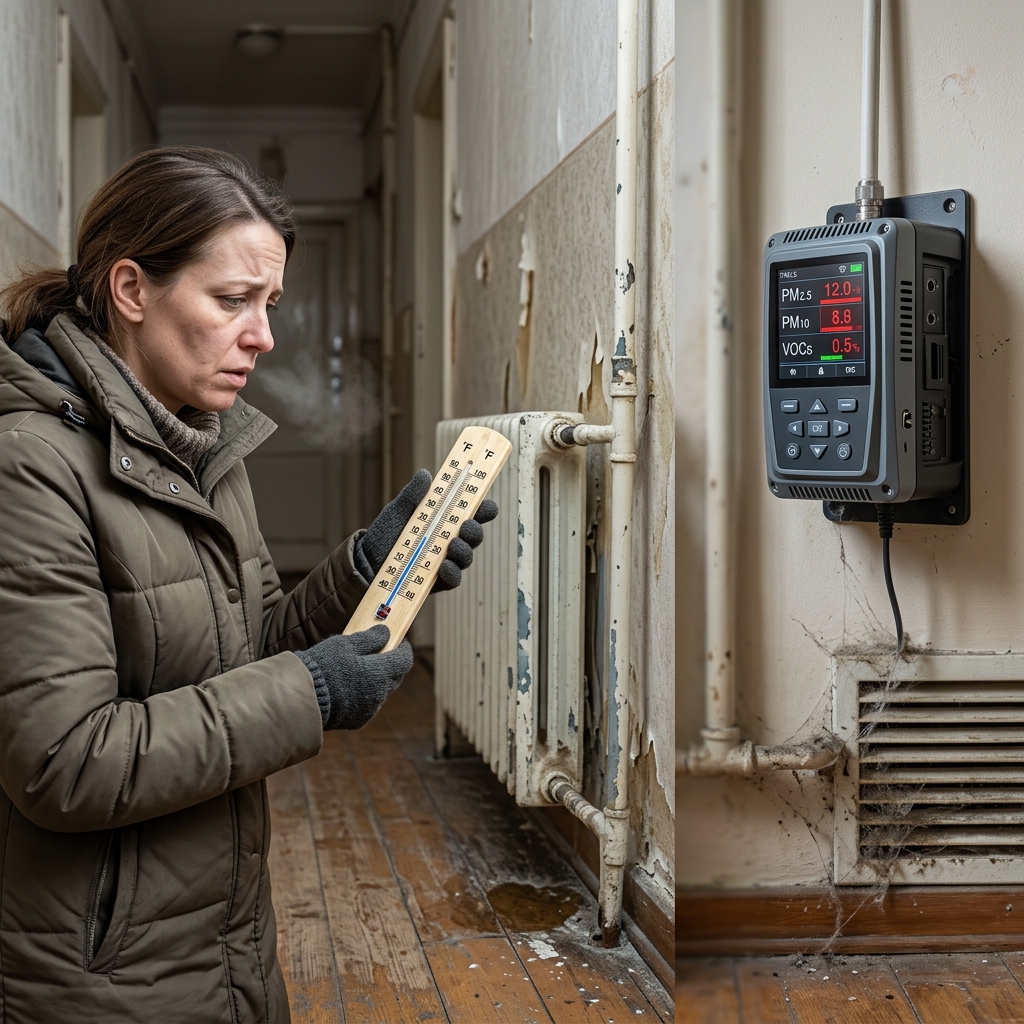
Indoor air quality and indoor temperatures are increasingly recognized as critical health and safety issues in rental housing. While tenants often assume landlords are fully responsible for comfort and climate inside a home, the legal reality is more nuanced. Landlords generally must provide safe, habitable housing, but their duties around air quality and temperature depend on local laws, lease terms, and specific circumstances.
What “Habitability” Means for Landlords
Most jurisdictions require landlords to provide premises that meet basic standards of habitability, often defined in state or local housing or sanitary codes. These standards commonly focus on health and safety rather than comfort alone.
Although the details vary, habitability rules typically expect landlords to ensure:
- Structural safety (sound walls, floors, ceilings)
- Protection against the elements (adequate weatherproofing)
- Safe water, heating, and electrical systems
- Reasonable protection from hazards such as lead paint, mold, and pests
Indoor air quality and temperature intersect with habitability when conditions are so poor that they threaten health or make the unit objectively unsafe. For example, a heating system that fails in a cold climate or chronic mold growth that affects breathing can cross the line from discomfort into legal non-compliance.
Indoor Air Quality: What Landlords Are Typically Expected to Do
Indoor air quality (IAQ) refers to the quality of air inside and around buildings, as it affects the health and comfort of occupants. IAQ problems can arise from pollutants generated indoors, pollutants entering from outdoors, or inadequate ventilation.
Common Indoor Air Pollutants in Rentals
Several sources frequently appear in rental housing and can raise legal concerns if not reasonably addressed:
- Mold and dampness from leaks, poor drainage, or insufficient ventilation
- Lead-based paint in older buildings, especially when deteriorating or disturbed
- Radon gas entering through soil and foundation cracks
- Secondhand smoke and other combustion byproducts
- Formaldehyde and other volatile organic compounds (VOCs) from building materials and furnishings
- Pesticides and pests, which can cause both chemical and biological exposure
Regulations tend to be strongest for contaminants like lead, asbestos, and carbon monoxide, where specific laws or codes impose clear obligations on landlords to disclose, monitor, or remediate hazards in defined situations.
General Legal Duty Around Air Quality
Even when no explicit air-quality statute applies, landlords usually owe tenants a reasonable duty of care to maintain a safe environment. This duty can give rise to liability when:
- The landlord has control over building systems or structural conditions.
- Health risks from poor indoor air are reasonably foreseeable.
- The landlord fails to take reasonable steps to prevent or correct problems after becoming aware of them.
Examples of reasonable steps may include:
- Responding promptly to tenant complaints about mold, odors, or fumes
- Repairing leaks and water intrusion that cause dampness
- Maintaining heating, ventilation, and air-conditioning (HVAC) systems, including changing filters regularly
- Ensuring windows can open, close, and seal properly where required by code
Landlords are generally not responsible for outdoor pollution beyond their control, such as smog or wildfire smoke, but they may need to ensure that buildings are reasonably sealed and systems are functioning so that indoor environments remain as safe as practicable.
Landlord Responsibility for Dangerous Temperatures
Temperature-related disputes often arise around extreme heat or cold inside rental units. Legal obligations depend heavily on climate and local requirements.
Heating Obligations
In cold climates, housing codes commonly require landlords to provide adequate heat to maintain a minimum indoor temperature during winter months. Failure to do so can render a unit uninhabitable and expose a landlord to:
- Code enforcement actions or fines
- Tenant remedies such as rent withholding, repair-and-deduct, or termination of the lease (constructive eviction)
- Potential civil liability if unsafe cold conditions cause injury or illness
Air Conditioning and Extreme Heat
In many regions, landlords are not legally required to provide air conditioning unless it is specifically promised in the lease or mandated by local ordinance.[10] However, as heatwaves become more severe, extreme indoor heat can raise habitability and negligence issues when:
- The building design or systems make units dangerously hot.
- The landlord fails to maintain existing cooling equipment promised in the lease.
- Vulnerable tenants (elderly, medically fragile) face foreseeable health risks from indoor temperatures.
Recent legal discussions highlight that extreme weather may be considered a foreseeable hazard, increasing expectations that landlords take reasonable measures, such as maintaining ventilation, operable windows, or existing cooling systems.
Temperature, Humidity, and Air Quality
Indoor temperature and humidity affect pollutant levels and biological growth. High heat and moisture can accelerate emission of chemicals like formaldehyde from materials and increase mold growth. Very low humidity may exacerbate respiratory symptoms or static-related risks.
A landlord who ignores chronic moisture problems or fails to repair systems that cause excessive indoor heat and humidity may face combined claims related to both air quality and temperature, especially if tenants experience documentable health impacts.
Legal Theories Tenants May Use
When poor indoor air or dangerous temperatures cause health or property damage, tenants (or other occupants) may pursue various legal claims.
| Legal Theory | Core Idea | Relevance to IAQ/Temperature |
|---|---|---|
| Negligence | Landlord owed a duty of care, breached it, and caused injury. | Failure to fix known mold, ventilation, or heating issues. |
| Breach of warranty of habitability | Rental failed to meet basic health and safety standards. | Severe IAQ or temperature problems making unit unfit. |
| Constructive eviction | Conditions are so bad the tenant must leave. | Persistent unsafe heat, cold, or pollution forcing abandonment. |
| Contract breach | Landlord did not deliver services promised in the lease. | Failure to maintain HVAC or AC explicitly included in rent. |
| Statutory/code violations | Non-compliance with housing, sanitary, or environmental laws. | Breaking specific rules on heating, lead, or mold remediation. |
Medical–legal analyses emphasize that successful claims often depend on proving that exposure to indoor hazards caused specific health outcomes, which can require expert evidence and documentation.
Landlord Best Practices to Reduce Risk
Proactive management of indoor air and temperature can significantly reduce legal exposure and improve tenant well-being. Many steps are relatively low-cost compared to the potential consequences of litigation or prolonged vacancies.
Planning and Maintenance
- Establish an indoor environment policy. Document expectations around ventilation, moisture control, smoking, and pet policies.
- Schedule routine inspections. Regularly check roofs, plumbing, windows, HVAC systems, and basements or crawlspaces for signs of leaks, mold, or poor airflow.
- Maintain HVAC and filters. Follow manufacturer recommendations for service; when unavailable, change filters at least every month or two during heavy use to limit dust and pollutants.
- Repair moisture sources promptly. Address leaks and condensation quickly to prevent mold and structural damage.
Managing Tenant Complaints
How landlords respond to complaints can influence both outcomes and liability.
- Document all complaints, including date, time, and description of the issue.
- Investigate promptly, starting with a walkthrough of the unit and relevant building systems.
- Communicate clearly with tenants about findings and next steps.
- Engage qualified experts (e.g., mold assessors, radon specialists, HVAC professionals) when risks are complex or serious.
Policies That Support Better Air and Temperature Control
- Smoking restrictions: Limiting or prohibiting smoking indoors reduces secondhand smoke and odor problems.
- Reasonable pet rules: Controlling pets can help with allergen and odor management, while still respecting fair housing requirements.
- Clear ventilation expectations: Encourage tenants to use exhaust fans, avoid blocking air vents, and report malfunctioning windows or fans promptly.
- Energy-efficient upgrades: Weatherstripping, insulation, and efficient HVAC can improve thermal comfort and help maintain stable temperatures.
Tenant Responsibilities and Cooperation
Tenants also influence IAQ and indoor temperature, and their actions can affect liability questions. Laws typically expect tenants to use premises reasonably and follow agreed rules.
- Using heaters and cooking appliances according to manufacturer instructions.
- Avoiding practices that generate excessive moisture, such as unvented drying or frequent long hot showers without ventilation.
- Keeping units reasonably clean to reduce dust, pest activity, and microbial growth.
- Promptly reporting leaks, broken windows, or malfunctioning heating and cooling systems.
- Following smoking and pet policies that affect air quality.
If tenants contribute to poor conditions or ignore reasonable instructions, this can complicate their ability to claim that landlords alone are responsible. However, landlords still need to respond reasonably when potential health hazards arise, regardless of fault.
Extreme Events: Wildfires, Heatwaves, and Other Emergencies
Natural disasters and extreme weather can significantly worsen indoor air quality and temperature. Wildfire smoke, heatwaves, and severe cold are generally outside a landlord’s control, but they may create new obligations under existing duties of care.
Wildfire Smoke and Outdoor Pollution
Wildfires can introduce fine particulate matter and toxic compounds into indoor spaces. While landlords are not liable for the external event itself, they may be expected to:
- Ensure doors and windows can close tightly to reduce smoke infiltration.
- Maintain HVAC systems and filters during high pollution periods.
- Address known leaks or gaps that allow excessive outdoor pollutants indoors.
Extreme Heat and Cold
As climate patterns change, courts and regulators increasingly consider how landlords manage foreseeable risks from extreme temperatures. This may include:
- Maintaining heating systems capable of meeting code-required minimum temperatures.
- Ensuring any installed cooling systems remain operational and are repaired within a reasonable time after breakdown.
- Providing information or assistance (where feasible) to high-risk tenants during severe weather, such as guidance on safe heater use and ventilation.
Failure to act reasonably in the face of known, ongoing hazards can increase exposure to negligence claims, particularly if injuries occur.
Frequently Asked Questions (FAQs)
1. Are landlords always responsible for indoor air quality?
No. Landlords generally have limited but important responsibility for indoor air quality. They are typically responsible for conditions under their control, such as building systems, structural defects, and code compliance, and for responding reasonably to tenant complaints, but not for every aspect of indoor air or outdoor pollution beyond their control.
2. Do landlords have to provide air conditioning?
In many areas, landlords are not legally required to install air conditioning unless local law or the lease specifically demands it.[10] However, if air conditioning is provided as part of the rental, landlords usually must maintain it in working order and repair issues in a reasonable timeframe.
3. Can tenants stop paying rent if the unit has mold or poor air quality?
Tenant remedies depend on local law. In some jurisdictions, serious IAQ problems can support rent withholding, repair-and-deduct, or claims of constructive eviction, especially when conditions violate housing codes or pose health risks and the landlord fails to address them after notice. Tenants should seek legal advice before withholding rent.
4. How can landlords document that they responded appropriately to IAQ or temperature complaints?
Good documentation includes records of complaints, inspection notes, photographs, maintenance logs, and communication with tenants and contractors. Keeping detailed records can help demonstrate that the landlord acted reasonably and within a sensible timeframe if disputes arise.
5. What role do building codes play in indoor air and temperature issues?
Building codes and sanitary codes often specify minimum standards for ventilation, structural integrity, heating systems, and certain hazardous materials. Compliance with these codes is a fundamental baseline; failure to comply can support legal claims and enforcement actions, while adherence can help show that the landlord met core obligations.
References
- Are Landlords Liable for Air Quality or Temperatures? — Rocket Lawyer. 2023-08-01. https://www.rocketlawyer.com/real-estate/landlords/property-management/legal-guide/are-landlords-liable-for-indoor-air-quality-or-dangerous-temperatures
- Indoor Air Quality; Legal and Liability Issues — FindLaw. 2019-06-12. https://corporate.findlaw.com/human-resources/indoor-air-quality-legal-and-liability-issues.html
- How to Measure and Manage Indoor Air Quality in Rentals — MassLandlords. 2022-04-15. https://masslandlords.net/how-to-measure-and-manage-indoor-air-quality-in-rentals/
- 6 Reasons Poor Indoor Air Quality Could Cause Liability — Attune IoT. 2021-03-30. https://www.attuneiot.com/resources/6-reasons-poor-iaq-liability
- What Every Property Manager Needs to Know About Indoor Air Quality — Belong Home. 2021-08-20. https://belonghome.com/blog/indoor-air-quality
- Medical–Legal Liability and Indoor Air Pollution in Non-Industrial Indoor Environments — International Journal of Environmental Research and Public Health (PMC). 2023-02-06. https://pmc.ncbi.nlm.nih.gov/articles/PMC12562281/
- The Inside Story: A Guide to Indoor Air Quality — U.S. Environmental Protection Agency (EPA). 2023-01-05. https://www.epa.gov/indoor-air-quality-iaq/inside-story-guide-indoor-air-quality
Similar Articles








Read full bio of Sneha Tete


