
Tenant Rights After A Disaster: Landlord Guide & Key Steps Now
Practical legal and safety strategies for landlords and tenants to protect rental homes, rights, and lives when disasters and emergencies strike.
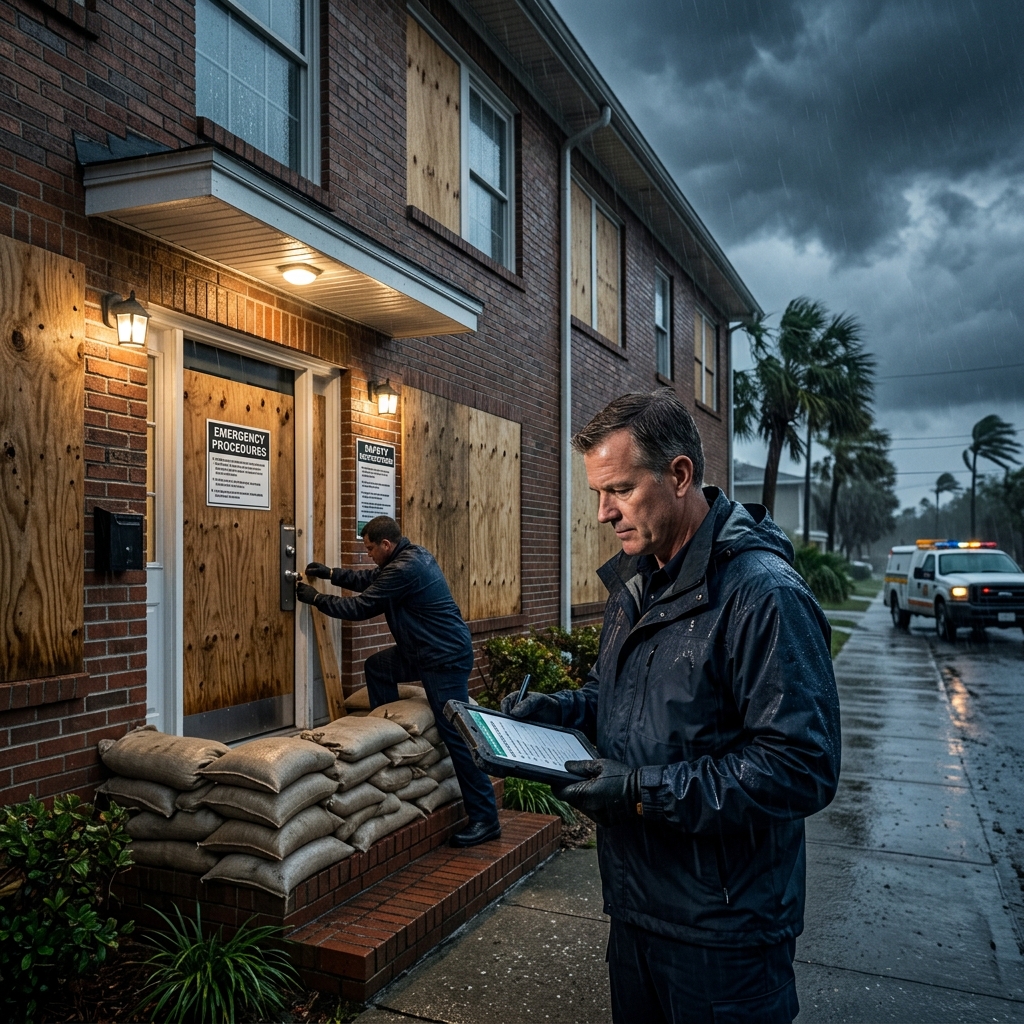
Emergencies and natural disasters can strike any community with little warning. For landlords and tenants, these events raise not only safety concerns, but also questions about habitability, repairs, rent obligations, and legal rights in a damaged rental home. This guide explains how both sides can prepare in advance, respond during a crisis, and navigate the legal and practical issues that follow.
Understanding Emergency Risks in Rental Housing
Different regions face different hazards: hurricanes along coasts, wildfires in dry areas, tornadoes on plains, earthquakes on fault lines, or localized flooding in heavy rain seasons. Both landlords and tenants should understand which events are most likely in their area and how those events could affect the structure of the property and its habitability.
Key impacts of disasters on rental housing include:
- Structural damage to roofs, walls, foundations, and windows.
- Loss of essential services such as electricity, water, heating, or cooling.
- Health hazards like mold, contaminated water, and debris.
- Access and security issues if doors, stairs, or common areas are damaged.
Many legal systems use the concept of warranty of habitability, which requires landlords to keep rental units safe, sanitary, and livable. When a disaster undermines these core conditions, special rules apply to repairs, rent, and the future of the lease.
Pre-Disaster Planning for Landlords
Landlords are in the best position to strengthen buildings and create systems that protect tenants before an emergency occurs. Proactive planning can reduce injuries, limit property damage, and streamline recovery.
Property Safety and Structural Preparedness
To reduce the risk of severe damage and later legal disputes, rental owners should regularly assess and upgrade their properties. Helpful measures include:
- Performing routine inspections to identify weaknesses in roofs, siding, balconies, stairways, and foundations.
- Clearing dead trees, branches, and vegetation near the structure to reduce fire and wind risks.
- Installing or reinforcing shutters, storm windows, and secure doors in areas prone to high winds or hurricanes.
- Maintaining a fire-resistant zone of cleared land (often up to 30 feet) around buildings in wildfire-prone locations.
- Ensuring smoke detectors, carbon monoxide alarms, and fire extinguishers are present, tested, and code-compliant.
These steps are not only best practices—they are often required by local housing codes and fire regulations. Failing to meet these standards can affect liability and insurance coverage after a disaster.
Emergency Plans and Tenant Communication
Written emergency procedures help tenants respond quickly and safely. Landlords can provide clear instructions that cover:
- Primary and secondary evacuation routes from the building and neighborhood.
- Where to find shelter areas on-site, such as interior windowless rooms or basements for tornado protection.
- Location of emergency equipment (extinguishers, alarms, shut-off valves for gas and water).
- How tenants will receive alerts and updates during events (email, text, posted notices).
Landlords should also keep updated contact information for all tenants and designate a primary contact person or property manager to coordinate responses.
Insurance and Financial Preparedness
Even strong buildings can suffer damage in a major disaster. Owners should review their insurance policies to confirm:
- Coverage for common local hazards, such as flood, wind, earthquake, or wildfire.
- Business interruption or loss-of-rent coverage when units become uninhabitable.
- Requirements for documentation, photographs, and repair records after an event.
While landlords insure the structure, tenants are generally responsible for insuring their own personal belongings through renters insurance. Clarity about this distinction ahead of time reduces confusion later.
Pre-Disaster Steps for Tenants
Tenants are not passive in emergency planning. Simple steps taken before a disaster can protect both safety and legal rights.
Know Your Lease and Local Laws
Tenants should review their lease agreements to understand:
- Which repairs the landlord must perform and which minor items tenants handle.
- Any rent abatement clause that allows reduced or paused rent when the unit is damaged.
- Lease termination provisions, including notice requirements and penalties, if the unit becomes unusable.
Even where the lease is silent, local landlord-tenant laws often impose a habitability standard and specify rights to repairs, rent adjustments, or termination in serious cases.
Personal Safety and Preparedness
Tenant emergency planning should focus on protecting lives and essential possessions. Recommended actions include:
- Creating a household emergency plan that answers how to receive alerts, where to shelter, how to evacuate, and how to stay in contact with family members.
- Preparing an emergency kit with water, food, medications, flashlights, batteries, and important documents.
- Storing copies of leases, insurance policies, and identification in fireproof or waterproof containers.
- Securing outdoor furniture and personal items before storms to reduce flying debris and protect others.
Renters Insurance and Emergency Funds
Natural disasters often damage tenants’ personal property, and landlords are usually not liable for those losses. Tenants can protect themselves by:
- Obtaining renters insurance that covers fire, theft, and relevant local hazards.
- Confirming policy limits, deductibles, and coverage for temporary relocation costs.
- Building an emergency savings fund, ideally covering 3–6 months of essential expenses.
Responding During an Emergency
When a disaster is unfolding, immediate safety should come first. After that, both landlords and tenants have roles in minimizing damage and documenting events.
Immediate Safety Actions
Typical safety steps during or immediately after a disaster include:
- Follow official evacuation orders and use designated routes when instructed by authorities.
- Move to pre-identified safe rooms or interior spaces away from windows during storms.
- Shut off utilities where safe and trained to do so, especially gas, to prevent further hazards.
- Avoid standing water and unstable structures until professionals deem the area safe.
Damage Mitigation and Documentation
Once it is safe to return, tenants and landlords should take reasonable steps to reduce further damage and keep detailed records.[10]
- Cover broken windows or openings with plastic or boards to keep out rain.[10]
- Collect water in buckets under active leaks, and dry out wet areas to slow mold growth.[10]
- Photograph and list all damage to structural elements and personal property.
- Save receipts for temporary repairs or emergency purchases.
Post-Disaster Repair Duties and Habitability
After an emergency, the central question is whether the unit is still habitable. This determines the parties’ repair obligations and rent rights.
| Condition of Unit | Landlord Responsibilities | Tenant Options |
|---|---|---|
| Fully habitable, minor damage | Repair non-essential items within a reasonable time. | Continue paying full rent; request repairs in writing. |
| Partially damaged but still livable | Restore habitability and essential services promptly. | Seek proportionate rent reduction until full enjoyment returns. |
| Uninhabitable (unsafe or unusable) | Stop collecting rent while unit is unusable; arrange major repairs. | Terminate lease with written notice, or move out and claim unused rent/security deposit. |
Landlord Repair Obligations
In most jurisdictions, landlords must restore habitability by repairing essential structures and systems, including walls, roofs, plumbing, electricity, and heating. They typically must:
- Assess damage promptly and hire qualified professionals.
- Comply with building codes and safety standards during repairs.
- Complete repairs within a reasonable time, which may be defined by local law or lease terms.
- Return unused portions of rent and relevant security deposits when the unit is uninhabitable and the lease ends.
Landlords generally cannot use the tenant’s security deposit to cover disaster-related structural damage when the tenant is not at fault.
Tenant Responsibilities After Damage
Tenants must notify landlords about damage and cooperate with repair efforts. Typical responsibilities include:
- Sending written notice listing all damage, ideally by certified or trackable mail.
- Providing access for inspections and repair crews.
- Continuing reasonable upkeep in still-habitable units to prevent further deterioration.
Tenants are usually responsible for damage caused by their own negligence, but not for damage from uncontrollable events like storms or earthquakes.
Rent, Lease Termination, and Relocation
Disasters often force tenants to temporarily or permanently leave their homes. Legal rules and lease terms determine how rent and deposit issues are handled in these situations.
Rent Reduction and Suspension
Where a unit is partially damaged but still habitable, tenants often have the right to a rent reduction proportionate to the loss of use. If the unit is fully uninhabitable, habitability laws in some areas prevent landlords from collecting rent for that period.
Steps tenants can take include:
- Request a rent adjustment in writing, explaining the specific damage and reduced use of the unit.
- Refer to any rent abatement clause in the lease.
- Seek legal advice or court orders if the landlord refuses reasonable adjustments despite clear habitability issues.
Ending the Lease After a Disaster
When a rental becomes uninhabitable, many legal frameworks allow either party to terminate the lease with proper written notice. A tenant who chooses to move out should:
- Send a dated written notice stating the intention to terminate due to disaster-related damage.
- Request the return of any security deposit and prepaid rent, providing a new mailing address.
- Document the condition of the unit at move-out with photos or videos.
Landlords may also decide to end a lease when repair costs or safety concerns make continued renting impractical, but they must follow local notice and refund rules.
Temporary Housing and Relocation Costs
In most cases, landlords are not legally required to pay tenants’ relocation expenses such as hotel stays, transportation, or replacement furniture, unless mandated by local law or agreed in the lease. Tenants without renters insurance may need to seek assistance from public programs or charitable organizations after major disasters.
Insurance, Claims, and Dispute Resolution
Insurance and legal remedies play a major role in financial recovery after emergencies.
Filing Insurance Claims
Landlords and tenants should promptly contact their respective insurers after a disaster.
- Landlords: Report structural and common area damage; provide photos, contractor estimates, and proof of ownership.
- Tenants: File claims for damaged personal property and, if covered, loss of use or relocation costs.
Clear documentation and timely reporting can speed claim approval and reduce disputes over coverage.
Resolving Conflicts Over Repairs or Rent
If landlords and tenants cannot agree on repairs, rent changes, or move-out terms, several options exist:
- Negotiation, aiming for a practical compromise on timelines and rent adjustments.
- Mediation through local housing agencies or community organizations.
- Legal action, such as court requests for repair orders, rent reductions, or deposit refunds.
Keeping written records of all communications, notices, and agreements is essential for resolving disputes efficiently.
Best Practices for Cooperative Disaster Management
Successful recovery from an emergency depends on cooperation. Both sides benefit when they treat the situation as a shared problem, not a conflict.
- Communicate promptly and clearly about safety concerns, damage, and repair plans.
- Follow written procedures for notices, rent changes, and lease decisions to avoid misunderstandings.
- Respect access needs, giving reasonable notice before inspections or repair work while preserving tenant privacy.
- Plan updates, keeping tenants informed of expected timelines and temporary disruptions.
Frequently Asked Questions
1. Who pays for disaster damage to the building?
Generally, the landlord is financially responsible for repairing structural damage and restoring essential services to make the unit habitable, often using property insurance to cover costs. Tenants are usually responsible only for damage they caused through negligence.
2. Are landlords liable for tenants’ personal belongings?
In most situations, landlords are not liable for tenants’ personal property damaged in a natural disaster. Tenants typically need renters insurance to recover these losses.
3. Can I stop paying rent if my apartment is damaged?
If the unit is partially damaged but still livable, you may be entitled to a reduced rent proportional to the loss of use. If the unit is uninhabitable, many habitability laws prevent landlords from collecting rent during that period. Always confirm local rules and consult your lease.
4. How do I properly notify my landlord after a disaster?
Send a written, dated notice describing all damage, preferably by certified or trackable mail, and keep a copy for your records. Attach photos if possible and state whether you seek repairs, a rent reduction, or lease termination.
5. What if my landlord does not make necessary repairs?
If your landlord ignores reasonable repair requests, you may be able to seek court orders, rent reductions, or permission to terminate the lease, depending on local law. Contact legal aid or a housing authority for guidance.
References
- What to do after a natural disaster — Tenancy Services (NZ Government). 2022-03-15. https://www.tenancy.govt.nz/maintenance-and-inspections/damage-and-repairs/what-to-do-after-a-natural-disaster/
- Tenant Rights After Natural Disasters — Outerbridge Law. 2023-09-01. https://www.outerbridgelaw.com/blog/tenant-rights-after-natural-disasters/
- Landlord Responsibilities – Natural Disasters — Bornstein Law. 2022-06-10. https://bornstein.law/landlord-responsibilities-natural-disasters/
- A Landlord’s and Renter’s Guide to Dealing With Natural Disasters — Avail by Realtor.com. 2021-08-12. https://www.avail.com/education/articles/a-landlords-and-renters-guide-to-dealing-with-natural-disasters
- Rental Property Problems after Disaster — Community Legal Services of Philadelphia. 2020-11-05. https://www.legalaccessforall.org/get-help-post/disaster-relief/rental-property-problems-after-disaster/
- Renter’s Rights After a Disaster (Texas) — Legal Aid Disaster Resource Center. 2020-10-01. https://www.ladrc.org/wp-content/uploads/2020/10/Renters-Rights-After-a-Disaster-Texas.pdf
- What Renters Should Know About Natural Disasters — Freddie Mac. 2023-05-02. https://myhome.freddiemac.com/blog/rental-housing/what-renters-should-know-about-natural-disasters
Similar Articles








Read full bio of medha deb


