
Sexual Assault and Harassment in the U.S. Military
How systemic failures, military culture, and legal barriers enable sexual violence against service members—and what real reform must include.
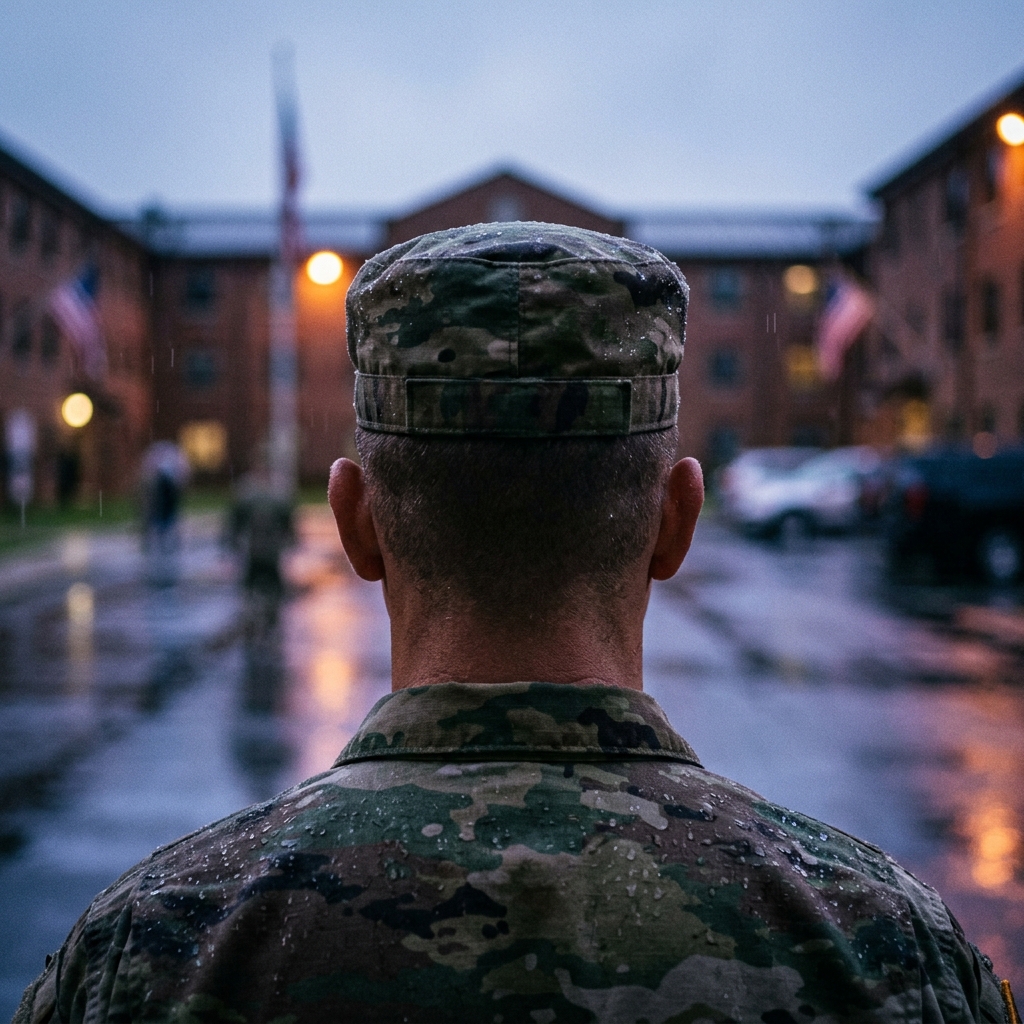
Sexual assault and harassment within the U.S. military are not isolated events or personal failures—they are persistent, systemic problems that undermine the safety, dignity, and rights of service members. Despite years of policy initiatives and public commitments to reform, tens of thousands of service members each year continue to face unwanted sexual contact, coercion, and hostile work environments. Addressing this crisis requires honest recognition of its scope, the unique barriers survivors face in uniform, and the structural changes needed to ensure accountability and meaningful support.
Understanding Sexual Violence in the Military Context
Sexual violence in the military takes multiple forms, including rape, sexual assault, and sexual harassment, often grouped under the term military sexual trauma (MST) when discussing health impacts. MST refers to any sexual harassment or sexual assault that occurs during military service, whether on or off duty, and on or off base. Perpetrators can be superiors, peers, subordinates, or civilians, and victims are of all genders, though women bear a disproportionate burden.
Key features that distinguish sexual violence in the military from similar abuse in civilian life include:
- Hierarchical command structures that concentrate power and make it difficult to challenge abusers, especially when they outrank the victim.
- Closed communities where living, working, and social spaces are tightly integrated, limiting escape routes from a hostile environment.
- Military discipline and loyalty norms that can be misused to discourage reporting or frame complaints as disloyalty or lack of resilience.
These features magnify the harm of sexual misconduct and complicate both reporting and recovery.
Scope of the Problem: Prevalence and Underreporting
Available data show that sexual violence in the U.S. military is widespread and significantly underreported. A survey by the Department of Defense found that in 2012 about 26,000 service members experienced unwanted sexual contact, yet only 3,374 cases were officially reported, implying that less than one in seven incidents reached formal channels. Surveys and analyses since then indicate that the problem has not abated and, in some respects, has worsened.
More recent research highlights the scale of the crisis:
- An analysis by researcher Jennifer Greenburg estimates that there were roughly 75,569 sexual assaults in 2021 and 73,695 in 2023, suggesting the true prevalence is two to four times higher than official government estimates.
- Across the Afghanistan war years, an estimated 24% of active-duty women and 1.9% of active-duty men experienced sexual assault during their service.
- In screening for MST in Veterans Affairs care, approximately one in three women and one in fifty men report sexual harassment or assault at some point in their military careers.
Even when surveys capture high prevalence, reporting rates remain low. Estimates of non-reporting for military sexual assault reach up to 90%, far exceeding typical civilian non-reporting rates. Fear of retaliation, disbelief, career damage, and social isolation are among the primary reasons survivors choose not to come forward.
Military Culture and Power Dynamics
To understand why sexual assault and harassment persist in the armed forces, it is necessary to examine the culture and power dynamics that shape daily life in uniform. Researchers and advocates emphasize several recurring themes:
- Gender norms and hypermasculinity: Traditional notions of toughness and masculinity can be used to devalue women and LGBTQ+ service members, portray them as less capable, and normalize sexualized hostility.
- Chain of command dependence: Service members depend heavily on their commanders for assignments, promotions, references, and evaluations. When the alleged perpetrator is within or above their chain of command, survivors may fear that reporting will jeopardize their careers.
- Unit cohesion rhetoric: Appeals to “unit cohesion” and “mission first” can be used to pressure survivors to remain silent, suggesting that pursuing justice will harm the group.
- Stigma and victim-blaming: Survivors may be blamed for “disrupting the unit,” scrutinized for their behavior, or accused of lying, which further discourages reporting.
This environment can transform sexual assault from an individual crime into a collective failure, where silence and minimization are coded as loyalty and professionalism. Cultural change is therefore as critical as legal reform.
Legal and Structural Barriers to Accountability
For years, survivors of sexual violence in the military have faced unique legal and procedural obstacles to obtaining justice. Central among these has been the historic role of the chain of command in deciding whether to investigate and prosecute serious crimes.
Traditionally, commanders had broad authority over criminal matters involving their subordinates, including sexual assault. This structure allowed individual leaders significant discretion to:
- Decline to pursue cases, despite evidence.
- Opt for administrative remedies rather than criminal prosecution.
- Influence witnesses and the tone of investigations.
Concerns about bias and conflicts of interest prompted reform recommendations. An independent review commissioned by the Secretary of Defense in 2021 issued dozens of recommendations, including shifting prosecution of sexual assault outside the traditional chain of command. Beginning at the end of 2023, serious crime cases, including sexual assault, must be handled outside the immediate command structure, with dedicated special trial counsel assuming responsibility.
While this is a significant structural change, decades of experience show that legal adjustments alone will not resolve the crisis. Survivors still face:
- Retaliation risk from peers and leaders.
- Career damage through negative evaluations or lost advancement opportunities.
- Procedural complexity that can overwhelm individuals already dealing with trauma.
A meaningful accountability framework must integrate independent investigation, survivor protection, and transparent outcomes that reinforce trust in the system.
Health and Mental Health Consequences
Sexual assault and harassment in the military can produce profound and long-lasting health impacts. The term military sexual trauma is used by the U.S. Department of Veterans Affairs to describe the psychological and physical consequences of sexual harassment or assault during service. Experiences of MST are strongly associated with high rates of mental health disorders and functional impairment.
Research from the VA’s National Center for PTSD shows that sexual assault during military service is associated with post-traumatic stress disorder (PTSD) at levels comparable to, or even greater than, severe combat exposure or civilian sexual assault. MST is also linked to increased risk of:
- Depressive disorders
- Anxiety disorders
- Substance use disorders
- Dissociative disorders
- Eating disorders
Physical health can also be affected through chronic pain, sleep disturbance, reproductive health issues, and other somatic symptoms. When survivors remain in environments where perpetrators retain power or where harassment continues, these symptoms can intensify.
One complicating factor is the medicalization of suffering without corresponding structural change. Scholars note that while trauma-focused language and diagnosis can validate survivors’ experiences, they can also shift attention away from institutional responsibility, framing MST as an individual health problem rather than a systemic rights violation.
Support and Services for Survivors
Despite the barriers and harms described above, there are important resources aimed at supporting survivors of sexual violence in the military, particularly after they leave active duty. The U.S. Department of Veterans Affairs offers extensive MST-related care:
- Free MST-related mental health and medical care is available at every VA medical center and at many community-based VA clinics.
- Eligibility is intentionally broad: survivors do not need to have reported the incident when it occurred, nor do they need documentation proving it happened.
- Many former service members with less than fully honorable discharges can still receive MST-related care, even when they are not eligible for other VA services.
The VA also provides crisis support and outreach:
- The Veterans Crisis Line (dial 988 then press 1) offers 24/7 phone, text, and chat support for veterans in crisis, including those grappling with MST-related distress.
- The Women Veterans Call Center helps women veterans identify available resources in their area and navigate MST-related services.
On active duty, service members may access medical care, chaplains, family advocacy programs, and victim advocates. However, the quality and independence of these services can vary, and many survivors report that fear of command involvement or stigma still deters them from seeking help.
Comparing Military and Civilian Responses
| Aspect | Military Context | Civilian Context |
|---|---|---|
| Decision-making authority | Historically centered in the chain of command; now shifting to special trial counsel for serious crimes. | Handled by civilian prosecutors independent of workplace hierarchies. |
| Reporting environment | Closed, rank-based environment; alleged perpetrators may control survivors’ careers. | Victims may change jobs or environments more easily, though barriers still exist. |
| Health care access | Specialized MST-related care through the VA, sometimes even for those without full eligibility. | Varies by insurance, geography, and local services; no MST-specific national framework. |
| Underreporting | Non-reporting estimates up to 90% for sexual assault. | High but generally lower underreporting compared to military settings. |
Key Components of Effective Reform
Addressing sexual assault and harassment in the military requires changes at multiple levels—legal, cultural, and institutional. Based on available research and policy analyses, effective reform should include the following components:
- Independent investigation and prosecution of serious sexual offenses, fully insulated from the immediate chain of command, with transparent reporting of outcomes.
- Robust survivor protections, including safeguards against retaliation, guaranteed access to counsel, and options for confidential or restricted reporting when safety is a concern.
- Culture change initiatives that address gender bias, homophobia, and harassment at all levels, and that make clear that sexual misconduct is incompatible with service.
- Comprehensive training for leaders, investigators, and health professionals on trauma-informed responses and the unique dynamics of MST.
- Data collection and transparency to track prevalence, outcomes, and gaps in the system, enabling evidence-based policy adaptation.
- Long-term support for survivors, including seamless transition from active-duty care to VA services, and recognition of MST in disability compensation and benefits structures.
Legal reforms, while essential, will not succeed without a shift in norms and incentives. Leaders must be held accountable for the climate in their units, and survivors must see consistent, fair responses that validate their experiences and prioritize their safety.
Frequently Asked Questions (FAQs)
What is military sexual trauma (MST)?
Military sexual trauma is a term used by the U.S. Department of Veterans Affairs to describe psychological and physical difficulties resulting from sexual harassment or sexual assault experienced during military service. MST can include unwanted sexual advances, coercion into sexual activity, or sexual assault, whether on or off duty.
How common is sexual assault and harassment in the U.S. military?
Surveys and research indicate that sexual violence is widespread. One analysis estimates more than 75,000 sexual assaults in 2021 alone. VA screening suggests that about one in three women and one in fifty men who served report MST at some point in their service. Official reporting captures only a fraction of these incidents, with non-reporting rates for sexual assault estimated as high as 90%.
Why do many survivors not report abuse?
Survivors often fear retaliation, damage to their careers, disbelief, and social isolation. The hierarchical nature of the military means alleged perpetrators may hold direct power over assignments, evaluations, and daily life. Concerns about being labeled disloyal or harming unit cohesion also contribute to silence.
What reforms have been made to reduce command influence over sexual assault cases?
In response to longstanding criticism, the Department of Defense has begun moving prosecution of serious crimes, including sexual assault, outside the traditional chain of command. Special trial counsel now have authority to handle these cases, seeking to reduce conflicts of interest and increase accountability.
What support is available for veterans who experienced MST?
The VA provides free MST-related mental health and medical care at all VA medical centers and many community clinics. Survivors do not need to have officially reported their MST or have documentation of the incident to qualify. Additional resources include the Veterans Crisis Line and the Women Veterans Call Center, which help veterans access urgent support and navigate available services.
Does MST affect men as well as women?
Yes. While women experience higher rates of sexual harassment and assault, MST affects men as well. VA data indicate that roughly one in fifty male veterans report MST when screened. Male survivors may face particular stigma and may be even less likely to report.
How does MST impact long-term health?
MST is strongly associated with PTSD and other mental health conditions, including depression, anxiety, substance use disorders, and dissociative disorders. Physical health can also be affected, and survivors may face difficulties with relationships, employment, and community reintegration long after leaving military service.
References
- Independent Review Commission on Sexual Assault in the Military Report — U.S. Department of Defense. 2021-07-02. https://www.defense.gov/News/Releases/Release/Article/2695880/independent-review-commission-on-sexual-assault-in-the-military-announces-compr/
- Deserted: The U.S. Military’s Sexual Assault Crisis as a Cost of War — Costs of War Project, Watson Institute for International and Public Affairs, Brown University. 2023-11-16. https://costsofwar.watson.brown.edu/paper/deserted-us-militarys-sexual-assault-crisis-cost-war
- Military Sexual Trauma — PTSD: National Center for PTSD, U.S. Department of Veterans Affairs. 2022-07-15. https://www.ptsd.va.gov/professional/treat/type/sexual_trauma_military.asp
- Military Sexual Trauma — Women Veterans Health Care, U.S. Department of Veterans Affairs. 2023-04-01. https://www.womenshealth.va.gov/topics/military-sexual-trauma.asp
- Military Sexual Trauma: Gender, Military Cultures, and the Medicalization of Wounds — MWIJ, National Library of Medicine (PMC). 2022-03-08. https://pmc.ncbi.nlm.nih.gov/articles/PMC8884252/
Similar Articles








Read full bio of Sneha Tete




