
Bankruptcy Pros And Cons: Complete Guide For Debtors In 2025
Understand how bankruptcy can reset your finances, the protections it offers, and the long-term trade-offs you need to weigh carefully.
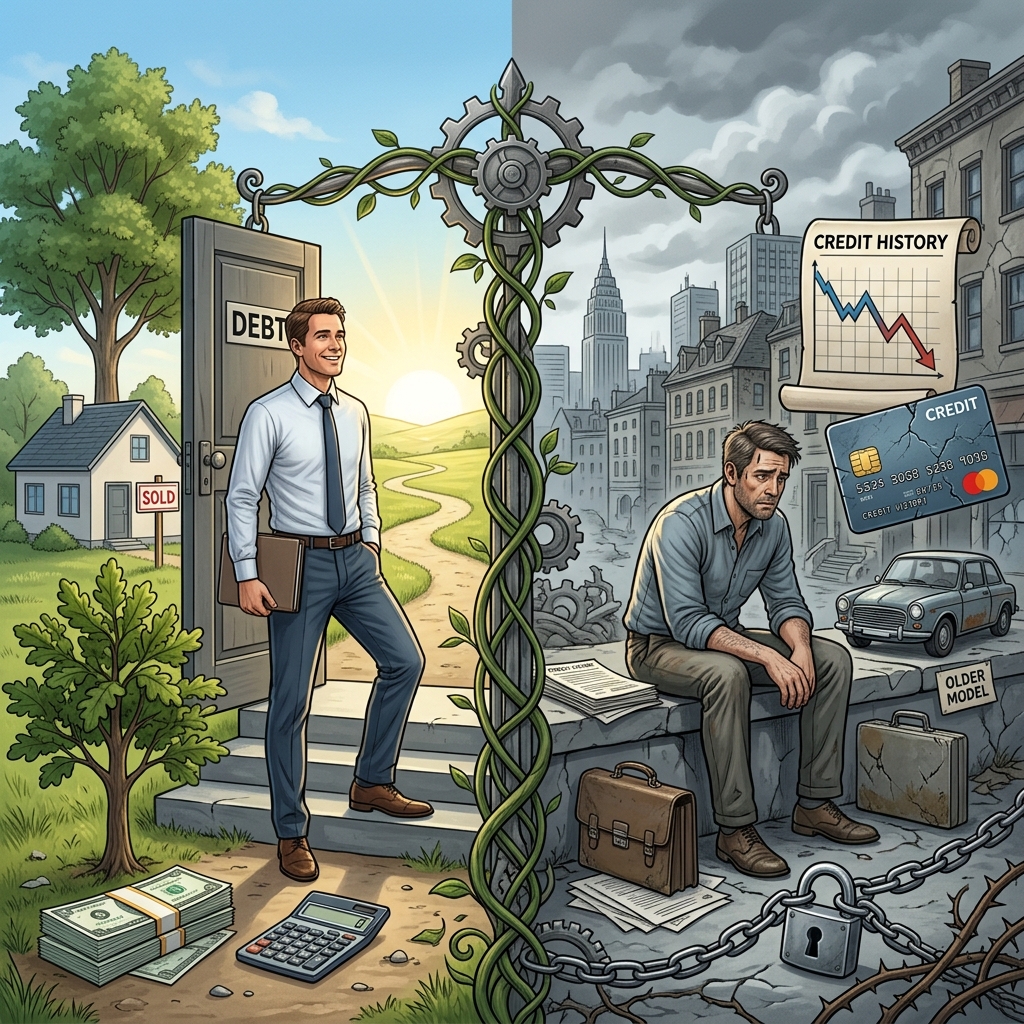
Bankruptcy is a powerful legal tool that can wipe out or reorganize overwhelming debt, but it also carries serious long-term consequences. Understanding both the advantages and disadvantages is essential before you decide whether filing for bankruptcy is the right step for you.
What Bankruptcy Really Is (In Plain Language)
Bankruptcy is a court-supervised process that helps people and businesses who can no longer repay their debts as agreed. In consumer cases, bankruptcy usually works in one of two basic ways:
- Liquidation of eligible debts: Many unsecured debts are erased after the court process is completed, subject to important exceptions.
- Court-approved repayment plan: Debts are reorganized into a structured payment plan, giving you time and legal protection while you catch up.
The aim is to provide a fresh financial start for honest but unfortunate debtors while treating creditors fairly according to the rules set out in bankruptcy law.
Major Types of Consumer Bankruptcy
In the United States, individuals most commonly file under two chapters of the Bankruptcy Code:
- Chapter 7 (Liquidation)
Eligible unsecured debts can be discharged relatively quickly, but certain non‑exempt assets may be sold to repay creditors. Most consumer Chapter 7 cases are “no‑asset” cases, meaning filers keep all property protected by exemptions. - Chapter 13 (Repayment Plan)
You keep your assets, but commit your disposable income to a repayment plan lasting three to five years, after which remaining eligible debts can be discharged.
Which chapter you qualify for depends on your income, assets, and the type and amount of debt you carry. A bankruptcy attorney or approved credit counselor can help you determine the right option.
Core Advantages of Filing for Bankruptcy
Bankruptcy offers several significant benefits when debt has become unmanageable.
1. Fresh Start Through Discharge of Unsecured Debt
One of the most important advantages is the chance to eliminate many unsecured obligations, such as credit card balances, personal loans, medical bills, and certain other consumer debts. In Chapter 7, most qualifying unsecured debts are discharged after completion of the case, while Chapter 13 discharges remaining balances at the end of the repayment plan.
- Immediate relief from growing interest and fees on unsecured accounts.
- End of past-due balances that have become impossible to catch up.
- Predictable timeline for resolving unsecured debt.
However, not all debts can be discharged, and some may survive the bankruptcy (covered later below).
2. Automatic Stay: Immediate Protection from Collection Activity
When you file for bankruptcy, an automatic stay takes effect immediately. This is a court order that stops most collection actions, including lawsuits, wage garnishments, and repeated collection calls.
- Creditors must halt lawsuits for unpaid debts.
- Wage garnishments are generally suspended.
- Collection agencies must stop phone calls and letters seeking payment.
The automatic stay can also temporarily stop foreclosure and repossession in many cases, especially under Chapter 13, giving you time to propose a repayment plan.
3. Structured, Court-Supervised Repayment (Chapter 13)
Under Chapter 13, your debts are consolidated into a single court-approved repayment plan that typically lasts three to five years.
- One regular payment to the trustee instead of juggling multiple creditors.
- Potential to cure mortgage arrears and stop foreclosure while you catch up.
- Ability to keep important assets as long as you comply with the plan.
This structure can make previously unmanageable finances more predictable and controlled.
4. Protection for Certain Essential Assets
Bankruptcy exemptions under federal or state law protect certain kinds of property from being used to pay creditors. Typical protections include some home equity, necessary household goods, and retirement accounts, subject to specific limits.
- Retirement savings often receive strong protection from creditors.
- Basic personal property, such as clothing and household items, may be exempt.
- Home equity and vehicle equity may be partially protected, depending on the law in your state.
These rules are highly jurisdiction-specific, so professional advice is essential when evaluating your own asset protections.
5. Employment Protection
Federal law prohibits most private employers from firing you solely because you filed for bankruptcy. While bankruptcy is visible on credit checks, this rule helps protect your job from being lost as a direct result of your filing.
Key Disadvantages and Risks of Bankruptcy
Despite its benefits, bankruptcy involves serious downsides that can affect your finances and personal life for years.
1. Long-Lasting Damage to Your Credit Profile
A bankruptcy filing becomes part of your credit history and can remain on your credit report for many years.
| Type of bankruptcy | Typical time on credit report |
|---|---|
| Chapter 7 | Up to 10 years from the filing date |
| Chapter 13 | Generally around 7 years from filing |
During this period, you may face higher interest rates, lower credit limits, and difficulty obtaining certain loans or lines of credit. Lenders often view bankruptcy as a sign of past financial trouble, though some research suggests that individuals with very poor credit may see modest score improvements after discharge because old delinquent accounts have been cleared.
2. Loss of Non-Exempt Property
While exemptions protect some assets, non‑exempt property can be sold by a trustee in Chapter 7 to pay creditors. Examples may include:
- Valuable collections or luxury items not covered by exemptions.
- Real estate or vehicles with equity above the exempt amount.
- Investment accounts that are not protected by law.
In Chapter 13, you usually keep your property, but the value of non‑exempt assets may impact how much you must repay through your plan.
3. Time, Cost, and Ongoing Court Oversight
Bankruptcy is not instantaneous or free. Filing requires court costs, sometimes trustee fees, and usually attorney’s fees. Chapter 7 typically takes several months from filing to discharge, while Chapter 13 can last three to five years.
- Upfront and ongoing fees associated with legal representation and court filings.
- Regular reporting of income and expenses in Chapter 13.
- Potential payment obligations over multiple years under a court-approved plan.
For some people, the cost and duration of bankruptcy can be burdensome, particularly if their financial situation changes during the process.
4. Debts That Cannot Be Discharged
Not all obligations are wiped out in bankruptcy. Common non‑dischargeable debts include:
- Most child support and alimony.
- Many recent tax debts and certain other government obligations.
- Fines, penalties, and restitution in criminal cases.
- Most student loans, unless you meet a very strict hardship standard.
- Secured debts (like mortgages and car loans), if you choose to keep the property and continue payments.
This means that bankruptcy is not a universal cure; it works best for people whose problem debt is primarily unsecured and dischargeable.
5. Impact on Future Financial Opportunities
Because bankruptcy remains on your credit record for years, some financial opportunities may be more difficult or expensive:
- Higher interest rates on credit cards, auto loans, and mortgages.
- Lower credit limits and stricter lending criteria.
- Possible challenges renting housing from landlords who closely review credit reports.
Although many people slowly rebuild their credit after bankruptcy, it requires consistent on‑time payments, careful budgeting, and patience.
Comparing the Pros and Cons Side by Side
| Advantages | Disadvantages |
|---|---|
| Discharge of many unsecured debts and fresh start | Bankruptcy stays on credit report for 7–10 years |
| Automatic stay stops most lawsuits, garnishments, and collection calls | Possible loss of non‑exempt assets and reduced financial flexibility |
| Chapter 13 allows you to keep assets and repay over time | Lengthy, structured court process; ongoing supervision and payments |
| Protection for essential property through exemptions | Some debts (support, certain taxes, most student loans) are not discharged |
Is Bankruptcy Right for You? Key Questions to Ask
Before filing, consider the following practical questions:
- Is most of your debt unsecured and dischargeable, or is it mainly taxes, support, and student loans?
- Would you be able to protect your essential assets under available exemptions?
- Can you realistically complete a three- to five-year repayment plan if Chapter 13 is required?
- Have you explored non-bankruptcy options, such as debt management plans or negotiated settlements?
- How would a bankruptcy filing affect your career, future borrowing, and housing over the next decade?
These questions can help you and your advisors weigh the trade-offs and decide whether bankruptcy offers more benefit than harm in your situation.
Alternatives to Bankruptcy to Consider
Bankruptcy is not the only way to address debt problems. Before filing, many people explore other strategies:
- Credit counseling through a reputable nonprofit agency, which may help you create a realistic budget and debt management plan.
- Negotiation with creditors to reduce interest rates, waive fees, or settle debts for less than the full amount.
- Debt consolidation loans that combine several debts into one payment, potentially at a lower rate—though this may be difficult with already damaged credit.
- Informal repayment plans to gradually bring accounts current without court involvement.
These alternatives can be effective when your financial challenges are serious but not yet overwhelming. If creditors refuse to cooperate or your debt load is simply too large, bankruptcy may become the most realistic option.
Practical Steps Before You File
If you are leaning toward bankruptcy, take these preparatory steps:
- Gather documentation of all debts, income sources, assets, and regular expenses.
- Consult a qualified bankruptcy attorney or an approved agency for pre‑filing counseling, as required by law.
- Review your state exemption rules to understand which property may be protected.
- Consider timing, especially if you expect major changes in income, expenses, or assets.
A careful review of your full financial picture will help you choose between Chapter 7 and Chapter 13 if you are eligible for both, or identify a non‑bankruptcy strategy if that is preferable.
FAQs About Bankruptcy Advantages and Disadvantages
Does bankruptcy always ruin your credit permanently?
No. Bankruptcy significantly harms your credit in the short term and remains on your report for up to 10 years, but its impact gradually fades as you rebuild with on‑time payments and responsible use of new credit.
Will I lose my home if I file for bankruptcy?
Not necessarily. Whether you keep your home depends on your equity, your state’s exemptions, the type of bankruptcy you file, and whether you can maintain mortgage payments. Chapter 13 is often used to stop foreclosure and catch up on arrears.
Can bankruptcy help with student loans?
In most cases, student loans are not discharged in bankruptcy. Only in rare situations where you demonstrate extreme hardship under strict legal tests might some student loans be eliminated.
Are all my debts erased in Chapter 7?
No. While many unsecured debts can be discharged, obligations like child support, alimony, certain taxes, criminal fines, and most student loans usually remain after bankruptcy.
Is bankruptcy ever a good long-term decision?
For individuals buried under unmanageable, largely unsecured debt, bankruptcy can be a rational decision that provides a fresh start and protects essential assets. However, the long-term credit impact and loss of certain property mean it must be weighed carefully against other available options.
References
- Pros and Cons of Filing for Bankruptcy — American Bar Association. 2018-01-01. https://www.americanbar.org/groups/public_education/resources/law_issues_for_consumers/everydaylaw0/personal_finance/bankruptcy/pros_and_cons_of_bankruptcy/
- Pros & Cons of Filing for Bankruptcy — American Consumer Credit Counseling. 2023-06-01. https://www.consumercredit.com/debt-programs/bankruptcy-counseling/is-bankruptcy-for-you/
- Pros and Cons of Filing For Bankruptcy — LendingTree. 2024-03-15. https://www.lendingtree.com/bankruptcy/pros-and-cons-of-filing-for-bankruptcy/
- Pros and Cons of Filing Bankruptcy: Is it a Good Idea? — Debt.org. 2023-09-10. https://www.debt.org/bankruptcy/pros-and-cons-of-filing/
- Bankruptcy: Advantages and Disadvantages — FindLaw. 2022-05-01. https://www.findlaw.com/bankruptcy/what-is-bankruptcy/pros-and-cons-of-declaring-bankruptcy.html
Similar Articles








Read full bio of medha deb




