
How Servicemembers Use Credit Protections Under the SCRA
Understanding how military families access, use, and experience key credit protections provided by the Servicemembers Civil Relief Act.
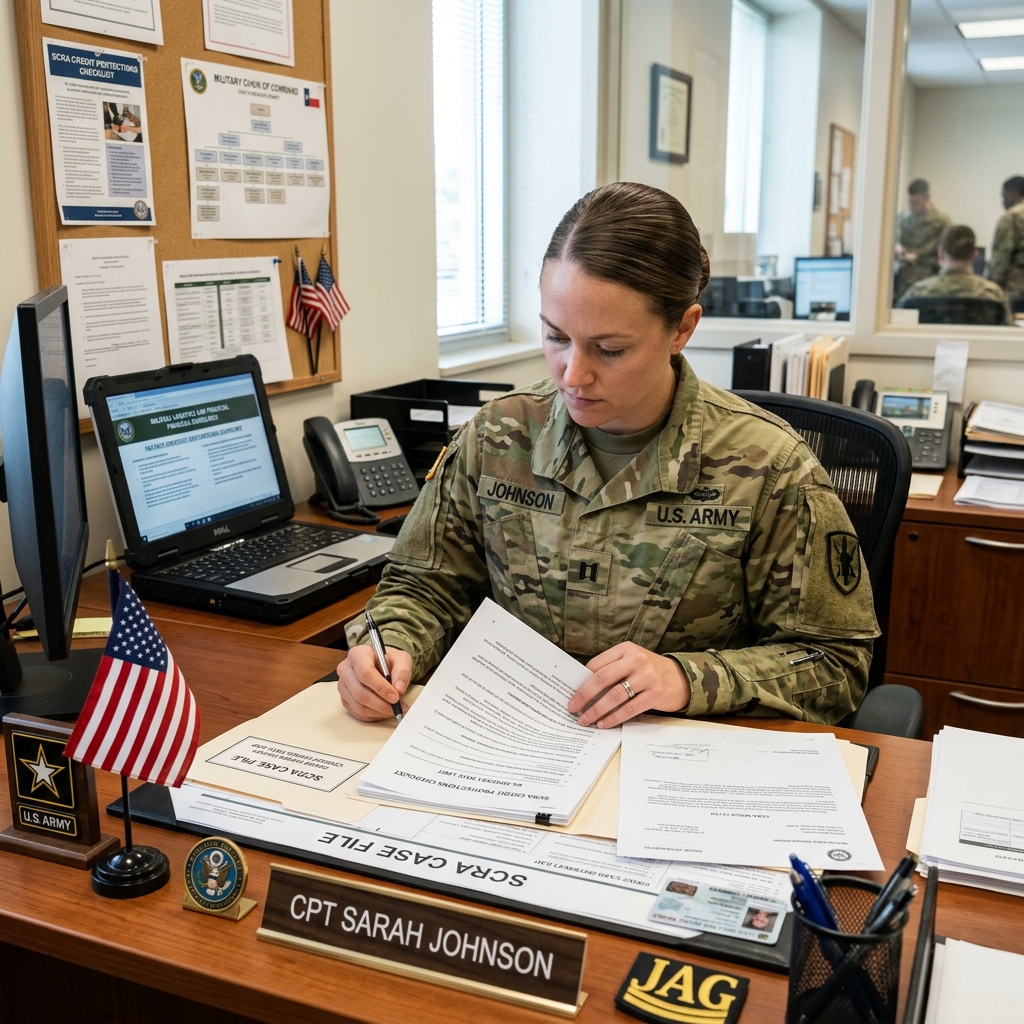
The Servicemembers Civil Relief Act (SCRA) offers powerful protections that can reduce financial stress for servicemembers and their families, especially during deployments and periods of active duty. Yet data and regulatory experience show that many eligible servicemembers either do not fully use these protections or face obstacles when they try. This article explains what the credit protections are, how they are typically used in practice, and what patterns and challenges emerge from real-world usage.
SCRA Credit Protections in Plain Language
The SCRA is a federal law designed to ensure that military service does not unfairly harm a servicemember’s financial situation or civil legal rights. It focuses largely on obligations incurred before entering active duty, providing relief when military service makes it harder to meet those obligations.
For credit and debt, the SCRA includes several core protections:
- Interest rate reduction to a maximum of 6% per year on qualifying pre-service loans and credit cards.
- Protection against foreclosure on mortgages taken out before active duty, typically for the period of service plus an additional year.
- Restrictions on default judgments in civil cases when a servicemember cannot appear because of military duties.
- Protection against adverse credit actions solely because a servicemember requested or used SCRA rights.
- Additional safeguards around property, leases, and certain insurance or tax obligations.
To benefit from most of these provisions, servicemembers generally must notify creditors and provide documentation of active duty service. This request-driven structure is one driver of uneven usage.
Who Is Covered and What Debts Qualify?
The SCRA applies to most active-duty members of the U.S. armed forces, including certain reservists and National Guard members called to qualifying active service. Some protections extend to spouses and dependents in specific circumstances, particularly for joint credit obligations.
Credit-related protections typically apply to debts incurred before the servicemember entered active duty, such as:
- Home mortgages and home equity loans
- Auto loans and other installment loans
- Student loans and personal loans
- Credit card balances
- Certain lines of credit secured by personal or real property
Debts taken out after active duty begins are not eligible for the SCRA’s 6% interest cap, though they may be covered by other laws like the Military Lending Act for certain types of credit.
The 6% Interest Rate Cap: How It Works in Practice
One of the most widely discussed SCRA protections is the 6% interest rate ceiling on eligible pre-service debts. When granted, this cap can significantly reduce monthly payments and overall cost of credit while the servicemember is on active duty.
Key features of the rate reduction include:
- Maximum rate: Interest on qualifying loans and credit cards cannot exceed 6% annually during active duty.
- Forgiveness of excess interest: Interest above 6% is not simply deferred; it must be forgiven and cannot be added back later.
- Mortgage extension: For mortgages, the 6% cap usually extends for one year after the end of active duty.
- Joint obligations: The cap can apply to loans taken out jointly by the servicemember and a spouse.
To obtain this relief, servicemembers must notify creditors in writing and provide documentation such as deployment or activation orders. Creditors may assess whether military service has “materially affected” the servicemember’s ability to meet payment obligations, but in many cases usage is straightforward once proper documentation is submitted.
| Type of Obligation | When Debt Was Incurred | Protected Interest Rate | Protection Period |
|---|---|---|---|
| Mortgage loans | Before active duty | Maximum 6% per year | Active duty plus 12 months after service |
| Credit cards & auto loans | Before active duty | Maximum 6% per year | Duration of active duty |
| Student & personal loans | Before active duty | Maximum 6% per year | Duration of active duty |
Foreclosure and Home Protection
Housing stability is a major concern for military families, especially when frequent moves and deployments complicate household finances. The SCRA includes specific protections to prevent unfair loss of homes to foreclosure.
Key aspects of foreclosure protection include:
- Court order requirement: Creditors generally cannot foreclose on a qualifying mortgage without a court order during protected periods.
- Coverage of pre-service mortgages: Protection applies to mortgages taken out before entering active duty.
- Extended timeframe: Protection usually lasts throughout active duty and for up to one year after service ends.
In practice, data show that foreclosure-related SCRA protections are often invoked when servicemembers face sudden income changes due to deployment or when spouses must manage household finances alone. This can prevent forced sales or loss of equity while the servicemember is unable to actively participate in legal proceedings.
Default Judgments and Civil Court Relief
Military service can make it difficult or impossible for servicemembers to appear in civil court or respond to lawsuits on time. The SCRA addresses this by limiting default judgments and allowing courts to delay proceedings when military duties interfere.
Core judicial protections include:
- Protection from default judgments when the servicemember cannot appear due to active duty service.
- Stays of proceedings (temporary pauses) in civil and administrative actions when military duties materially affect ability to appear.
- Stays of enforcement actions on certain judgments, attachments, and garnishments while protections apply.
These safeguards are especially important in credit and debt cases, where a default judgment can lead to wage garnishment, bank levies, or property seizure. SCRA relief helps ensure that servicemembers have a fair chance to participate in proceedings that affect their financial lives.
Protection Against Negative Credit Actions
Another critical feature of the SCRA is protection against creditors penalizing servicemembers for using their legal rights. Regulators have emphasized that creditors cannot treat an SCRA request as a sign of credit risk.
Under the SCRA:
- Creditors may not deny or revoke credit solely because a servicemember requested SCRA protections.
- Creditors may not change loan terms or refuse to grant credit just because the servicemember invoked SCRA rights.
- Negative information cannot be reported to consumer reporting agencies solely on the basis of exercising SCRA rights.
From a usage perspective, this means servicemembers should not have to choose between obtaining lawful relief and preserving access to future credit. However, awareness of these protections can be uneven, leading some servicemembers to worry about possible repercussions even when none are permitted under law.
Patterns of Usage: What Regulators and Data Suggest
Although exact usage rates vary by creditor and product type, available research, examinations, and enforcement actions point to several recurring patterns in how servicemembers use SCRA credit protections.
More Commonly Used Protections
Protections that are relatively straightforward and widely publicized tend to be used more frequently. These often include:
- Interest rate reduction requests on mortgages, auto loans, and credit cards when servicemembers deploy or enter active duty.
- Foreclosure-related protections when financial hardship coincides with or follows deployment.
- Stays of civil proceedings in high-stakes matters such as family law or large debt disputes.
Creditors with dedicated military support units or proactive identification processes often show higher rates of properly applied protections, suggesting that institutional practices significantly influence usage.
Underutilized or Unevenly Accessed Protections
Other protections appear underused or inconsistently accessed, including:
- Interest rate reductions on smaller accounts, such as old credit card balances or legacy student loans.
- Protections related to life insurance assignments or certain secured personal property.
- Relief for less visible civil matters, such as minor collection suits where servicemembers may be unaware of their rights.
Some servicemembers may not realize that the SCRA applies beyond major loans, while others assume the process is complex or burdensome. In addition, protections are not automatic; they typically require a request, which can be challenging for servicemembers with limited time or legal knowledge.
Barriers That Limit Usage
Multiple factors can reduce actual usage of SCRA credit protections, even among servicemembers who are legally eligible.
Awareness and Understanding
- Limited awareness of specific protections, especially beyond the well-known 6% interest cap.
- Confusion about which debts qualify (pre-service vs. during service) and the documentation required.
- Misperceptions that exercising rights will harm credit scores or future borrowing, contrary to SCRA rules.
Administrative and Process Hurdles
- Needing to submit written requests and copies of orders to multiple creditors during stressful transitions.
- Inconsistent policies or training across creditors, which can lead to delays or errors in implementation.
- Difficulties maintaining documentation as servicemembers move or deploy.
Coordination Challenges
- Spouses or family members managing finances may be unaware of all accounts that qualify.
- Multiple lenders may be involved, each with different procedures.
- Servicemembers may prioritize immediate operational demands over administrative tasks like submitting SCRA requests.
Over time, regulators and advocacy groups have highlighted these barriers and encouraged lenders to adopt more proactive approaches, such as routinely screening for eligible servicemembers and simplifying request processes.
Best Practices for Servicemembers Seeking Credit Protections
Based on legal requirements and practical experience, several steps can help servicemembers more effectively access and use SCRA credit protections.
- Gather a complete account list of all loans and credit lines opened before active duty, including joint accounts.
- Obtain official documentation of active duty service, such as orders or a letter from a commanding officer.
- Submit written requests to each relevant creditor, clearly asking for SCRA interest rate reduction or other applicable relief.
- Verify changes on account statements to ensure the 6% cap and related adjustments have been correctly applied.
- Monitor credit reports to confirm no negative information has been added solely due to invoking SCRA protections.
- Seek legal assistance or financial counseling through military legal offices or accredited nonprofit resources if disputes arise.
Taking these steps early in a deployment or activation period can maximize potential savings and prevent avoidable problems such as foreclosure or default judgments.
Implications for Lenders and Policy
SCRA usage patterns have important implications for lenders, servicers, and policymakers. Federal agencies have issued guidance and undertaken enforcement actions to ensure creditors properly implement and honor servicemember protections.
Key implications include:
- The need for robust compliance programs that accurately identify eligible servicemembers and apply protections.
- Benefits of proactive screening using official military status databases to reduce reliance on servicemembers initiating requests.
- Importance of staff training on SCRA requirements, especially for front-line customer service representatives.
- Potential reputational and legal risks when creditors fail to provide required protections, leading to enforcement actions or restitution.
Policy discussions continue around how to make SCRA protections easier to access, including ideas such as standardizing processes, enhancing outreach, and improving coordination between military installations and financial institutions.
Frequently Asked Questions (FAQs)
1. Does the SCRA automatically lower my interest rates when I enter active duty?
No. Most SCRA protections, including the 6% interest cap, are not automatic. Servicemembers usually must submit a written request to each creditor and provide proof of active duty service.
2. Can a lender raise my rates or deny new credit because I asked for SCRA relief?
No. The SCRA prohibits creditors from denying credit, revoking credit, changing loan terms, or refusing to grant credit solely because a servicemember exercised SCRA rights.
3. What kinds of debts can receive the 6% interest rate cap?
Debts like mortgages, auto loans, credit cards, student loans, and certain personal or installment loans taken out before the servicemember entered active duty may qualify for the 6% cap.
4. How long does the interest rate reduction last?
For most eligible debts, the 6% cap applies for the duration of active duty service. For mortgages, the protection generally continues for one year after active duty ends.
5. What happens if a default judgment was entered against me while I was deployed?
The SCRA allows servicemembers to request that certain default judgments be set aside if military service materially affected their ability to appear. Courts can reopen the case and reconsider the matter.
6. Where can I get help if my creditor refuses SCRA protections?
Servicemembers can seek assistance from military legal assistance offices, state or local legal aid organizations, or relevant federal agencies that oversee consumer financial laws.
References
- Servicemembers Civil Relief Act (SCRA) — Consumer Financial Protection Bureau. 2024-03-01. https://www.consumerfinance.gov/consumer-tools/military-financial-lifecycle/the-servicemembers-civil-relief-act-scra/
- Servicemember Financial Protection: An Overview of Key Federal Laws and Regulations — Federal Reserve Bank of Philadelphia, Consumer Compliance Outlook. 2017-06-01. https://www.consumercomplianceoutlook.org/2017/second-issue/servicemember-financial-protection-an-overview-of-key-federal-laws-and-regulations/
- Getting to Know the Servicemembers Civil Relief Act (SCRA) — FINRA Investor Education Foundation. 2023-05-10. https://www.finra.org/investors/military/deployment/scra
- SCRA, The Servicemembers Civil Relief Act — Military OneSource, U.S. Department of Defense. 2023-08-15. https://www.militaryonesource.mil/financial-legal/legal/servicemembers-civil-relief-act/
- Servicemembers Civil Relief Act — Texas Law Help. 2022-11-01. https://texaslawhelp.org/article/servicemembers-civil-relief-act
- Servicemembers’ Civil Relief Act (SCRA) — United States Courts. 2021-09-01. https://www.uscourts.gov/court-programs/bankruptcy/bankruptcy-basics/servicemembers-civil-relief-act-scra
- Interest Rate Reduction Under the Servicemember Civil Relief Act — North Carolina State Bar. 2020-04-01. https://www.ncbar.gov/for-lawyers/bar-programs/legal-assistance-for-military-personnel-lamp/legal-research-other-resources/interest-rate-reduction-under-the-servicemember-civil-relief-act/
Similar Articles








Read full bio of medha deb




