
Robbery Using a Fake Weapon: Law and Consequences
How the law treats robberies committed with fake, unloaded, or imitation weapons, and why they often carry penalties similar to real guns.
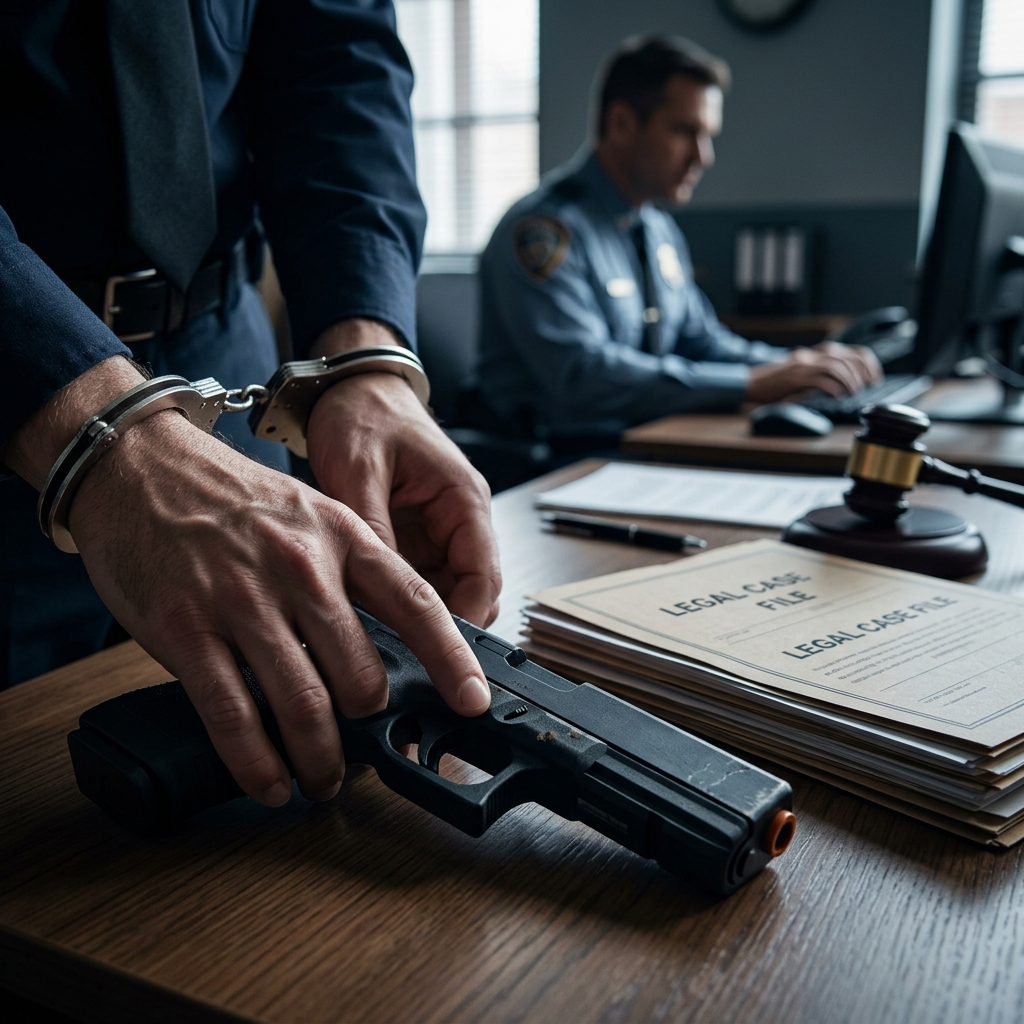
Many people assume that if a gun or knife used in a robbery turns out to be fake, the crime is somehow less serious. In reality, modern criminal law often treats a robbery committed with an imitation firearm or other fake weapon nearly the same as one committed with a real, loaded gun.
This article explains why the authenticity of the weapon often matters less than the fear and threat created, how different laws approach imitation weapons, what penalties are possible, and what defenses might be available.
Understanding Robbery and the Role of Weapons
Robbery is generally defined as the unlawful taking of property from another person by using force or intimidation. When a weapon is displayed or implied during the crime, it usually becomes armed robbery, carrying higher penalties than simple robbery.
In many jurisdictions, the law focuses on whether the offender:
- Took property or attempted to take property from a person
- Used or threatened force
- Created a reasonable belief that a dangerous weapon was present
The last element is what makes fake-weapon cases so important: if the victim reasonably believes a gun or other deadly weapon is being used, courts often treat the situation as if the weapon were real.
What Counts as a “Fake” or Imitation Weapon?
A weapon may be considered fake, simulated, or non-functional in several ways:
- Toy guns or replica firearms that cannot fire real ammunition
- BB guns, pellet guns, or airsoft pistols
- Unloaded firearms or guns missing critical parts
- Everyday objects made to look like weapons, such as a hand concealed under clothing to mimic a gun
Despite being fake or incapable of firing, these objects can still be treated as dangerous weapons if they appear real and are used to create fear during a robbery.
Why Victim Perception Often Matters More Than Reality
Courts and legislatures increasingly focus on the victim’s perception of danger, not the actual capability of the weapon. The key question in many cases is:
Would a reasonable person in the victim’s position have believed that the weapon was real and that they were in serious danger?
Several principles support this approach:
- The emotional and psychological trauma for the victim is similar regardless of whether the gun is real or fake.
- The presence or apparent presence of a weapon increases the risk of violence, including responses from police or bystanders who may use real force.
- The law aims to discourage criminals from using realistic replicas to circumvent armed robbery statutes.
For example, in bank robbery cases under U.S. federal law, the Supreme Court has held that even an unloaded handgun can qualify as a “dangerous weapon” for enhanced penalties because it threatens harm and can provoke a violent response. While this case involved an unloaded real gun, the reasoning has influenced how courts think about realistic imitation weapons as well.
How Different Laws Treat Robbery with Fake Weapons
Criminal statutes vary by state and country, but several themes recur in how fake weapons are treated during robberies.
| Legal Question | Common Approach in Many Jurisdictions |
|---|---|
| Does it matter that the weapon is fake? | Usually not, if the victim reasonably believes the weapon is real and dangerous. |
| Is robbery with a fake gun a felony? | Often yes, and it may carry the same or similar penalties as robbery with an actual firearm. |
| How is “dangerous weapon” defined? | Broadly; can include any item that appears capable of causing death or serious injury, even if it cannot actually do so. |
| Is display required? | In many laws, the imitation weapon must be shown or used to threaten; merely having a hidden toy gun may not trigger armed-robbery enhancements. |
Examples from State and Federal Law
- State robbery laws: Some states specifically mention “imitation firearm” or “replica weapon” and treat its use during a robbery as a felony with penalties comparable to using a real deadly weapon.
- Broad “dangerous weapon” definitions: Other states do not distinguish between real and fake weapons but define a dangerous weapon to include any object that appears capable of causing serious harm, allowing prosecutors to charge armed robbery when an imitation gun is used.
- Federal bank robbery law: Under federal law, using a dangerous weapon or device during a bank robbery triggers enhanced penalties even if the object is not operational, as long as it is used to threaten or put someone in jeopardy.
Potential Penalties: Why Fake Weapons Are Still High-Risk
Because fake weapons are often treated as if they were real, the possible penalties can be very severe. Depending on the jurisdiction and the specific statute, consequences may include:
- Felony conviction for armed robbery or a similar offense, rather than a lower-level theft or simple robbery charge
- Lengthy prison sentences, sometimes measured in decades for armed robbery, even where no physical injury occurs
- Mandatory minimum sentences that limit or eliminate the judge’s ability to impose probation or a reduced term
- Substantial fines and restitution orders to repay the victim or financial institution
- Long-term consequences, including a permanent criminal record, difficulty finding employment, and restrictions on civil rights such as voting or firearm possession
In some states, repeated convictions for armed robbery or similar violent felonies can lead to enhanced sentencing ranges or habitual offender statutes, further increasing prison exposure.
Other Legal Risks When Fake Weapons Are Involved
Using or displaying a fake weapon in public can cause legal problems even when no robbery occurs. For example:
- Disorderly conduct or disturbing the peace charges for brandishing a realistic toy gun in public spaces
- Unlawful possession of a weapon or violation of local ordinances regulating imitation firearms, especially if they lack required markings or are carried in prohibited areas
- Assault or threat-related charges if the fake weapon is used to intimidate or menace others outside the context of a robbery
Additionally, police or bystanders cannot always tell that a weapon is fake. This can lead to dangerous confrontations and, in extreme cases, the use of real deadly force in self-defense or by law enforcement, with significant legal and safety consequences.
Common Defenses in Fake-Weapon Robbery Cases
Although robbery with a fake weapon is treated seriously, several defenses may be available depending on the facts and the law in the relevant jurisdiction.
1. Challenging the Alleged Weapon or Appearance
A defendant might argue that the object used did not reasonably appear to be a deadly weapon. For instance:
- The toy gun was obviously a brightly colored prop
- The object could not realistically be mistaken for a firearm or knife
- No object was displayed at all, and the victim’s belief was based on assumption rather than the defendant’s conduct
If a court or jury finds that a reasonable person would not have believed a dangerous weapon was present, this could result in a reduction of the charge from armed robbery to a lesser offense.
2. Disputing the Victim’s Perception and Fear
Because victim perception is central, the defense may examine:
- Lighting, distance, and visibility at the time of the incident
- Whether the victim clearly saw the object
- Statements the defendant made or did not make about having a weapon
If the circumstances suggest that the victim’s fear was not objectively reasonable, that can weaken the argument for a dangerous weapon enhancement.
3. Lack of Intent to Commit Robbery
As with all theft-related crimes, the prosecution must show the defendant intended to permanently deprive the victim of property. It may be a defense to argue that:
- The incident was a misunderstanding or joke that escalated
- The accused had no plan to take property
- No demand for money or valuables was actually made
The presence of a fake weapon without an intent to steal might lead to other charges, such as threat or disorderly conduct, rather than robbery.
4. Mistaken Identity or Insufficient Evidence
In some cases, the defense may focus on whether law enforcement has correctly identified the suspect. This can include challenging:
- Eyewitness identification procedures
- Reliability of surveillance footage
- Gaps or inconsistencies in the investigation
Because armed robbery is a serious felony, courts usually require strong evidence to convict beyond a reasonable doubt.
Practical Takeaways: Why Fake Weapons Are Not a “Legal Loophole”
From a legal and safety standpoint, using a fake weapon during any crime is extremely risky and offers almost no advantage over using a real weapon. Key reasons include:
- Similar penalties: Many laws impose the same or nearly the same punishment for using an imitation firearm as for a real one.
- High danger: Victims, bystanders, and police are likely to respond as if the weapon were real, potentially leading to serious injury or death.
- No guaranteed downgrade: The fact that a weapon is fake rarely leads to a large reduction in charges once the case is filed, especially if the victim clearly believed it was real.
At the same time, minor differences in facts—such as whether the fake weapon was ever shown, how realistic it looked, and what the defendant said—can influence whether the prosecution can prove armed robbery or only a lesser offense.
Frequently Asked Questions
Is robbery with a fake gun still considered armed robbery?
In many jurisdictions, yes. If the fake gun looks real enough that a reasonable person would believe it is capable of causing serious harm, the law may treat the crime as armed robbery or a comparable aggravated offense, even if the gun cannot actually fire.
Does it help my case if the gun was unloaded or broken?
Often not. Courts have held that even an unloaded functional firearm can be a “dangerous weapon” for purposes of enhanced penalties in robbery cases, because it creates fear and the risk of violent reactions. The fact that the gun is unloaded or inoperable may have some limited relevance at sentencing, but it usually does not eliminate the armed-robbery charge.
What if the victim never actually saw the fake weapon?
If the victim only assumed a weapon was present, and the defendant never displayed an object or clearly claimed to have a gun, prosecutors may have a harder time proving the “use” of a dangerous weapon. Some laws require that the imitation weapon be shown or used in a way that puts the victim in fear, rather than simply being hidden.
Can I be charged just for carrying a fake gun in public?
Yes, in some situations. Many states and cities have specific rules about imitation firearms, and carrying or brandishing a realistic fake gun in public can result in charges such as disorderly conduct, unlawful possession of a weapon, or related offenses, even if no robbery occurs.
Do I need a lawyer if I am accused of robbery with a fake weapon?
Because these cases are usually prosecuted as serious felonies with the possibility of long prison terms, legal representation is critical. A defense attorney can review the evidence, investigate how realistic the weapon appeared, evaluate the victim’s perception, and advise on possible defenses or plea options.
References
- Can You Be Charged with Robbery Using a Fake Weapon? Legal Insights Explained — The Defense Firm. 2023-05-12. https://thedefensefirm.com/can-you-be-charged-with-robbery-using-a-fake-weapon-legal-insights-explained/
- Is robbery with a fake gun still a serious criminal offense? — Tully, Turner & Sweeney. 2023-11-09. https://www.ttsblaw.com/blog/2023/11/is-robbery-with-a-fake-gun-still-a-serious-criminal-offense/
- Armed Robbery Charges With a Fake Weapon — Eric G. Johnson, Attorney at Law. 2022-04-18. https://www.ericgjohnsonlaw.com/blog/fake-weapon-armed-robbery-charges/
- When a Costume Turns Criminal: How Fake Guns and Props Can Lead to Arrest — Hebets & McCallin, P.C. 2021-10-15. https://www.hebetsmccallin.com/when-a-costume-turns-criminal-fake-guns-and-props-arrest/
- Criminal Resource Manual 1351: Assault/Use of Dangerous Weapon During Bank Robbery — U.S. Department of Justice. 2015-01-20. https://www.justice.gov/archives/jm/criminal-resource-manual-1351-assaultuse-dangerous-weapon-during-bank-robbery
- Self-Defense and the Use of Force — National Institute of Justice. 2017-06-01. https://nij.ojp.gov/topics/articles/reluctant-partners-self-defense-and-use-force
Similar Articles








Read full bio of Sneha Tete




