
Legal Disputes With Bad Credit Lenders: Rights, Risks, and Remedies
Understand how bad credit lending works, common dispute situations, and the legal tools you can use to challenge unfair or abusive practices.
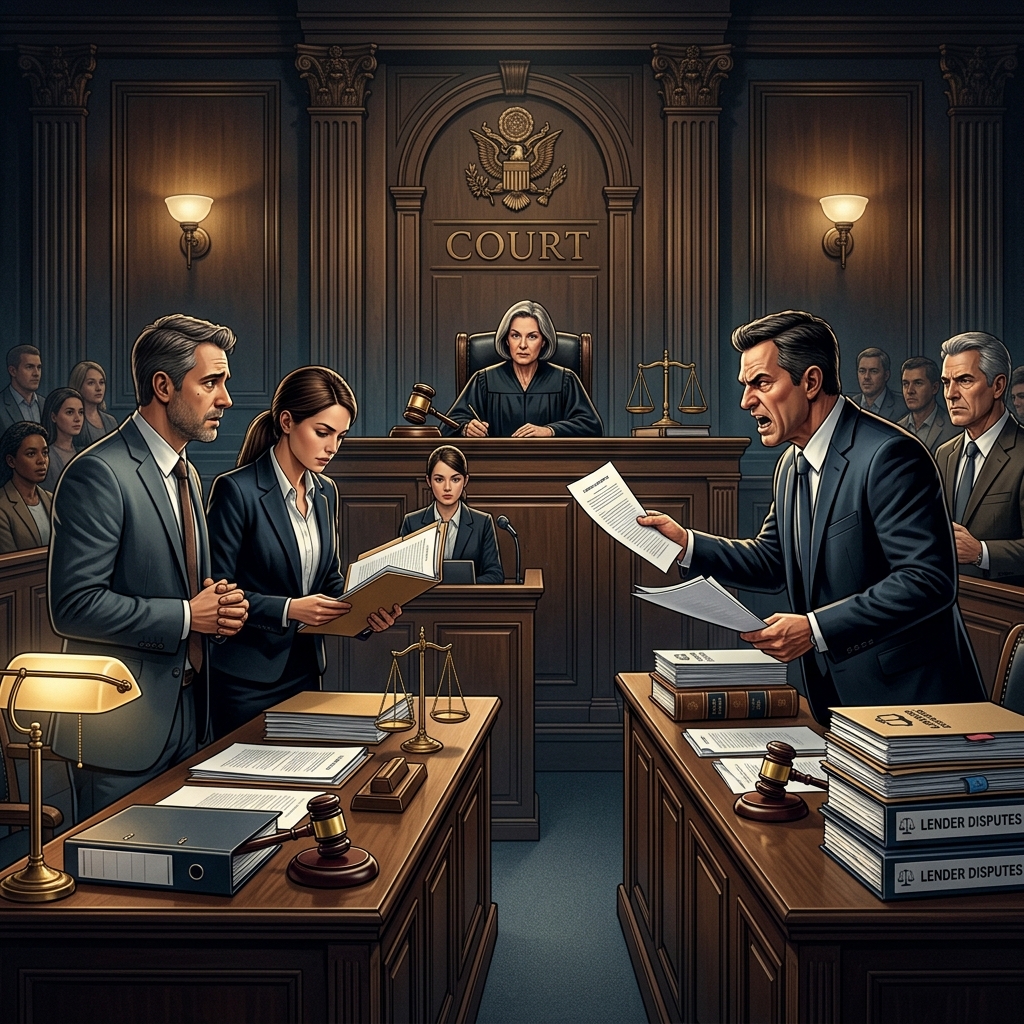
Borrowers with poor credit often turn to bad credit lenders as a last resort when traditional banks refuse to extend loans. These high-risk loans can offer critical short-term relief, but they also carry significant legal and financial dangers, including high interest rates, aggressive collection tactics, and frequent disputes over contract terms and credit reporting. Understanding how these lenders operate and what rights you have under federal and state law is essential to protect yourself and respond effectively when conflicts arise.[10]
1. What Makes Bad Credit Lending Different?
Bad credit lenders specialize in offering credit to consumers who are considered high-risk because of low credit scores, past late payments, or prior defaults. To offset the perceived risk of nonpayment, these lenders commonly use pricing and contract features that can be far more burdensome than those used by mainstream financial institutions.[10]
Key characteristics of many bad credit loans include:
- High interest rates and fees that significantly increase the total cost of borrowing over time.[10]
- Short repayment periods that can make it difficult for borrowers to keep up with due dates.
- Secured structures, such as using a car title or other property as collateral, increasing the risk of loss if you default.
- Complex or unclear contract language that makes it hard for consumers to understand their true obligations and risks.
Legitimate lenders must comply with federal laws such as the Truth in Lending Act (which requires clear disclosure of loan costs) and the Fair Credit Reporting Act (FCRA), which governs how loan information appears on your credit reports. However, some bad credit lenders use practices that push the boundaries of these rules or violate them altogether, setting the stage for legal disputes.
2. Common Sources of Disputes With Bad Credit Lenders
Conflicts between borrowers and bad credit lenders typically arise where cost, contract terms, or reporting practices intersect with consumer expectations and legal protections. Below are some frequent dispute scenarios.
2.1 Disagreements Over Interest, Fees, and Total Cost
Borrowers may discover that the amount they must repay is much higher than they anticipated. Disputes often involve:
- Unexpected fees, such as late charges, origination fees, or prepayment penalties.
- Misunderstood annual percentage rates (APR), where the true cost of credit was not clearly explained.
- Rolled-over or refinanced balances that compound interest and increase total repayment dramatically.
Where disclosures are incomplete or misleading, borrowers may have legal grounds to challenge the lender’s practices under consumer protection statutes.
2.2 Alleged Predatory or Abusive Lending Practices
Some bad credit lenders are involved in behavior commonly described as predatory lending. Typical red flags include:
- Advertising that bad or no credit is “no problem” while hiding very high costs or unfair terms.
- Pressuring borrowers to take larger loans than needed or to refinance repeatedly.
- Structuring loans so that default is highly likely, making repossession or collection inevitable.
- Failing to evaluate a borrower’s ability to repay in a realistic way.
These practices can lead to claims under state unfair or deceptive acts and practices laws, as well as potential violation of federal rules enforced by agencies such as the Consumer Financial Protection Bureau (CFPB).
2.3 Collection Tactics and Harassment
When borrowers fall behind, disputes frequently escalate over how the lender or its collection agents attempt to recover the debt. Aggressive or abusive collection activities can raise legal concerns, especially if third-party debt collectors are involved and must comply with the Fair Debt Collection Practices Act (FDCPA). Borrowers may challenge:
- Harassing phone calls, threats, or use of intimidating language.
- Contacting employers, neighbors, or family members in ways that violate privacy rules.
- Misrepresenting the amount owed or falsely threatening arrest or legal action.
Though the FDCPA technically applies to third-party collectors rather than original lenders, many states impose similar standards on in-house collection departments, giving borrowers a basis to raise disputes or complaints.
2.4 Credit Reporting Errors and Negative Marks
Bad credit lenders frequently report account information to the major credit bureaus (Equifax, Experian, and TransUnion). Errors or incomplete data on these reports can severely affect a borrower’s ability to obtain new credit, rent housing, or even secure employment. Examples include:
- Listing payments as late that were made on time.
- Failing to show that a loan was paid in full or settled.
- Reporting loans as still open when they have been closed.
- Duplicating negative accounts across multiple tradelines.
Under the FCRA, you have the right to dispute inaccurate or incomplete information directly with both the credit reporting company and the lender (called the “furnisher” of information). These disputes are a central component of many conflicts involving bad credit lenders.
3. How High-Risk Loans Shape the Legal Landscape
Bad credit loans are often described as high-risk loans because lenders see a substantial chance that borrowers will default. To manage this risk, lenders adopt strategies that affect both the cost of the loan and the likelihood of dispute.[10]
| Feature | Impact on Borrower | Potential Legal Issue |
|---|---|---|
| High interest rates | Raises monthly payment and total repayment cost | Usury or state interest caps, disclosure violations |
| Multiple fees | Hidden or unexpected charges increase burden | Unfair or deceptive practices |
| Collateral | Risk of losing car, home, or other property on default | Improper repossession or foreclosure procedures |
| Frequent refinancing | Prolongs indebtedness and compounds interest | Predatory lending schemes |
Because these features make default more likely, bad credit lenders often rely heavily on strict enforcement provisions, including rapid repossession or aggressive collection. Disputes arise when borrowers argue that the lender’s risk-management strategy crosses legal lines or fails to comply with required consumer protections.
4. Your Legal Rights in Disputes With Bad Credit Lenders
Even if your credit is poor, you still have robust legal rights governing how loans are offered, administered, collected, and reported. Knowing these rights can be decisive when disputing a bad credit lender’s conduct.
4.1 Right to Accurate Credit Reporting
Under the FCRA, credit reporting companies and furnishers must ensure the information they report is accurate and complete. If a bad credit lender reports incorrect data about your account, you have the right to:
- Dispute the error with the credit bureaus in writing, online, or by phone.
- Dispute the error directly with the lender that furnished the information.
- Expect an investigation in most cases within about 30 days, followed by correction or deletion where appropriate.
If a lender or credit bureau fails to correct clear inaccuracies, you may seek legal remedies, including damages for willful or negligent noncompliance.
4.2 Right to Clear Loan Terms and Cost Disclosures
Federal law requires lenders to disclose the key terms of credit, including interest rate, APR, total finance charges, and repayment schedule, in a manner that consumers can understand before they agree to the loan. When bad credit lenders obscure these details or misrepresent costs, borrowers may challenge the loan as unfair or deceptive and may have claims under federal and state law.
4.3 Right to Fair Collection Practices
While original lenders are treated differently from third-party debt collectors, many states extend FDCPA-like rules to all entities collecting consumer debts. At minimum, you are generally protected against:
- Threats of violence or criminal prosecution.
- Use of obscene or abusive language.
- Public shaming strategies, such as posting your debt information publicly.
- Repeated calls intended solely to harass.
Documenting any abusive behavior is critical if you later decide to file complaints or pursue legal action.
5. Practical Steps for Borrowers in Conflict With Bad Credit Lenders
When a dispute arises, acting promptly and methodically improves your chances of a favorable outcome. The following steps focus especially on correcting credit reporting issues and addressing unfair loan practices.
5.1 Review Your Credit Reports and Loan Documents
Begin by gathering information:
- Obtain free copies of your credit reports from Equifax, Experian, and TransUnion through the authorized portal AnnualCreditReport.com.
- Compare each loan entry from the bad credit lender against your records to identify errors in balances, payment dates, or account status.
- Collect your loan contract, payment history, correspondence, and any notices the lender has sent.
Having a complete set of documents allows you to frame your dispute clearly and support your claims with evidence.
5.2 Dispute Credit Report Errors Correctly
If your dispute involves inaccurate reporting by a bad credit lender, follow a structured approach to contest the information. Authoritative consumer guidance recommends that you:
- Contact each credit bureau that shows the error, explaining what is wrong and why.
- Include supporting documents, such as payment receipts, letters from the lender, or bank statements.
- Enclose a copy of your credit report with the disputed items highlighted or circled.
- Send letters by certified mail with return receipt if you dispute by mail, so you have proof of delivery.
Credit reporting companies typically must investigate and respond, often within about 30 days, and correct or delete inaccurate information where appropriate. If they do not resolve the issue, you can escalate the matter (as described below).
5.3 Raise the Dispute Directly With the Lender
In addition to contacting credit bureaus, you may dispute the information with the lender itself. A clear written letter should:
- Identify the account in question and describe the disputed information.
- Explain why the lender’s data is incorrect or misleading.
- Request specific corrections, such as updating a payment status or closing an account properly.
Sending this correspondence by certified mail helps you track the lender’s response and demonstrate that you gave them an opportunity to fix the error before escalating further.
5.4 File Complaints With Regulatory Agencies
If neither the lender nor the credit bureaus adequately address your concerns, you may file a complaint with a government agency. For credit reporting and lending issues, the CFPB collects and investigates consumer complaints, including those about errors that businesses refuse to correct. State attorneys general and state financial regulators also accept complaints about unfair or predatory lending practices.
Filing a complaint does not guarantee a particular outcome, but it increases regulatory scrutiny on the lender and can pressure the company to resolve the dispute.
5.5 Consider Legal Representation
When damages are significant or you encounter persistent refusal to correct clear errors, consulting with a consumer law or finance attorney can be valuable. Lawyers may help you:
- Assess whether the lender violated federal laws such as the FCRA or state consumer protection statutes.
- File a lawsuit seeking correction of inaccurate information and monetary damages for harm caused.
- Negotiate a settlement that adjusts loan terms or resolves contested balances.
Legal action is a serious step, but it can be necessary when disputes with bad credit lenders result in lasting harm to your financial reputation and opportunities.
6. Minimizing Risk Before You Borrow
The best way to avoid serious disputes is to reduce the need for high-cost, high-risk bad credit loans altogether. While that may not be possible in every situation, several strategies can help limit exposure.
- Check your credit in advance so you know where you stand and can identify errors before applying for loans.
- Dispute inaccuracies on your reports promptly, improving your score and potentially qualifying you for better loan terms.
- Shop around among multiple lenders and compare interest rates, fees, and repayment schedules rather than accepting the first offer.
- Watch for predatory lending warning signs, such as promises that credit status is “no problem” or pressure to borrow quickly without full explanation of costs.
- Explore alternatives such as credit union loans, hardship programs with existing creditors, or secured loans that may carry lower rates.
These preventive steps do not guarantee you will avoid conflict, but they reduce the likelihood that you will be forced into particularly dangerous loan arrangements or exposed to inaccurate reporting.
7. FAQs About Bad Credit Lenders and Legal Disputes
Q1: Are bad credit lenders always predatory?
Not necessarily. Some lenders legitimately serve higher-risk borrowers and comply with all relevant laws, but others rely on unfair or abusive practices. The presence of very high interest or fees does not, by itself, prove illegality, though it may warrant closer scrutiny of the lender’s conduct and disclosures.[10]
Q2: Can I dispute a bad credit loan that I already repaid?
Yes. If a lender reports that your loan is still open, shows an incorrect balance, or continues to list late payments that were cured, you can dispute those entries with the credit bureaus and the lender as the information furnisher. Accurate reporting remains required even after repayment.
Q3: What if a credit bureau refuses to change obviously wrong data?
If a bureau declines to correct data despite strong documentation, you may file a complaint with the CFPB and consider speaking with an attorney about bringing claims under the FCRA for failure to conduct a reasonable investigation. Courts can award damages if the bureau or lender’s noncompliance caused measurable harm.
Q4: Do credit disputes hurt my chances of getting future loans?
In some underwriting systems, active disputes on a credit report can affect loan applications, especially mortgage loans, because lenders may treat disputed tradelines differently. Once errors are resolved and disputes are removed, accurately improved credit information can help you qualify for more favorable terms.
Q5: When should I seek legal help instead of handling disputes on my own?
You may wish to consult a lawyer when the amount in question is large, when inaccurate reporting has led to major losses (such as denial of a mortgage or job), or when repeated dispute efforts with bureaus and the lender have failed. Legal guidance can clarify your options and help you navigate court procedures if necessary.
References
- Disputing Errors on Your Credit Reports — Federal Trade Commission. 2023-08-01. https://consumer.ftc.gov/articles/disputing-errors-your-credit-reports-0
- How do I dispute an error on my credit report? — Consumer Financial Protection Bureau. 2023-02-14. https://www.consumerfinance.gov/ask-cfpb/how-do-i-dispute-an-error-on-my-credit-report-en-314/
- How to Dispute Errors in a Credit Report — Texas Law Help. 2022-11-10. https://texaslawhelp.org/article/how-to-dispute-errors-in-a-credit-report
- How to Dispute Credit Report Errors and Protect Your Credit Score — Nolo. 2023-06-20. https://www.nolo.com/legal-encyclopedia/disputing-incomplete-and-inaccurate-information-in-your-credit-report.html
- How to Get a Loan With Bad Credit — Experian. 2024-05-15. https://www.experian.com/blogs/ask-experian/how-to-get-a-loan-with-bad-credit/
- Avoid Abusive and Illegal Lending — American Bankers Association. 2023-03-01. https://www.aba.com/advocacy/community-programs/consumer-resources/protect-your-money/avoid-predatory-lending-scams
- Disputes over High Risk Loans — LegalMatch. 2023-07-05. https://www.legalmatch.com/law-library/article/disputes-over-high-risk-loans.html
Similar Articles








Read full bio of Sneha Tete




