
Practical Guide to Avoiding Consumer Fraud
Learn how to spot, avoid, and report consumer fraud in everyday transactions, online and offline, before scammers get your money or data.
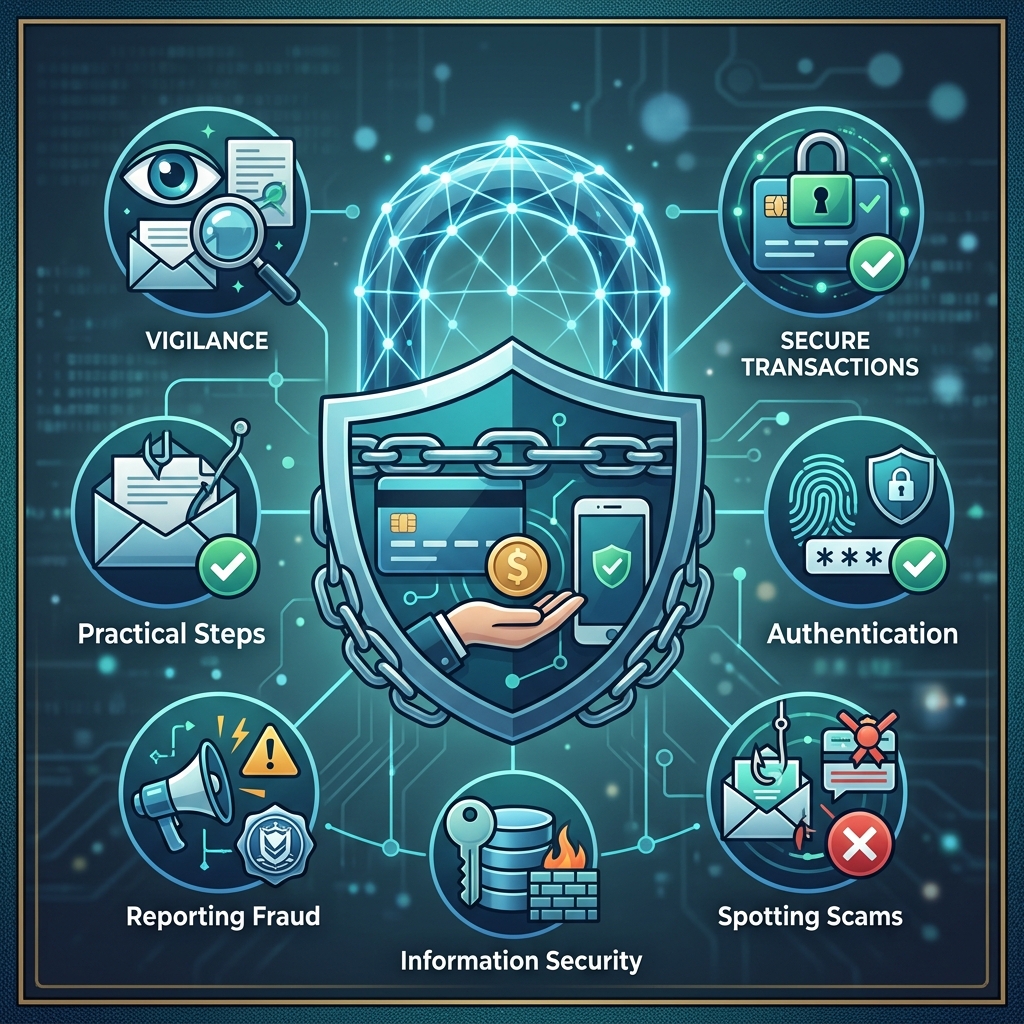
Consumer fraud is any deceptive practice that tricks people into giving up money, property, or personal information. It can happen over the phone, online, by mail, or in person, and it affects millions of people every year. To protect yourself, you need to recognize how scams work, spot warning signs quickly, and know what actions to take when something feels wrong.
Understanding Consumer Fraud in Everyday Life
Fraudsters use many tactics, but their goal is always the same: convince you to act before you have time to think. Government agencies and consumer protection organizations highlight that scams often rely on urgency, fear, confusion, or fake rewards to push you into handing over money or personal data.
Modern consumer fraud covers a wide range of schemes, including bogus prize offers, fake tech support, identity theft, deceptive charities, phony debt collection, and investment swindles. While the details differ, the protective strategies you use are surprisingly similar across all of these situations.
Common Types of Consumer Scams You Might Encounter
Knowing typical scam patterns makes it easier to recognize trouble early and walk away. Official consumer protection agencies regularly publish lists of common fraud types.
- Impersonation scams: Someone pretends to be from a government agency, bank, utility, charity, or well-known company and asks for money or personal information.
- Tech support scams: A caller or pop-up claims your computer or phone has a virus and insists you grant remote access or pay to fix a non-existent problem.
- Prize, lottery, and sweepstakes scams: You are told you have won money or a gift, but must pay fees, taxes, or buy gift cards before you can receive the prize.
- Debt and collection scams: A supposed collector threatens lawsuits, arrest, or wage garnishment unless you pay immediately, often for debts you do not recognize.
- Home improvement and contractor fraud: Door-to-door contractors offer once-only deals, demand large upfront payments, then do poor-quality work or disappear.
- Charity scams: Fraudsters exploit emergencies or disasters, posing as charities and requesting donations without transparency or proper registration.
- Money mule schemes: A stranger asks you to receive, move, or forward funds or packages through your bank account, often as part of a larger criminal operation.
Four Core Warning Signs That Signal a Scam
Even if a scam looks new, many share a small set of recognizable red flags. The U.S. Federal Trade Commission and other consumer agencies outline several typical signs.
| Warning Sign | What It Looks Like | How to Respond |
|---|---|---|
| Impersonation | Caller or sender claims to be from the government, your bank, a utility, or major company you recognize. | End the contact. Use official contact information (on statements or official websites) to verify independently. |
| Problem or Prize | You’re told there is an urgent problem (legal, financial, computer) or that you’ve won something valuable. | Slow down. Do not pay or provide information until you confirm details through trusted sources. |
| Pressure to Act Now | You’re pushed to decide immediately, threatened with consequences, or told you cannot hang up. | Refuse the rush. Legitimate businesses allow time to review terms and consider options. |
| Odd Payment Methods | You’re asked to pay with gift cards, wire transfers, cryptocurrency, or by giving remote computer access. | Treat as a scam. Do not send money or codes. Real organizations do not require these methods for urgent payments. |
Digital Safety: Protecting Yourself Online and by Email
Online communication is now a prime target for scammers. Financial regulators emphasize that safe online habits sharply reduce your risk of fraud and identity theft.
Key Online Protection Practices
- Be skeptical of unexpected messages: Do not open emails, links, or attachments from people you do not know, and be careful even with messages that appear to be from friends if something feels off.
- Check website security: Before entering personal data, confirm the site uses HTTPS and belongs to the organization it claims to represent.
- Use strong, unique passwords: Follow cybersecurity guidance to create long, complex passwords and avoid reusing them across accounts.
- Keep devices and software updated: Install security updates, antivirus tools, firewalls, and email filters to reduce exposure to malware and phishing attacks.
- Limit the personal details you share: Protect your birthdate, Social Security number, account numbers, and other sensitive information. Only provide them when there is a clear need on a secure, trusted channel.
Financial Safety: Guarding Your Money and Identity
Scammers often aim directly at your financial accounts or seek enough personal data to impersonate you. Federal agencies recommend combining vigilance with routine monitoring.
- Review bank and card statements regularly: Look often for unfamiliar charges or transfers. Report anything suspicious to your bank immediately.
- Order and check credit reports: In many jurisdictions, you can obtain periodic credit reports from national bureaus. Review them for accounts you did not open or inquiries you do not recognize.
- Be cautious with account access: Never share login credentials or give remote access to your computer to strangers or unsolicited callers.
- Shred sensitive documents: Destroy paper records containing financial details, account numbers, or personal identifiers instead of throwing them away intact.
- Avoid cash-like payments to unknown parties: Wire transfers, gift cards, and some digital currencies can be difficult or impossible to recover, making them attractive to fraudsters.
Safe Contracting and Home Services
Home repair and service offers can be legitimate or fraudulent. Consumer protection offices advise slowing down the process and checking credentials carefully.
- Only deal with contractors you invited: Treat unsolicited offers, especially door-to-door pitches, as high risk.
- Get several written estimates: Comparing at least three detailed bids helps you spot unrealistic prices or vague promises.
- Check references and prior work: Ask for past clients you can contact and look at online reviews from trusted sources.
- Never pay the full amount upfront: Reasonable deposits may be normal, but large prepayments without clear protections are risky.
- Use a written contract: A clear agreement should describe the work, cost, timeline, and responsibilities of both sides.
How to Respond if You Suspect a Scam
If you think you are dealing with a scam, acting quickly can prevent further harm and help authorities track patterns.
Immediate Steps to Take
- Cut off contact: Hang up the phone, stop replying to messages, and block numbers or accounts when possible.
- Do not send money or data: Once you have doubts, stop payments, avoid clicking links, and decline to share personal information.
- Secure your accounts: Change passwords, enable multi-factor authentication, and alert your bank or card issuer if you shared any financial details.
- Document what happened: Keep screenshots, emails, receipts, and notes about the scammer’s claims. This can help investigators and support any dispute.
Reporting Consumer Fraud
Reporting scams protects you and helps others. National and state agencies encourage consumers to share information about suspicious activities.
- File a complaint with consumer protection authorities: Many countries have a central consumer agency or financial regulator that collects fraud reports and provides guidance.
- Notify local law enforcement: If money has been taken or you feel threatened, contact local police or other appropriate authorities.
- Contact your bank or card issuer: Report fraudulent transactions promptly; financial institutions may be able to reverse charges or block compromised accounts.
- Inform the affected organization: If the scammer pretended to be a known company, share the details with that company’s fraud or security department.
Building Long-Term Fraud Awareness
Fraud prevention is not a one-time task. Because scammers constantly adjust their tactics, staying informed is a crucial part of protection.
- Keep up with official scam alerts: Consumer agencies and financial regulators publish updates on new scam patterns and threats.
- Talk about scams with family and friends: Sharing experiences and warnings helps others avoid similar traps and creates a culture of skepticism toward suspicious offers.
- Teach children to be cautious online: Encourage them to question “too good to be true” offers, avoid sharing personal information, and ask an adult before responding to unusual messages.
- Review your habits regularly: Periodically evaluate how you handle email, phone calls, social media, and financial transactions, and adjust as needed when new technologies or risks emerge.
Frequently Asked Questions About Consumer Fraud
How can I tell if a phone call is legitimate?
Legitimate callers do not demand immediate payment, threaten arrest, or insist you pay with gift cards, wire transfers, or cryptocurrency. If you receive a call claiming to be from the government, a bank, or a utility that asks for personal or financial information, end the call and contact the organization using a trusted phone number listed on official documents.
What should I do if I clicked a suspicious link?
Disconnect from the website, avoid entering any information, and run security scans on your device using reputable antivirus or security tools. Consider changing passwords for important accounts and enabling multi-factor authentication. If you entered financial details, contact your bank or card issuer immediately to review and secure your accounts.
Is it safe to send money to people I meet online?
Sending money, gift card codes, or cryptocurrency to people you only know online is high risk. Fraudsters often build trust over time and then request funds for emergencies, investments, or business opportunities. Official guidance strongly advises against wiring money or using cash-like payments for individuals or entities you cannot independently verify.
Can I recover money lost to a scam?
Recovery depends on how the money was sent and how quickly you act. Some card issuers and banks can reverse unauthorized transactions, but wire transfers, gift cards, and many cryptocurrency payments are usually difficult or impossible to reclaim. Report the scam promptly to your financial institution and relevant authorities to improve your chances and help prevent future harm.
Why should I bother reporting a scam if my money is already gone?
Reporting provides investigators with valuable information that may link separate cases, identify patterns, and support enforcement actions against scammers. It also helps consumer agencies issue timely warnings to the public and may assist in the development of stronger protections. Even when individual losses cannot be fully recovered, your report contributes to broader prevention.
References
- Avoiding Scams and Scammers — Federal Deposit Insurance Corporation (FDIC). 2021-10-12. https://www.fdic.gov/consumer-resource-center/2021-10/avoiding-scams-and-scammers
- Scams — Federal Trade Commission, Consumer Advice. 2024-03-01. https://consumer.ftc.gov/scams
- Fraud and Scams — Consumer Financial Protection Bureau. 2023-06-15. https://www.consumerfinance.gov/consumer-tools/fraud/
- Consumer Fraud Awareness and Prevention — Office of the Comptroller of the Currency (OCC). 2022-09-30. https://www.occ.gov/topics/consumers-and-communities/consumer-protection/fraud-resources/types-of-consumer-fraud.html
- Common Scams — Office of the Texas Attorney General, Consumer Protection. 2023-02-20. https://www.texasattorneygeneral.gov/consumer-protection/common-scams
- Tips to Prevent Consumer Fraud — Illinois Attorney General (Brochure PDF). 2022-08-01. https://illinoisattorneygeneral.gov/Page-Attachments/TipsToPreventConsumerFraudBrochure.pdf
- Avoiding Scams — International Consumer Protection and Enforcement Network (ICPEN). 2021-05-10. https://www.icpen.org/avoiding-scams
Similar Articles








Read full bio of medha deb


