
Removing a Subletter Who Refuses to Leave
Practical legal guidance for tenants and landlords facing a subletter who won’t move out after the sublease ends or rules are violated.
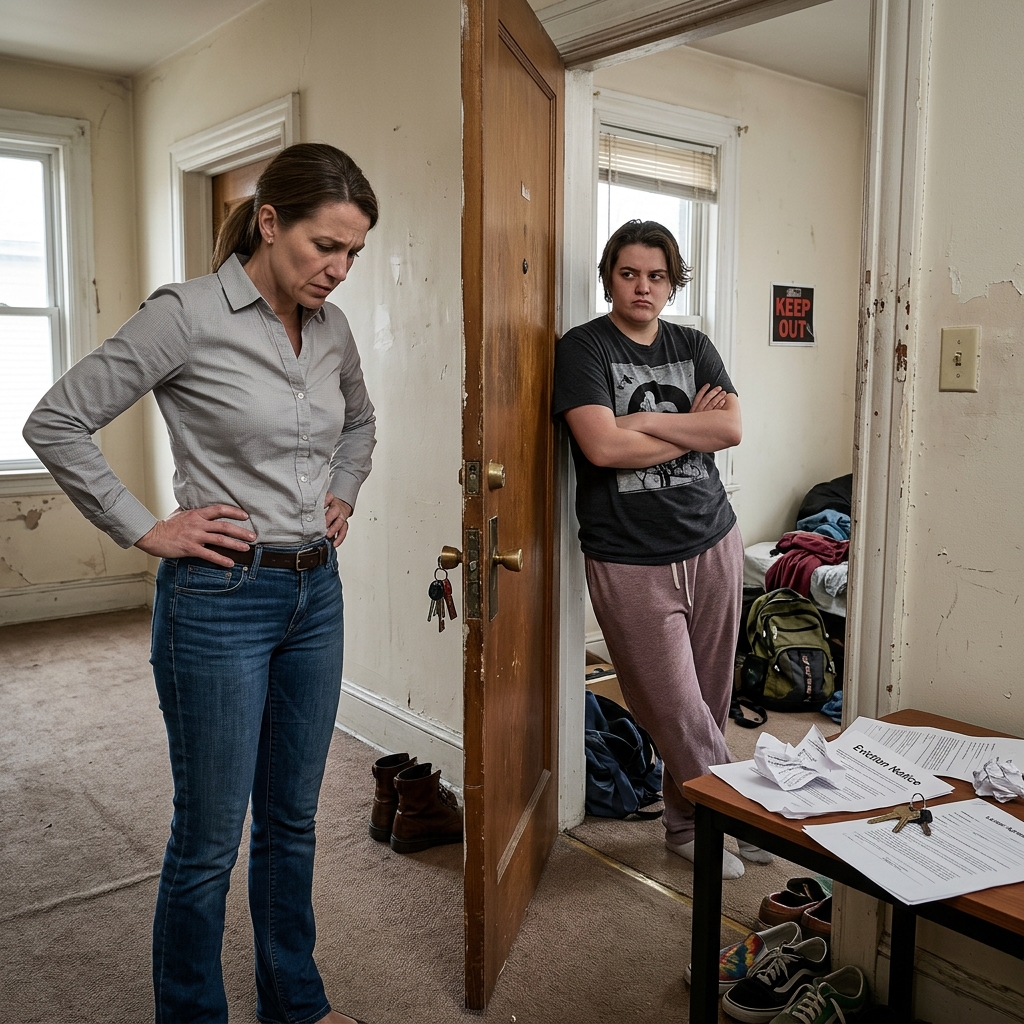
Subletting can be a useful way to share housing costs or cover rent while you are away, but it sometimes leads to a difficult situation: a subletter who will not move out when their time is up. In most jurisdictions, a subletter has similar legal protections to any other tenant, meaning you cannot simply change the locks or throw out their belongings. To avoid significant legal trouble, you must follow proper procedures and, if necessary, use the court system to end their occupancy.
Understanding Roles: Tenant, Subtenant, and Landlord
When dealing with a subletter, it is essential to understand who is responsible for what. The law usually treats a subletter as a type of tenant, even if they are not named on the main lease.
| Role | Contractual Relationship | Primary Responsibilities |
|---|---|---|
| Landlord | Lease agreement with the original tenant (often called the master tenant). | Maintains the property in habitable condition, enforces lease terms, can evict tenants through court if needed. |
| Master Tenant | Lease with landlord; sublease agreement with subletter. | Pays rent to landlord, manages relationship with subletter, may need to evict subletter through court. |
| Subletter (Subtenant) | Sublease or informal agreement with the master tenant. | Pays rent to master tenant, follows sublease and house rules, has legal eviction protections similar to tenants. |
Because the landlord’s contract is with the master tenant, not the subletter, the landlord usually looks to the master tenant for rent and compliance with the lease. However, both landlords and master tenants must respect the subletter’s legal rights when ending the subtenancy.
Common Reasons a Subletter May Be Removed
A subletter can generally be evicted for the same types of reasons that apply to standard tenants, as long as local law and any agreements are followed.
- Non-payment of rent – Failing to pay agreed rent to the tenant or landlord.
- Staying past the end of the sublease – Remaining after the agreed move-out date.
- Serious lease violations – Such as repeated disturbances, unauthorized occupants, smoking where prohibited, or illegal activity.
- Property damage – Causing significant damage beyond normal wear and tear.
- Unauthorized subletting – A tenant sublets without the landlord’s required consent, creating an unauthorized subtenant.
In some cases, the tenant has permission to sublet, but the subletter simply refuses to leave when expected. In other situations, the landlord discovers an unauthorized subletter. The available options depend on the lease terms and local law.
Initial Steps Before Considering Eviction
Before turning to the courts, it is usually wise to try to resolve the situation directly. This can save both time and money, and may avoid a contested eviction.
1. Review the Lease and Any Sublease
Begin by carefully reading the main lease agreement and any written sublease or rental agreement you have with the subletter.
- Look for clauses on subletting, authorized occupants, and eviction procedures.
- Confirm whether the landlord’s written consent to subletting was required and obtained.
- Check notice requirements (for example, 30 days or more) to end month-to-month arrangements, if applicable.
Understanding the written agreements helps you determine whether the subletter is violating terms or simply needs proper advance notice to leave.
2. Check Local Landlord-Tenant Laws
Eviction rules vary considerably from state to state and city to city. Many places require specific types of notice and timelines, and some offer extra protections to residential tenants.
- States like California require an appropriate written termination notice in many situations.
- Cities such as New York typically require a court case and a marshal or sheriff to carry out any physical removal.
- Local law may limit blanket prohibitions on subletting or impose special rules on rent-stabilized units.
Because of these differences, it is often helpful to consult a lawyer or reputable legal resource focused on landlord-tenant law in your area.
3. Try Direct Communication
Many conflicts can be resolved without legal proceedings if both sides communicate clearly and respectfully. Legal guides and practical resources recommend trying a conversation first.
- Explain the situation and why the subletter must leave (lease ending, landlord requiring vacancy, etc.).
- Offer a reasonable timeline for them to move out.
- Document the conversation or follow up with an email summarizing what was discussed.
In some cases, tenants or landlords may offer incentives, such as waiving a portion of unpaid rent, to encourage a subletter to leave voluntarily rather than fight an eviction.
Legal Options When the Subletter Still Will Not Leave
If conversations and written reminders do not resolve the issue, you may need to use formal legal procedures. The specific steps depend on whether you are the landlord or the master tenant and whether the subletter is authorized.
Step 1: Serve a Proper Written Notice
Most jurisdictions require that you serve a written notice before filing an eviction case, except in limited emergency situations.
- Notice to pay or quit – Used when the subletter owes rent, giving them a short period to pay or move out.
- Notice to cure or quit – Directs the subletter to correct a violation (such as unauthorized occupants) or leave.
- Notice to terminate – Ends a month-to-month or expired sublease with the required notice period.
The notice should generally include the reason for removal, the deadline to comply, and any legally required language. Many jurisdictions have specific rules about how the notice must be delivered (for example, personal delivery or posting plus mailing).
Step 2: Filing an Eviction Case
If the notice period expires and the subletter remains, the next step is usually filing an eviction lawsuit (often called an unlawful detainer or summary proceeding) in court.
- Collect evidence, including the lease, any sublease, rent records, and copies of all notices and communications.
- File the appropriate forms with the local court that handles landlord-tenant disputes.
- Serve the court papers on the subletter as required by law, which may involve a process server or other authorized method.
Courts may schedule hearings where both sides can present their case. In some regions, these proceedings can take months or longer, especially if the subletter actively contests the eviction.
Step 3: Enforcing the Court’s Decision
If the court grants an eviction judgment, the subletter usually receives a final deadline to move out. If they still refuse to leave, only authorized officials may physically remove them.
- In places like New York City, only a marshal with a court-issued warrant can carry out the eviction; self-help evictions are prohibited.
- Sheriffs or other officers may supervise lock-outs and removal of occupants after the court order takes effect.
- Removing a subletter without an order (for example, by changing locks or throwing out belongings) can expose landlords or tenants to serious legal penalties.
Following the proper enforcement process protects both parties and reduces the risk of claims for unlawful eviction or damages.
Dealing With Unauthorized Subletters
An unauthorized subtenant exists when a tenant sublets or allows someone to move in without the landlord’s required written consent, in violation of the lease.
Landlord Options for Unauthorized Subletting
When a landlord discovers an unauthorized subletter, there are generally two main options, subject to local law and the lease terms.
- Legalize the arrangement
- Notify both the tenant and subletter that the lease’s subletting rules were violated.
- Offer to approve the subletter under a new lease or lease amendment, protecting the landlord’s rights going forward.
- Require the subletter to leave
- Give written notice to the tenant and subletter demanding that they vacate by a certain date or face eviction.
- If they remain, proceed with an eviction case naming the appropriate parties.
In many leases, unauthorized subletting is a breach of contract that can justify ending the tenancy. However, landlords still usually must use formal notice and court proceedings rather than self-help methods.
Rights and Protections for Subletters
Even if the subletter’s arrangement is informal or unauthorized, many jurisdictions treat them as tenants for purposes of eviction, meaning they cannot be removed without due process.
- Right to habitability – Landlords must keep the property in livable condition, regardless of whether the occupant is a subtenant or regular tenant.
- Right to notice – Subletters are usually entitled to written notice before termination or eviction.
- Right to court process – In many areas, only a court order and designated official can lawfully remove an occupant from a residence.
- Protection from retaliation – Some laws restrict evictions that are retaliatory, such as removing someone for reporting health or safety issues.
Because these rights exist, tenants and landlords should avoid informal tactics like shutting off utilities, removing doors, or threatening the subletter. Such actions can create significant liability and may undermine a later eviction case.
Practical Strategies to Reduce Risk
Preventing problems with subletters is often easier than solving them. Some practical steps can help tenants and landlords avoid disputes or strengthen their position if a conflict arises.
- Use a written sublease that clearly states the rent amount, term, house rules, and what happens at the end of the agreement.
- Screen potential subletters by checking references, employment, and, where allowed, credit history, to reduce the risk of non-payment or conflict.
- Collect rent and deposits carefully so you can show payment history and protect against damages or unpaid amounts.
- Communicate with your landlord about any planned subletting and obtain required written consent to avoid unauthorized subtenants.
- Document problems promptly, including late payments, rule violations, and warnings, to support any later legal action.
Frequently Asked Questions
Can I change the locks to force my subletter out?
In most jurisdictions, you cannot legally change locks or physically remove a subletter without a court order. Doing so is considered an unlawful self-help eviction and may result in legal penalties, including damages or fines.
Is a subletter always considered a tenant?
Legal terminology varies, but many courts and statutes treat subletters as tenants for purposes of eviction rights and notice requirements. Even without a formal written lease, a person allowed to live in the unit and pay rent can be viewed as a tenant with rights under local law.
Who is responsible for rent when the subletter does not pay?
Generally, the master tenant remains responsible to the landlord for full rent, regardless of whether the subletter pays them. The tenant may be able to sue the subletter for breach of contract or unpaid amounts, but the landlord usually expects the tenant to pay under the main lease.
Does the landlord have to deal directly with the subletter?
Because the landlord’s contract is with the master tenant, the landlord often looks to the tenant to resolve issues with subletters and may require the tenant to bring any eviction case. However, in some situations, especially with unauthorized sublets, the landlord may pursue eviction directly under local law.
How long does it take to evict a subletter?
Timelines vary widely. In some locations, a straightforward case may take a few weeks or months. In others, such as large cities with heavy court dockets, contested summary proceedings can take many months and sometimes up to a year. Consulting local court information or legal counsel can provide a more accurate estimate for your area.
References
- How To Get Rid of a Subletter Who Won’t Leave — Rocket Lawyer. 2024-05-01. https://www.rocketlawyer.com/real-estate/landlords/residential-property/legal-guide/how-to-get-rid-of-a-subletter-who-wont-leave
- How to Conduct a Sublet Eviction — Azibo. 2023-08-15. https://www.azibo.com/blog/sublet-eviction
- What Happens if My Subletter Refuses to Leave? — The New York Times. 2025-03-22. https://www.nytimes.com/2025/03/22/realestate/subletters-squatters-coop.html
- Subtenant Refusing to Leave, No Written Lease: What Are My Rights? — Avvo. 2019-11-10. https://www.avvo.com/legal-answers/subtenant-refusing-to-leave-no-written-lease-what–6291786.html
- How to Remove a Subtenant in California Without a Lease — JustAnswer Landlord-Tenant. 2020-08-05. https://www.justanswer.com/landlord-tenant/n5lr8-removing-subtenant-california-won-t-leave-not.html
- What Are Your Legal Options if Your Subletter Won’t Pay Rent? — Steve Brown Apartments. 2023-02-28. https://stevebrownapts.com/2023/02/28/legal-options-subletter-wont-pay-rent/
Similar Articles








Read full bio of Sneha Tete


