
Managing Landlord Costs in the Work‑From‑Home Era
How remote work changes utility use, wear and tear, lease drafting, and risk management strategies for modern landlords.
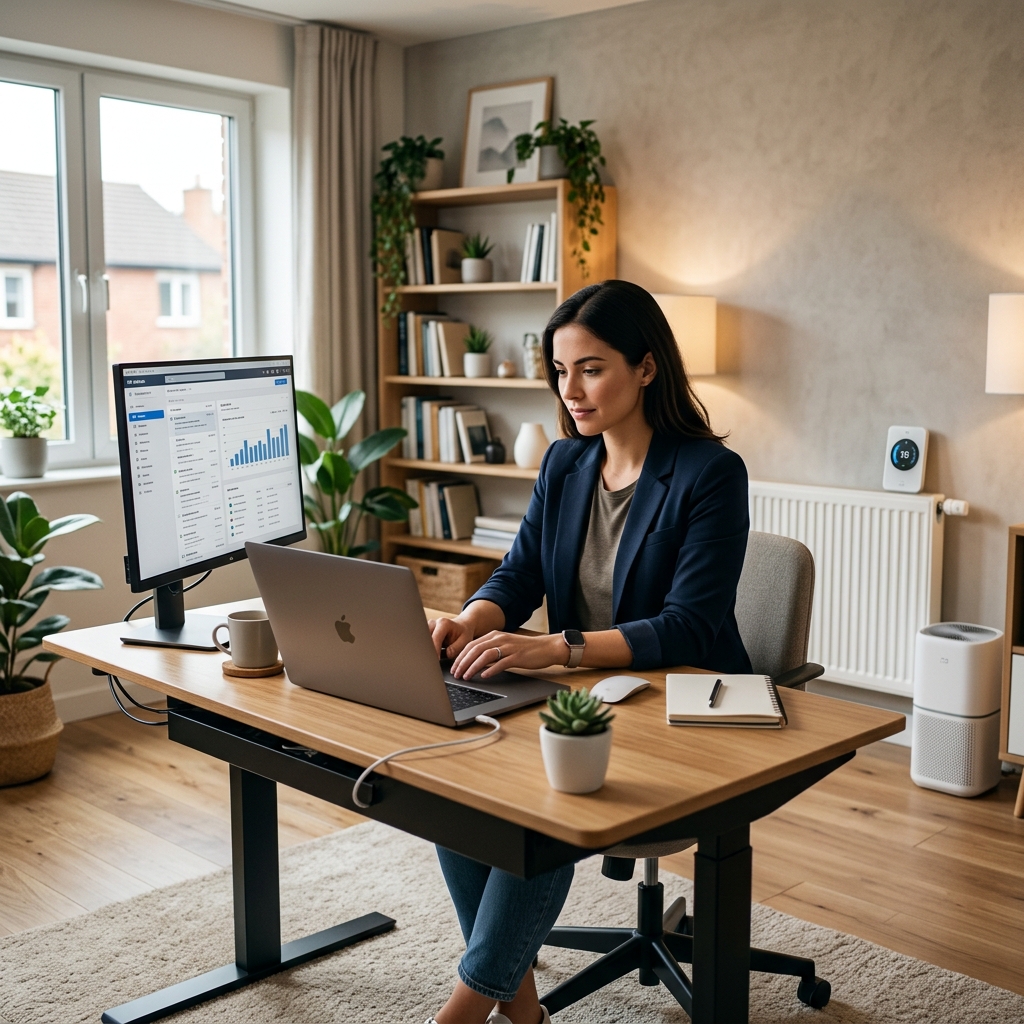
Remote and hybrid work arrangements have reshaped how people use their homes, turning many rental units into full-time workplaces. For landlords, this shift brings both new opportunities and new expenses. Understanding how work-from-home tenants affect operating costs, maintenance, and legal risk is essential to keeping rental properties profitable and compliant.
Why Work‑From‑Home Matters for Landlord Budgets
Working from home changes the daily rhythm of a rental unit. Instead of hours spent at an external workplace, tenants spend more waking time in the property. This increases demand on building systems, alters tenant expectations, and may influence market rents. Studies show that households working from home tend to spend more on housing and seek larger dwellings, reflecting the added importance of the home environment in their daily lives.
For landlords, the implications fall into several major categories:
- Higher usage of utilities and building services.
- Accelerated wear and tear on interior finishes and fixtures.
- Shifts in tenant preferences that affect property features and rents.
- Changes to risk profiles, insurance coverage, and lease drafting.
Increased Occupancy Time and Utility Consumption
When tenants work on-site during the day, they occupy their units for more hours and rely more heavily on resources provided by the landlord. This is particularly significant in buildings where some or all utilities are included in the rent.
Heating, Cooling, and Electricity
Work-from-home tenants typically run climate control systems and electronics for longer periods. Computers, monitors, networking equipment, and lighting remain on during traditional working hours. Comfort expectations also rise when tenants spend more time inside.
- Longer operation of HVAC systems increases energy consumption.
- Expanded use of power outlets for office equipment raises electricity costs.
- Continuous device charging and appliance use can shorten equipment life.
Remote households have been found to spend more on housing overall, partly because they gravitate to larger homes with more rooms and amenities. These larger, frequently occupied spaces can add to energy demand, especially in climates with extreme temperatures.
Water, Plumbing, and Shared Facilities
Working from home also increases water use and strain on plumbing systems:
- More frequent bathroom and kitchen use during the day.
- Increased dishwashing, coffee and tea preparation, and handwashing.
- Higher loads on hot water systems, especially in multi-unit buildings.
Over time, increased usage contributes to faster wear of faucets, seals, and valves, and may prompt more frequent minor repairs. In properties where the landlord pays for water, these changes directly impact operating expenses.
Wear and Tear: The Hidden Cost of Everyday Use
Even when tenants behave responsibly, more hours in the home naturally translate into more wear and tear. This affects both cosmetic elements and mechanical components.
Interior Surfaces and Fixtures
With workdays spent inside, tenants use flooring, doors, counters, and furniture more heavily. Property managers and landlords have observed that heavy occupancy patterns can significantly increase maintenance needs.
- Flooring shows signs of wear more quickly, especially in high-traffic areas.
- Door handles, hinges, and locks experience more use and potential adjustment.
- Paint and wall coverings may require more frequent touch-ups.
Appliances and Building Systems
Work-from-home lifestyles also raise demand on appliances and building systems:
- Kitchen appliance operation increases as tenants eat more meals at home.
- Laundry facilities may see more daytime usage.
- Mechanical systems such as boilers and air handlers run for longer periods.
Over the long term, this accelerates the replacement cycle for appliances and may shorten the maintenance intervals for building equipment. Landlords who underbudget for these changes risk unexpected capital expenses.
Shifting Tenant Preferences and Market Pressures
Remote work has changed what many renters look for in a home. Research indicates that remote households often seek more rooms, additional space, and features that support productivity. Property managers and landlords report increased demand for larger units and amenities tailored to remote work.
Space, Layout, and Amenities
Common tenant preferences in the work-from-home era include:
- Dedicated or flexible areas suitable for home offices.
- Reliable high-speed internet connectivity.
- Good natural light, quiet surroundings, and soundproofing.
- Access to on-site or nearby coworking spaces.
While these features can justify higher rents, they may also require upfront investment by landlords, such as upgrading wiring, adding outlets, or improving insulation.
Geographic and Market Effects
Work-from-home has also shaped where tenants choose to live. Remote workers can often relocate to regions with lower housing costs or better amenities, increasing demand in attractive areas. This can push local rents upward but may also intensify competition among landlords.
| Aspect | Effect on Tenants | Implication for Landlords |
|---|---|---|
| Space requirements | Preference for larger units and extra rooms. | Potential for higher rent; need for space‑oriented upgrades. |
| Location flexibility | Ability to move to regions with better amenities or lower costs. | Shifts in demand across markets; pressure to differentiate units. |
| Daily occupancy | More time spent at home during workdays. | Higher utilities and maintenance; closer tenant interaction. |
Financial Pressures and Risk Management
The broader economic context around remote work and the pandemic has affected landlords in multiple ways. Studies of rental markets during the pandemic showed significant declines in rent collection, with a higher share of landlords receiving less than half of their yearly rent in 2020 compared with 2019. Some landlords responded by cutting expenses, deferring maintenance, and adjusting their management practices.
While these studies focus on pandemic conditions rather than remote work alone, they highlight how quickly rental cash flow can be disrupted when tenant circumstances change. Work-from-home tenants may face different income patterns, employer policies, or relocation decisions that affect tenancy stability.
Insurance, Liability, and Home‑Based Work
When tenants use their homes as workplaces, landlords must consider how this affects liability and insurance coverage. Questions that typically arise include:
- Whether tenant business activities change the risk profile of the property.
- How many visitors or clients, if any, will come to the unit.
- Whether equipment, storage, or deliveries could increase damage risks.
Most standard landlord policies are designed for residential use, not commercial operations. Landlords may need to confirm with their insurers how home-based work is treated and whether restrictions or endorsements are appropriate. For many tenants whose remote work involves only computer-based tasks and occasional virtual meetings, risk changes may be modest. However, activities involving physical goods, clients, or specialized equipment can raise concerns.
Practical Strategies to Control Costs
Landlords cannot reverse the trend toward remote work, but they can adapt. Several practical strategies can help manage expenses while maintaining competitive and attractive properties.
Clarifying Utility Responsibilities
Clear allocation of utility responsibilities is one of the most direct ways to align costs with tenant usage. Options include:
- Metered utilities where tenants pay providers directly based on usage.
- Utility caps for included services, with charges for excessive use.
- Tiered rent models that distinguish between standard and high‑use arrangements.
Transparent communication about utility expectations and conservation practices can reduce misunderstandings and support reasonable consumption.
Proactive Maintenance and Upgrades
Instead of reacting to frequent minor issues, landlords can design preventative maintenance plans suited to heavier daily occupancy:
- Schedule regular inspections of HVAC, plumbing, and electrical systems.
- Use durable materials in high-traffic areas to extend replacement cycles.
- Upgrade insulation, windows, and thermostats to improve efficiency.
These measures can lower operating costs over time and improve tenant comfort, which supports retention and reduces turnover-related expenses.
Lease Clauses for Remote Work
Thoughtful lease language helps balance tenant flexibility with property protection. Landlords can consider provisions that:
- Affirm that the unit is primarily for residential use.
- Permit remote work that does not involve on-site clients, heavy equipment, or increased risk.
- Require tenant compliance with building rules and local zoning for any business activity.
- Address noise, visitor limits, and delivery volumes where relevant.
Consulting legal counsel when drafting or updating leases is advisable so that clauses reflect current law and align with local regulations.
Balancing Tenant Needs and Landlord Sustainability
Many landlords discovered during the pandemic that flexible, collaborative approaches to tenant management can help sustain tenancies in difficult times. Some offered concessions or adjusted practices to maintain occupancy and cash flow. At the same time, a portion of landlords adopted more rigid policies, such as stricter screening and higher fees, in response to perceived risk.
In the context of work-from-home, a balanced approach remains important. Tenants often value stability and clear communication, while landlords need predictable costs and risk control. Key practices include:
- Discussing remote work plans with tenants at application or renewal.
- Setting realistic expectations about building services and usage.
- Adjusting rent or utility structures when occupancy patterns change significantly.
- Maintaining respectful and timely communication about maintenance and rules.
Frequently Asked Questions
Does remote work usually increase utility costs for landlords?
When landlords include utilities in the rent, remote work commonly increases energy and water consumption because tenants spend more hours at home. More daytime use of heating, cooling, lighting, and appliances tends to raise overall costs, especially in larger units.
Should leases specifically address working from home?
While many leases already limit business use of residential property, it is often helpful to clarify that typical computer-based remote work is allowed, while activities that involve on-site clients, heavy equipment, or storage of commercial goods may require landlord approval or be restricted based on property rules and local zoning.
Does remote work make properties more attractive to renters?
Yes, for many tenants. Households that work from home often gravitate toward units with more space, good internet, quiet environments, and comfortable layouts. Properties that support these needs can become more competitive and may justify higher rents, though they may also face higher operating costs.
How can landlords avoid excessive wear and tear?
Landlords can invest in durable finishes, plan regular maintenance, and communicate expectations about care and reporting of issues. Addressing small problems early prevents larger damage, and designing interiors with heavier use in mind reduces long-term replacement costs.
Does work‑from‑home change landlord insurance requirements?
For most tenants whose remote work is limited to computer tasks, insurance implications may be modest. However, any activity that resembles a commercial operation can affect risk. Landlords should speak with their insurance providers to determine how remote work is treated and whether policy adjustments or tenant restrictions are necessary.
References
- The Geographic and Economic Implications of Working from Home — Federal Reserve Bank of Philadelphia. 2022-04-12. https://www.philadelphiafed.org/the-economy/regional-economics/the-geographic-and-economic-implications-of-working-from-home
- The Impact of Remote Work on Renter Preferences and Property Management — Ross Companies. 2024-11-11. https://www.ross-companies.com/blog/the-impact-of-remote-work-on-renter-preferences-and-property-management/
- What The New Work From Home Trend Means For Landlords And Real Estate Investing — Nexus Property Management. n.d. https://www.nexuspropertymanagement.com/blog/what-new-work-home-trend-means-landlords-and-real-estate-investing
- The Impact of the Pandemic on Landlords: Evidence from Two National Surveys — Joint Center for Housing Studies of Harvard University. 2021-01-28. https://www.jchs.harvard.edu/harvard_jchs_impact_on_landlords_two_national_surveys_kneebone_et_al_2021.pdf
- Landlords’ Rental Businesses Before and After the COVID-19 Pandemic — Journal of Housing Economics (via PubMed Central). 2022-12-21. https://pmc.ncbi.nlm.nih.gov/articles/PMC9749398/
- The Impact of COVID-19 on Small Rental Property Management — American Bar Foundation. 2021-12-06. https://www.americanbarfoundation.org/theimpactofcovid19onsmallrentalpropertymanagement_updated_12.6.21.pdf
Similar Articles








Read full bio of Sneha Tete


